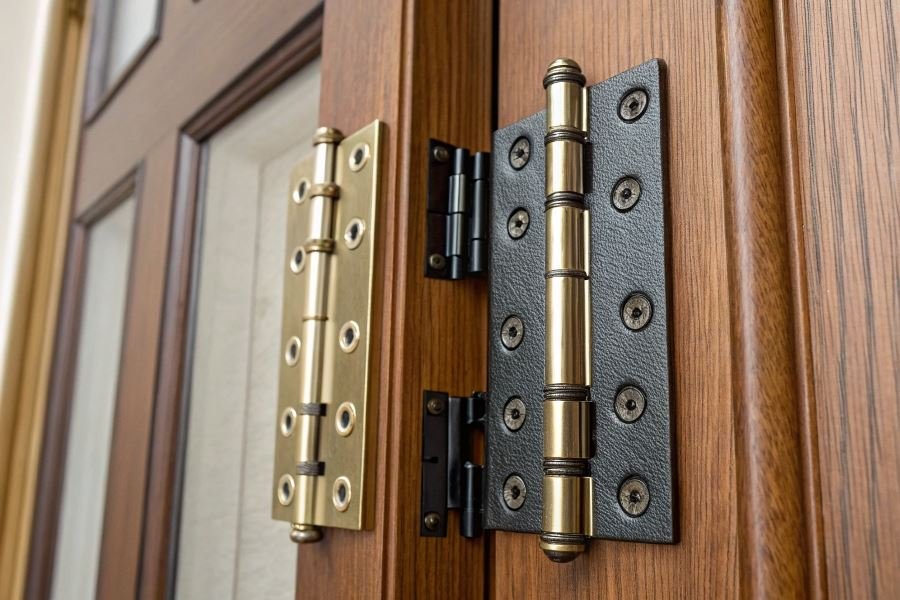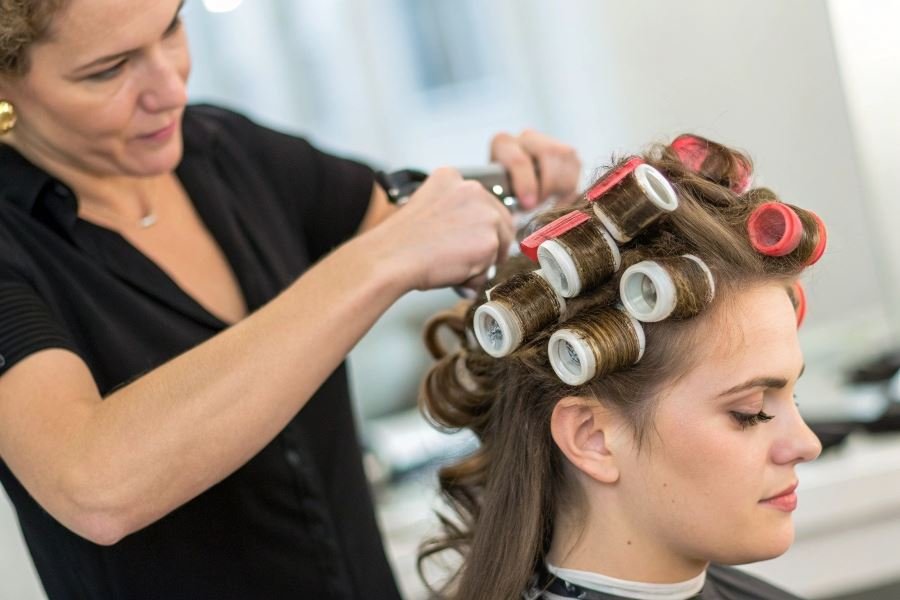
Ever noticed how salon doors and cabinets open and close thousands of times without failing? That’s the magic of quality Vidal hinges at work.
Behind every elegant salon cabinet, stylish station door, and seamless equipment panel lies an unsung hero: the Vidal hinge. These specialized hardware components might seem insignificant, but they’re the workhorses that ensure your salon’s functionality day after day. The materials used in these hinges can make the difference between equipment that lasts for years and fixtures that quickly deteriorate under heavy use.
What exactly are Vidal hinges?
Vidal hinges are precision-engineered connectors specifically designed for commercial applications where reliability meets aesthetics. In salon environments, they’re crucial for everything from storage cabinets to styling stations. Unlike standard residential hinges, Vidal variants are built to withstand constant use while maintaining a sleek, professional appearance.
Material considerations for salon environments
When selecting Vidal hinges for salon applications, material choice becomes paramount for three key reasons:
- Moisture resistance – Salons are high-humidity environments with constant exposure to water, styling products, and chemicals
- Weight capacity – Must support heavy doors and panels that see frequent use
- Aesthetic integration – Should complement the salon’s design language
The most successful salon owners understand that durability doesn’t have to sacrifice style. Premium stainless steel Vidal hinges offer exceptional corrosion resistance while brass options provide timeless elegance with surprising strength. For budget-conscious installations, high-grade aluminum alloys deliver remarkable performance at accessible price points.
Remember: the right hinge material isn’t just about preventing squeaks and sags—it’s about investing in your salon’s long-term functionality and professional image.
Top 3 Materials for Vidal Hinges That Define Salon Quality
When designing a salon space, the smallest details often make the most significant impact. The hardware you select—particularly door hinges—can dramatically influence both functionality and aesthetics. Selecting the right materials for making Vidal hinges requires balancing durability, appearance, and budget considerations. Let’s examine the three premier materials that dominate the market and help you make an informed decision for your establishment.
Stainless Steel: The Endurance Champion
Stainless steel Vidal hinges represent the gold standard for high-traffic salon environments. Their remarkable properties include:
- Exceptional corrosion resistance even in humid conditions
- Unmatched longevity with minimal maintenance requirements
- Superior weight capacity for heavier doors
The 304-grade stainless steel variants contain approximately 18% chromium and 8% nickel, creating an invisible protective layer that continuously self-repairs when exposed to oxygen. This makes them particularly valuable in areas with frequent water exposure—like shampoo stations or steam rooms.
“The true cost of hardware isn’t the purchase price—it’s the lifetime value divided by maintenance headaches.”
While the initial investment runs 15-25% higher than other options, the extended lifespan (typically 15+ years) delivers superior long-term value. Salon owners report virtually zero replacement costs after installation, making materials for making Vidal hinges from stainless steel the preferred choice for premium establishments.
Brass: Where Elegance Meets Performance
Brass Vidal hinges offer a compelling middle-ground option with distinctive advantages:
- Rich, warm aesthetic that develops character over time
- Natural antimicrobial properties (particularly valuable in health-conscious environments)
- Moderate corrosion resistance without the industrial look of stainless steel
Composed primarily of copper (60-70%) and zinc (30-40%), brass hinges develop a unique patina that many designers actively seek. This living finish evolves with your salon, telling a story of your business’s journey.
The moderate durability (8-12 years in typical conditions) positions brass as an excellent choice for salon owners seeking balance between visual appeal and functional longevity. For vintage-inspired or luxury salon concepts, brass hardware provides an authenticity that other materials simply cannot match.
Zinc Alloy: Budget-Friendly Versatility
Zinc alloy Vidal hinges have revolutionized the accessibility of quality hardware:
- Cost efficiency (typically 30-40% less than stainless steel)
- Impressive versatility in finishes and design options
- Adequate performance in controlled indoor environments
Modern zinc alloys (primarily ZAMAK) offer significantly improved performance compared to earlier generations. The die-casting process allows for intricate designs at accessible price points, making them particularly attractive for salons with multiple doors or frequent remodeling schedules.
| Material | Corrosion Resistance | Expected Lifespan | Relative Cost | Best For |
|---|---|---|---|---|
| Stainless Steel | Excellent | 15+ years | $$$ | High-traffic, wet areas |
| Brass | Good | 8-12 years | $$ | Upscale aesthetics, moderate use |
| Zinc Alloy | Fair | 5-8 years | $ | Budget-conscious, controlled environments |
The versatility of zinc alloy extends to finishing options—from chrome-plated to powder-coated in virtually any color. This adaptability makes it possible to coordinate hardware perfectly with your salon’s color scheme without custom fabrication costs.
When selecting materials for your salon’s Vidal hinges, consider not just today’s budget but tomorrow’s maintenance requirements. The right choice aligns with both your aesthetic vision and operational realities.
Making the Right Material Choice for Vidal Hinges
When selecting Vidal hinges for your salon, the material choice isn’t just a technical decision—it’s a strategic investment that affects everything from client perception to your bottom line. Let’s dive into what really matters when selecting the perfect material for your salon environment.
Matching Materials to Salon Environments
Different salon environments demand different hinge solutions. The material you select should align perfectly with your specific operational needs:
| Material | Best Salon Environment | Durability Rating | Aesthetic Appeal |
|---|---|---|---|
| Stainless Steel | High-traffic, moisture-prone | 9/10 | 8/10 |
| Brass | Luxury, boutique salons | 7/10 | 9/10 |
| Zinc Alloy | Budget-conscious spaces | 6/10 | 6/10 |
| Titanium | Premium, corrosion-resistant needs | 10/10 | 8/10 |
For salons with steam rooms or high humidity, stainless steel hinges offer superior corrosion resistance. Meanwhile, upscale boutique salons often benefit from the warm, luxurious appearance of brass hinges that develop a distinguished patina over time.
The material you choose for your Vidal hinges speaks volumes about your salon before clients even sit in your chair.
Specialty salons focusing on chemical treatments should prioritize materials with chemical resistance properties. Titanium alloys, while more expensive initially, provide exceptional protection against the corrosive effects of salon chemicals.
Maintenance Requirements Across Materials
Your maintenance team will thank you for considering the long-term care requirements of different hinge materials:
Stainless Steel: Requires minimal maintenance—typically just regular wiping with a damp cloth. For salons with limited maintenance staff, this material shines.
Brass: Demands more attention with periodic polishing to maintain its luster, or alternatively, allowing it to develop its characteristic patina. This material works best when your salon has dedicated maintenance protocols.
Zinc Alloy: While initially affordable, these hinges often require more frequent replacement, creating hidden maintenance costs through increased labor hours.
Titanium hinges represent the gold standard for maintenance-free operation, with virtually no special care required beyond basic cleaning—ideal for high-end salons where downtime means lost revenue.
Investment Value and Long-Term Economics
The true cost of Vidal hinges extends far beyond the initial purchase price:
- Installation costs vary by material, with some requiring specialized tools or techniques
- Replacement frequency dramatically affects total ownership costs
- Client perception value can justify premium material selection
- Energy efficiency considerations for hinges on temperature-controlled areas
A comprehensive cost analysis reveals that while stainless steel hinges from Vidal Sassoon might cost $15-25 more per unit than zinc alternatives, their extended lifespan (typically 7-10 years versus 2-3 years) creates substantial savings over time.
For salon owners planning for the long term, titanium hinges represent the ultimate investment. Despite commanding a premium of approximately $45-60 per unit, their virtually unlimited lifespan in salon environments means they’ll likely outlast multiple renovations.
The wisest approach combines strategic material selection with your salon’s specific needs. High-traffic areas warrant premium materials, while less visible or less stressed applications might allow for more economical choices. This balanced strategy optimizes both performance and budget, ensuring your Vidal hinges contribute to your salon’s success rather than becoming an ongoing maintenance headache.
Discover the top 3 materials for Vidal hinges in salon environments. Compare stainless steel, brass, and zinc alloy options based on durability, aesthetics, and cost-effectiveness to make the best investment for your salon furniture.
Discover the top 3 materials for Vidal hinges in salon environments. Compare stainless steel, brass, and zinc alloy options based on durability, aesthetics, and cost-effectiveness to make the best investment for your salon furniture.