
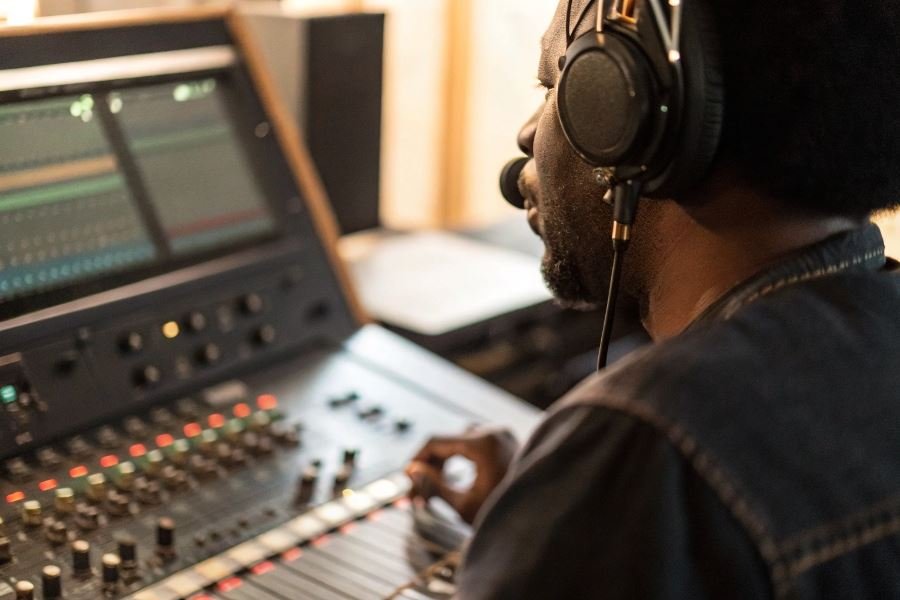
Ever listened to a chart-topping vocal track and wondered, “How does it sound so perfect?” Behind every crystalline high note and velvety low tone sits a powerful yet often invisible hero: the sound processor.
Sound processors are specialized audio tools designed to enhance, modify, and perfect vocal recordings. Think of them as digital sculptors that shape raw vocal performances into polished gems. These sophisticated devices manipulate everything from pitch and timing to texture and space, giving producers the power to transform good vocals into extraordinary ones.
The journey of vocal processing technology reads like a fascinating technological evolution. The earliest dedicated vocal processors emerged in the 1970s as bulky hardware units with limited functionality. When Antares introduced Auto-Tune in 1997, it revolutionized the industry, creating both new creative possibilities and controversies. Today’s processors offer unprecedented precision and creative control, with both hardware units and software plugins delivering studio-quality results even in home recording environments.
Finding your perfect vocal companion
Selecting the right sound processor isn’t merely a technical decision—it’s an artistic one. Different vocal applications demand different processing approaches:
- Studio recording requires pristine clarity and subtle enhancement
- Live performance needs reliability and low latency
- Creative production benefits from experimental effects and flexibility
The processor you choose becomes an extension of the vocalist’s instrument, complementing their unique timbre and performance style. Whether you’re capturing intimate folk whispers or powerful rock belting, the right processor doesn’t just correct imperfections—it elevates the emotional impact of the performance itself.
The Technical Backbone of Vocal Excellence
When diving into the world of vocal processing, the right sound processor can transform a decent recording into a professional masterpiece. The difference between amateur and professional vocal tracks often comes down to the processing chain—and at its heart sits the sound processor.
Selecting the perfect sound processor for vocal processing requires understanding several critical technical factors. Sound processors for vocal processing: selection criteria encompass everything from technical specifications to processing capabilities and connectivity options. Let’s break down what truly matters when investing in these essential studio tools.
Sample Rate and Bit Depth: The Foundation of Fidelity
Sample rate determines how many times per second your audio is measured, while bit depth defines the resolution of each measurement. Together, they form the cornerstone of audio quality.
For professional vocal processing, aim for processors supporting at least:
- 96kHz sample rate (though 192kHz offers future-proofing)
- 24-bit depth (the industry standard for professional work)
Lower specifications might seem adequate for beginners, but they limit your ability to capture nuanced vocal performances.
The Universal Audio Apollo series exemplifies high-end specifications with ultra-low latency, making it a favorite among vocal producers who demand precision.
Latency: The Silent Performance Killer
Latency—the delay between input and output—can destroy a vocalist’s performance. Even milliseconds matter:
| Latency Range | Impact on Performance |
|---|---|
| <3ms | Virtually unnoticeable |
| 3-10ms | Slight discomfort |
| 10ms | Performance disruption |
The Apogee Symphony offers sub-millisecond latency, allowing vocalists to monitor their performance through effects without distracting delays.
Processing Arsenal: Tools That Shape the Voice
Modern vocal processors should include these essential processing capabilities:
Equalization (EQ): Look for parametric EQs with at least 4 bands. The ability to surgically target frequencies separates good vocal processors from great ones.
Compression: Vocal dynamics management requires versatile compression options:
- Variable attack/release times
- Soft-knee options
- Multiple compression algorithms
Reverb Quality: The Lexicon PCM Native Reverb Bundle sets the gold standard for reverb quality. Your processor should either include high-quality reverbs or easily integrate with external reverb processors.
Pitch Correction: While dedicated tools like Melodyne lead the market, having basic pitch correction built into your processor provides convenience during tracking.
Connectivity: The Integration Factor
The most powerful processor becomes useless if it can’t communicate with your existing setup. Essential connectivity features include:
- Digital I/O options: AES/EBU, S/PDIF, ADAT
- Analog inputs with quality preamps for direct microphone connection
- USB-C/Thunderbolt for modern computer integration
- MIDI I/O for control surface integration
The Focusrite Red 16Line exemplifies connectivity flexibility with its comprehensive I/O options that integrate seamlessly with both legacy and cutting-edge equipment.
Remember that the best processor is one that disappears into your workflow. When evaluating options, consider how each processor’s technical specifications, processing capabilities, and connectivity options align with your specific vocal recording needs and existing studio configuration.
The Ultimate Sound Processor Showdown for Vocals
When the human voice meets digital processing, magic happens. But finding the right vocal processor can feel like searching for a unicorn in a tech forest. Let’s cut through the noise and explore the standout performers across price points that truly deliver for vocal enhancement.
Studio titans that professionals swear by
Professional vocal processors represent the pinnacle of sonic manipulation, offering uncompromising quality that transforms good vocals into extraordinary ones.
The Universal Audio Apollo Twin X stands as the gold standard with its Unison preamp technology that digitally recreates the impedance, gain staging, and circuit behaviors of legendary hardware. Its ultra-low latency (under 2ms) and 24-bit/192 kHz conversion make it the secret weapon in countless Grammy-winning recordings.
For those seeking surgical precision, the Eventide H9000 delivers with 16 independent processors capable of running simultaneously. What sets it apart is the FX Chain feature, allowing producers to create complex signal paths that would require multiple hardware units elsewhere.
The Antelope Audio Zen Tour Synergy Core rounds out the professional tier with 64-bit AFC (Acoustically Focused Clocking) technology that dramatically reduces jitter—those microscopic timing errors that degrade vocal clarity. Its onboard FPGA processing handles real-time effects without taxing your computer’s CPU.
These premium processors don’t just process sound—they fundamentally reshape it with a level of transparency and detail that justifies their investment.
Mid-range marvels that deliver professional results
Not everyone needs (or can afford) top-tier processing, but the mid-range category offers impressive capabilities without requiring a second mortgage.
The Focusrite Clarett+ 4Pre delivers exceptional value with its Air-enabled preamps that emulate the company’s legendary ISA circuit. What makes it stand out is the remarkably low noise floor (-129dB EIN), ensuring vocals remain pristine even during quiet passages.
For those prioritizing versatility, the PreSonus Quantum 2626 offers 8 XMAX preamps with 115dB of dynamic range. Its Thunderbolt 3 connectivity ensures near-zero latency monitoring—critical for capturing emotional vocal performances without technical distractions.
The Solid State Logic SSL 2+ brings legendary console sound to a compact interface. Its 4K button introduces harmonics reminiscent of SSL’s iconic 4000-series consoles, adding character to vocals without requiring additional plugins.
These mid-tier processors strike the perfect balance between professional features and accessibility, making them ideal for serious home studios and project facilities.
Budget-friendly vocal enhancers that punch above their weight
Limited budget doesn’t mean limited quality. Today’s entry-level processors offer features that would have cost thousands just a decade ago.
The Audient iD4 MKII features the same Class-A preamp design found in Audient’s ASP8024 console. What makes it remarkable at this price point is the all-metal construction and discrete JFET DI input that captures acoustic instruments with exceptional clarity.
| Processor | Preamp Quality | Conversion | Special Feature | Price Range |
|---|---|---|---|---|
| UA Apollo Twin X | Exceptional | 24-bit/192kHz | Unison Technology | $899-1,299 |
| Focusrite Clarett+ 4Pre | Excellent | 24-bit/192kHz | Air Circuit | $599-699 |
| Audient iD4 MKII | Very Good | 24-bit/96kHz | Console Preamp | $199-249 |
The Behringer U-Phoria UMC204HD delivers surprising performance with MIDAS-designed preamps and 24-bit/192kHz conversion. Its built-in direct monitoring eliminates latency issues that can derail vocal performances.
For mobile recording, the IK Multimedia iRig Pre HD offers 96kHz/24-bit conversion in a pocket-sized package that connects directly to smartphones and tablets. Its 48V phantom power enables use with professional condenser microphones, making it ideal for capturing vocals anywhere inspiration strikes.
These budget options prove that meaningful vocal processing doesn’t require emptying your bank account—just smart engineering and focused feature sets.
Discover how to choose the perfect vocal processor with our comprehensive guide covering technical specs, processing capabilities, and connectivity options. Compare top professional, mid-range, and budget-friendly models for studio-quality vocal enhancement.
Discover how to choose the perfect vocal processor with our comprehensive guide covering technical specs, processing capabilities, and connectivity options. Compare top professional, mid-range, and budget-friendly models for studio-quality vocal enhancement.