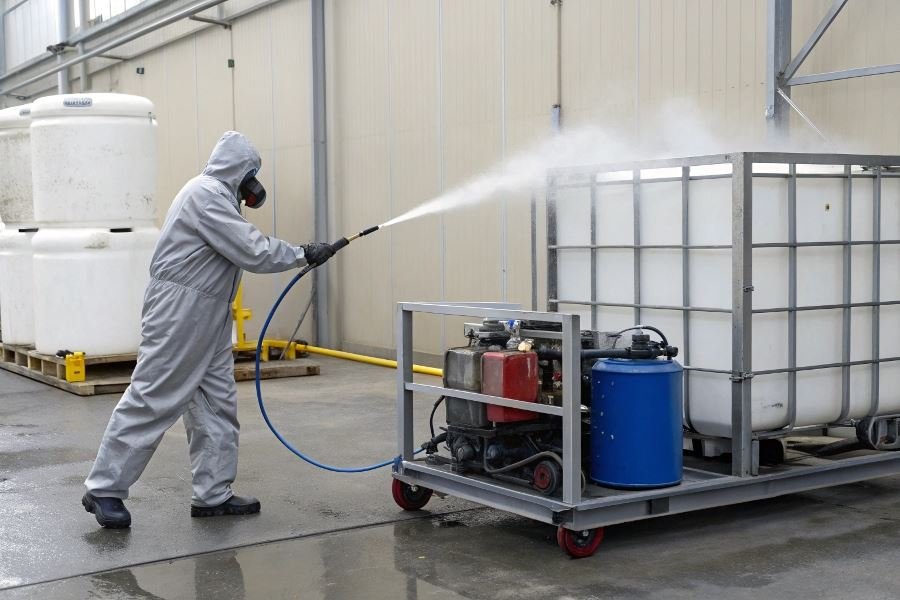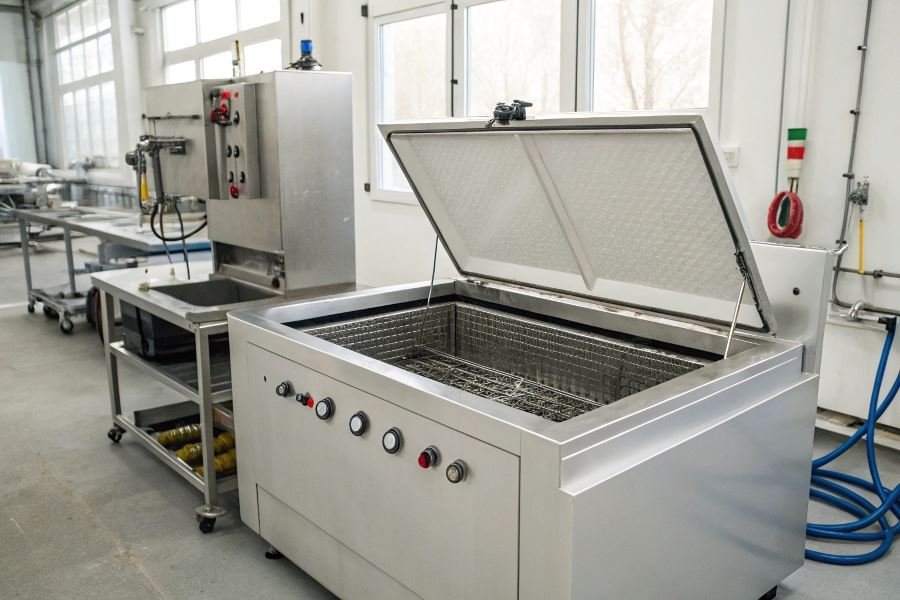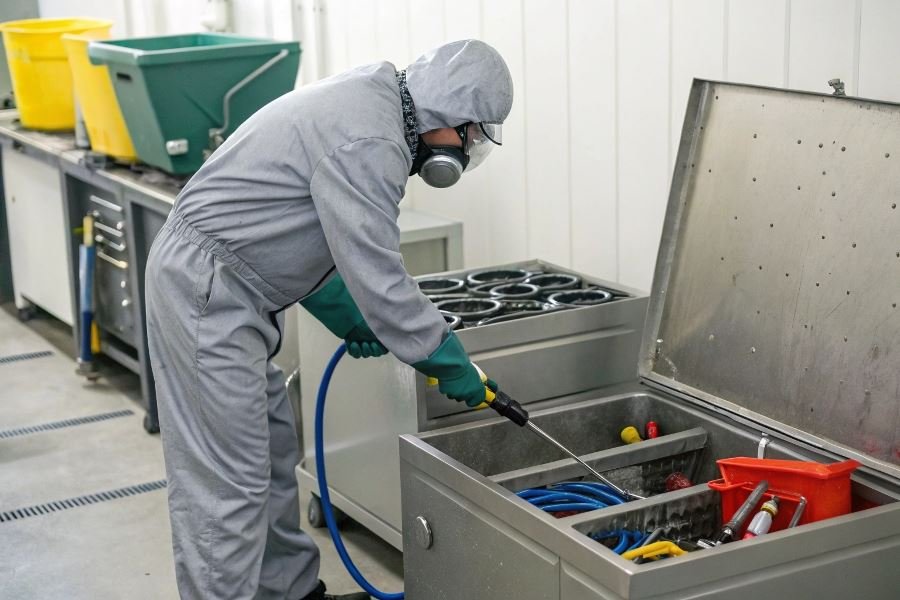
Ever wondered why some industrial parts washers keep running smoothly for decades while others become money pits within years? The difference often comes down to one thing: strategic maintenance.
When a critical parts washer breaks down unexpectedly, the true cost extends far beyond the repair bill. A single day of downtime can cost manufacturers between $5,000 and $50,000 in lost production. Yet many businesses continue treating maintenance as an afterthought rather than a profit-protection strategy.
The financial ripple effect of maintenance decisions
Parts washing machines typically generate three major expense categories: energy consumption (approximately 30% of lifetime costs), cleaning solutions and water (25%), and repair/replacement parts (20%). What many operators don’t realize is how these costs compound when basic maintenance is neglected.
“Preventive maintenance isn’t an expense—it’s an investment with measurable ROI.”
Regular filter changes, for example, cost roughly $200 quarterly but prevent pump failures that average $2,500 to repair. Similarly, proper water quality management extends heating element life from 2 years to 5+ years, saving thousands in replacement costs.
Beyond the immediate savings
The most compelling reason to implement cost-saving maintenance strategies isn’t the immediate budget relief—it’s the long-term competitive advantage. Well-maintained parts washers deliver:
- Consistent cleaning quality that prevents costly rework
- Predictable operational costs that improve financial forecasting
- Extended equipment lifespan that delays capital expenditures by 5-7 years
- Reduced environmental compliance costs through more efficient resource usage
By transforming maintenance from reactive emergency response to strategic asset management, manufacturers can reduce total ownership costs by 15-30% while simultaneously improving operational reliability.
Essential Strategies to Cut Parts Washer Maintenance Costs
Preventive Maintenance: The Ultimate Cost Shield
The difference between a parts washing machine that drains your budget and one that saves you money comes down to one critical factor: preventive maintenance. Companies that implement structured maintenance schedules report up to 70% fewer emergency repairs and significantly extended equipment lifespans.
Smart business owners understand that how to save on the maintenance of the parts washing machine begins with preventing problems before they occur. A well-executed preventive maintenance program transforms unpredictable expenses into manageable, scheduled investments. The math is simple: spending $200 on quarterly maintenance prevents $2,000+ emergency repairs and production downtime.
Key preventive maintenance actions:
- Weekly inspection of filters and strainers
- Monthly examination of seals, gaskets, and pumps
- Quarterly professional assessment of electrical components
- Bi-annual cleaning of heating elements and control systems
Optimizing Cleaning Solutions: Less Waste, More Savings
The cleaning solution in your parts washer represents a significant ongoing expense that many operators overlook. Implementing smart solution management can reduce your chemical costs by 30-45% annually.
Solution recycling isn’t just environmentally responsible—it’s financially brilliant. Modern filtration systems can extend cleaning solution life by 3-4 times the standard duration, dramatically reducing replacement frequency.
“The most expensive cleaning solution is the one you throw away prematurely.”
Consider these solution optimization approaches:
| Approach | Potential Savings | Implementation Difficulty |
|---|---|---|
| Filtration systems | 30-40% | Medium |
| Concentration monitoring | 15-25% | Low |
| Oil skimmers | 20-35% | Low |
| Solution recycling | 40-60% | Medium-High |
Investing in an oil skimmer from Abanaki or similar quality manufacturers can pay for itself within 6-9 months through extended solution life alone.
Operator Training: Your Hidden Efficiency Multiplier
The most sophisticated parts washing equipment becomes a liability in untrained hands. Comprehensive operator training represents perhaps the most overlooked opportunity to reduce maintenance costs.
Well-trained operators:
- Recognize early warning signs of potential failures
- Properly load machines to prevent mechanical stress
- Maintain optimal solution concentrations
- Perform basic troubleshooting without service calls
Implementing a structured training program with UniWash or creating your own internal certification process ensures consistent operation across shifts and personnel changes.
Maintenance Documentation: Track to Save
Establish a detailed maintenance log using digital tools like UpKeep to track:
- Parts replacement frequency
- Solution change intervals
- Common failure points
- Cost per operating hour
This data becomes invaluable for identifying patterns, predicting maintenance needs, and justifying equipment upgrades when necessary. Companies that maintain detailed maintenance records typically reduce their annual maintenance expenses by 15-20% through more informed decision-making.
By implementing these strategies systematically, you’ll transform your parts washing operation from a cost center to a model of efficiency. The initial investment in preventive systems pays dividends through extended equipment life, reduced downtime, and significantly lower operating costs.
Smart Money Strategies for Parts Washer Maintenance
Energy-efficient upgrades that pay for themselves
The industrial parts washing landscape has transformed dramatically since the first automated systems appeared in the 1950s. Today’s energy-efficient components offer substantial long-term savings that the original designers could hardly imagine. Upgrading to variable frequency drives (VFDs) for pump motors can reduce energy consumption by 30-50% while extending motor life. These drives adjust motor speed based on actual demand rather than running at full capacity continuously.
A manufacturing plant in Detroit implemented VFDs on their three industrial parts washers and documented annual savings of $7,200 per machine—with full ROI achieved in just 14 months. Beyond motors, high-efficiency heating elements with precise temperature controls prevent energy waste from overheating and reduce cycle times.
The most overlooked energy upgrade? Insulation. Modern ceramic and composite insulation materials maintain optimal washing temperatures while reducing heat loss by up to 75% compared to older systems. This translates to lower energy bills and more consistent cleaning results.
Building supplier relationships that benefit your bottom line
Strategic supplier relationships go beyond simple transactions. The most successful maintenance programs establish partnerships with key vendors that yield preferential pricing, priority service, and valuable technical support.
Consider implementing these relationship-building approaches:
- Consolidate purchases with fewer suppliers to increase your buying power
- Establish annual contracts with volume commitments for price protection
- Participate in beta testing programs for new components
- Share performance data to help suppliers improve their products
One aerospace components manufacturer reduced their parts washer maintenance costs by 22% by consolidating from seven suppliers to two primary vendors. Their maintenance manager reports: “We’re now getting faster response times, better technical support, and significantly better pricing.”
The cheapest part is rarely the most economical. Calculate total cost of ownership including downtime, labor, and energy consumption.
Predictive maintenance technology that prevents costly failures
The maintenance paradigm has shifted from reactive to predictive, with technology leading the way. Condition monitoring systems now allow maintenance teams to detect potential failures before they occur, dramatically reducing downtime and extending equipment life.
| Technology | Function | Typical ROI Timeframe |
|---|---|---|
| Vibration sensors | Detect bearing wear and misalignment | 6-12 months |
| Thermal imaging | Identify hotspots in electrical components | 3-9 months |
| Oil analysis | Monitor contamination and degradation | 4-8 months |
| Ultrasonic testing | Detect leaks and mechanical issues | 8-14 months |
These technologies connect to centralized monitoring systems that track performance trends over time. Siemens and Emerson offer industrial IoT platforms that integrate with parts washing equipment to provide real-time alerts and maintenance recommendations.
The smartest approach combines technology with human expertise. Train maintenance staff to interpret the data these systems generate, and empower them to make proactive decisions. One chemical processing facility implemented ultrasonic monitoring on their parts washers and prevented a major pump failure that would have cost $43,000 in emergency repairs and lost production.
By investing in energy efficiency, building strategic supplier relationships, and embracing predictive maintenance technologies, you’ll transform your parts washer from a cost center into a model of operational excellence.
Discover 7 proven strategies to reduce parts washing machine maintenance costs while extending equipment life. Learn preventive maintenance techniques, solution recycling, and energy-efficient upgrades for maximum savings.
Discover 7 proven strategies to reduce parts washing machine maintenance costs while extending equipment life. Learn preventive maintenance techniques, solution recycling, and energy-efficient upgrades for maximum savings.