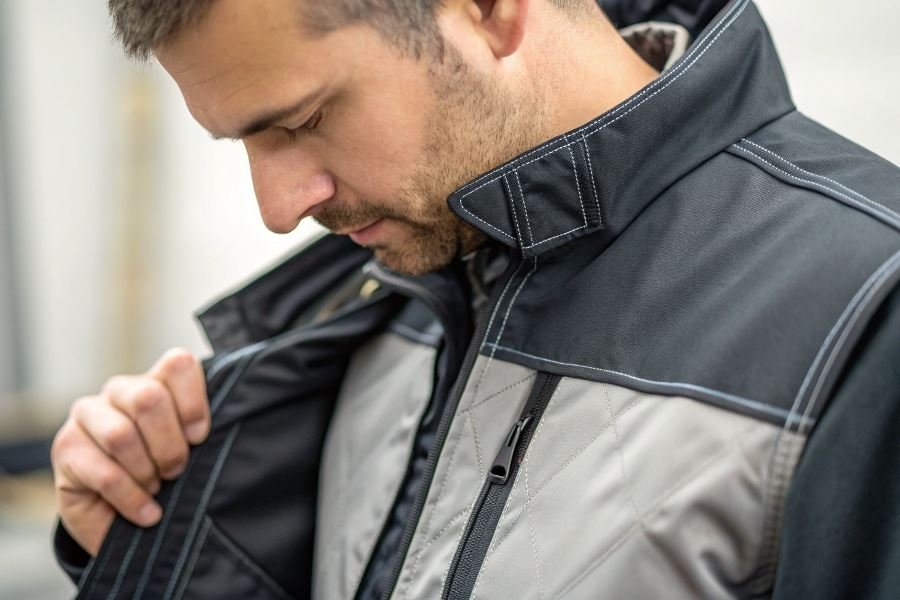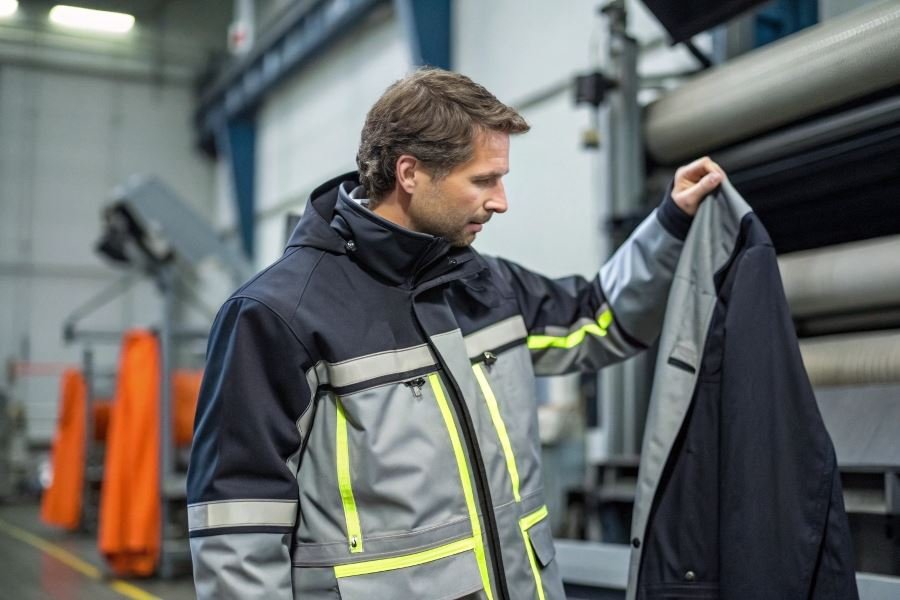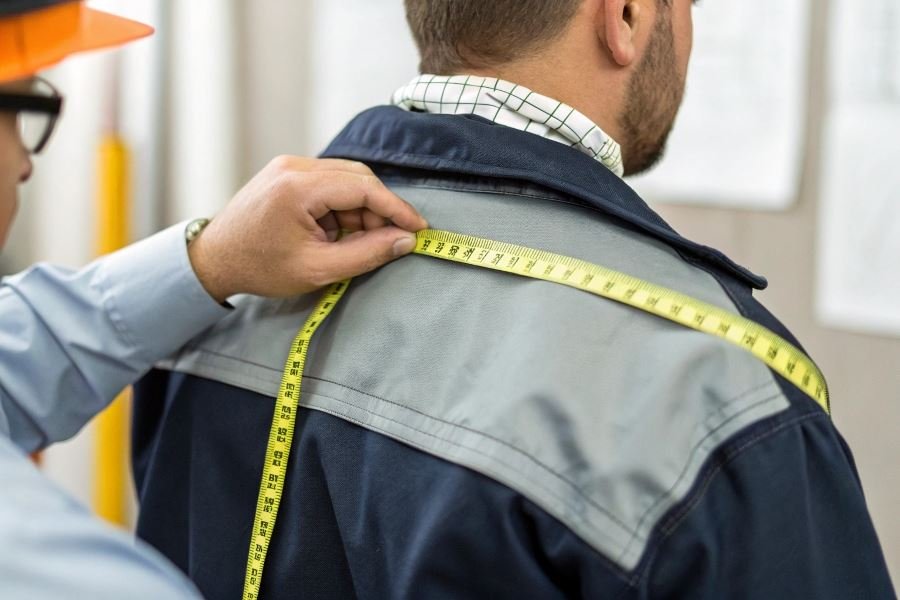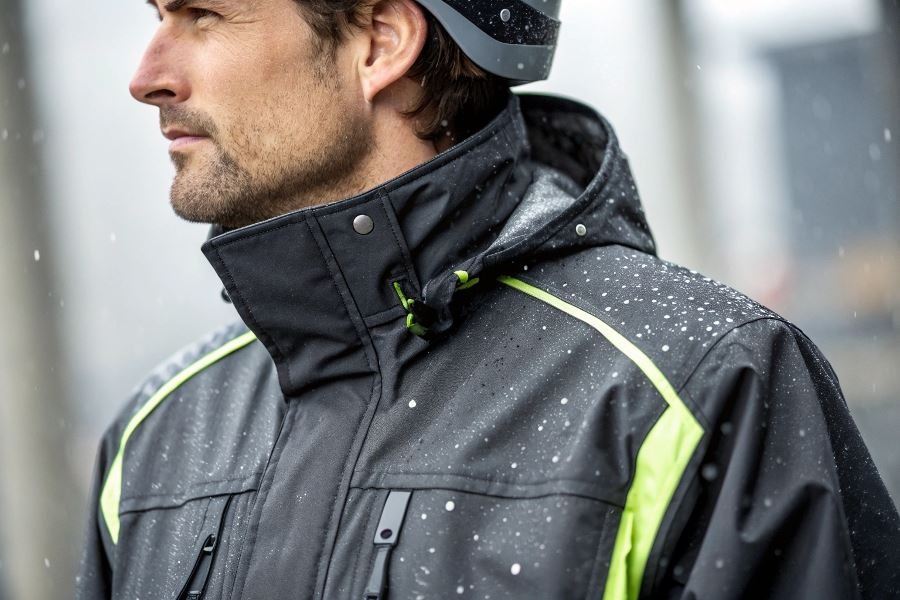
Ever stood in a downpour for eight straight hours while trying to complete critical work? For millions of professionals, this isn’t a hypothetical—it’s Tuesday. The difference between misery and productivity often comes down to what’s covering their shoulders.
Waterproof work jackets represent one of the most significant intersections of technical innovation and practical necessity in professional gear. These aren’t just rain coats—they’re sophisticated systems designed to maintain comfort and safety in environments where the elements show no mercy. From construction sites to offshore oil rigs, these garments serve as the critical barrier between workers and weather that would otherwise shut operations down.
When water meets worksite: Why protection matters
The stakes of inadequate waterproofing extend far beyond comfort. In industries like construction, utilities, and emergency services, water exposure can lead to hypothermia in cold conditions, equipment damage, and significantly reduced productivity. Studies show that properly protected workers maintain up to 60% greater efficiency during adverse weather conditions compared to those with inadequate gear.
“The difference between a $200 and $400 waterproof work jacket might seem excessive until you’re eight hours into a twelve-hour shift in driving rain.” — Field equipment specialist
From rubber to breathable membranes: The evolution
Waterproof workwear has transformed dramatically since the heavy rubber slickers of the 1920s. The watershed moment came in 1969 with the invention of Gore-Tex, introducing the revolutionary concept of waterproof-yet-breathable fabrics. This technology fundamentally changed expectations of what protective gear could achieve.
Today’s advanced jackets utilize multi-layer systems:
- Outer shell (typically nylon or polyester with DWR treatment)
- Waterproof membrane (Gore-Tex, eVent, or proprietary technologies)
- Inner lining (for comfort and additional moisture management)
Performance factors that separate good from exceptional
When evaluating waterproof work jackets, several critical factors determine real-world performance:
- Water resistance rating – Measured in millimeters of water pressure (10,000mm is good; 20,000mm is exceptional)
- Breathability – Expressed in grams of water vapor that can pass through one square meter in 24 hours
- Durability – Reinforced high-wear areas and abrasion resistance
- Mobility – Articulated designs that allow full range of motion
- Visibility – ANSI-compliant reflective elements for safety
The most effective jackets balance these factors against specific work environments and conditions, recognizing that offshore requirements differ dramatically from construction or emergency services needs.
The Science Behind Staying Dry: Waterproof Work Jacket Technologies
When the elements threaten productivity, the right waterproof work jacket becomes your most valuable tool. The difference between comfort and misery—or even safety and danger—often comes down to the invisible technologies engineered into these essential garments.
Understanding waterproof work jackets requires diving into the fascinating world of advanced materials science. Waterproof work jackets: overview of technologies and materials reveals a complex ecosystem of innovations designed to keep workers dry while maintaining breathability and durability in demanding conditions.
Membrane Magic: The Gore-Tex Revolution
Membrane-based waterproofing represents the gold standard in weather protection. These microscopic marvels work through a deceptively simple principle: pores small enough to block water droplets but large enough to allow water vapor to escape.
Gore-Tex leads this category with its ePTFE (expanded polytetrafluoroethylene) membrane containing over 9 billion pores per square inch—each 20,000 times smaller than a water droplet but 700 times larger than a water vapor molecule. This remarkable engineering explains why Gore-Tex commands premium pricing in professional-grade jackets.
Competitors like eVent offer direct diffusion technology that eliminates the need for condensation before vapor transfer, potentially improving breathability in high-exertion work environments. Meanwhile, proprietary systems from major manufacturers like Columbia’s OutDry and The North Face’s FutureLight are challenging the established players with unique approaches to the membrane concept.
Coating Technologies: The Workhorses of Waterproofing
For many applications, coating-based waterproofing delivers excellent protection at more accessible price points:
| Coating Type | Durability | Flexibility | Cost | Best Applications |
|---|---|---|---|---|
| Polyurethane (PU) | Medium | High | $ | General construction, light industrial |
| Polyvinyl Chloride (PVC) | High | Low | $ | Heavy industrial, chemical exposure |
| Wax Treatments | Low-Medium | Medium | $$ | Heritage styles, moderate conditions |
PU coatings create a flexible barrier that moves with the worker, making them ideal for jobs requiring significant movement. PVC offers superior chemical resistance but sacrifices some comfort, perfect for environments with harsh exposure. Traditional wax treatments, while less common in modern work gear, provide a distinctive aesthetic with functional water resistance for moderate conditions.
Three Game-Changing Materials Transforming Work Gear
The waterproofing landscape continues evolving with these breakthrough materials:
-
Graphene-infused fabrics represent the cutting edge of waterproof technology. This single-atom-thick carbon structure adds incredible strength while maintaining flexibility and adding thermal regulation properties—a true triple threat for demanding work environments.
-
Recycled ocean plastic membranes are transforming sustainability in workwear. Companies like Patagonia have pioneered techniques to convert recovered marine plastic into high-performance waterproof barriers that match or exceed traditional petroleum-based alternatives.
-
Biomimetic surfaces inspired by lotus leaves create “superhydrophobic” effects where water beads and rolls off without absorption. These self-cleaning properties extend garment life while maintaining optimal performance in muddy or contaminated work sites.
The evolution of waterproof work jackets continues accelerating as manufacturers respond to increasing demands for performance, comfort, and sustainability. For professionals who can’t compromise on protection, understanding these technologies transforms a simple purchasing decision into a strategic investment in productivity and comfort.
Making the Perfect Choice: Your Ultimate Waterproof Work Jacket Guide
Matching technology to your work battlefield
Selecting the right waterproof work jacket isn’t just about staying dry—it’s about optimizing your performance in specific work environments. Construction workers facing heavy downpours need different protection than offshore oil rig workers battling sea spray and high winds.
For extreme precipitation environments, Gore-Tex Pro or eVent technologies offer unmatched protection with their 3-layer construction and 28,000mm+ water resistance ratings. These technologies excel when you’re facing sustained exposure to driving rain or working in mountainous regions with unpredictable weather patterns.
For moderate exposure scenarios like delivery services or outdoor maintenance, more economical options using polyurethane (PU) coatings with 10,000-15,000mm ratings provide sufficient protection without the premium price tag. These jackets from brands like Carhartt balance cost with functionality for intermittent exposure.
The environment dictates the technology—match them correctly and your productivity remains uncompromised regardless of weather conditions.
The breathability balancing act
The waterproofing-breathability equation represents the central challenge in work jacket design. Higher waterproofing often means reduced breathability, creating a potential sauna effect during physical exertion.
| Technology | Waterproof Rating | Breathability Rating | Best For |
|---|---|---|---|
| Gore-Tex Pro | 28,000mm+ | 25,000g/m²/24hrs | High-intensity work in wet conditions |
| eVent DValpine | 20,000mm | 20,000g/m²/24hrs | Active work with variable exertion |
| PU Coating | 10,000-15,000mm | 5,000-8,000g/m²/24hrs | Moderate activity, budget-conscious |
| Waxed Cotton | 5,000-8,000mm | 3,000-5,000g/m²/24hrs | Traditional trades, style-conscious workers |
For physically demanding jobs, prioritize breathability ratings above 15,000g/m²/24hrs. Mechanical trades and construction workers should consider jackets with strategic ventilation zones from manufacturers like Helly Hansen that incorporate pit zips and mesh-backed pockets.
Material weight matters too. Heavier materials offer durability but reduce mobility and increase heat retention. Modern technical fabrics from Polartec provide remarkable strength-to-weight ratios, allowing for protection without restriction.
Long-term investment protection
The most advanced waterproof work jacket becomes worthless without proper maintenance. Different materials demand different care approaches to maximize lifespan and performance.
For membrane-based technologies like Gore-Tex:
- Wash regularly with technical cleaners like Nikwax Tech Wash
- Reapply DWR treatments every 15-20 washes
- Avoid fabric softeners and high-heat drying which degrade membrane performance
For PU-coated jackets:
- Hand wash when possible to prevent coating abrasion
- Air dry completely before storage
- Inspect seam tape regularly for delamination
Waxed cotton requires periodic rewaxing with products from manufacturers like Filson or Barbour to maintain water resistance.
The true cost of a work jacket isn’t just the purchase price—it’s the price divided by years of reliable service.
When selecting your ultimate waterproof work jacket, consider not just today’s conditions but the full spectrum of environments you’ll face. The perfect jacket balances protection, comfort, and longevity while matching your specific work demands. With proper selection and maintenance, your investment will continue performing season after challenging season.
Discover cutting-edge waterproof work jacket technologies that combine membrane systems like Gore-Tex with innovative coatings for maximum protection in harsh conditions. Learn how to select the perfect balance of waterproofing, breathability, and durability.
Discover cutting-edge waterproof work jacket technologies that combine membrane systems like Gore-Tex with innovative coatings for maximum protection in harsh conditions. Learn how to select the perfect balance of waterproofing, breathability, and durability.