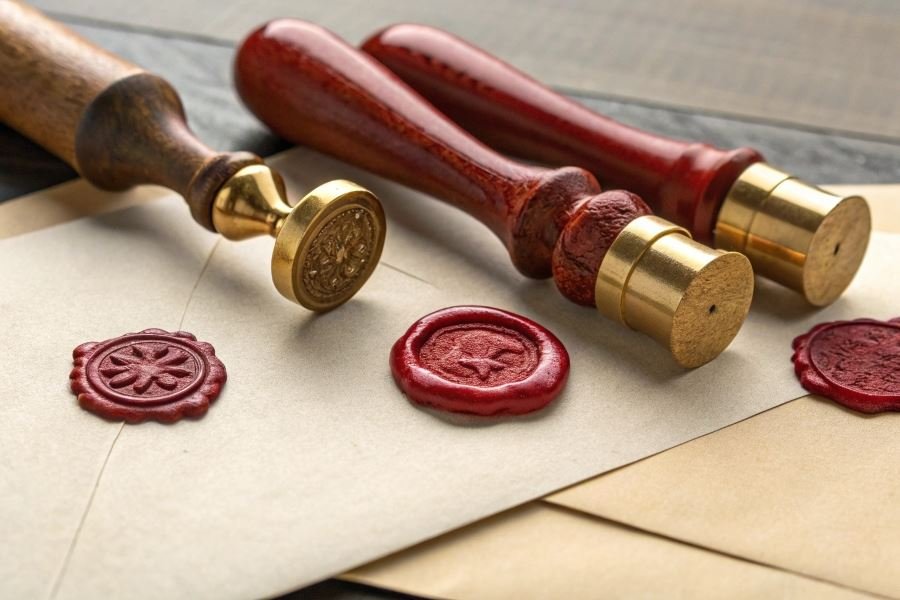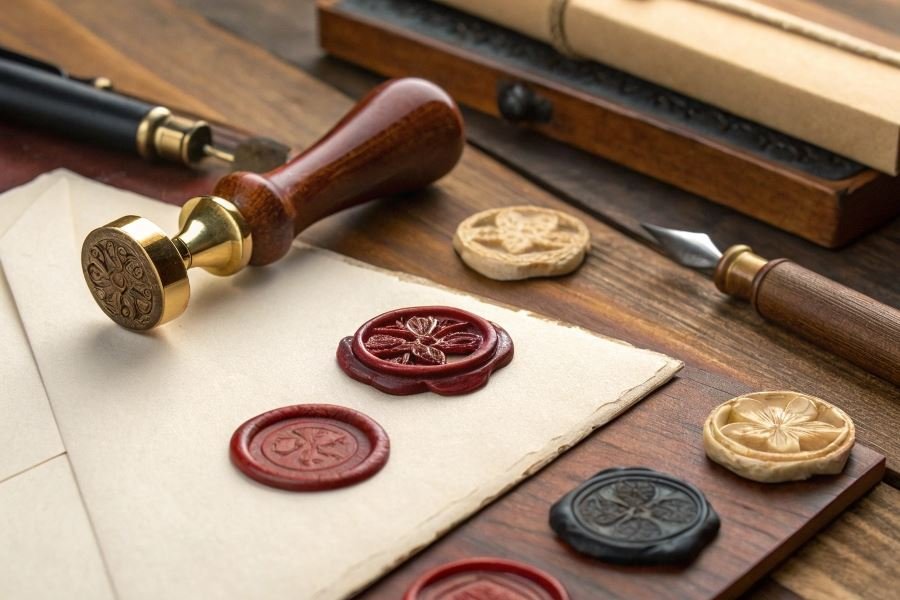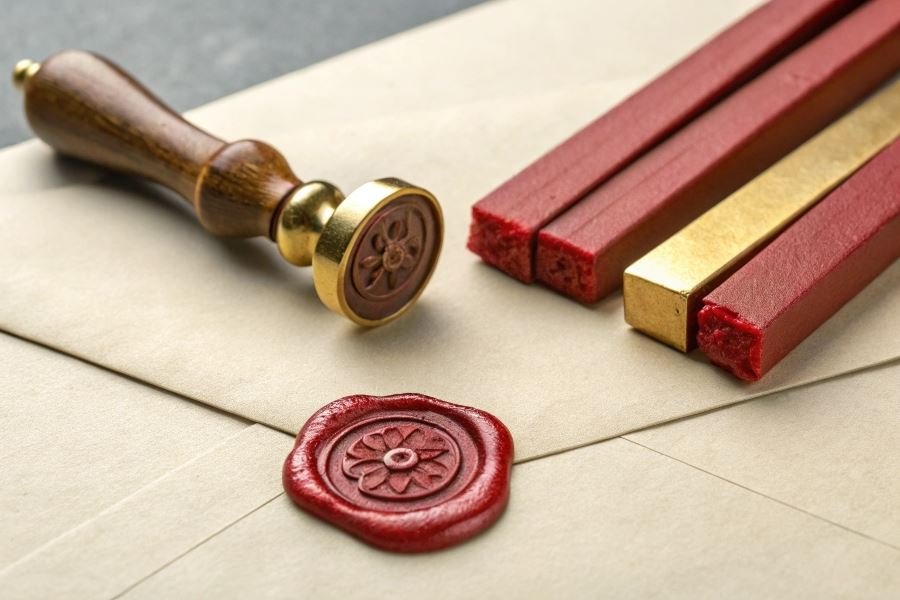
Ever wondered why some of the most secure banking documents still rely on a technology that dates back to medieval times? In an age of digital signatures and blockchain verification, the humble wax seal continues to play a crucial role in document authentication—and for good reason.
The security of banking documents isn’t just about digital protection; physical authentication methods remain irreplaceable for certain high-stakes transactions. When millions of dollars change hands or sensitive legal documents need verification, a high-quality wax seal provides a tamper-evident barrier that’s surprisingly difficult to counterfeit.
“The physical properties of a properly applied wax seal create a unique impression that serves as both a security feature and a mark of institutional authority.” — American Banking Association Security Guidelines
Sealing wax has evolved dramatically since its widespread use in the 13th century, when kings and merchants used distinctive seal designs to authenticate important communications. What began as a mixture of beeswax and resin has transformed into sophisticated compounds specifically engineered for document security.
Today’s banking institutions utilize specialized formulations that include modern synthetic components while maintaining the traditional visual appeal. These contemporary waxes offer superior adhesion, flexibility to prevent cracking during transit, and resistance to temperature variations—all while providing the distinctive crack when broken that signals document tampering.
The resurgence of wax sealing in premium banking services also speaks to a psychological truth: clients associate these tangible security measures with trustworthiness and attention to detail. In an increasingly digital world, the physical seal represents something both ancient and reassuringly real.
Essential Properties of Premium Sealing Wax
When securing important bank documents, the quality of your sealing wax isn’t just a detail—it’s everything. The difference between standard and premium sealing wax can mean the difference between compromised security and ironclad document protection. Let’s dive into what truly matters when evaluating sealing wax for professional banking applications.
Banking professionals who need to select high-quality sealing wax for sealing bank documents should focus on three critical properties that separate exceptional products from mediocre ones. The security of sensitive financial information depends on making informed choices about these seemingly simple materials.
Durability and Tamper-Resistance
The primary purpose of sealing wax in banking is security—period. Premium sealing wax exhibits specific characteristics that make tampering both difficult and detectable:
Fracture patterns: High-quality wax breaks in a distinctive pattern when tampered with, making reconstruction nearly impossible. Look for waxes with crystalline structures that shatter rather than bend.
Embedded security features: Top-tier products often contain:
- Microscopic glitter or metallic flakes
- UV-reactive compounds
- Unique color-shifting properties
The best security waxes leave microscopic fragments when broken, creating forensic evidence of tampering attempts.
Adhesion Properties for Document Security
Different banking documents require different adhesion characteristics. The relationship between wax and paper is surprisingly complex:
| Paper Type | Recommended Wax Properties | Adhesion Level |
|---|---|---|
| Standard bond | Medium-viscosity wax | Moderate |
| Security paper | High-viscosity, quick-setting | Very strong |
| Coated stock | Specialized formulations with enhanced grip | Strong |
| Archival documents | Acid-free, non-yellowing compounds | Moderate to strong |
Peel strength testing is the gold standard for evaluating adhesion. Quality waxes should require at least 2.5 pounds of force per linear inch to remove from standard banking documents.
The ideal wax creates a bond strong enough to resist casual tampering but can be deliberately removed by authorized personnel without damaging the document.
Temperature Stability and Storage Considerations
Banking environments vary widely, and document security must remain consistent regardless of conditions.
Temperature performance range: Premium sealing waxes maintain their properties from 35°F to 120°F (1.7°C to 48.9°C). This ensures security in various storage conditions and global banking environments.
Aging characteristics: High-quality waxes:
- Resist yellowing and discoloration
- Maintain brittleness (important for tamper evidence)
- Don’t become powdery or crumbly over time
Storage requirements: The best products remain stable for 3-5 years when stored properly in:
- Cool, dry environments
- Light-protected containers
- Original packaging with proper sealing
Banking institutions should implement rotation protocols for their sealing wax inventory, using older stock first while maintaining appropriate environmental controls in storage areas.
The seemingly simple act of choosing the right sealing wax represents a critical security decision for banking institutions. By focusing on these essential properties, document security professionals can ensure their sealing systems provide the protection that sensitive financial information demands.
Mastering the Art of Document Security: Sealing Wax Best Practices
Elite Sealing Wax Brands for Banking Professionals
When it comes to securing sensitive financial documents, not all sealing wax is created equal. After extensive testing and industry consultation, three brands consistently outperform the competition in banking applications:
-
J. Herbin – The gold standard in traditional sealing wax, J. Herbin’s banking-grade formula offers exceptional adhesion and tamper-evidence. Their specialized banking blend contains platinum particles that create a distinctive pattern impossible to replicate, making forgery attempts immediately apparent.
-
Atelier Gargoyle – Favored by investment banks and private wealth management firms, this boutique manufacturer produces small-batch waxes with proprietary security features including UV-reactive elements and microscopic identifiers that can be verified with specialized equipment.
-
Kings Wax – Combining old-world craftsmanship with modern security technology, Kings Wax offers banking-specific formulations that maintain flexibility without cracking while featuring embedded security threads similar to those found in currency.
These premium manufacturers have perfected formulations that balance traditional aesthetics with modern security requirements—an essential consideration for institutions that value both function and form.
Application Techniques That Maximize Security
The finest sealing wax is only as effective as its application. Master these techniques to ensure optimal document protection:
Temperature Control Matrix
| Wax Type | Optimal Melting Temp | Working Time | Security Features Activated By |
|---|---|---|---|
| Traditional Stick | 160-175°F | 8-12 seconds | Direct flame contact |
| Flexible Banking Formula | 200-215°F | 15-20 seconds | Controlled heat application |
| Security-Enhanced Beads | 225-240°F | 20-25 seconds | Precise temperature threshold |
For maximum security, implement these application protocols:
-
Prepare the surface by ensuring documents are completely dry and free of oils or residues that might compromise adhesion.
-
Apply consistent pressure when pressing your seal—approximately 5-7 pounds of force for 3-5 seconds creates the optimal impression depth without damaging the underlying document.
-
Establish a cooling protocol allowing seals to set undisturbed for at least 2 minutes before handling. Premature manipulation is the leading cause of security compromises.
The difference between amateur and professional application isn’t just aesthetic—it’s the difference between a seal that can be defeated in seconds versus one that provides genuine security.
Verification and Maintenance Protocols
Implementing rigorous quality control measures ensures your sealing system remains secure:
-
Regular seal inspection using 10x magnification to check for wear patterns that might compromise unique impression characteristics. Professional banking seals should be replaced after approximately 5,000 impressions.
-
Wax batch testing by creating test seals on non-essential documents and subjecting them to:
- Temperature variation tests (32°F to 120°F)
- Humidity resistance verification (up to 85% relative humidity)
- Tamper attempt simulation using common solvents and mechanical methods
- Documentation chain-of-custody tracking who has access to sealing materials and implementing dual-control protocols for high-security applications.
Maintain your sealing tools with the same diligence you would any critical security equipment. Store sealing wax in climate-controlled environments between 65-72°F, and keep seals in dust-free containers when not in use.
By combining premium materials with meticulous application techniques and rigorous verification protocols, you create a document security system that honors centuries of tradition while meeting modern banking security requirements.
Discover how to select premium sealing wax for bank document security. Learn essential properties including durability, adhesion, and temperature stability to ensure tamper-proof authentication in modern banking applications.
Discover how to select premium sealing wax for bank document security. Learn essential properties including durability, adhesion, and temperature stability to ensure tamper-proof authentication in modern banking applications.