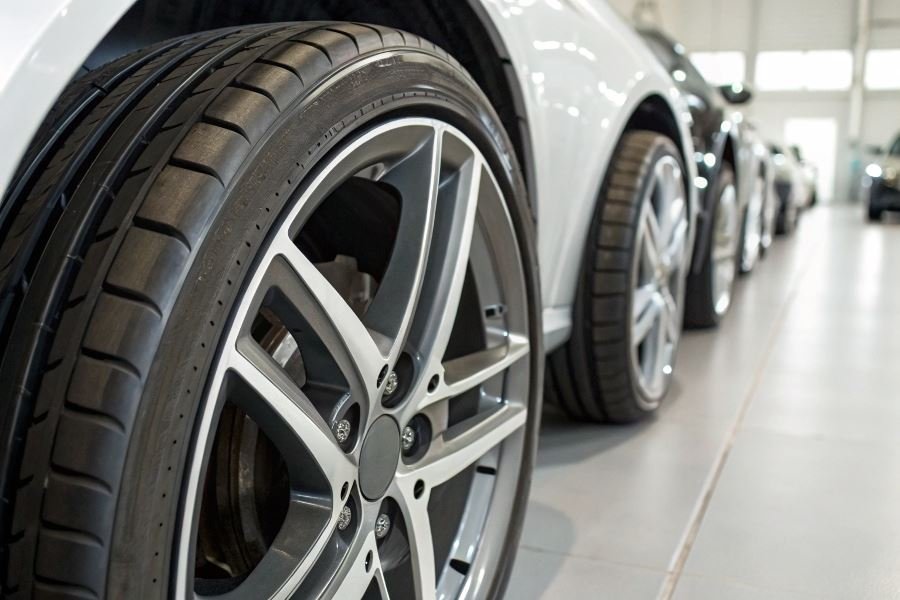
Ever felt that unsettling vibration in your steering wheel at highway speeds? That’s what happens when the delicate equilibrium of your wheels is disrupted—and it’s more than just an annoyance. It’s a warning.
At the heart of vehicle stability lies a remarkably simple yet ingenious solution: balancing weights. These small metal attachments might seem insignificant, but they’re engineering marvels that counteract uneven weight distribution across your wheels. Without proper balancing, even the most expensive tires wear prematurely, fuel efficiency drops, and handling becomes unpredictable.
The evolution of balance
Wheel weights have come a long way since their introduction in the early automotive era. What began as crude lead blocks in the 1920s has transformed into sophisticated, environmentally conscious solutions. The industry’s pivot away from lead weights—which were banned in many states by 2010 due to environmental concerns—sparked a revolution in balancing technology.
Today’s balancing landscape
Modern auto services now rely on several distinct types of balancing weights:
- Clip-on weights: These traditional favorites attach to the wheel’s rim edge, offering quick installation and reliable performance
- Adhesive weights: The sleek, modern option that adheres directly to the wheel’s inner surface, preserving the aesthetic appeal of premium alloy wheels
- Zinc and steel alternatives: Environmentally friendly replacements that deliver performance without the toxic footprint
The choice between these options isn’t merely technical—it reflects a balance between performance needs, environmental responsibility, and aesthetic considerations. For today’s vehicles with increasingly complex wheel designs, the right balancing weight can mean the difference between a smooth journey and a compromised driving experience.
Clip-on vs. Adhesive: The Battle of Wheel Weights
When it comes to achieving that perfect wheel balance, auto service professionals know that choosing the right balancing weights makes all the difference between a smooth ride and a vibration nightmare. The most popular types of balancing weights for auto services fall into two main categories that dominate the market: clip-on weights and adhesive weights. Each has carved out its own niche in the wheel balancing ecosystem, with specific applications that can make or break your vehicle’s performance.
Clip-on Weights: The Traditional Champions
Clip-on wheel weights have been the industry standard for decades, and for good reason. These metal weights—typically made from zinc, steel, or lead-free alloys—feature a clip that securely attaches to the wheel’s rim flange.
Applications: Clip-on weights excel with steel wheels and many alloy wheels with appropriate rim flanges. They’re particularly effective for:
- Heavy-duty vehicles requiring substantial counterbalancing
- Wheels with traditional rim designs
- Applications where quick installation and removal are priorities
Installation Technique:
- Position the weight precisely at the spot indicated by the balancing machine
- Hook the clip over the inner edge of the rim flange
- Tap firmly with a plastic hammer until secure
- Verify proper seating with no gaps between clip and rim
Pro tip: Always use a plastic-headed hammer to avoid damaging expensive alloy wheels during installation.
The durability of clip-on weights is remarkable, often lasting the entire life of the tire. However, they can be problematic with certain wheel designs and may cause cosmetic concerns on premium wheels.
Adhesive Weights: The Modern Solution
Adhesive wheel weights represent the evolution of balancing technology, offering a sleek alternative that addresses many limitations of traditional clip-ons.
Material Composition:
- Zinc or steel core for weight
- High-performance adhesive backing
- Protective coating to prevent corrosion
- Available in strips, segments, or pre-cut pieces
Benefits:
- Invisible from the outside of the wheel
- No risk of rim damage during installation
- Compatible with complex wheel designs
- Aerodynamically superior
Application Method:
| Step | Action | Critical Factor |
|---|---|---|
| 1 | Clean surface thoroughly | Use alcohol-based cleaner |
| 2 | Remove adhesive backing | Avoid touching adhesive |
| 3 | Apply to exact location | Press firmly for 30 seconds |
| 4 | Verify adhesion | Check all edges for contact |
The key to successful adhesive weight installation lies in surface preparation. Even microscopic contaminants can compromise adhesion, leading to weight loss and balance issues down the road.
Choosing the Right Weight for the Wheel
When selecting between clip-on and adhesive weights, several factors come into play:
Wheel Type Considerations:
- Steel wheels: Clip-on weights remain the go-to option, offering cost-effective and reliable performance
- Premium alloy wheels: Adhesive weights prevent potential damage and preserve aesthetics
- Flat-faced wheels: Require adhesive weights as there’s no flange for clips
- Performance vehicles: Often benefit from adhesive weights’ aerodynamic profile
Environmental Factors:
- Extreme temperatures can affect adhesive performance
- Road salt exposure may accelerate corrosion in clip-on weights
- Off-road applications often favor the mechanical security of clip-ons
The ultimate decision often comes down to a balance between wheel design, aesthetic considerations, and performance requirements. Many auto service professionals keep both types on hand, selecting the optimal solution for each specific vehicle that rolls into the bay.
Mastering the Art of Balancing Weight Selection
Critical factors that drive performance
Selecting the appropriate wheel balancing weights isn’t merely a technical decision—it’s the cornerstone of vehicle performance optimization. The most successful auto service professionals understand that weight selection hinges on several critical factors. Vehicle type stands paramount; luxury sedans like the BMW 7 Series demand precision-engineered adhesive weights that preserve aesthetic integrity, while commercial trucks require robust clip-on weights that withstand punishing conditions.
Rim material and design dramatically influence weight compatibility. Alloy wheels typically pair best with adhesive weights to prevent galvanic corrosion, while steel wheels accommodate both clip-on and adhesive options. The wheel’s finish—whether polished, painted, or machined—further narrows your selection parameters.
The difference between a properly balanced wheel and an improperly balanced one isn’t just vibration—it’s the difference between a $200 tire lasting 50,000 miles or 30,000 miles.
Environmental considerations have emerged as increasingly significant. In regions with harsh winters and heavy road salt usage, zinc-coated steel weights offer superior corrosion resistance compared to uncoated alternatives. Meanwhile, areas with strict environmental regulations may require lead-free options exclusively.
Tomorrow’s balancing technologies today
The wheel balancing landscape is evolving rapidly. Integrated wheel weight systems represent the most transformative development, with manufacturers like Plombco pioneering weights that blend seamlessly into wheel designs. These systems reduce inventory requirements while improving aesthetic outcomes.
Material innovation continues at breakneck speed. Composite weights combining zinc and polymer components deliver the perfect balance of durability and environmental compliance. These hybrids typically weigh 30% less than traditional zinc weights while offering comparable performance characteristics.
Automation has revolutionized the balancing process itself. Advanced wheel balancers from Hunter Engineering now incorporate laser-guided weight placement systems that reduce placement errors by up to 78% compared to manual methods. These systems automatically calculate optimal weight positions and quantities, dramatically improving first-time success rates.
Professional best practices across weight types
Mastering different weight types requires specialized techniques. When working with adhesive weights, surface preparation becomes non-negotiable. The most effective protocol involves:
- Thorough cleaning with isopropyl alcohol (minimum 91% concentration)
- Complete surface drying with lint-free cloths
- Application of adhesion promoter in temperatures below 65°F
- Pressure application for minimum 5 seconds using roller tools
For clip-on weights, proper positioning prevents damage and ensures retention. The weight should sit flush against the rim flange with no visible gaps. Professionals should verify that the clip engages fully with the rim edge, typically requiring 15-20 pounds of application pressure.
| Weight Type | Ideal Application Method | Common Errors to Avoid |
|---|---|---|
| Adhesive | Clean, dry, press firmly | Applying to dirty surfaces, insufficient pressure |
| Clip-on | Position flush, verify engagement | Improper clip alignment, insufficient pressure |
| Stick-on | Apply to clean, flat surface | Using on curved surfaces, touching adhesive |
Inventory management represents another critical best practice. Leading service centers maintain organized weight systems with clear labeling by weight type, size, and material. This approach reduces selection errors by approximately 64% while decreasing service time by nearly 3 minutes per vehicle.
The most successful professionals recognize that weight selection isn’t merely about eliminating vibration—it’s about optimizing vehicle performance, extending tire life, and delivering exceptional customer satisfaction through attention to these seemingly small but critically important details.
Discover the pros and cons of clip-on vs adhesive wheel balancing weights for auto services. Learn which type works best for different wheels and how proper balancing improves vehicle safety, tire longevity, and ride comfort.
Discover the pros and cons of clip-on vs adhesive wheel balancing weights for auto services. Learn which type works best for different wheels and how proper balancing improves vehicle safety, tire longevity, and ride comfort.