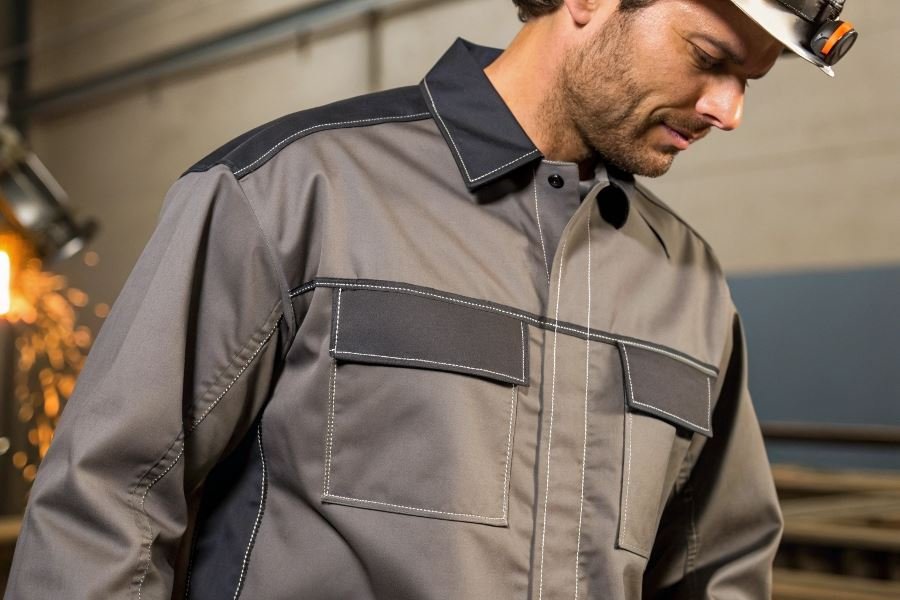
Ever noticed how some professionals always look sharp in their work attire while others seem perpetually rumpled by Wednesday? The secret isn’t an unlimited clothing budget—it’s proper garment care. When the average quality work t-shirt costs between $15-30, making them last isn’t just about appearance—it’s smart economics.
Work shirts face a daily battlefield of challenges: coffee spills, perspiration, frequent washing, and the constant friction of movement. These humble garments often endure more abuse than any other item in your professional wardrobe, yet receive the least attention when it comes to maintenance.
The numbers tell the story: Properly maintained work shirts can last 2-3 times longer than neglected ones. A study by textile experts found that implementing basic care practices extended the average lifespan of work shirts from 6 months to nearly 18 months of regular wear. That’s potentially hundreds of dollars saved annually for the average professional.
The durability equation
The relationship between care and longevity is straightforward: every washing cycle creates microscopic stress on fabric fibers. How you wash matters as much as how often. Temperature settings, detergent choices, and drying methods all contribute to either preserving or degrading your shirts’ integrity.
Common enemies of work shirt longevity
Work shirts face unique challenges:
- Stubborn stains requiring aggressive treatment
- Frequent washing cycles that accelerate wear
- Exposure to environmental factors like sun and sweat
- Improper storage causing permanent wrinkles or stretching
Essential care foundations
The cornerstone of effective shirt maintenance involves:
- Timely stain treatment before setting occurs
- Appropriate washing techniques based on fabric type
- Strategic drying methods that minimize stress
- Proper folding and storage between wears
Mastering these fundamentals transforms shirt care from a chore into an investment strategy that pays dividends in both appearance and longevity.
Washing Wisdom for Work Tees
The humble work t-shirt—backbone of countless wardrobes and frontline uniform for millions—deserves better than the quick wash-and-dry treatment most of us give it. Proper care techniques can transform a three-month shirt into a three-year staple, saving you money while maintaining professional appearance.
Learning how to properly care for work t-shirts to extend their lifespan isn’t just about preservation—it’s about respecting quality and understanding fabric science. The difference between amateur and expert care often comes down to three critical areas: temperature control, stain management, and washing method selection. Let’s dive into these game-changers.
Temperature and detergent: The foundation of fabric care
The perfect wash starts with the right temperature. For most work t-shirts, lukewarm water (85-105°F) strikes the ideal balance between cleaning power and fabric protection. Hot water might seem more effective for tough stains but can break down fibers and accelerate color fading—particularly in cotton blends.
Detergent selection matters tremendously. Opt for liquid detergents over powders when possible, as they dissolve more completely and leave less residue. For performance fabrics like moisture-wicking polyester blends from brands like Under Armour, choose sport-specific detergents that remove odor-causing bacteria without damaging technical properties.
| Fabric Type | Ideal Temperature | Recommended Detergent |
|---|---|---|
| 100% Cotton | Cold to lukewarm | Mild liquid, color-safe |
| Poly-Cotton | Cold | Gentle, no fabric softener |
| Performance | Cold | Sport-specific, enzyme-based |
| Heavyweight | Lukewarm | Standard duty |
Remember that detergent dosing matters. More isn’t better—excess detergent creates buildup that attracts dirt and can irritate skin.
Sorting and stain strategies that professionals use
Before washing, sort beyond just colors. Group t-shirts by fabric weight, soil level, and color intensity. This prevents heavy items from abrading lighter ones and keeps dye transfer at bay.
Pre-treating stains requires a methodical approach:
- Food and oil stains: Apply dish soap directly to the stain, gently work in with a soft toothbrush, and let sit for 15 minutes
- Ink marks: Dab with rubbing alcohol using a clean white cloth, working from outside in
- Sweat and deodorant: Create a paste with equal parts OxiClean and water, apply to affected areas 30 minutes before washing
The first 30 minutes after a stain occurs are golden—immediate action with cold water can prevent 80% of stains from setting permanently.
For particularly stubborn stains on white work shirts, a 30-minute soak in oxygen bleach solution can work wonders without the fiber damage chlorine bleach causes.
Machine settings and handwashing techniques
Your washing machine offers more than just “normal” cycle. For most work t-shirts, select:
- Gentle or delicate cycle for thinner fabrics
- Permanent press for poly-cotton blends
- Regular cycle only for heavily soiled, sturdy cotton tees
Always turn graphic tees inside-out before washing to protect prints and logos. Use mesh laundry bags for shirts with buttons, zippers or embellishments that could catch.
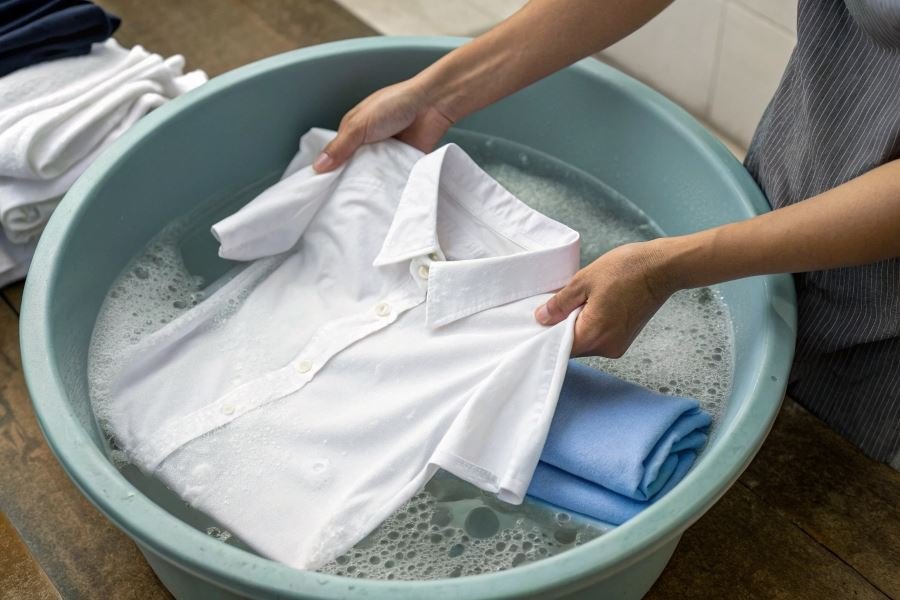
Hand-washing remains the gold standard for premium work shirts. The technique is simple but effective:
- Fill basin with lukewarm water and small amount of gentle detergent
- Submerge shirt, gently agitate for 2-3 minutes
- Let soak 10 minutes for normal cleaning, 30 for deeper cleaning
- Rinse thoroughly until water runs clear
- Press (don’t wring) between towels to remove excess water
Whether machine or hand-washed, avoid the dryer when possible. Air-drying on a flat surface or hanger extends fabric life dramatically and prevents shrinkage that ruins fit and professional appearance.
Advanced T-Shirt Maintenance: Extending Workwear Life Through Expert Care
Mastering Drying Techniques for Fabric Longevity
The drying process might be the most underappreciated aspect of t-shirt care, yet it’s where the most damage occurs. High-heat mechanical drying is the leading cause of premature fabric deterioration in work shirts. Studies show that cotton t-shirts dried on high heat can lose up to 25% of their lifespan compared to those dried properly.
For cotton-blend work shirts, air drying is the gold standard. Hang your shirts on plastic or wooden hangers—never wire, which can create shoulder bumps that never fully recover. Position shirts in a well-ventilated area away from direct sunlight, which can fade colors and weaken fibers over time.
When using a dryer becomes necessary (we all have those rushed mornings), select the lowest heat setting possible. Remove shirts while still slightly damp and allow them to finish drying naturally. This simple habit can extend fabric life by preventing over-drying, which breaks down elastic fibers and causes micro-tears in the material.
For performance fabrics from brands like Under Armour or Carhartt, tumble drying on low heat or air-only settings preserves moisture-wicking properties that would otherwise deteriorate under high temperatures.
Strategic Storage Solutions for Shape Retention
Your storage approach directly impacts how your work shirts look day after day. The difference between professional appearance and perpetually rumpled comes down to simple storage practices.
Folding vs. hanging isn’t just personal preference—it’s science. Heavy cotton work shirts benefit from folding to prevent shoulder stretching, while lightweight performance shirts maintain their shape better when hung. When folding, use the retail fold technique:
| Folding Step | Technique | Benefit |
|---|---|---|
| Step 1 | Lay shirt face down | Creates clean front appearance |
| Step 2 | Fold sleeves back in thirds | Prevents sleeve creasing |
| Step 3 | Fold sides toward center | Creates uniform width |
| Step 4 | Fold bottom to middle, then to collar | Minimizes center creasing |
For hanging, invest in rounded wooden hangers that mimic shoulder contours. The extra $2-3 per hanger pays dividends in extended shirt life and improved appearance.
Create breathing room in your closet—crowded shirts develop permanent wrinkles and trap moisture that can lead to mildew. A minimum one-inch gap between hangers is ideal for air circulation.
Rotation Strategies That Maximize Longevity
The most sophisticated care routine falls short without proper rotation. Even premium work shirts from Dickies or Duluth Trading Company will show premature wear when used repeatedly without rest.
Implement the 3:1 rotation rule: for every shirt in active rotation, have three others ready to deploy. This approach allows fabric fibers to recover their natural elasticity between wears. Fibers, like muscles, need recovery time to maintain strength and resilience.
Track wear patterns by implementing a simple system—move freshly laundered shirts to the right side of your closet and pull from the left for your next workday. This ensures even distribution of wear across your entire collection.
For specialized work environments, consider task-specific rotation. Reserve certain shirts for high-abrasion activities and others for client-facing responsibilities. This targeted approach extends the presentable life of your entire wardrobe while maximizing the utility of each piece.
The true value of workwear isn’t measured in initial cost but in cost-per-wear over its lifetime. Proper maintenance transforms a $30 work shirt into pennies-per-day professional attire.
By implementing these advanced maintenance practices, your work shirts will maintain their professional appearance and structural integrity far beyond their expected lifespan—turning good workwear into great investments.
Discover proven techniques to maximize your work t-shirts' lifespan with proper washing, drying, and storage methods. Learn how temperature, detergent choice, and rotation strategies can keep your workwear looking professional longer.
Discover proven techniques to maximize your work t-shirts' lifespan with proper washing, drying, and storage methods. Learn how temperature, detergent choice, and rotation strategies can keep your workwear looking professional longer.