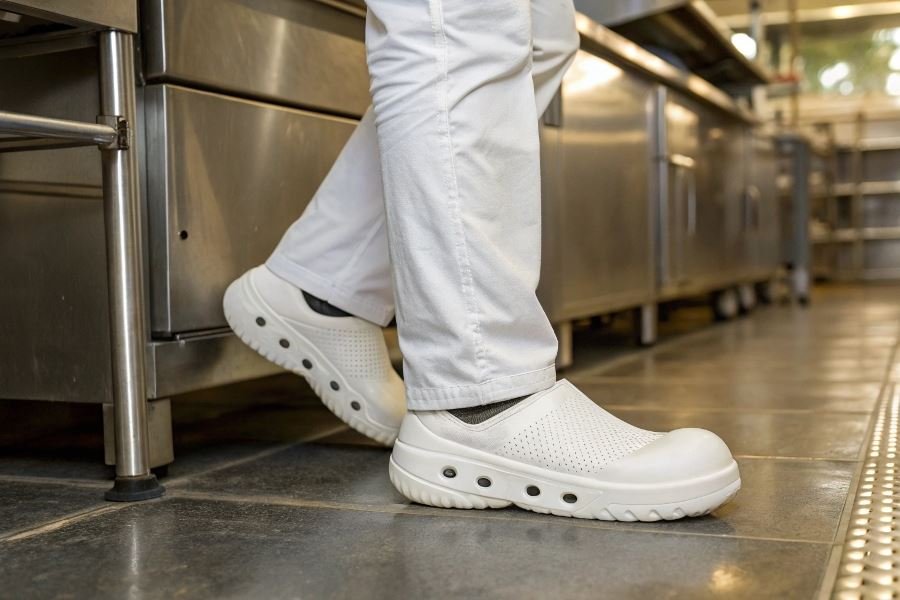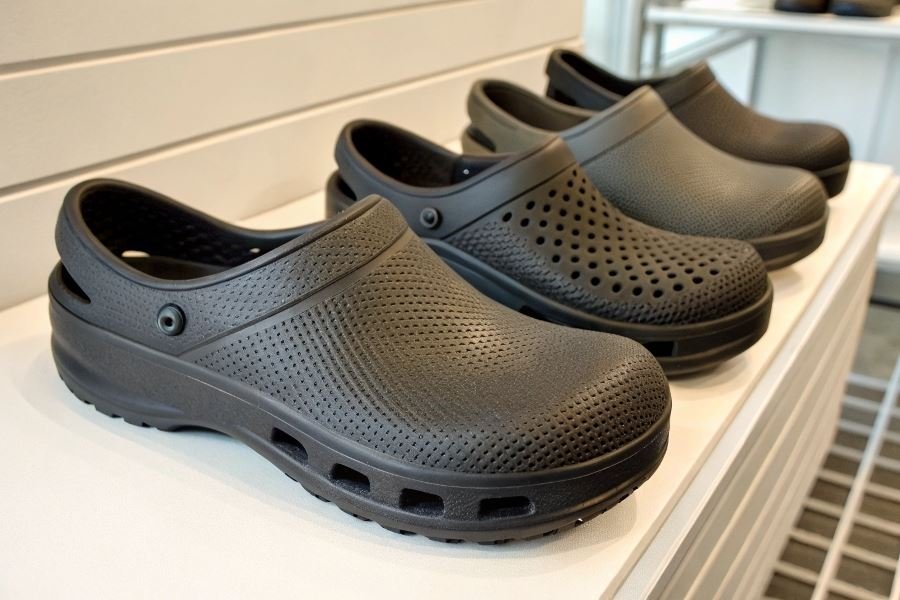
Ever wondered why your feet ache after a long shift? The culprit might be right under you. A staggering 80% of workplace comfort complaints stem from inadequate footwear, yet most professionals overlook this critical aspect of their daily equipment.
The science behind proper work slippers goes far beyond simple comfort. When we examine hygienic requirements for professional footwear, we’re actually looking at a complex intersection of ergonomics, material science, and preventive healthcare. These aren’t just shoes—they’re your first line of defense against chronic pain, infections, and workplace accidents.
“The right work slipper can mean the difference between productivity and disability,” notes the Occupational Safety and Health Administration in their latest guidelines.
Regulatory standards have evolved dramatically since the first workplace footwear requirements were established in 1970. Today’s standards demand specific attributes:
Material matters: The microbial battlefield
Work environments harbor surprising amounts of bacteria—up to 400,000 units per square inch on some floors. Antimicrobial materials in modern work slippers can reduce foot infections by up to 67%, particularly in healthcare and food service industries.
Beyond comfort: The health equation
Inadequate work footwear doesn’t just hurt—it harms. Studies show direct correlations between improper occupational footwear and:
- Plantar fasciitis development
- Increased back pain incidents
- Reduced circulation in lower extremities
- Higher rates of skin conditions
The revolution in workplace footwear isn’t just about comfort—it’s about recognizing that what you put on your feet fundamentally shapes your professional longevity and daily wellbeing.
The Science of Safe Steps: Hygienic Work Slipper Requirements
When your feet spend 8+ hours confined in work footwear, the microscopic environment inside becomes a critical workplace concern. The hygienic requirements for work slippers: what to pay attention to extends far beyond simple comfort—it’s about creating a barrier against infection, preventing odor development, and maintaining proper foot health throughout demanding shifts.
Breathable Materials That Fight Microbes
The foundation of any hygienic work slipper begins with its material composition. Premium work slippers utilize advanced textiles that perform three critical functions simultaneously:
- Moisture-wicking fabrics pull sweat away from the skin, preventing the damp environment where bacteria thrive
- Antimicrobial treatments provide active protection against pathogen growth, with silver ion technology leading the industry
- Breathable mesh panels create continuous airflow, maintaining a dry microclimate
Materials like Clarino and GORE-TEX have revolutionized the work footwear industry by combining these properties with remarkable durability. The difference between standard materials and these specialized fabrics can be measured in bacterial colony counts—often showing 99.9% reduction in microorganism presence after a full workday.
Structural Elements That Protect and Support
The architecture of work slippers plays an equally important role in hygiene maintenance:
| Feature | Hygienic Benefit | Warning Signs |
|---|---|---|
| Closed heel design | Prevents environmental contaminants from entering | Gaps larger than 1/4 inch compromise protection |
| Non-slip outsoles | Reduces contamination transfer through falls | Tread pattern should exceed 2mm depth |
| Proper arch support | Minimizes foot fatigue and excessive sweating | Should maintain contact with 80% of arch surface |
“The closed heel isn’t just about keeping your slipper on—it’s your first defense against bringing home whatever was on the floor,” notes podiatric research. Work environments with specific contaminant concerns should prioritize slippers with sealed seams and minimal stitching, as these areas can harbor microscopic particles and prove difficult to sanitize effectively.
Maintenance: The Forgotten Hygiene Factor
Even the most advanced work slippers require proper maintenance to preserve their hygienic properties:
- Washability matters: Select slippers rated for machine washing at temperatures above 140°F (60°C) to effectively eliminate pathogens
- Quick-drying construction prevents mildew development between shifts
- Replacement schedules should be based on wear indicators rather than calendar dates
The most overlooked aspect of work slipper hygiene is the replacement frequency. Materials compress and lose their antimicrobial properties over time. High-quality work slippers from manufacturers like Dansko typically maintain their hygienic properties for 500-700 hours of wear before requiring replacement—roughly 3-4 months of full-time use.
Remember that proper sizing also impacts hygiene; too-tight slippers restrict airflow while oversized ones allow excessive foot movement, creating friction points where moisture accumulates. The ideal fit allows for a quarter-inch of space at the toe while maintaining firm heel support.
By prioritizing these essential hygienic requirements, your work slippers become more than just comfortable footwear—they become active participants in maintaining your foot health throughout demanding workdays.
Workplace Footwear Hygiene Across Industries
When it comes to implementing proper footwear standards in professional environments, the approach must be tailored to specific workplace demands. Healthcare facilities, food service operations, and manufacturing plants each present unique challenges that require thoughtful consideration of hygiene protocols.
Healthcare Environments Demand Rigorous Standards
In medical settings, footwear hygiene isn’t merely a recommendation—it’s a critical infection control measure. Hospitals and clinics typically require slippers or clogs that can withstand frequent disinfection with hospital-grade cleaners.
Industry insight: Healthcare facilities with dedicated footwear protocols report up to 30% fewer floor-based pathogen transmissions compared to those without standardized approaches.
Dansko Professional Clogs have become a staple in many healthcare environments precisely because their sealed, non-porous surfaces can be quickly wiped down between patient encounters. Similarly, Crocs Healthcare designs feature antimicrobial properties and closed heels that provide both protection and cleanability.
Food Service Footwear Requirements
The food service industry faces distinct challenges where slip resistance meets sanitation concerns. Kitchens and food preparation areas demand footwear that prevents both accidents and cross-contamination.
Key requirements for food service footwear include:
- Non-slip treads that perform in greasy conditions
- Closed-toe designs that protect from spills and falling objects
- Materials that resist absorption of food particles
- Easily cleanable surfaces that can be sanitized daily
Many restaurants have implemented footwear rotation systems, where employees maintain two pairs of work slippers, allowing 24-hour drying periods between uses—a practice that significantly reduces bacterial growth.
Manufacturing Environments Need Specialized Solutions
In manufacturing settings, work slippers must balance comfort during long shifts with protection against industry-specific hazards. Steel plants, chemical facilities, and electronics manufacturing each require different footwear specifications.
| Industry Sector | Primary Footwear Concern | Recommended Features |
|---|---|---|
| Chemical Processing | Chemical resistance | Impermeable materials, quick-removal design |
| Electronics | Static control | ESD-compliant materials, conductive properties |
| Food Manufacturing | Washability | Machine-washable fabrics, quick-dry construction |
| Pharmaceutical | Particulate control | Smooth surfaces, minimal seams, cleanroom compatibility |
Developing Effective Workplace Footwear Policies
Organizations that successfully implement footwear hygiene programs typically incorporate these best practices:
- Clear written standards that specify acceptable footwear types for each department
- Regular inspection protocols that verify compliance without creating unnecessary friction
- Dedicated storage solutions that keep work footwear separate from street shoes
- Employee education on the importance of proper footwear maintenance
The most effective policies acknowledge both safety requirements and practical considerations. For instance, providing subsidies for approved footwear models increases compliance rates by approximately 40%.
Long-term Benefits of Proper Footwear Hygiene
Organizations that maintain stringent footwear hygiene standards realize multiple advantages beyond basic compliance:
- Reduced absenteeism due to fewer foot-related health issues and infections
- Improved floor longevity from decreased tracking of abrasive materials
- Enhanced professional image that customers and clients notice
- Lower cross-contamination risks between work zones and departments
The financial impact is substantial: Companies with comprehensive footwear hygiene programs report average annual savings of $347 per employee in reduced cleaning costs, decreased sick time, and extended flooring lifespan.
By implementing industry-appropriate footwear standards, organizations create healthier workplaces while simultaneously protecting their bottom line—proving that proper slipper hygiene is both a wellness and business imperative.
Discover essential hygienic requirements for work slippers that protect your health. Learn about breathable materials, proper support, and maintenance standards that ensure comfort and safety in professional environments.
Discover essential hygienic requirements for work slippers that protect your health. Learn about breathable materials, proper support, and maintenance standards that ensure comfort and safety in professional environments.