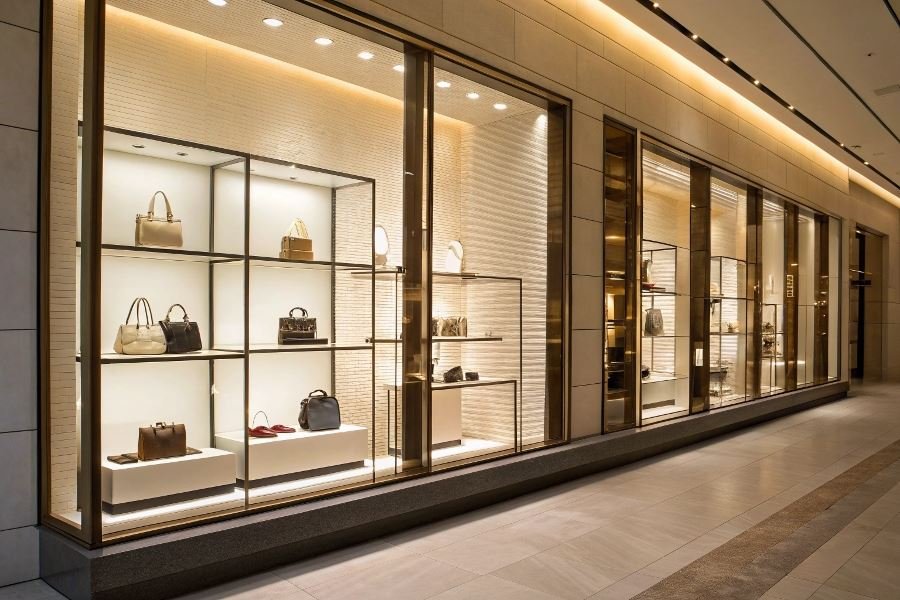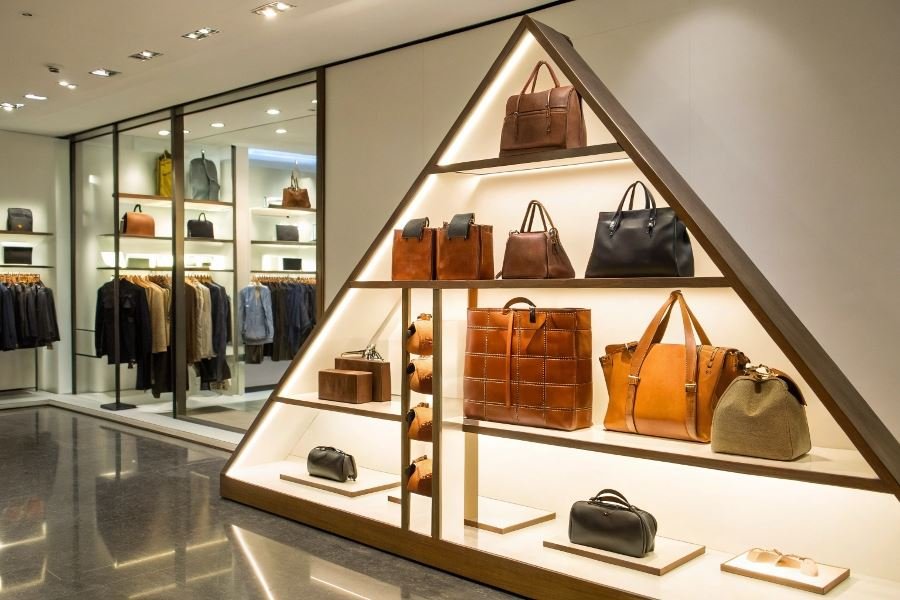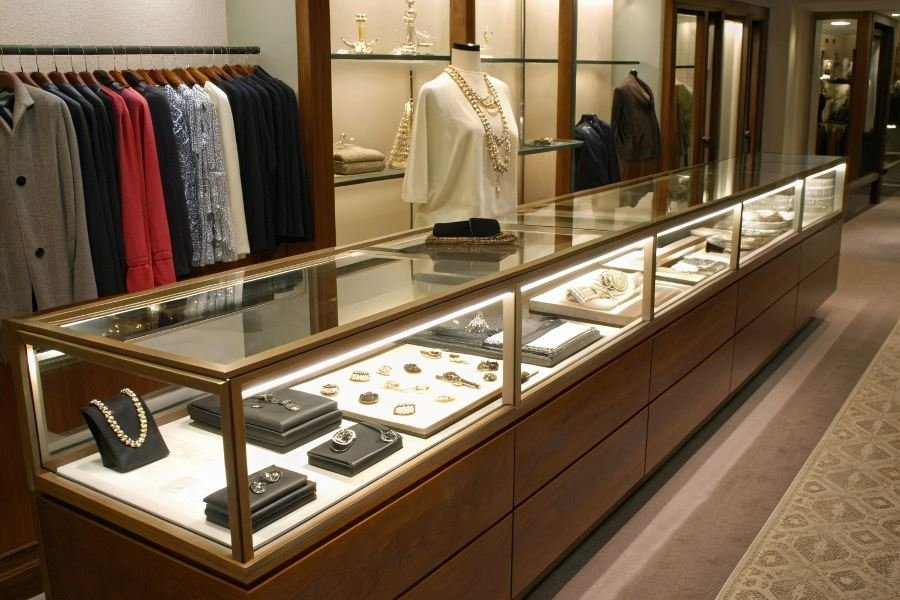
Ever walked into a store and felt inexplicably drawn to a particular display? That’s no accident. The silent architecture of retail spaces works psychological magic on shoppers, with display case dimensions playing a starring role in this retail theater.
When a luxury watch sits in a case too large, it loses presence. When artisanal chocolates crowd a tiny display, their craftsmanship gets lost. The relationship between product and presentation space creates a visual harmony that either resonates with customers or falls flat. Research from the Journal of Retailing shows that optimized display dimensions can increase product engagement by up to 34% and boost conversion rates significantly.
The optimal sizing equation balances several critical variables. Product size and quantity form the foundation—jewelry demands intimate viewing distances while furniture needs breathing room. Customer interaction requirements matter too: Will shoppers need to handle items? Will staff retrieve products? Traffic patterns around displays create another dimension, with high-traffic areas requiring different configurations than destination browsing spots.
“The display case isn’t just containing your product—it’s framing the conversation between your merchandise and your customer.” — Retail Design Institute
Industry standards have evolved through decades of retail psychology research. Jewelry typically thrives in cases 42-48 inches high (counter height), while clothing displays perform best at eye level (60-66 inches). Museum-quality merchandise benefits from the “golden ratio” approach, where case dimensions follow the 1:1.618 proportion that humans instinctively find appealing.
The science of display case sizing transforms ordinary retail spaces into sales engines that speak directly to customer psychology.
Maximizing Retail Impact: Display Case Dimensions That Sell
When customers enter your retail space, they’re not just seeing products—they’re experiencing a carefully orchestrated visual presentation. The dimensions of your display cases aren’t arbitrary measurements; they’re strategic decisions that directly impact sales conversion. Finding the optimal sizes of display cases for different types of goods requires balancing visibility, accessibility, and the psychological aspects of consumer behavior.
Jewelry and Small Luxury Items: The Power of Proximity
Small luxury items demand intimate viewing experiences. Display cases for jewelry and high-value miniatures perform best when sized between 4-12 inches in height and 12-36 inches in width. This dimensional range creates what retail designers call the “precious zone”—a space that encourages customers to lean in and engage.
Why these dimensions work:
- Low-profile heights (4-8 inches) create a jewelry box effect, signaling exclusivity
- Mid-range heights (8-12 inches) provide enough vertical space for tiered displays without overwhelming
- Narrower widths (12-24 inches) focus attention on fewer pieces, enhancing perceived value
- Wider options (24-36 inches) allow for storytelling through collection arrangements
“We saw a 32% increase in engagement time when we switched from tall vertical cases to these lower, more intimate dimensions,” reports a luxury watch retailer from Chicago’s Magnificent Mile.
Clothing and Apparel: Room to Breathe and Imagine
Apparel requires substantially more space, with optimal dimensions ranging from 48-72 inches in height and 24-48 inches in width. These proportions allow for complete outfit visualization and provide enough space for proper garment presentation.
| Height Range | Best For | Customer Benefit |
|---|---|---|
| 48-60 inches | Casual wear, folded items | Accessible browsing height |
| 60-72 inches | Full outfits, dresses | Complete visualization |
The width spectrum serves different merchandising strategies:
- 24-36 inches: Focused collections, premium positioning
- 36-48 inches: Broader selection, variety demonstration
Clothing displays benefit from what retail experts call “breathing room”—space between items that elevates perceived quality. Overcrowded displays can devalue merchandise, regardless of actual price point.
Food and Perishable Items: Visibility Meets Preservation
Food display cases balance two competing needs: maximum visibility and optimal preservation conditions. The sweet spot falls between 36-48 inches in height and 36-72 inches in width.
Critical considerations for food displays:
- Lower heights (36-42 inches) work best for self-service areas
- Taller options (42-48 inches) create dramatic bakery or specialty food presentations
- Narrower widths (36-48 inches) excel in tight spaces or for specialty items
- Wider cases (48-72 inches) allow for comprehensive category displays
Temperature-controlled cases must prioritize technical requirements while maintaining these dimensional guidelines. The viewing angle is particularly crucial—customers should be able to see products without glare or distortion.
A bakery owner in Portland noted: “When we redesigned with 42-inch height cases instead of our old 60-inch towers, our pastry sales increased by 26%. People simply saw more options at eye level.”
The science of display case dimensions continues to evolve with changing consumer behaviors and retail technologies. The most successful retailers regularly reassess their display strategies, understanding that the perfect presentation isn’t just about the product—it’s about creating the perfect frame for your merchandise story.
Maximizing Impact: The Strategic Dimension of Display Cases
Tailoring cases to product personalities
The most successful retailers understand that display cases aren’t one-size-fits-all propositions. Custom solutions have emerged as the gold standard for merchandise with unique requirements. Jewelry retailers, for instance, are increasingly adopting modular display systems with adjustable shelving heights (typically 2-4 inches apart) to accommodate everything from statement necklaces to delicate rings.
The difference between a standard and custom display case isn’t just aesthetic—it’s financial. Custom solutions can increase product visibility by up to 40% and boost sales conversion rates accordingly.
For oddly shaped products like musical instruments or artisanal crafts, manufacturers like Gaylord Archival now offer bespoke acrylic cases with precision-cut interior supports. These specialized displays maintain optimal viewing angles while providing superior protection—a critical consideration for high-value merchandise where standard dimensions simply won’t suffice.
The customization trend extends to lighting as well. LED integration with color temperature options (from warm 2700K to cool 5000K) allows retailers to highlight specific product features without the heat damage associated with traditional display lighting.
Tomorrow’s showcases taking shape today
The display case industry is undergoing a remarkable transformation. Interactive elements are becoming standard features rather than luxury add-ons. Touch-sensitive glass that transforms into information screens is already appearing in high-end retail environments, with costs dropping from prohibitive to merely premium.
Material science breakthroughs are yielding ultra-clear glass with 99.8% transparency ratings and virtually invisible seams. These advancements create what industry insiders call the “floating product effect”—merchandise appears suspended in space rather than enclosed.
Size trends are moving in two seemingly contradictory directions:
| Display Type | Current Trend | Driving Factor |
|---|---|---|
| Luxury Goods | Minimalist (smaller footprints) | Creates perception of exclusivity |
| Consumer Electronics | Experiential (larger, interactive) | Encourages hands-on engagement |
| Food/Beverage | Transparent refrigeration | Emphasizes freshness and visibility |
The most forward-thinking retailers are adopting modular systems that can be reconfigured seasonally or even weekly, allowing for dynamic merchandising without the capital expense of complete fixture replacement.
The dollars and sense of display dimensions
When calculating return on investment for display cases, the initial purchase price represents only about 30% of the total lifetime value equation. The remaining 70% comes from:
- Maintenance costs – Higher quality materials typically reduce long-term upkeep expenses
- Energy efficiency – LED lighting can reduce display-related energy costs by up to 80%
- Merchandising flexibility – Adaptable systems require fewer complete replacements
- Sales lift – Properly sized displays can increase per-square-foot revenue by 15-25%
For retailers carrying inventory with high margins (jewelry, premium electronics, luxury accessories), investing in precision-engineered display cases with optimal dimensions typically achieves ROI within 8-14 months. Conversely, businesses with lower-margin goods may find modular systems with standardized dimensions more economically viable.
The most successful implementations balance three critical factors: product protection, visual appeal, and space utilization. When these elements align perfectly, the display case transforms from mere furniture into a silent but extraordinarily effective sales associate.
Discover the perfect display case dimensions to maximize retail sales. Learn optimal sizing for jewelry (4-12'), clothing (48-72'), and food displays (36-48') to enhance customer engagement and boost your store's profitability.
Discover the perfect display case dimensions to maximize retail sales. Learn optimal sizing for jewelry (4-12'), clothing (48-72'), and food displays (36-48') to enhance customer engagement and boost your store's profitability.