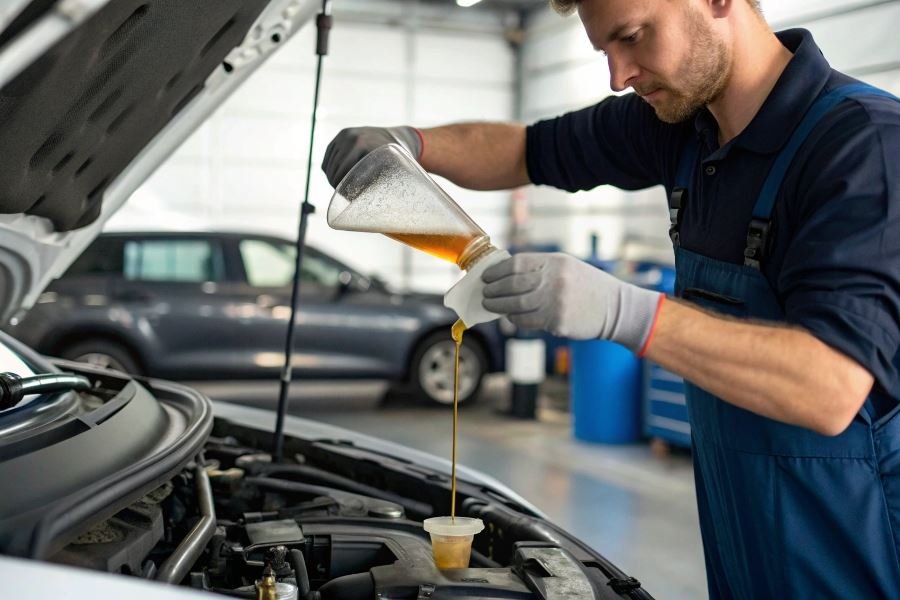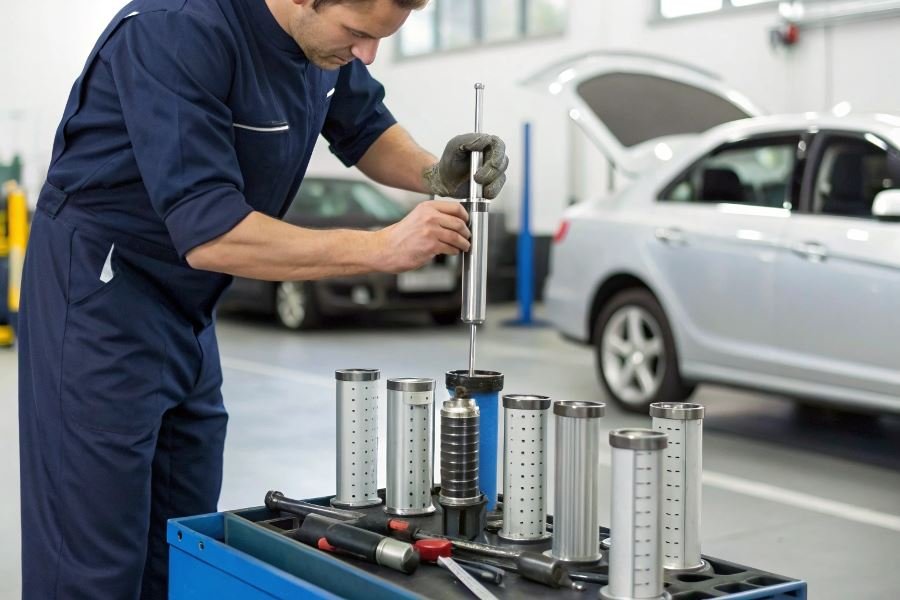
Ever watched a master mechanic measure transmission fluid with the precision of a surgeon? That’s not just showing off—it’s the difference between a vehicle that purrs like a kitten and one that leaves your customer stranded on the highway. In auto repair, precision isn’t just preferred—it’s essential.
The humble measuring container might seem like the least exciting tool in your garage, but it’s secretly the unsung hero of quality repairs. From graduated cylinders that measure brake fluid to calibrated beakers for oil additives, these tools transform guesswork into science.
The right measurement tools don’t just prevent waste—they protect engines. Consider this: overfilling engine oil by just 20% can create excessive crankcase pressure, leading to blown seals and gaskets. Meanwhile, a 10% undermeasurement of transmission fluid can accelerate wear by up to 300% on critical components. These aren’t just numbers—they’re the difference between a one-time repair and a customer who never returns.
Beyond accuracy, proper measuring containers dramatically improve workflow efficiency. Technicians using standardized measurement systems complete fluid-related repairs an average of 22% faster than those “eyeballing it.” That translates directly to more completed jobs and higher revenue.
The best auto shops understand that precision measurement isn’t an expense—it’s an investment that pays dividends with every vehicle that leaves the bay.
Precision Tools for Professional Mechanics
When accuracy meets efficiency in the workshop, the right measuring containers become invaluable assets. Professional auto repair shops rely on precise fluid measurements for everything from oil changes to transmission services. The difference between a properly functioning vehicle and a costly repair often comes down to milliliters of fluid.
The automotive repair industry has evolved significantly, with types of measuring containers for auto repair shops becoming increasingly specialized to meet the demands of modern vehicles. Today’s mechanics need tools that deliver both accuracy and efficiency, especially when working with expensive synthetic fluids or additives where exact measurements directly impact performance and longevity.
Graduated Cylinders and Beakers
Graduated cylinders stand as the gold standard for precision in fluid measurement. These tall, narrow containers typically feature measurement markings in milliliters and ounces, allowing mechanics to measure with accuracy down to 1ml.
High-quality borosilicate glass cylinders offer superior chemical resistance and temperature stability, making them ideal for measuring corrosive fluids like battery acid or brake fluid.
For everyday use, many professionals prefer:
| Material | Benefits | Best Applications |
|---|---|---|
| Polypropylene | Chemical resistant, unbreakable | General fluids, coolants |
| Glass | Precision markings, transparency | Brake fluid, additives |
| Metal | Durability, heat resistance | Oil, transmission fluid |
Laboratory-grade beakers complement cylinders with their wider openings and pour spouts. These versatile containers from brands like Pyrex or Kimax allow for easier mixing of additives and temporary fluid storage during complex procedures.
Oil Drain Pans with Measurement Markings
Modern drain pans have evolved far beyond simple collection containers. Calibrated drain pans now feature:
- Measurement graduations along the interior walls
- Anti-splash designs with sealed edges
- Integrated funnels for clean transfers
- Capacity indicators for quick reference
These intelligent designs from manufacturers like Lumax allow mechanics to simultaneously drain and measure used oil, immediately identifying potential consumption issues or leaks based on volume discrepancies.
The ability to measure while draining saves valuable time during routine maintenance while providing diagnostic information about engine health.
Calibrated Fluid Transfer Systems
The most significant advancement in shop fluid management comes in the form of precision dispensing systems. These comprehensive solutions include:
Digital metered pumps that deliver exact quantities with push-button simplicity. Systems from Graco can dispense preset amounts of transmission fluid or differential oil with accuracy within 0.01 quarts.
Calibrated hand pumps with integrated measurement chambers allow for controlled dispensing without electricity. These manual systems excel in mobile service applications or in tight engine compartment spaces.
Pressurized fluid dispensers combine measurement precision with efficient delivery. These systems use compressed air to push measured amounts of fluid through specialized nozzles, reaching difficult areas like CVT transmissions or sealed cooling systems.
The investment in quality measuring containers pays dividends through reduced waste, improved service accuracy, and enhanced customer confidence. When precision matters—and in automotive repair, it always does—having the right measurement tools isn’t just convenient; it’s essential.
Specialized Measuring Containers That Transform Auto Repairs
Digital Precision Revolution
The modern auto repair shop has evolved far beyond the days of eyeballing fluid levels. Digital and electronic fluid measurement systems now represent the gold standard for precision in automotive maintenance. These sophisticated tools combine accuracy with efficiency, allowing technicians to measure fluids with tolerances as tight as 0.01 ounces.
DynaFluid Pro systems exemplify this evolution, featuring touchscreen interfaces that track dispensed quantities in real-time. What makes these systems truly revolutionary is their ability to store measurement data, creating comprehensive service records that track fluid consumption patterns across multiple vehicle services.
The integration of Bluetooth connectivity enables these measuring systems to communicate directly with shop management software, eliminating manual data entry and reducing human error by up to 87% according to industry studies.
“Precision isn’t just about getting measurements right—it’s about building customer trust through demonstrable accuracy.”
Most advanced systems now include programmable presets for common service requirements, allowing technicians to dispense exact manufacturer-specified quantities with a single button press. This technology has reduced fluid waste by approximately 23% in shops that have adopted these systems.
Fluid-Specific Containers That Matter
Different automotive fluids demand specialized handling, which has driven the development of purpose-built containers for critical maintenance fluids:
| Fluid Type | Container Features | Material Requirements |
|---|---|---|
| Brake Fluid | Moisture-resistant seals, UV protection | High-density polyethylene |
| Transmission Fluid | Temperature-stable, graduated markings | Chemical-resistant polymers |
| Coolant | Anti-spill spouts, mixture ratio indicators | Non-reactive plastics |
Brake fluid containers from StopTech feature hermetic seals that prevent moisture contamination—critical since brake fluid can absorb atmospheric moisture at rates up to 3% annually, compromising braking performance. These containers typically include specialized narrow spouts designed to access the master cylinder without spillage.
Transmission fluid measurement tools have evolved to include temperature compensation scales, acknowledging that fluid volume changes with temperature. The most advanced containers feature dual-scale markings that account for hot and cold measurement differences.
Coolant containers now commonly incorporate built-in hydrometers that measure glycol concentration, ensuring proper freeze protection levels without requiring separate testing equipment. CoolMaster containers even feature color-changing indicators that verify the coolant hasn’t degraded beyond serviceable limits.
Maintaining Measurement Integrity
The precision of measuring equipment deteriorates over time without proper maintenance and calibration. Industry standards now recommend:
- Quarterly calibration checks using certified reference standards
- Daily cleaning protocols to prevent cross-contamination between fluid types
- Dedicated storage areas that protect containers from temperature extremes
Digital measurement systems require firmware updates that incorporate the latest fluid specifications from vehicle manufacturers. The MetroCal certification program has emerged as the industry benchmark, providing standardized calibration procedures that ensure measurement accuracy across all shop equipment.
Temperature fluctuations can significantly impact measurement accuracy, with studies showing that a 20°F change can alter volume measurements by up to 1.5%. Leading shops now maintain climate-controlled measurement stations to eliminate this variable.
The investment in proper maintenance pays dividends—properly calibrated equipment reduces comeback rates by approximately 14% for fluid-related services, directly impacting both shop profitability and reputation.
Discover the essential measuring containers every auto repair shop needs for precision fluid management. From graduated cylinders to digital systems, learn how proper measurement tools improve repair quality and efficiency.
Discover the essential measuring containers every auto repair shop needs for precision fluid management. From graduated cylinders to digital systems, learn how proper measurement tools improve repair quality and efficiency.