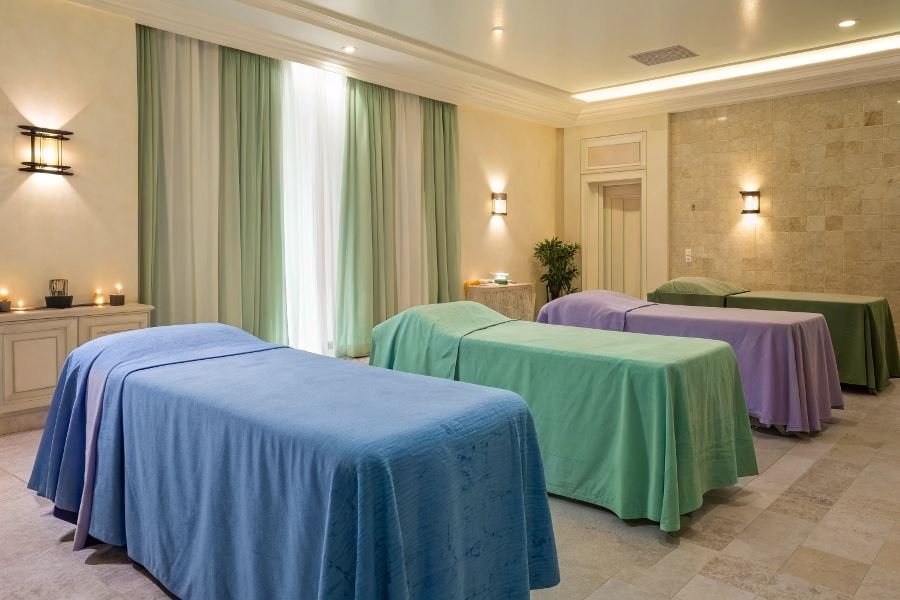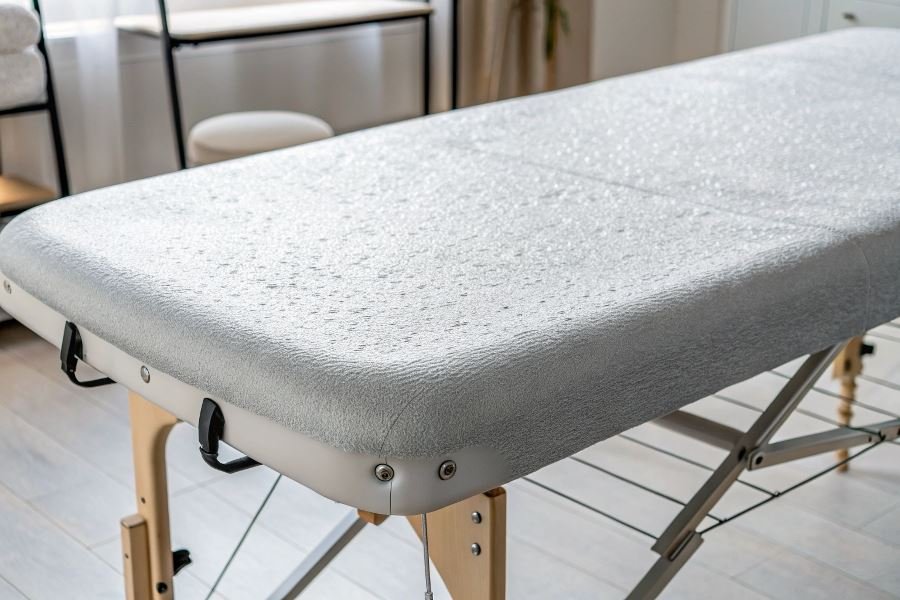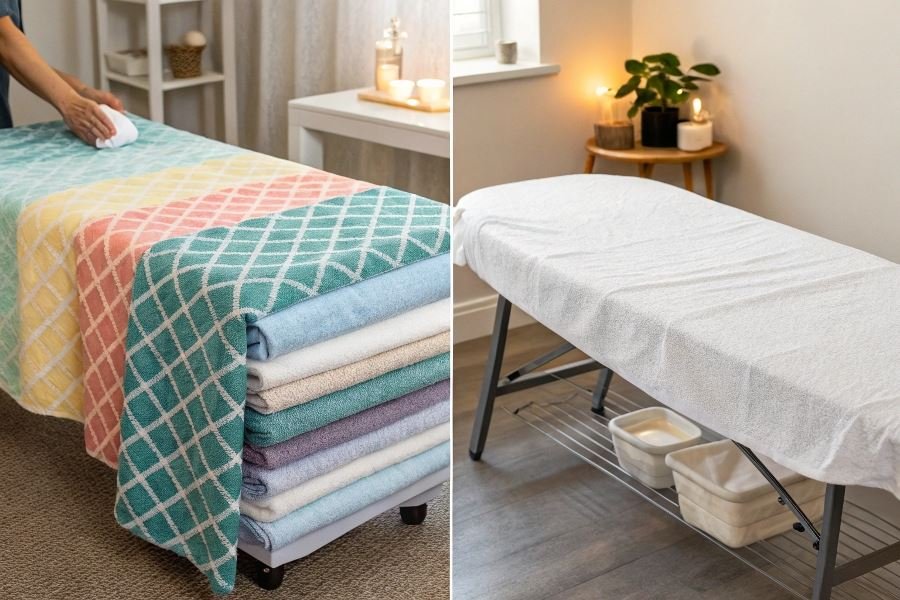
Ever walked into a massage therapy room and wondered what’s actually touching your skin? The answer matters more than you might think. Behind every professional massage experience lies a critical decision that impacts hygiene, costs, and environmental footprint.
The massage industry currently faces a pivotal choice between two dominant options: reusable fabric covers that can be washed hundreds of times, and single-use disposable sheets that offer convenience at a different cost. Market research shows the industry split, with high-volume spas often preferring disposables while private practitioners frequently opt for reusables that can save thousands of dollars annually.
Setting dictates strategy. A busy medical massage clinic handling 40+ clients daily faces dramatically different needs than a boutique practice specializing in monthly deep tissue work. The right cover choice depends on your specific practice environment, client volume, and operational workflow.
When deciding between reusable and disposable options, successful practitioners consider three critical factors:
- Economic impact – Initial investment versus long-term operational costs
- Environmental considerations – Waste generation versus water/energy usage
- Client experience – Texture, comfort, and perceived cleanliness
“The cover you choose isn’t just a practical decision—it’s a statement about your business values and priorities,” notes one industry consultant who has helped hundreds of practices optimize their operations.
The choice between reusable and disposable isn’t merely practical—it’s increasingly becoming part of a practice’s brand identity and operational philosophy.
The Economics and Ethics of Massage Table Covers
When setting up a massage practice, the decision between reusable and disposable covers for massage tables represents more than just a practical choice—it’s a statement about your business values and operational strategy. Massage therapists face this crucial decision that impacts their bottom line, environmental footprint, and client safety standards.
The massage industry continues to evolve with practitioners constantly evaluating their options for table covers. Reusable vs disposable covers for massage tables: what to choose often comes down to balancing immediate costs against long-term value, while considering hygiene standards and environmental responsibility. This decision affects everything from daily operations to client perceptions of your business.
Initial Investment vs Long-Term Value
Reusable covers require a higher upfront investment—typically $30-80 per premium cotton or microfiber cover. However, this cost amortizes over hundreds of sessions:
| Cover Type | Initial Cost | Cost Per Use (200 sessions) | Replacement Frequency |
|---|---|---|---|
| Premium Reusable | $50 | $0.25 | 1-2 years with proper care |
| Basic Disposable | $0.75-1.50 each | $0.75-1.50 | Every session |
The financial equation shifts dramatically when factoring in laundry expenses. A commercial laundry service might charge $1-2 per cover, while in-house laundering adds utility costs and staff time. Despite these ongoing expenses, reusable covers typically become cost-effective after 40-60 sessions.
Disposable covers eliminate laundering costs but create a perpetual expense that increases proportionally with business volume. For high-volume practices performing 20+ sessions weekly, disposables can represent a $1,500+ annual expense that never diminishes.
Environmental Footprint Comparison
The environmental calculus reveals significant differences:
Disposable covers generate approximately 20-30 pounds of waste annually per massage table in regular use. This waste typically consists of:
- Non-biodegradable synthetic materials
- Paper products with limited recycling potential
- Packaging waste from frequent reordering
Reusable covers create environmental impacts through:
- Water consumption (approximately 15-20 gallons per washing cycle)
- Energy usage for washing and drying
- Detergent environmental impacts
However, a 2019 lifecycle assessment published in the Journal of Cleaner Production found that reusable textile products typically produce 60-70% less carbon emissions compared to their disposable counterparts when used for their full lifespan.
Hygiene and Sanitation Effectiveness
Both options can meet professional sanitation standards when properly utilized:
Disposable covers offer:
- Guaranteed single-use sterility
- Elimination of cross-contamination risk
- No concerns about inadequate laundering
Reusable covers provide:
- Equal sanitation when properly laundered at 140°F+ with appropriate detergents
- Better absorption of oils and products
- Superior comfort and temperature regulation for clients
The American Massage Therapy Association acknowledges both approaches as viable when following proper protocols. The critical factor isn’t which type you choose, but rather the consistent implementation of sanitation procedures.
For practices serving immunocompromised clients or those in medical settings, a hybrid approach often works best—using reusable covers for standard sessions while keeping disposables available for specific situations requiring enhanced infection control.
Making the Right Cover Choice for Your Massage Practice
Selecting between reusable and disposable covers for your massage tables isn’t just about preference—it’s a strategic business decision that affects your bottom line, client experience, and operational efficiency. Let’s dive into a practical framework that will help you make the optimal choice for your specific practice needs.
Aligning with Your Practice Profile
The volume and type of clients you serve should heavily influence your cover selection:
High-volume practices (15+ clients daily) often benefit from disposable covers due to quick turnover requirements. When you’re running back-to-back sessions, the 30-45 seconds needed to apply a fresh disposable sheet beats the 3-5 minutes required to properly change and secure fitted reusable covers.
Specialty services create unique demands. Practices offering deep tissue massage with significant oil usage might prefer reusable covers with higher absorbency ratings. Meanwhile, medical massage therapists working in clinical settings typically opt for disposable covers that align with healthcare sanitation protocols.
Consider your client demographic as well:
| Client Type | Preferred Cover | Primary Reason |
|---|---|---|
| Luxury spa clients | Premium reusable | Enhanced comfort experience |
| Clinical patients | Disposable | Perceived hygiene standards |
| Sports massage | Heavy-duty reusable | Durability during intense sessions |
| Mobile massage | Disposable | Convenience and portability |
Real-world Maintenance Considerations
The practical implementation of either system requires honest assessment of your operational capabilities:
Reusable covers demand a robust laundry system. You’ll need:
- Minimum 3x cover sets per table (one in use, one in laundry, one in reserve)
- Commercial-grade washing machine access
- Dedicated storage space for clean linens
- Proper folding and handling protocols to prevent wrinkles
Disposable covers require different logistics:
- Adequate storage space for bulk purchases
- Reliable supply chain (recent supply disruptions have taught hard lessons)
- Waste management solutions
- Temperature-controlled storage to prevent deterioration
Beyond the obvious, consider hidden maintenance factors. Reusable covers typically need replacement every 100-150 washes, while disposable systems eliminate this concern but generate approximately 1.5 pounds of waste per client session.
Business-specific Recommendations
Based on practice profiles, here’s when each option shines:
Reusable covers excel for:
- Established practices with predictable client flow
- Businesses with on-site laundry capabilities
- Eco-conscious brands where sustainability is part of the value proposition
- Practices in locations with high waste disposal costs
- Therapists focusing on premium client experiences
Disposable covers make more sense for:
- New practices with fluctuating client numbers
- Mobile therapists working across multiple locations
- Practices with limited storage or without laundry access
- High-volume clinics prioritizing rapid room turnover
- Therapists offering services with significant bodily fluids (sports massage, prenatal)
The most successful practices often implement a hybrid approach—using reusable covers for standard sessions while keeping disposables on hand for specific treatments or unexpected situations.
Remember that your cover choice becomes part of your brand experience. The tactile sensation of premium cotton reusables or the clinical reassurance of fresh disposables both communicate distinct messages about your practice’s values and priorities.
Discover the pros and cons of reusable vs disposable massage table covers in this comprehensive guide. Compare costs, environmental impact, and hygiene factors to make the best choice for your massage practice needs.
Discover the pros and cons of reusable vs disposable massage table covers in this comprehensive guide. Compare costs, environmental impact, and hygiene factors to make the best choice for your massage practice needs.