What if I told you the buzzing coil machines that defined tattooing for over a century are rapidly becoming relics? The tattoo industry is experiencing a seismic shift as wireless technology transforms how artists create permanent art on skin.
The evolution of tattoo machines tells a fascinating story of innovation. From Samuel O’Reilly’s electric pen-inspired coil machine patented in 1891 to today’s sophisticated wireless devices, we’ve witnessed remarkable progression. Traditional machines required artists to manage power cords that often restricted movement and created workspace clutter. Now, battery-powered wireless machines offer unprecedented freedom.
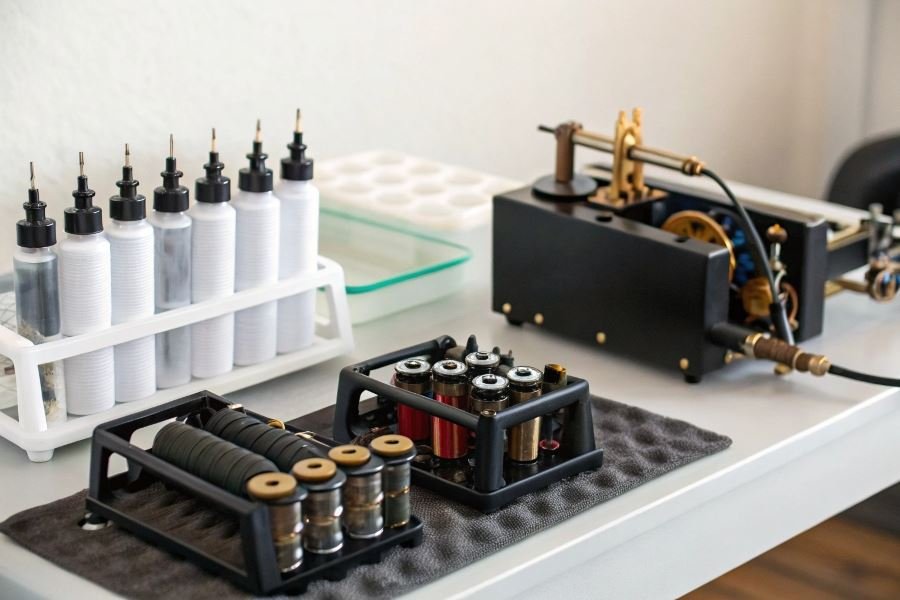
Modern wireless tattoo machines function through rechargeable lithium-ion batteries that power compact motors, eliminating the need for external power supplies. These devices typically offer 6-10 hours of continuous operation on a single charge, with adjustable voltage settings controlled through digital interfaces or smartphone apps.
Market adoption: Faster than expected
Professional adoption rates have surprised industry veterans. According to recent surveys, approximately 38% of established tattoo artists have incorporated wireless machines into their regular rotation—a number that’s doubled since 2021. This trend is particularly pronounced among artists specializing in fine-line work and color realism, where precision and maneuverability are paramount.
The market reflects this shift, with major manufacturers reporting double-digit growth in wireless machine sales. While traditional machines aren’t disappearing, the industry is clearly embracing the wireless future—balancing respect for tradition with the undeniable advantages of technological progress.
Freedom Unleashed: The Performance Edge of Wireless Tattoo Machines
The tattoo industry has witnessed a revolutionary shift with the introduction of wireless tattoo machines. These cordless wonders have transformed how artists approach their craft, offering unprecedented freedom and performance capabilities. When examining wireless tattoo machines: advantages and disadvantages become apparent, but the benefits for professional artists are particularly compelling when it comes to mobility and precision.
Movement Without Boundaries
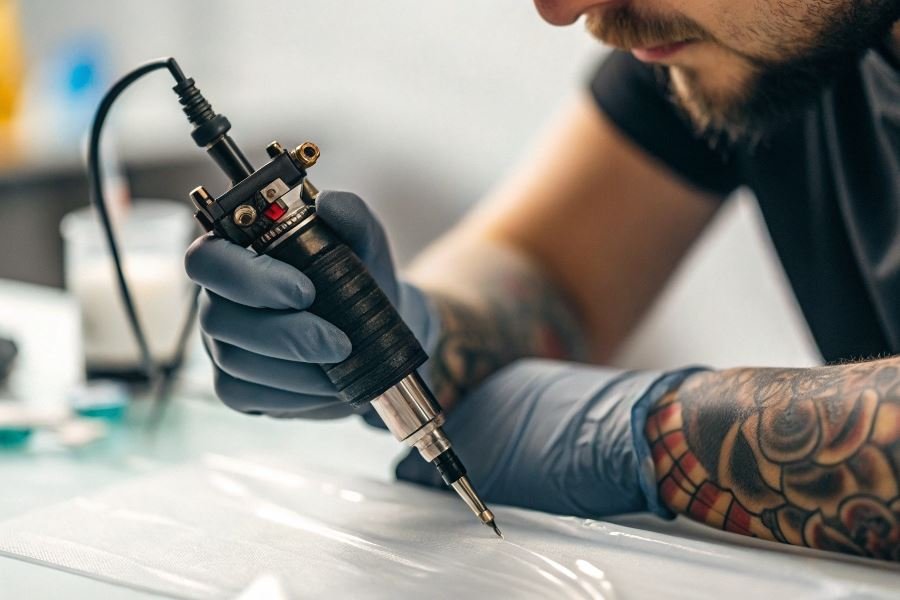
Wireless tattoo machines liberate artists from the physical constraints that have defined tattooing for decades. The absence of power cords creates an entirely new working experience, allowing tattooists to position themselves optimally around clients without awkward cord management.
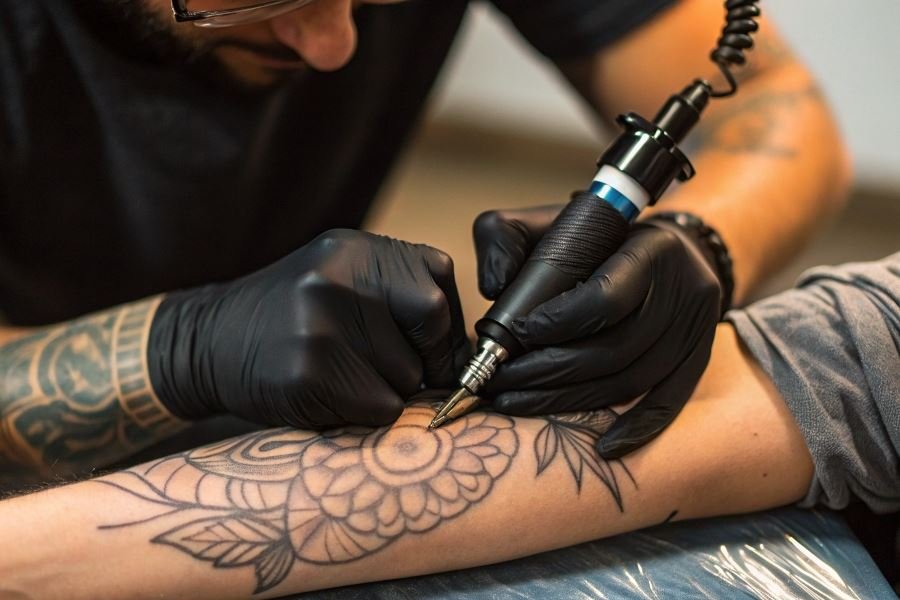
Ergonomic freedom translates directly to artistic expression. Artists using wireless machines like the FK Irons Spektra Xion report being able to approach difficult body contours from angles previously impossible with corded machines. This freedom particularly shines when working on curved surfaces like ribcages, shoulders, and other challenging anatomical features.
The difference is most noticeable during complex sessions requiring frequent position changes—artists can maintain flow rather than constantly adjusting cords.
Defeating Artist Fatigue
Long tattoo sessions can be physically demanding, with hand and wrist fatigue representing a significant occupational hazard for professionals. Wireless machines address this concern through:
- Reduced overall weight – Modern wireless machines typically weigh 30-40% less than traditional coil machines
- Balanced weight distribution – Without cords pulling down on one side
- Elimination of cord resistance – No constant tension fighting against hand movements
These factors combine to dramatically reduce the physical strain during extended sessions. Artists working 6+ hour pieces report significantly less hand cramping and greater stamina when using quality wireless options.
Precision Through Liberation
Perhaps the most significant performance advantage comes from eliminating cord drag—that subtle but constant resistance that can affect line quality and detail work.
| Performance Factor | Corded Experience | Wireless Experience |
|---|---|---|
| Line Consistency | Variable resistance | Consistent control |
| Fine Detail Work | Cord tension affects precision | Unimpeded movement |
| Shading Gradients | Requires compensation for drag | Natural hand motion |
This freedom translates directly to improved precision, particularly noticeable in:
- Microdetailing – Tiny elements in realistic portraits benefit from the absence of cord resistance
- Smooth color packing – Even saturation becomes easier without fighting cord tension
- Long, sweeping lines – The natural flow of unimpeded movement creates smoother results
Artists specializing in photorealism and fine-line work have been among the earliest adopters of wireless technology, recognizing how the elimination of cord drag directly enhances their ability to create precise, detailed work.
The performance advantages of wireless machines extend beyond convenience—they represent a fundamental improvement in how artists can approach their craft, offering freedom of movement that directly translates to better tattoo results.
The Hidden Costs of Wireless Freedom
Wireless tattoo machines represent a revolutionary shift in the industry, but like any technological advancement, they come with tradeoffs that deserve careful consideration. While the freedom of movement is undeniable, several practical limitations can impact your tattooing experience in significant ways.
Battery anxiety is real
The most immediate concern with wireless tattoo machines is battery life. Most premium models like the FK Irons Spektra Xion offer 4-8 hours of runtime, but this varies dramatically based on usage patterns. Running at higher voltages for shading work can drain batteries twice as fast as lining at lower voltages.
Reality check: Nothing disrupts artistic flow like watching your battery indicator blink red during a complex piece.
Many artists report developing “battery anxiety” – constantly checking power levels and adjusting their work pace to conserve energy. Some professionals have adopted strategic approaches:
- Keeping backup battery packs charged and ready
- Scheduling breaks around charging needs
- Adjusting machine settings to optimize power consumption
The mid-session charging dilemma presents a particularly thorny problem. Plugging in during a session defeats the purpose of wireless freedom, yet running out of power can delay appointments and frustrate clients.
Premium technology commands premium prices
The financial investment required for quality wireless equipment represents another significant hurdle. The price comparison tells a clear story:
| Machine Type | Average Price Range | Additional Costs |
|---|---|---|
| Traditional Coil | 150−400 | Clip cords ($15-30) |
| Traditional Rotary | 300−600 | Power supplies ($150-300) |
| Wireless Rotary | 650−1,200 | Extra batteries ($80-150 each) |
Beyond the initial purchase, wireless systems often require specialized components that can’t be substituted with standard parts. When factoring in backup batteries, proprietary charging stations, and the potential need for replacement parts, the total investment can be substantially higher than traditional setups.
The weight and balance equation
Perhaps the most underappreciated challenge involves the ergonomic differences between wired and wireless machines. Traditional machines distribute weight differently, with the cord acting as a counterbalance and power source located separately.
Wireless machines must contain:
- Battery components
- Wireless circuitry
- Motor systems
- All in a single handheld unit
This integration creates a noticeably different weight distribution that can affect precision and control. Many veteran artists report needing 2-3 weeks of regular use before achieving the same level of comfort and control they had with traditional machines.
The adaptation period isn’t merely about comfort—it directly impacts work quality. Hand fatigue can set in more quickly with some wireless models, particularly during longer sessions, potentially affecting line quality and detail work.
Despite these challenges, many professionals find the advantages outweigh the disadvantages once they’ve adapted their workflow and expectations. The key is approaching wireless technology with a clear understanding of these practical limitations rather than viewing wireless capability as an unqualified improvement over traditional systems.
Discover the evolution of wireless tattoo machines and their impact on the industry. Explore the freedom of movement they offer against battery life concerns, helping you decide if cordless technology fits your tattooing style.
Discover the evolution of wireless tattoo machines and their impact on the industry. Explore the freedom of movement they offer against battery life concerns, helping you decide if cordless technology fits your tattooing style.