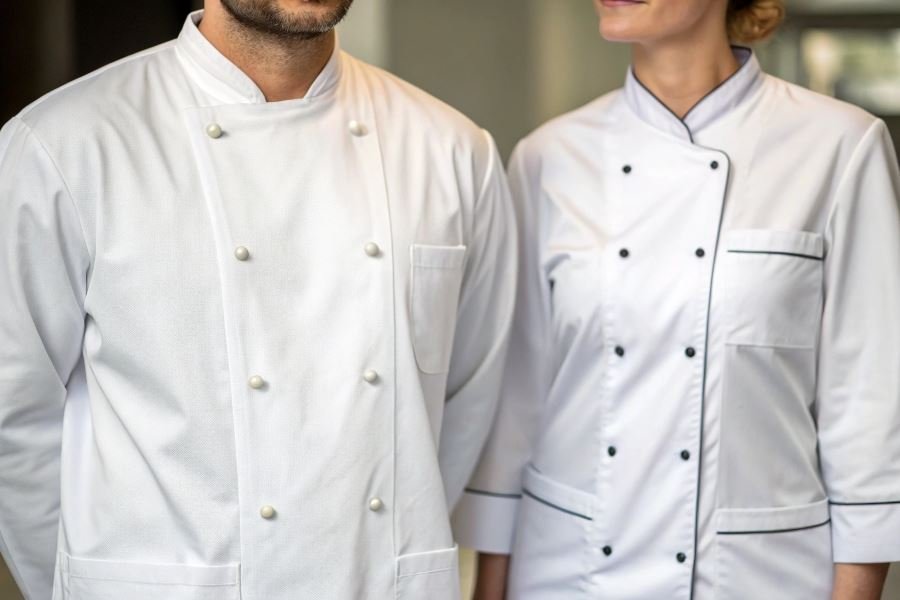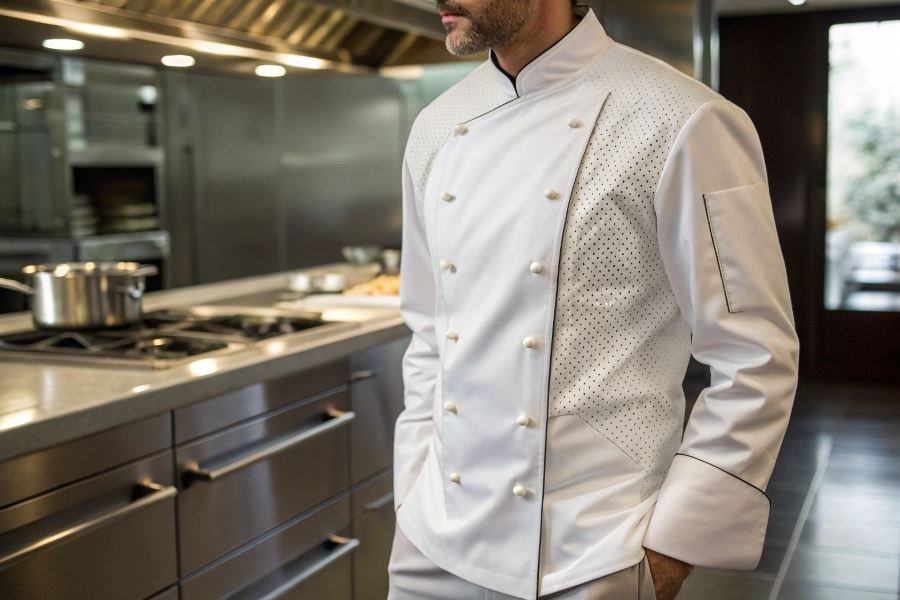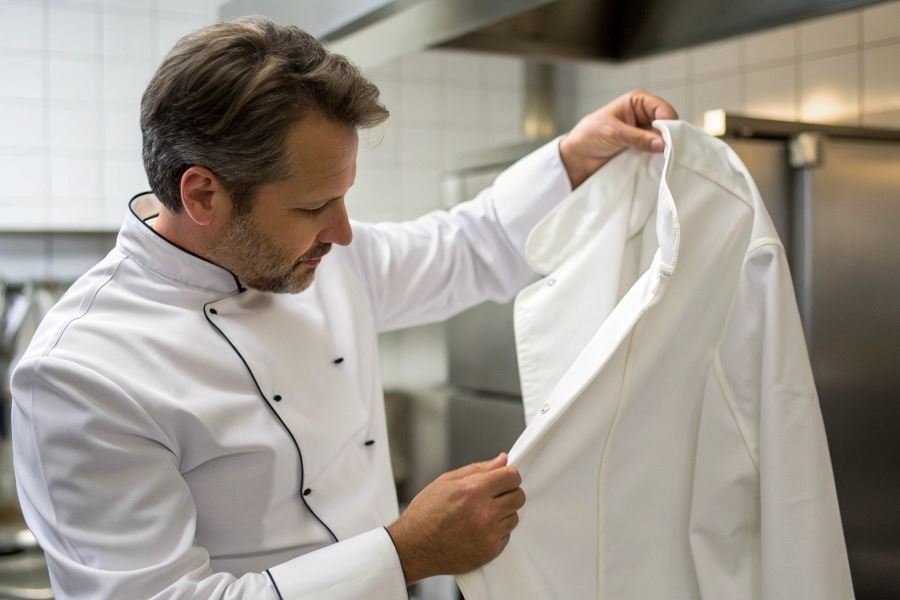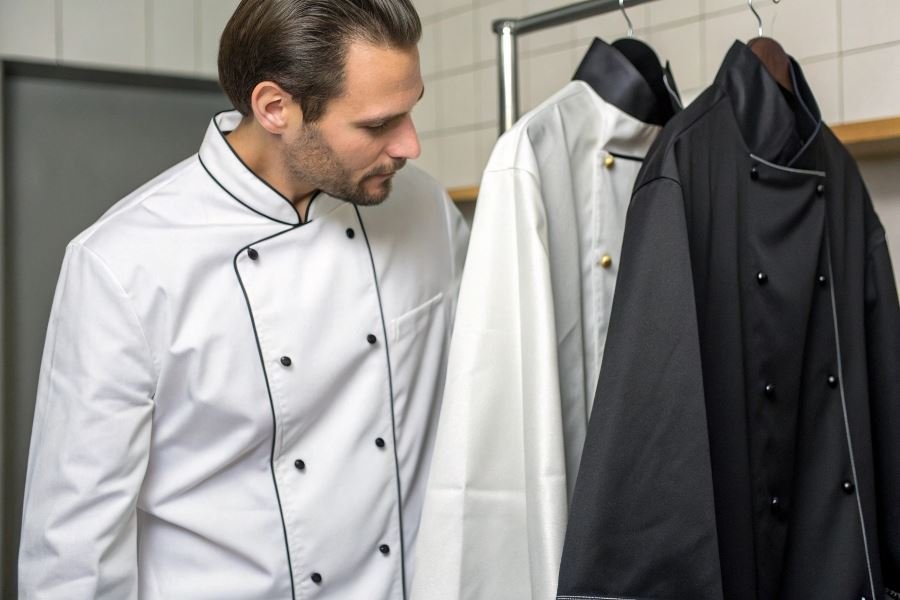
Ever watched a chef move through the chaos of a professional kitchen during the dinner rush? That pristine white jacket isn’t just for show—it’s a critical piece of equipment that stands between success and disaster. The right chef jacket material can mean the difference between focused creativity and distracted discomfort during those grueling 12-hour shifts.
Behind every great culinary creation stands a chef whose performance depends partly on what they’re wearing. The top materials—cotton, polyester-cotton blends, and performance fabrics—each bring distinct advantages to the kitchen battlefield. While cotton breathes beautifully during summer service, performance fabrics might save you during those sweltering moments near the salamander.
When evaluating chef jacket materials, three factors reign supreme: durability to withstand constant washing and kitchen hazards, comfort that allows unrestricted movement during precise tasks, and temperature regulation that keeps you focused when the kitchen hits 100°F. The best jackets balance these elements while considering the specific demands of your kitchen environment.
The material against your skin affects everything from your focus to your stamina. Professional chefs understand this intimately—your jacket isn’t merely uniform; it’s equipment that directly impacts your performance when every second and every movement counts.
The Fabric of Excellence: Chef Jacket Materials That Matter
Professional chefs know that their uniform is more than just a dress code—it’s a functional tool that impacts their performance during long, demanding shifts. The material of a chef’s jacket plays a crucial role in comfort, durability, and professional appearance in the high-pressure kitchen environment.
When examining the top 3 materials for chef jackets: advantages and disadvantages, we find that each fabric option offers distinct benefits that cater to different kitchen environments and chef preferences. The right choice can make the difference between focusing on culinary masterpieces or being distracted by discomfort during a busy service.
Let’s slice into the specifics of each material option:
Cotton: The Culinary Classic
Cotton remains the gold standard for traditional chef jackets, and for good reason. This natural fiber offers exceptional breathability that keeps chefs comfortable during long shifts in hot kitchens.
Key advantages:
- Superior air circulation
- Excellent heat resistance
- Natural feel against skin
- Becomes softer with each wash
- Biodegradable and sustainable
However, cotton isn’t without drawbacks. Pure cotton jackets wrinkle easily, requiring more ironing and maintenance. They also take longer to dry after washing and may shrink if not properly cared for.
| Cotton Properties | Rating (1-5) |
|---|---|
| Breathability | ★★★★★ |
| Durability | ★★★ |
| Stain Resistance | ★★ |
| Maintenance | ★★ |
| Comfort | ★★★★★ |
Poly-Cotton Blends: The Practical Performer
Polyester-cotton blends (typically 65% polyester/35% cotton) have become increasingly popular in professional kitchens, striking an impressive balance between comfort and practicality.
Why chefs love these blends:
- Enhanced durability compared to pure cotton
- Better stain resistance
- Quicker drying time
- Less shrinkage
- Reduced wrinkles and easier maintenance
The polyester component adds strength and stain resistance, while the cotton portion maintains a level of breathability. This combination makes poly-cotton blends particularly well-suited for busy commercial kitchens where jackets undergo frequent washing.
The primary drawback? These blends don’t breathe quite as well as 100% cotton, which can be noticeable during particularly intense kitchen sessions.
| Poly-Cotton Properties | Rating (1-5) |
|---|---|
| Breathability | ★★★ |
| Durability | ★★★★ |
| Stain Resistance | ★★★★ |
| Maintenance | ★★★★ |
| Comfort | ★★★★ |
Performance Fabrics: The Modern Marvel
The latest evolution in chef wear incorporates advanced performance fabrics specifically engineered for the demands of professional kitchens.
Cutting-edge benefits:
- Superior moisture-wicking technology
- Enhanced temperature regulation
- Maximum stretch and mobility
- Antimicrobial properties
- Quick-dry capabilities
These high-tech materials actively pull moisture away from the body, helping chefs stay cool and comfortable even in the most demanding kitchen environments. Many performance fabrics also incorporate antimicrobial treatments that reduce odor-causing bacteria—a significant advantage during long shifts.
The innovation comes at a price, though. Performance fabric jackets typically command a premium price point compared to traditional options, and some chefs find they lack the classic, professional appearance of traditional cotton jackets.
| Performance Fabric Properties | Rating (1-5) |
|---|---|
| Breathability | ★★★★ |
| Durability | ★★★★★ |
| Stain Resistance | ★★★★★ |
| Maintenance | ★★★★★ |
| Comfort | ★★★★ |
The ideal chef jacket material ultimately depends on your specific kitchen environment, personal preferences, and budget considerations. Many professional chefs maintain multiple jackets in different materials to suit various cooking scenarios and seasons.
Making the Right Choice: Chef Jacket Materials for Every Kitchen
Material Performance Across Kitchen Environments
The environment where a chef works dramatically influences which jacket material will serve them best. In high-heat kitchens with open flames and grills, cotton’s natural flame resistance makes it the safer choice. Cotton breathes well in these inferno-like conditions but can become uncomfortably heavy when soaked with sweat.
Polyester blends shine in busy service environments where chefs move constantly between hot line cooking and cooler prep areas. These materials wick moisture efficiently while maintaining a crisp appearance throughout long shifts. However, they can melt when exposed to direct flames—a serious consideration for grill stations.
Egyptian cotton stands out in exhibition kitchens where chefs interact with guests. Its premium appearance holds up beautifully under bright lighting while providing comfort during lengthy service periods. One executive chef at a renowned Las Vegas restaurant noted, “My Egyptian cotton jacket stays looking pristine even after eight hours in front of customers.”
Chef’s insight: Kitchen temperature should be your first consideration when selecting jacket material. The difference between a 90°F and 110°F kitchen environment can make certain materials unbearable.
Cost-Benefit Analysis of Chef Jacket Materials
When evaluating the true cost of chef jackets, initial purchase price tells only part of the story:
| Material | Average Price | Lifespan | Cost Per Year | Maintenance Requirements |
|---|---|---|---|---|
| Standard Cotton | $30-60 | 1-2 years | $30-60 | Medium (frequent washing, ironing) |
| Poly-Cotton Blend | $40-80 | 2-3 years | $20-40 | Low (minimal ironing, quick-dry) |
| Egyptian Cotton | $80-150 | 3-5 years | $27-50 | High (careful washing, pressing) |
The poly-cotton blend offers the best long-term value for most working chefs, with its reasonable upfront cost and extended lifespan. While Egyptian cotton jackets command premium prices, their durability and professional appearance can justify the investment for chefs in upscale establishments.
Standard cotton jackets, despite their lower initial cost, often require replacement more frequently due to staining, fading, and fabric breakdown—particularly in high-volume operations where daily washing is necessary.
Tailored Recommendations for Culinary Professionals
For Executive Chefs and Restaurant Owners: Egyptian cotton jackets represent your establishment’s quality standards. The refined appearance and durability justify the higher investment, particularly when client-facing responsibilities are frequent.
For Line Cooks and Kitchen Staff: Poly-cotton blends (65% polyester/35% cotton) deliver the best balance of comfort, durability and value. These workhorses stand up to intense kitchen conditions while requiring minimal maintenance between shifts.
For Culinary Students: Standard cotton jackets provide adequate performance at entry-level prices. The natural breathability helps during long classroom sessions, though expect to replace them as you advance professionally.
For Pastry Chefs: Lightweight cotton or high-quality poly-cotton blends work best in cooler pastry environments. The precision work requires unrestricted movement without the bulk of heavier materials.
The ideal chef jacket material ultimately depends on your specific working conditions, professional requirements, and personal comfort preferences. By matching material properties to your unique kitchen environment, you’ll ensure comfort and performance throughout even the most demanding culinary challenges.
Discover the pros and cons of cotton, polyester-cotton blends, and performance fabrics for professional chef jackets. Learn which material offers the best durability, comfort, and temperature regulation for your kitchen environment.
Discover the pros and cons of cotton, polyester-cotton blends, and performance fabrics for professional chef jackets. Learn which material offers the best durability, comfort, and temperature regulation for your kitchen environment.