Ever noticed how that striped shirt you love in July feels completely wrong in December? There’s a reason for that—and it goes far beyond fashion trends.
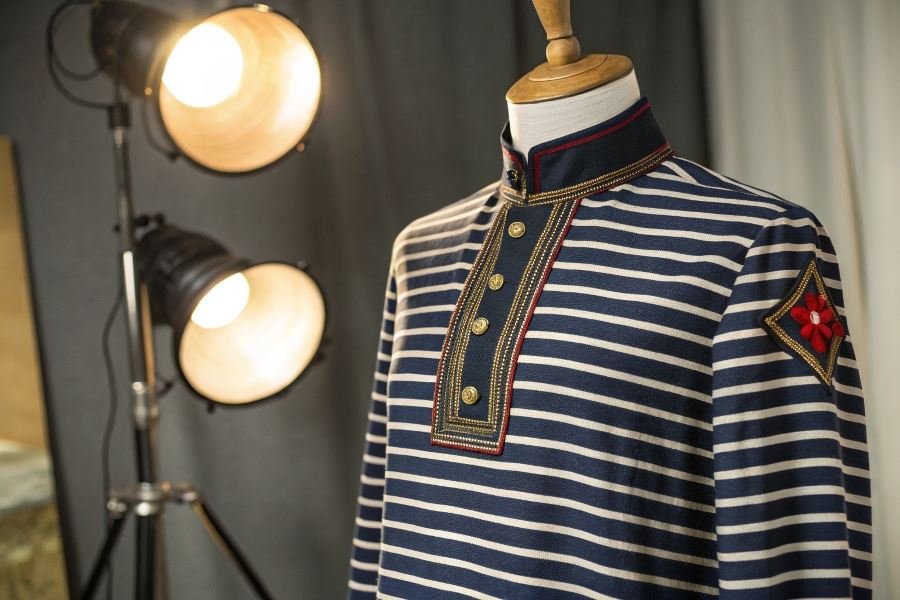
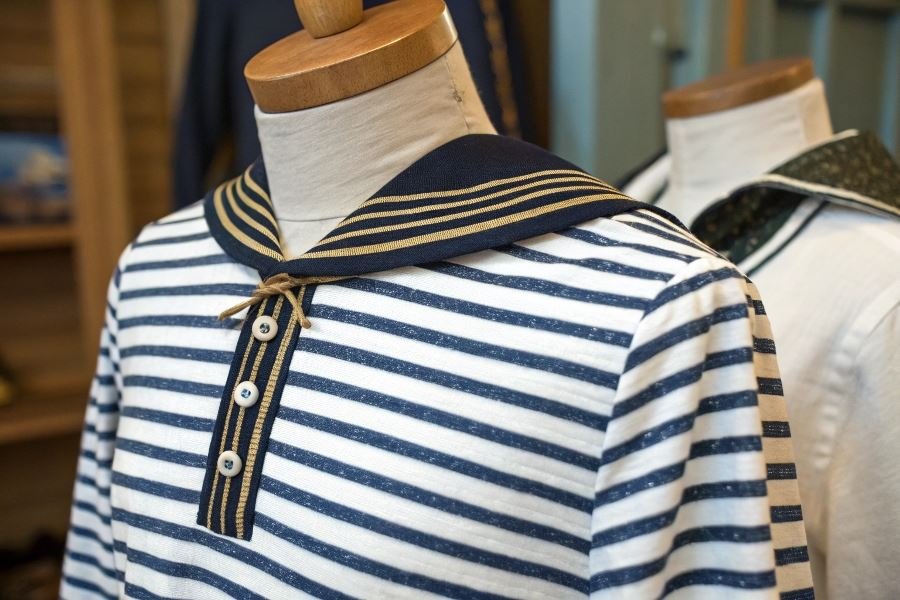
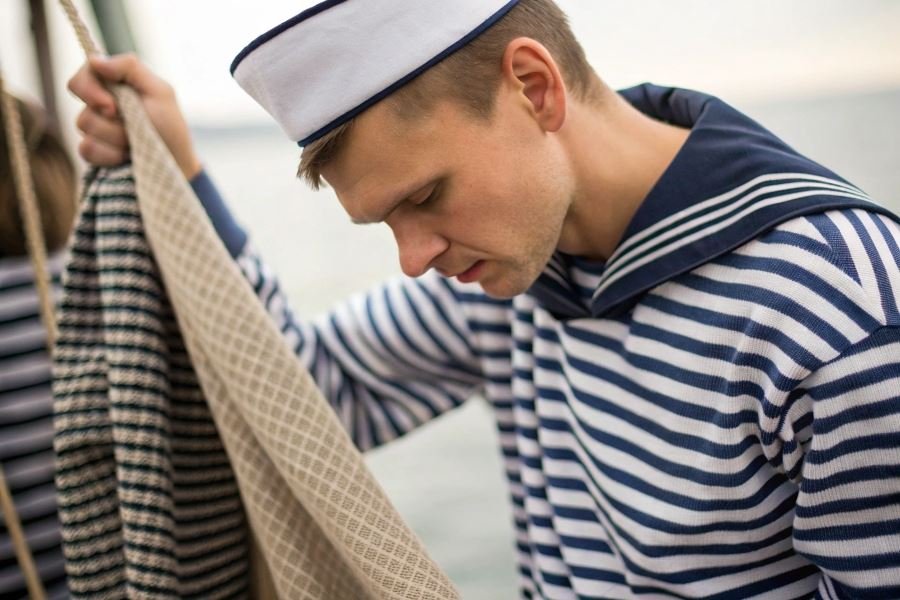
The striped shirt has traveled a remarkable journey from naval uniforms in the 19th century to today’s boardrooms and weekend getaways. What began as functional attire for French sailors (the classic Breton stripe was introduced to the French navy in 1858, with exactly 21 stripes representing Napoleon’s victories) has evolved into a versatile wardrobe essential that transcends seasons, genders, and occasions.
But not all striped shirts are created equal. The differences between summer and winter versions reflect sophisticated adaptations to both climate and lifestyle needs. Understanding these seasonal variations can transform how you build your wardrobe and significantly extend the lifespan of your favorite pieces.
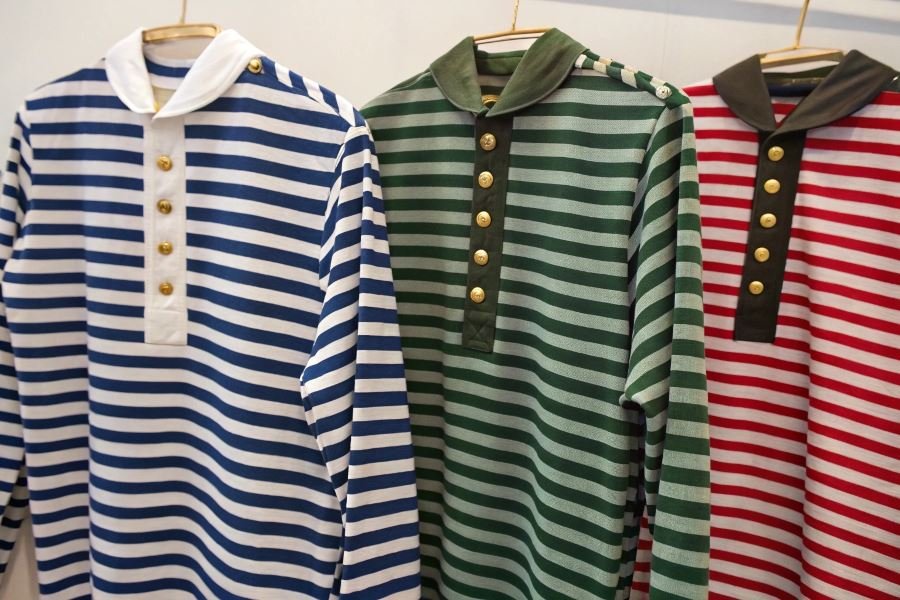
Summer striped shirts typically feature breathable, lightweight fabrics like cotton poplin or linen blends that wick moisture and allow air circulation. Their winter counterparts employ denser weaves, often incorporating materials like flannel, twill, or oxford cloth that trap heat close to the body. The color palette shifts too—summer brings vibrant blues and crisp whites, while winter embraces deeper navies, burgundies, and forest greens.
The functionality differences extend beyond mere temperature regulation. Summer shirts often feature shorter sleeves, relaxed fits, and sometimes UV protection, while winter versions provide layering potential with slightly longer tails and more structured collars that maintain shape under sweaters or jackets.
The Seasonal Striped Shirt Showdown
When it comes to wardrobe staples, striped shirts reign supreme across all seasons. Yet the differences between summer and winter striped shirts: what to pay attention to when buying can make or break your comfort and style throughout the year. Let’s dive into the essential distinctions that separate warm-weather stripes from their cold-weather counterparts.
Fabric Matters More Than You Think
The foundation of any quality shirt begins with its fabric, and seasonal variations couldn’t be more distinct:
Summer fabrics prioritize breathability and moisture management:
- Pure cotton (especially lightweight varieties at 100-120 GSM)
- Linen and linen-cotton blends offering superior ventilation
- Chambray providing the perfect balance of structure and airflow
Winter fabrics focus on insulation and comfort against the skin:
- Flannel (typically 150-170 GSM) with its brushed surface trapping heat
- Oxford cloth offering medium weight with surprising warmth
- Wool blends incorporating merino or lambswool for natural temperature regulation
| Season | Ideal Weight | Primary Fabrics | Touch Test |
|---|---|---|---|
| Summer | 100-130 GSM | Cotton, Linen | Cool, crisp |
| Winter | 150-200+ GSM | Flannel, Wool | Soft, substantial |
Construction Details That Define Seasonal Performance
The craftsmanship behind seasonal shirts reveals thoughtful engineering that goes far beyond aesthetics.
Summer construction emphasizes:
- Looser weaves allowing maximum airflow
- Single-needle stitching (7-8 stitches per inch) creating a lighter feel
- Minimal interfacing in collars and cuffs to reduce weight
- Strategic side vents promoting air circulation
Winter construction incorporates:
- Tighter weaves blocking cold air penetration
- Double-needle stitching (9-10 stitches per inch) for durability
- Reinforced collars and cuffs that maintain structure through layering
- Slightly longer tails that stay tucked when worn with multiple layers
The layering potential of winter shirts is particularly noteworthy—they’re designed with slightly more room across the shoulders and chest, accommodating undershirts or lightweight sweaters without bunching or restriction.
Design Language Speaks Volumes Across Seasons
Perhaps the most visible distinction lies in the visual presentation of seasonal stripes.
Summer stripe characteristics:
- Vibrant color palettes featuring blues, greens, and coral tones
- Wider stripe spacing (typically 4-8mm apart) creating visual lightness
- Higher contrast combinations reflecting the season’s brightness
- Occasional incorporation of textural elements like seersucker
Winter stripe characteristics:
- Rich, saturated color palettes featuring burgundy, forest green, and navy
- Denser stripe patterns (typically 2-5mm apart) creating visual warmth
- Muted contrast ratios offering sophistication and versatility
- Textural depth through brushed surfaces and heathered yarns
The pattern density difference isn’t merely aesthetic—winter’s closer-set stripes actually contribute to the garment’s perceived warmth, while summer’s more spaced patterns enhance the visual sensation of coolness.
Understanding these fundamental differences ensures you’ll select shirts that not only look appropriate for the season but perform optimally when you need them most. The next time you’re evaluating striped shirts, run your fingers across the fabric, check the construction details, and consider how the pattern density aligns with your seasonal needs.
Making the Right Investment: Seasonal Striped Shirts Worth Every Dollar
When you’re building a wardrobe that works as hard as you do, understanding the investment value of each piece becomes crucial. Striped shirts aren’t just fashion statements—they’re functional assets with different performance metrics across seasons. Let’s dive into what makes a seasonal striped shirt truly worth your investment.
Quality indicators that signal exceptional longevity
The longevity of a striped shirt isn’t accidental—it’s engineered through specific quality markers that separate premium pieces from disposable fashion.
For summer shirts, examine these critical quality indicators:
- Fiber integrity: Egyptian and Supima cotton with staple lengths exceeding 1.5 inches resist pilling even after 30+ washes
- Thread count: 80-120 threads per square inch provides breathability while maintaining structure
- Seam construction: French seams or flat-felled seams prevent fraying in high-movement areas
Winter options demand different quality benchmarks:
- Yarn thickness: Two-ply minimum construction provides insulation without bulk
- Weave density: Oxford or twill weaves offer 30-40% more warmth than poplin
- Reinforcement points: Double-stitched collars and cuffs prevent shape distortion through seasonal transitions
The difference between a shirt that lasts one season versus five years often comes down to these seemingly minor construction details that dramatically impact performance.
Versatility factors that maximize wardrobe efficiency
| Feature | Summer Versatility | Winter Versatility |
|---|---|---|
| Stripe width | Narrow (1-3mm) works across settings | Medium (4-7mm) provides visual warmth |
| Color contrast | High contrast for casual, low for business | Subdued contrast for layering flexibility |
| Cut profile | Slightly looser for ventilation | Trimmer fit accommodates underlayers |
Transitional pieces—those rare shirts that bridge seasons—typically feature:
- Medium-weight fabrics (5-7oz per yard)
- Temperature-regulating properties (wool blends or technical cottons)
- Neutral stripe colorways that work with both summer and winter palettes
Investment tip: A truly versatile striped shirt should be able to function in at least three distinct outfit combinations per season, effectively lowering your cost-per-wear by 60-70%.
Maintenance requirements across seasonal options
Summer shirts generally demand:
- More frequent washing (every 1-2 wears)
- Lower temperature washing (cold to lukewarm)
- Careful monitoring for sweat stain buildup at collar and underarms
Winter shirts typically require:
- Less frequent laundering (every 3-4 wears)
- More attentive ironing due to heavier fabrics
- Protection against moth damage during off-season storage
The hidden cost of ownership extends beyond the purchase price—maintenance requirements can add 15-20% to your total investment over a shirt’s lifetime.
When evaluating care instructions, look for shirts with:
- Colorfast dyes that maintain stripe definition after repeated washing
- Pre-shrunk fabrics that hold their dimensions through seasonal transitions
- Buttons secured with wrapped thread bases that resist loosening
The most sustainable approach is investing in fewer, higher-quality pieces that serve specific seasonal purposes rather than accumulating mediocre shirts that fail to perform optimally in any condition. A thoughtfully curated collection of 4-6 seasonal striped shirts will outperform a chaotic collection of 15+ lower-quality options—both in style versatility and long-term value.
Discover the key differences between summer and winter striped shirts with our comprehensive buying guide. Learn about fabric weights, construction details, and seasonal design elements to make informed purchasing decisions for year-round style.
Discover the key differences between summer and winter striped shirts with our comprehensive buying guide. Learn about fabric weights, construction details, and seasonal design elements to make informed purchasing decisions for year-round style.