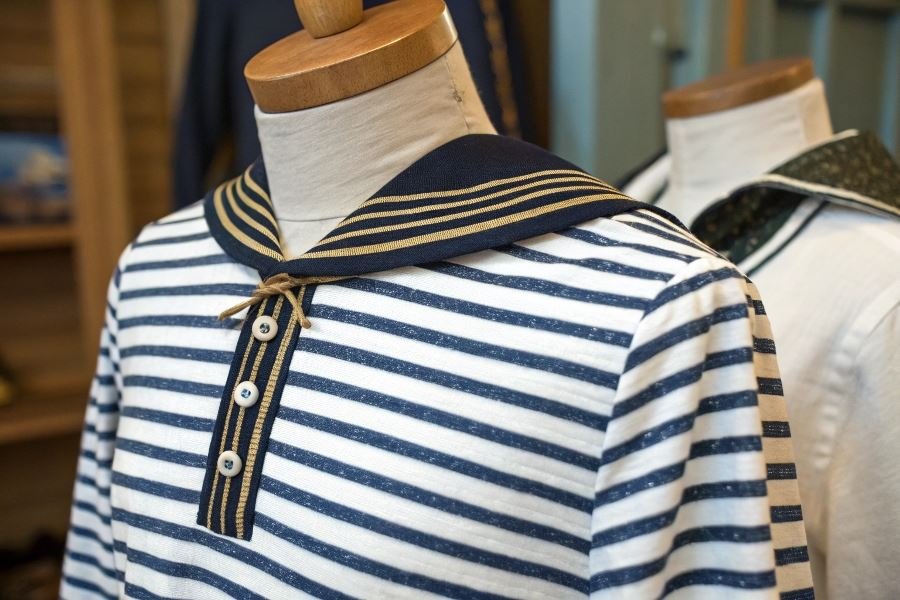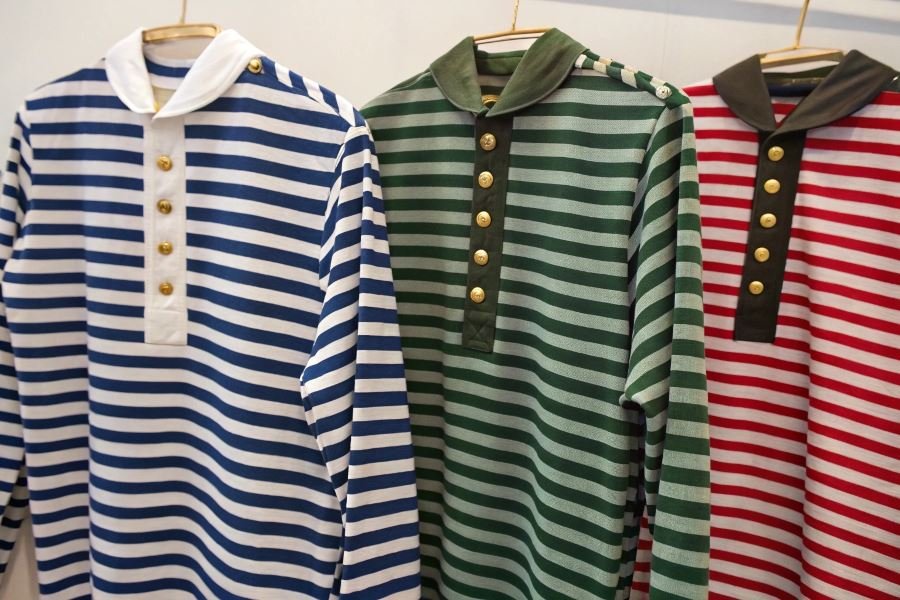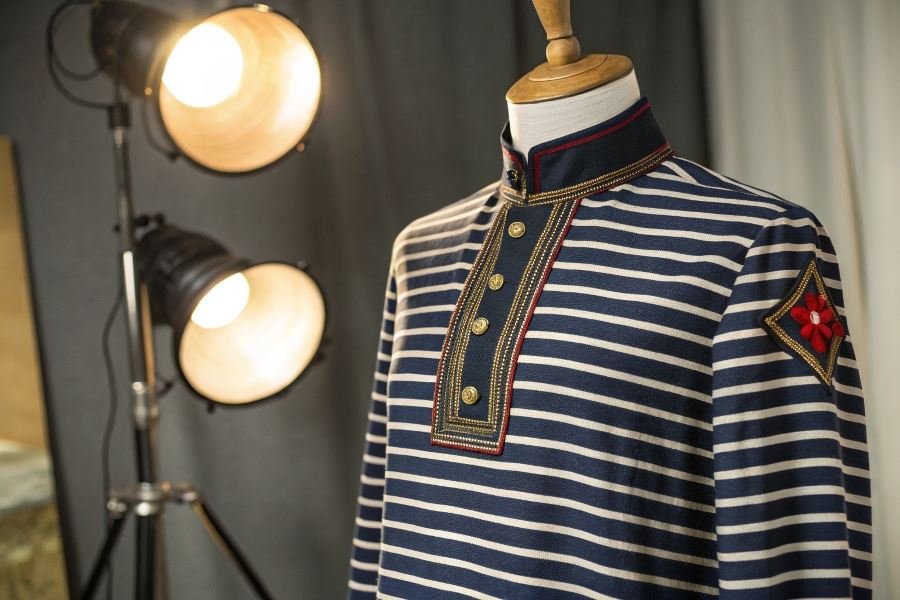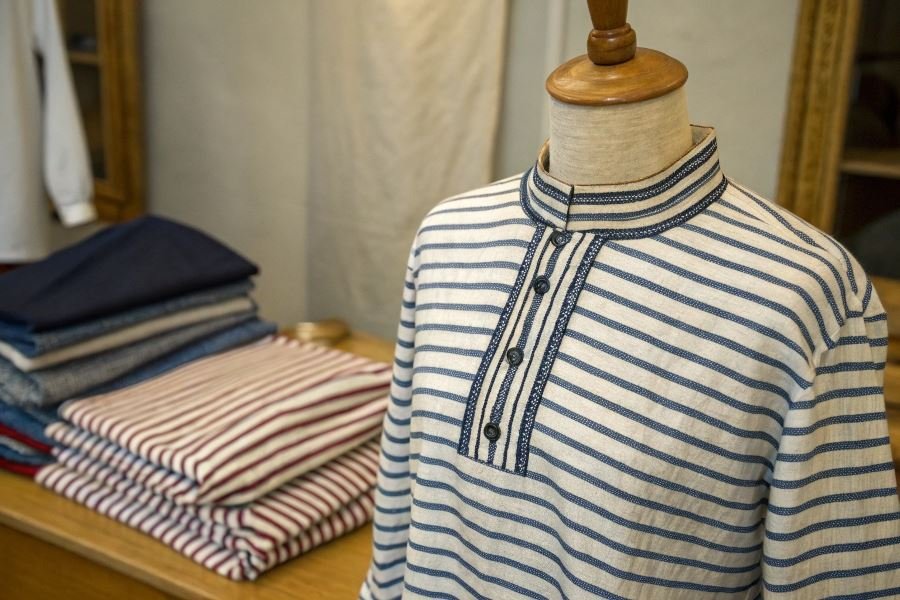
Ever noticed how some striped shirts look crisp after a full day of meetings while others wilt before lunch? The secret isn’t in the stripes—it’s in what lies beneath them.
Behind every exceptional uniform striped shirt stands an exceptional fabric choice. Whether you’re outfitting an entire sales team or selecting your personal workweek arsenal, the material decision impacts everything from comfort and durability to professional appearance and maintenance requirements. The right fabric doesn’t just clothe your team—it empowers them.
When evaluating shirt materials, three critical factors should guide your decision: comfort during extended wear, durability through repeated laundering, and appearance retention throughout the workday. The perfect material balances breathability with structure, softness with crispness, and ease of care with professional presentation.
After analyzing countless options and speaking with uniform specialists, three materials consistently rise to the top for striped uniform shirts:
- Premium cotton – The natural breathability champion
- Cotton-polyester blends – The practical workhorse option
- Performance fabrics – The innovative moisture-wicking solution
Each brings distinct advantages to the table while addressing different workplace needs. The best choice ultimately depends on your specific environment, budget constraints, and performance expectations. In the following sections, we’ll dissect each option to help you make the most informed decision for your uniform program.
The Fabric Frontier: Material Matters for Striped Shirts
When selecting the perfect uniform striped shirt, the material choice can make or break both appearance and comfort. The right fabric determines how a shirt performs throughout a demanding day, how it maintains its crisp appearance, and ultimately, how it represents your brand or personal style. Let’s explore the top 3 materials for uniform striped shirts: advantages and disadvantages that industry professionals consider when making their selections.
Cotton: Nature’s Perfect Canvas
Cotton remains the gold standard for professional shirting, and for good reason. This natural fiber has stood the test of time since its widespread adoption in clothing during the Industrial Revolution.
Advantages:
- Superior breathability allowing air circulation even in heated environments
- Exceptional comfort that improves with each washing
- Impressive durability when properly cared for, with premium cotton shirts lasting 3-5 years of regular wear
Cotton’s natural moisture absorption capability makes it particularly suitable for high-contact customer service environments. The fabric’s ability to regulate temperature means it performs admirably across seasons.
“Cotton breathes with you, creating a microclimate between fabric and skin that synthetic materials simply cannot replicate.”
Disadvantages:
- Wrinkles form easily, often requiring pressing or ironing
- Potential shrinkage of 3-5% after first wash if not pre-shrunk
- Color fading over time, particularly with darker stripes
Polyester-Cotton Blend: Practical Performance
The polyester-cotton blend (typically 65/35 or 60/40 polyester to cotton ratio) represents the workhorse of the uniform shirt world, balancing natural comfort with synthetic practicality.
Advantages:
- Remarkable wrinkle resistance that maintains a professional appearance throughout the workday
- Superior color retention keeping stripes vibrant even after numerous washes
- Enhanced durability with resistance to tearing and abrasion
These blends have become increasingly sophisticated, with modern manufacturing techniques creating fabrics that closely mimic the hand-feel of pure cotton while delivering significantly improved performance.
Disadvantages:
- Reduced breathability compared to 100% cotton options
- Potential for static electricity buildup in dry environments
- Less environmentally sustainable due to polyester’s petroleum origins
Performance Fabrics: Technical Excellence
The newest entrants in the uniform shirt category, performance fabrics utilize advanced textile engineering to create purpose-built materials that address specific workplace challenges.
Advantages:
- Active moisture-wicking that pulls perspiration away from the body
- Four-way stretch allowing unrestricted movement for active roles
- Minimal care requirements with many being wash-and-wear without ironing
These technical fabrics often incorporate antimicrobial treatments that reduce odor development during extended wear—a significant advantage in hospitality and healthcare environments.
Disadvantages:
- Premium pricing, typically 30-50% higher than traditional options
- Synthetic feel that some wearers find less comfortable initially
- Shorter lifespan of approximately 1-2 years with regular wear
| Material | Breathability | Wrinkle Resistance | Durability | Price Point |
|---|---|---|---|---|
| Cotton | Excellent | Poor | Good | $30-60 |
| Poly-Cotton | Good | Excellent | Excellent | $25-50 |
| Performance | Very Good | Excellent | Good | $45-90 |
The ideal material ultimately depends on specific workplace demands, climate considerations, and budget constraints. By understanding these fundamental fabric characteristics, you can make informed decisions that balance appearance, comfort, and longevity.
Making the Perfect Choice: Uniform Striped Shirts Material Guide
Comparing Materials Based on Specific Needs
When selecting the ideal fabric for uniform striped shirts, your specific requirements should drive the decision. Each material brings distinct advantages to different workplace environments.
Cotton excels in comfort-focused settings where breathability matters most. Its natural temperature regulation makes it the go-to choice for hospitality staff working in heated kitchens or outdoor venues. The material’s ability to absorb up to 25% of its weight in moisture without feeling damp gives it a significant edge in high-activity environments.
Polyester blends dominate in high-traffic retail and corporate settings where appearance consistency is paramount. These shirts maintain their crisp look throughout extended shifts, with wrinkle resistance that keeps staff looking professional even after hours of customer interaction. Modern performance blends can withstand up to 50% more wash cycles than pure cotton alternatives.
Oxford cloth finds its sweet spot in upscale environments where subtle sophistication matters. The distinctive basket weave creates a textured appearance that elevates uniform aesthetics while maintaining professional durability. Its balanced properties make it particularly suitable for front-of-house staff in premium establishments.
Material Maintenance Matters
The maintenance requirements for each fabric type can significantly impact your total ownership costs and staff satisfaction.
| Material | Washing Requirements | Ironing Needs | Average Lifespan |
|---|---|---|---|
| Cotton | Machine wash warm, tumble dry low | Medium-high | 1-2 years with regular wear |
| Polyester Blend | Machine wash cold, tumble dry low | Minimal to none | 2-3+ years with regular wear |
| Oxford Cloth | Machine wash cold, line dry recommended | Medium | 2+ years with regular wear |
Cotton maintenance requires more attention but rewards with increasing softness over time. Pre-treating stains immediately is crucial, as cotton’s absorbent nature can make set-in stains challenging to remove. The fabric typically requires 3-5 minutes of ironing per shirt to maintain a professional appearance.
Polyester blends offer remarkable convenience with their “wash and wear” properties. These fabrics resist most common stains and release soil more readily during washing. Their quick-drying nature (up to 40% faster than cotton) reduces energy costs and turnaround time for laundering.
Oxford cloth strikes a middle ground in maintenance requirements. Its textured surface helps camouflage minor wrinkles, reducing ironing time compared to smooth cotton. The tight weave also provides natural stain resistance while maintaining breathability.
Balancing Advantages for the Final Decision
The ultimate material choice should align with your specific priorities and constraints.
For budget-conscious operations with frequent uniform replacement cycles, polyester blends offer the highest value proposition. Their extended lifespan and minimal maintenance requirements translate to lower total costs despite a potentially higher initial investment.
For image-focused businesses where staff comfort directly impacts customer experience, premium cotton or oxford cloth delivers superior results. The natural feel against the skin and excellent breathability contribute to staff comfort during long shifts, potentially improving service quality and employee retention.
For sustainability-minded organizations, organic cotton options provide environmental benefits without sacrificing performance. Though commanding a 15-30% price premium, these materials align with growing consumer expectations for responsible business practices.
The ideal material choice ultimately reflects your organization’s unique balance of priorities between appearance longevity, staff comfort, maintenance requirements, and budget constraints. By carefully weighing these factors against the specific advantages of each fabric type, you’ll select uniform striped shirts that serve both practical needs and strategic business goals.
Discover the pros and cons of cotton, polyester-cotton blends, and performance fabrics for uniform striped shirts. Compare breathability, durability, and maintenance to find your perfect balance of comfort and practicality.
Discover the pros and cons of cotton, polyester-cotton blends, and performance fabrics for uniform striped shirts. Compare breathability, durability, and maintenance to find your perfect balance of comfort and practicality.