Ever been in a fender bender where the other driver suddenly “remembers” events differently? Dash cameras have become the silent witnesses that don’t forget—and the technology behind them is evolving faster than most drivers realize.
Dash cameras, those compact video recording devices mounted on your windshield or dashboard, continuously capture footage of the road ahead (and sometimes behind) your vehicle. They’ve transformed from simple recording tools into sophisticated systems that can mean the difference between an insurance nightmare and a quick resolution.
The dash camera landscape is splitting into two distinct territories: traditional local storage systems and the newer cloud-connected cameras. Local systems store footage directly on SD cards within the device itself—simple, straightforward, and completely self-contained. Cloud dash cameras, meanwhile, automatically upload footage to remote servers, offering accessibility from anywhere and protection against physical damage or theft of the recording device.
Market trends are speaking volumes: cloud-connected dash cameras have seen a 47% growth in adoption among commercial fleets since 2022, while consumer markets are following suit. The shift isn’t just about storage—it’s about functionality. Modern cloud systems offer real-time alerts, GPS tracking, and even AI-powered incident detection.
The choice between cloud and local isn’t just technical—it’s about balancing immediate access against long-term security, privacy concerns against convenience, and upfront costs against subscription fees.
Cloud vs Local Dash Cams: The Storage Showdown
Real-Time Monitoring Meets Privacy Concerns
When selecting a dash camera for your vehicle, the storage mechanism fundamentally shapes your experience. Cloud dash cameras vs local storage options represent two distinct approaches to safeguarding your driving footage, each with compelling advantages that cater to different priorities and circumstances.
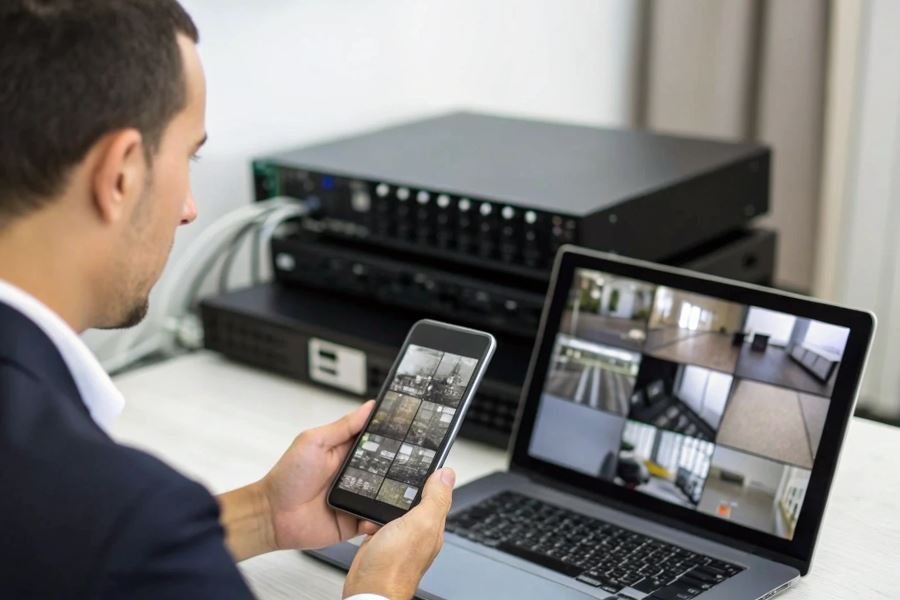
Cloud-based dash cameras transmit footage directly to remote servers, creating a virtual safety net that extends beyond your vehicle. These systems typically offer subscription-based services through providers like Nexar or BlackVue, enabling immediate access to footage regardless of your physical location. The magic happens when incidents occur—footage is automatically backed up, preventing evidence loss even if your camera is damaged or stolen.
Cloud Capabilities That Transform Protection
The cloud advantage becomes particularly evident in three key areas:
-
Instant Notification Systems: Many cloud cameras detect significant impacts and immediately save critical footage to secure servers, sending alerts to your smartphone.
-
Fleet Management Integration: Business owners can monitor multiple vehicles simultaneously, tracking driving patterns and receiving real-time updates.
-
Evidence Preservation: In collision scenarios, footage is safely stored off-site, eliminating the risk of data loss from physical damage.
However, these benefits come with monthly subscription costs typically ranging from $5-20, depending on storage capacity and features.
Local Storage: Independence and Privacy
Local storage dash cameras operate on a fundamentally different principle, recording directly to onboard memory cards. This approach, championed by brands like Garmin and Viofo, offers compelling advantages:
- Complete Privacy Control: Your footage remains exclusively in your possession
- One-Time Investment: No recurring subscription fees after initial purchase
- Internet-Independent Operation: Functions perfectly in areas with poor connectivity
Most local storage cameras utilize microSD cards (32GB-256GB), providing anywhere from 4-40 hours of recording before overwriting older footage.
Performance Under Pressure
| Condition | Cloud Performance | Local Storage Performance |
|---|---|---|
| Heavy Rain | May experience upload delays | Unaffected recording quality |
| Remote Areas | Limited functionality without signal | Full functionality maintained |
| Extreme Heat | Server redundancy prevents data loss | Risk of memory card failure |
| Theft Incidents | Footage preserved off-vehicle | Footage lost if camera stolen |
The environmental testing reveals significant differences. Local storage excels in maintaining consistent recording quality regardless of connectivity, while cloud systems provide superior protection against physical tampering or theft.
The Decision Matrix
Your optimal choice depends on specific priorities:
Cloud systems deliver superior value when:
- Remote monitoring is essential
- You travel through high-crime areas
- Multiple vehicles require centralized management
Local storage prevails when:
- Privacy concerns are paramount
- You frequently drive through connectivity dead zones
- Budget constraints favor one-time purchases
The technology continues evolving rapidly, with hybrid systems emerging that combine local recording with selective cloud uploading for critical incidents—offering perhaps the best of both worlds for drivers seeking comprehensive protection without constant connectivity requirements.
Making the Right Choice: Cloud vs Local Dash Cameras
Professional vs Personal Use Requirements
The decision between cloud and local dash cameras ultimately hinges on your specific driving profile. Professional drivers—truckers, delivery personnel, and rideshare operators—typically benefit most from cloud-connected systems. The continuous operation and fleet management capabilities of solutions like BlackVue or Nexar provide real-time monitoring that transforms vehicles into mobile data centers.
For personal drivers, the calculus differs significantly. Weekend warriors and daily commuters may find local storage solutions from manufacturers like Garmin perfectly adequate, offering high-resolution recording without subscription fees. The question becomes not which technology is superior, but which aligns with your particular driving patterns.
Decision trigger point: If you’re on the road more than 20 hours weekly, cloud connectivity typically delivers ROI through reduced insurance premiums and enhanced incident documentation.
Long-term Ownership Economics
The true cost story extends far beyond the initial purchase price. Cloud-based systems typically follow a front-loaded pricing model:
| Cost Factor | Cloud Systems | Local Storage |
|---|---|---|
| Initial Hardware | $150-400 | $50-300 |
| Monthly Subscriptions | $5-20 | $0 |
| Storage Expansion | Included | $15-40 per card |
| 3-Year Total Cost | $330-1,120 | $65-380 |
The subscription model creates a significant divergence in total cost of ownership. However, this analysis must account for value delivered, not merely dollars spent. Cloud systems offer automatic footage backup, eliminating the “lost footage” scenario that often occurs precisely when evidence is most needed.
Future-proofing Your Investment
The dash camera landscape is evolving at breakneck speed. Current development trajectories suggest several emerging technologies will reshape the market:
AI-powered incident detection is rapidly advancing beyond simple g-force triggers to contextual understanding of traffic patterns. Systems from Thinkware already incorporate machine learning algorithms that distinguish between routine driving maneuvers and genuine incidents.
Integration with vehicle systems represents the next frontier. Manufacturers like Kenwood are developing dash cameras that communicate directly with vehicle computers, creating comprehensive data profiles that combine visual evidence with mechanical telemetry.
Bandwidth efficiency improvements will dramatically reduce cloud storage costs. Next-generation video compression technologies promise to cut data requirements by up to 60% while maintaining resolution quality.
The most future-proof approach combines modular hardware with software-updatable platforms. Look for systems offering firmware updates rather than requiring complete hardware replacement to access new features.
When evaluating your options, consider not just today’s requirements but your anticipated needs over a 3-5 year horizon. The premium for cloud connectivity may represent insurance against technological obsolescence as much as protection against driving incidents.
The ideal dash camera isn’t universally defined—it’s the one that addresses your specific driving profile, budget constraints, and technological comfort level while providing the evidence protection you need when incidents occur.
Explore the key differences between cloud-connected and local storage dash cams. Compare real-time monitoring benefits against privacy advantages to find the perfect dash camera solution for your driving needs and budget.
Explore the key differences between cloud-connected and local storage dash cams. Compare real-time monitoring benefits against privacy advantages to find the perfect dash camera solution for your driving needs and budget.