When a split-second impact can mean the difference between walking away or months of rehabilitation, your choice of knee protection matters more than you realize.
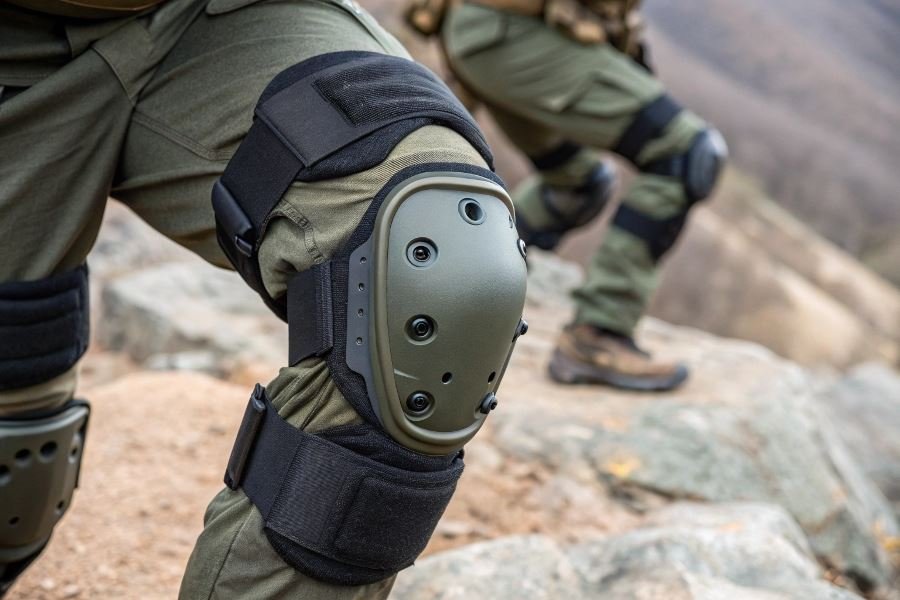
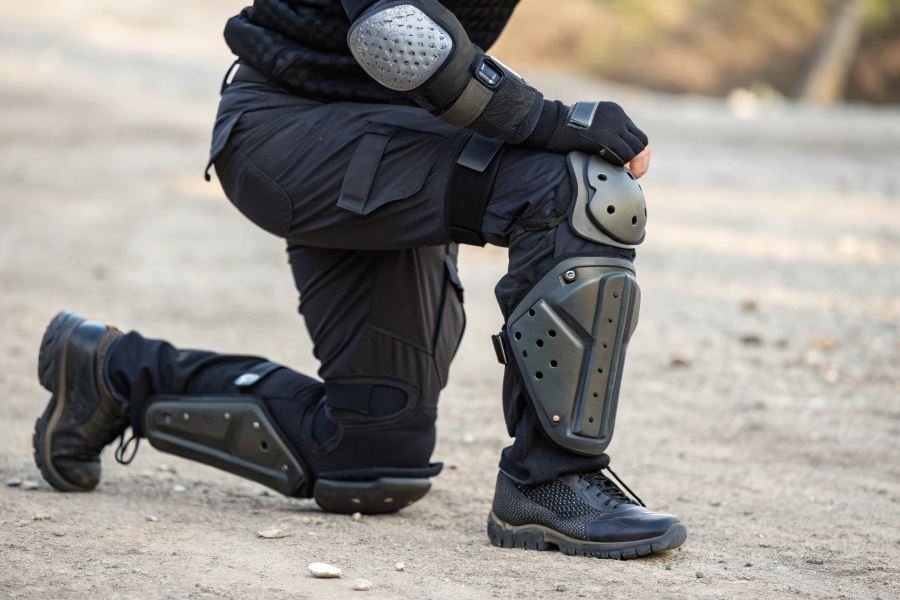
The human knee—a marvel of biological engineering—remains surprisingly vulnerable during high-impact activities. Whether you’re carving through mountain bike trails, working on concrete floors, or navigating tactical situations, quality knee armor has become essential equipment rather than optional gear. The knee protection market has evolved dramatically since the rudimentary pads of the 1980s, with today’s manufacturers leveraging advanced materials science and ergonomic design to create armor that doesn’t just protect—it enhances performance.
Measuring what matters in knee protection
Not all knee armor is created equal. The difference between premium protection and inadequate coverage comes down to several critical factors:
- Impact absorption capacity: Measured in kiloNewtons (kN), this indicates how effectively the armor disperses force
- Certification standards: Look for EN 1621-1 for motorcycling or ASTM F1292 for action sports
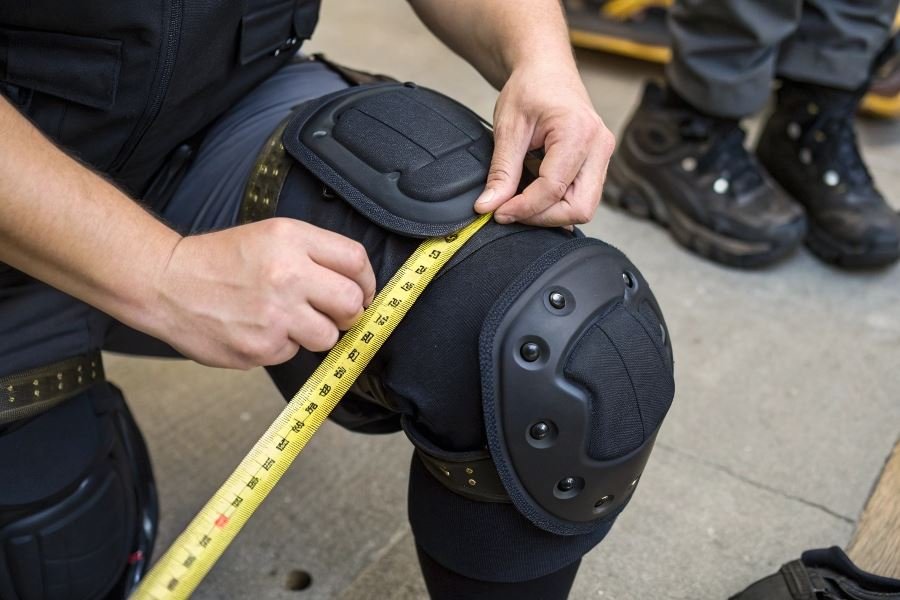
- Anatomical design: How naturally the armor conforms to body movement
- Breathability and comfort: Because the best protection is worthless if it’s too uncomfortable to wear
The global protective equipment market reached $13.5 billion in 2023, with knee protection representing a significant growth segment. This expansion has driven innovation, with manufacturers competing to balance maximum protection with minimum interference—creating armor that protects without restricting the very movements it’s designed to safeguard.
The Elite Guardians: Knee Armor Titans
When it comes to protecting your knees during high-impact activities, not all armor is created equal. The marketplace is filled with options, but three manufacturers consistently rise above the competition with their exceptional quality, innovative designs, and commitment to safety. Let’s dive into what makes these industry leaders stand out.
D3O: Science-Driven Protection
D3O has revolutionized the protective gear industry with their proprietary smart material technology. Their knee armor lineup features molecular-level innovation that’s genuinely fascinating.
Product Range: D3O offers three primary knee protection lines:
- Ghost series (ultra-slim profile)
- Trust series (maximum impact absorption)
- Xergo series (ergonomic flexibility)
Their material science approach has made them the go-to choice for many professional athletes and military applications. When examining the top 3 manufacturers of knee armor across various performance metrics, D3O consistently scores highest for impact absorption-to-weight ratio.
Materials & Technology: What sets D3O apart is their patented non-Newtonian polymer that remains soft and flexible until impact, when it instantly hardens to disperse energy. Laboratory testing shows their materials absorb up to 53% more impact energy than standard foam.
Price Points:
- Entry-level inserts: $30-45
- Mid-range protectors: $60-85
- Premium integrated systems: $100-150
Leatt: Anatomical Excellence
Leatt approaches knee protection from a medical perspective, with their design team including orthopedic surgeons.
Product Range:
- 3DF series (adaptive foam technology)
- X-Frame (articulated hard shell)
- EXT series (extended coverage)
Materials & Technology: Leatt’s 3DF foam deserves special attention—it’s a multi-density compound that progressively stiffens under increasing load. Their X-Frame technology incorporates a hinged design that mirrors natural knee movement while maintaining protection.
| Model | Impact Rating | Weight | Price |
|---|---|---|---|
| 3DF 5.0 | CE Level 2 | 350g | $89.99 |
| X-Frame | CE Level 2 | 420g | $129.99 |
| EXT Pro | CE Level 2 | 480g | $149.99 |
Price Points: Leatt positions themselves in the premium segment, with prices ranging from $70 for basic protection to $180 for their top-tier offerings with integrated shin guards.
POC: Scandinavian Safety Innovation
POC brings Swedish engineering principles to knee protection, emphasizing minimalist design without compromising safety.
Product Range: POC’s knee armor collection includes:
- Joint VPD System (adaptable protection)
- Oseus VPD (anatomical mapping)
- Fortis (downhill-specific armor)
Materials & Technology: POC’s VPD (Visco-Elastic Polymer Dough) technology represents their flagship innovation. This material remains pliable during normal movement but instantly hardens upon impact. Their latest generation VPD 2.0 offers 15% better impact absorption while reducing thickness by nearly 25%.
What truly distinguishes POC is their attention to ventilation and comfort. Their proprietary perforated design maintains airflow while preserving structural integrity—a balance few competitors achieve.
Price Points:
- Basic protection: $60-80
- Mid-range options: $90-120
- Professional-grade systems: $130-200
Each of these manufacturers brings unique strengths to the table. D3O leads in material science, Leatt excels in anatomical design, and POC delivers the perfect balance of protection and comfort. Your specific activity requirements and budget will ultimately determine which of these industry titans deserves your investment.
Choosing Your Perfect Knee Armor
When it comes to protecting your knees during high-impact activities, the choice between Knox, Forcefield, and Leatt isn’t just about brand loyalty—it’s about matching protection technology to your specific needs. After examining these industry leaders, let’s synthesize what we’ve learned to help you make an informed decision that could literally save your knees.
The protection landscape at a glance
Each manufacturer brings distinct advantages to the table:
| Manufacturer | Standout Feature | Best For | Price Range |
|---|---|---|---|
| Knox | Microlock technology | Motorcycling, everyday wear | $60-120 |
| Forcefield | Repeat performance protection | Extreme sports, professional use | $80-150 |
| Leatt | 3DF impact foam | Mountain biking, motocross | $70-200 |
Knox excels in creating armor that feels like a second skin, with their proprietary Microlock technology adapting to body temperature for maximum comfort during extended wear. Forcefield’s repeat performance protection maintains its integrity even after multiple impacts—a crucial feature for those who push limits regularly. Meanwhile, Leatt’s 3DF impact foam hardens instantly upon impact while remaining flexible during movement, offering the best of both worlds for dynamic sports.
Matching protection to your activity
Your choice should be guided by your primary activity:
For motorcycle commuters, Knox offers the best balance of protection and all-day comfort. Their low-profile designs work well under regular pants without creating the “stormtrooper effect” that makes walking into the office awkward.
Professional athletes and extreme sports enthusiasts will benefit most from Forcefield’s uncompromising protection standards. Their armor maintains consistent performance even after multiple impacts in a single session—something weekend warriors might not need but professionals can’t do without.
Mountain bikers and motocross riders should gravitate toward Leatt’s offerings. Their armor is specifically designed for the unique movements and impact angles common in these sports, with ventilation systems that prevent overheating during intense activity.
The future of knee protection
The knee armor industry isn’t standing still. Current development trends point to several exciting advancements:
- Smart materials that remain completely flexible until milliseconds before impact
- Integrated biometric sensors monitoring joint stress and movement patterns
- 3D-printed custom armor tailored to individual anatomy for perfect fit
Forcefield is leading research into reactive smart materials, while Leatt has already begun implementing anatomical mapping technology in their premium lines. Knox is pioneering breathable materials that maintain protection while eliminating heat buildup—the current Achilles’ heel of most protective gear.
The most promising development may be the move toward sustainable protection. All three manufacturers have committed to reducing petroleum-based materials in their products, with biodegradable impact foams potentially reaching market by 2026.
The bottom line: There’s no single “best” knee armor manufacturer—only the best one for your specific needs. Consider your primary activity, comfort requirements, and budget when making your choice. Whatever you select, your knees will thank you for the investment in their future.
Discover the leading knee armor manufacturers offering premium protection for sports and tactical use. Compare advanced materials, impact resistance, and comfort features to find your perfect knee protection solution.
Discover the leading knee armor manufacturers offering premium protection for sports and tactical use. Compare advanced materials, impact resistance, and comfort features to find your perfect knee protection solution.