Did you know that a properly maintained bulletproof vest can retain its lifesaving capabilities for up to 5-7 years, while a neglected one might fail when you need it most? The difference isn’t just in years—it’s measured in lives protected.
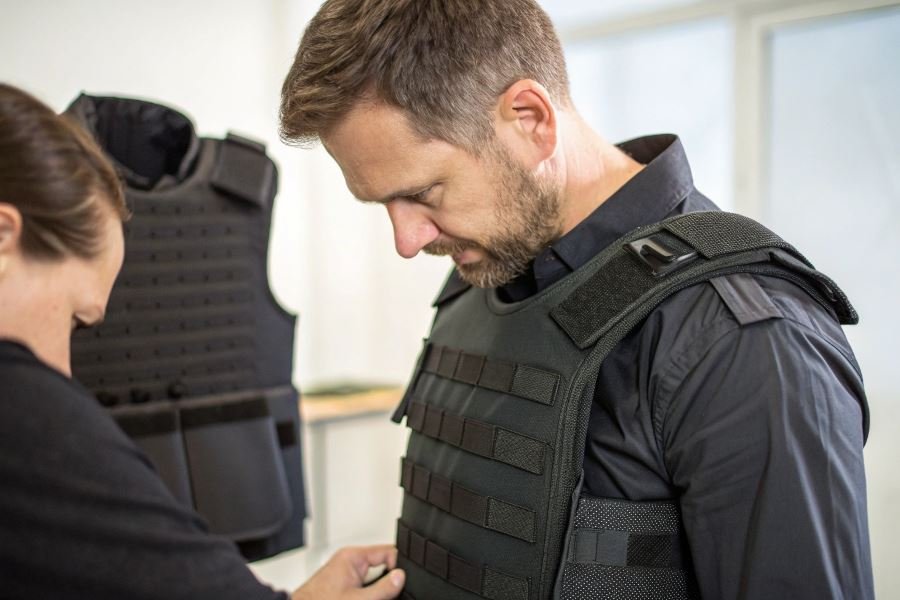
Your bulletproof vest represents a significant investment in personal safety. These sophisticated protective systems combine advanced materials and precision engineering to create a barrier between you and potential threats. However, their effectiveness doesn’t remain constant without proper attention. The materials that stop bullets today need your help to perform the same miracle tomorrow.
Modern ballistic protection typically features either Kevlar aramid fibers or polyethylene composites—each with distinct maintenance requirements. Kevlar-based vests are moisture-sensitive; when exposed to excessive humidity, the fibers can degrade and lose up to 30% of their protective capability. Polyethylene plates, while more moisture-resistant, can warp under extreme heat, creating dangerous gaps in coverage.
“The most common cause of premature vest failure isn’t bullets—it’s improper storage.” — National Institute of Justice research finding
Improper storage creates invisible vulnerabilities. Hanging your vest on a standard clothes hanger creates stress points that weaken the ballistic material. Folding creates permanent creases that compromise the vest’s structural integrity. Even exposure to common household chemicals can silently degrade ballistic fibers, reducing stopping power when you least expect it.
The protection level you paid for is only guaranteed when your vest receives the care it deserves.
Maximizing Your Bulletproof Investment Through Proper Care
Bulletproof vests represent a significant investment in personal safety, yet many owners underestimate how dramatically proper maintenance affects performance longevity. The relationship between care and storage of bulletproof vests and extending service life is direct and measurable—with proper protocols potentially doubling the effective lifespan of your protective equipment.
Essential Care and Maintenance Practices
Cleaning Different Armor Types
Soft armor and plate carriers demand fundamentally different cleaning approaches:
For soft armor containing aramid fibers like Kevlar:
- Never submerge in water – moisture degrades ballistic fibers
- Spot clean only using mild soap and damp cloth
- Pat dry completely before storage
- Avoid harsh chemicals including bleach, fabric softeners or stain removers
Plate carriers require more thorough maintenance:
- Fabric carrier: Hand wash with mild detergent every 1-2 months
- Velcro fasteners: Clean with soft brush after each use
- Plastic buckles: Wipe with damp cloth monthly
- Metal components: Check for corrosion quarterly
Never machine wash or dry ballistic panels—even when manufacturers claim it’s safe. The mechanical action accelerates fiber breakdown.
Optimal Storage Conditions
Your storage environment silently determines vest longevity:
- Temperature control between 60-75°F (15-24°C)
- Humidity levels below 50%
- Flat horizontal positioning on a smooth surface
- No direct sunlight exposure
- Away from chemical fumes or petroleum products
Improper storage accelerates material degradation by up to 40% according to NIJ testing data. Hanging vests creates pressure points that weaken ballistic materials over time.
For plate carriers with ceramic or composite inserts, store plates separately from carriers when possible to prevent unnecessary stress and reduce the risk of micro-fractures.
Structured Maintenance Schedule
Implementing a systematic approach extends protection:
Weekly:
- Visual inspection for damage, tears, or unusual wear
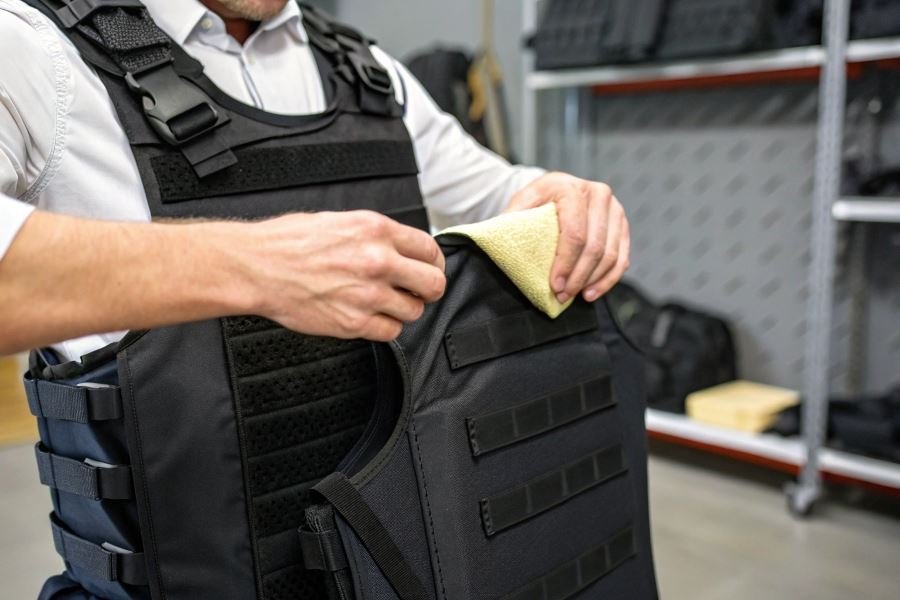
- Wipe down external carrier with microfiber cloth
- Check and clean fastening systems
Monthly:
- Deep inspection of all seams and stitching
- Gentle cleaning following manufacturer guidelines
- Air out in indirect sunlight for 1-2 hours to prevent mildew
Quarterly:
- Complete disassembly and component inspection
- Photographic documentation of condition
- Verification of warranty status and expiration dates
Annually:
- Ballistic testing if approaching warranty limits
- Professional cleaning of removable panels
- Replacement of worn carrier components
The most overlooked maintenance aspect? Documentation. Maintain a maintenance log tracking cleaning dates, storage conditions, and wear observations. This creates accountability and helps identify patterns that might affect performance.
Remember that even perfectly maintained soft armor has a manufacturer-recommended replacement timeline—typically 5-7 years. Ceramic plates should undergo x-ray inspection after significant impacts or every 3-5 years to detect invisible micro-fractures.
With disciplined care, your protective equipment remains ready when you need it most—delivering the performance you paid for throughout its entire service life.
Extending Your Bulletproof Vest’s Lifespan
Your body armor represents a significant investment in your personal safety. Even with meticulous maintenance, every bulletproof vest eventually reaches the end of its service life. Knowing when to replace your armor and how to maximize its longevity can literally be a lifesaving decision.
Recognizing critical replacement indicators
Even the most carefully maintained body armor will eventually show signs that replacement is necessary. Pay close attention to these warning signals:
- Visible damage including tears, cuts, or fraying along seams
- Deformation or bunching of the ballistic panels
- Water damage evidenced by mildew smell or discoloration
- Impact history – any vest that has stopped a bullet or significant impact must be replaced immediately
- Excessive wear spots particularly under arm areas or at fold points
The moment your vest shows any of these signs, consider its protective capability compromised.
One often overlooked indicator is significant weight change in the wearer. A vest that no longer fits properly creates dangerous gaps in protection and accelerates wear patterns.
Professional inspection protocols
Regular professional evaluations are non-negotiable for maintaining certification and ensuring reliability:
| Inspection Type | Recommended Frequency | What’s Examined |
|---|---|---|
| Visual self-check | Before each use | Visible damage, fit issues |
| Basic maintenance check | Monthly | Panel positioning, carrier integrity |
| Professional evaluation | Annually | Ballistic material degradation, NIJ compliance |
| Manufacturer recertification | Per manufacturer (typically 5 years) | Complete ballistic testing |
Most manufacturers of quality armor like Point Blank Body Armor and Safariland offer inspection services that can identify microscopic damage invisible to the naked eye.
Expert insight: Documentation of professional inspections may be required for warranty claims and can be crucial evidence in liability situations.
Lifespan extension best practices
Implementing these proven strategies can significantly extend your vest’s service life:
-
Storage discipline – Always hang vests on wide, curved hangers in climate-controlled environments away from direct sunlight
-
Rotation system – If possible, maintain multiple vests and rotate them to distribute wear evenly
-
Carrier maintenance – Clean outer carriers according to manufacturer specifications, typically using mild detergent and air drying
-
Moisture management – Address sweat immediately after use with proper drying techniques before storage
-
Transport protection – Use designated carrying cases during transport to prevent compression damage
-
Documentation – Maintain detailed records of purchase date, inspection history, and any incidents involving the vest
The National Institute of Justice (NIJ) established the first body armor standards in 1972, but continues to update testing protocols as materials science advances. Staying current with these standards ensures your protection meets contemporary threats.
Remember that most manufacturers warranty their ballistic panels for five years under normal use conditions. However, with exceptional care, many users report reliable performance well beyond this timeframe—though replacement at the five-year mark remains the safest practice for those who depend on their armor daily.
Your bulletproof vest represents the thin line between safety and catastrophe. Treating it with the respect this critical equipment deserves isn’t just about extending its service life—it’s about ensuring it performs flawlessly when you need it most.
Discover essential maintenance techniques for bulletproof vests to maximize protection and extend service life. Learn proper cleaning, optimal storage conditions, and warning signs that indicate when replacement is necessary despite regular care.
Discover essential maintenance techniques for bulletproof vests to maximize protection and extend service life. Learn proper cleaning, optimal storage conditions, and warning signs that indicate when replacement is necessary despite regular care.