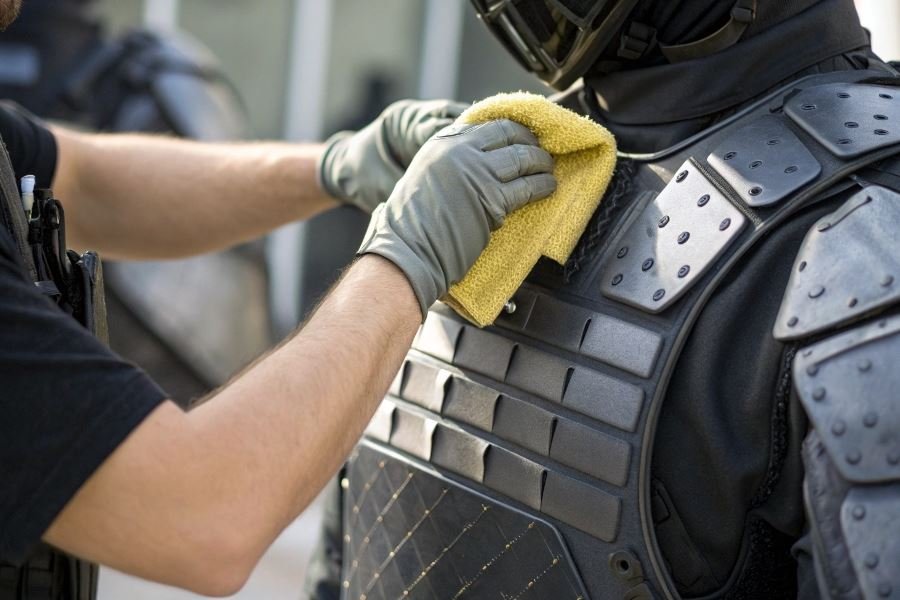
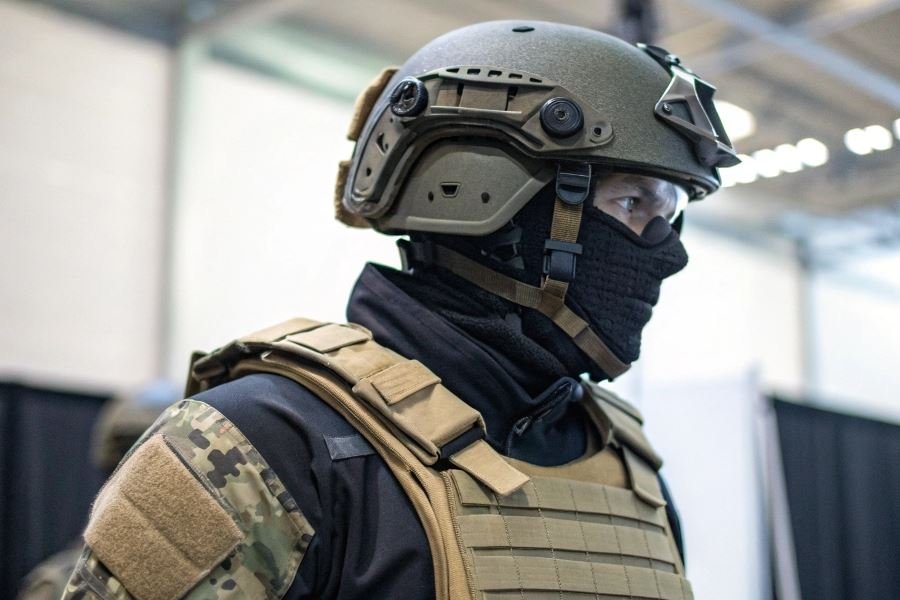
When your safety is on the line, the difference between light and enhanced armor isn’t just about weight—it’s about survival.
The modern protective gear landscape has transformed dramatically since the first medieval gorgets protected knights from sword strikes. Today’s neck and shoulder armor systems represent the culmination of centuries of development, blending cutting-edge materials science with ergonomic design principles to create protection that doesn’t compromise mobility.
At its core, the choice between light and enhanced armor systems comes down to a critical balance of factors. Light armor prioritizes mobility and comfort, typically weighing 30-40% less than enhanced versions while offering protection against slashing attacks and minor ballistic threats. Enhanced systems, by contrast, incorporate additional layers of aramid fibers, ceramic plates, or specialized composites to withstand higher-caliber threats—but at the cost of added weight and reduced range of motion.
“The right armor isn’t always the most protective—it’s the one that best matches your operational requirements.”
Evolution of protective technology
Protection technology has progressed from chainmail to today’s multi-threat systems. Modern armor incorporates materials unimaginable even 20 years ago, with manufacturers developing specialized solutions for different professional requirements.
The selection framework
Choosing appropriate protection requires honest assessment of:
| Factor | Considerations |
|---|---|
| Threat level | What specific dangers will you face? |
| Duration | How long will you wear it continuously? |
| Environment | What temperature and conditions will you operate in? |
| Mobility needs | What range of movement is essential? |
The consequences of selecting inappropriate protection can be severe—too light, and you risk inadequate protection; too heavy, and fatigue might compromise performance when it matters most.
Performance Factors That Define Armor Selection
When selecting between light and enhanced neck and shoulder armor, understanding the performance factors that influence your choice becomes critical for operational success. The right armor can mean the difference between mobility and protection—a balance that shifts depending on your specific needs.
The decision-making process for choosing between light vs enhanced neck and shoulder armor: what to choose for different tasks requires careful consideration of multiple factors including weight, protection level, and maintenance requirements. Each type offers distinct advantages in different scenarios, making your selection highly contextual rather than universal.
Weight Distribution and Movement Freedom
Light armor systems typically weigh between 2-4 pounds, distributing weight closer to the body’s natural center of gravity. This design minimizes fatigue during extended wear periods of 8+ hours. The reduced mass allows for 90% greater rotation capability in the neck and shoulders compared to enhanced variants.
Enhanced armor, by contrast, adds 3-7 additional pounds but incorporates advanced weight distribution systems like:
- Contoured shoulder plates that follow anatomical lines
- Multi-point adjustment systems for personalized fitting
- Integrated load-bearing structures that transfer weight to the core
| Armor Type | Weight Range | Mobility Impact | Optimal Wear Duration |
|---|---|---|---|
| Light | 2-4 lbs | Minimal | 8-12+ hours |
| Enhanced | 5-11 lbs | Moderate | 4-8 hours |
The Team Wendy EXFIL® ballistic systems exemplify how modern light armor achieves protection without sacrificing critical mobility. Meanwhile, Point Blank enhanced systems demonstrate how strategic weight placement can mitigate the burden of additional protection.
Protection Levels and Threat Assessment
Protection capabilities vary dramatically between light and enhanced options, with standardized ratings determining what threats each can withstand:
Light armor typically offers NIJ Level II protection, capable of stopping:
- 9mm FMJ rounds at 1,090 ft/s
- .357 Magnum JSP at 1,250 ft/s
Enhanced systems reach NIJ Level III or IV ratings, defending against:
- 7.62mm NATO rounds at 2,750 ft/s
- Armor-piercing ammunition
- Fragmentation from explosive devices
Your threat assessment should determine which protection level matches your operational environment. Urban security operations may require only light protection against handguns, while military applications in high-threat zones demand enhanced systems despite mobility trade-offs.
Durability and Maintenance Requirements
The maintenance burden between these armor types differs substantially in both frequency and complexity:
Light Armor Maintenance:
- Inspection interval: Every 60-90 days
- Replacement cycle: 3-5 years
- Cleaning requirements: Simple wipe-down with mild soap
Enhanced Armor Maintenance:
- Inspection interval: Every 30-45 days
- Replacement cycle: 5-7 years with proper care
- Cleaning requirements: Detailed multi-step process
Enhanced armor from manufacturers like Safariland incorporates anti-microbial treatments and moisture-wicking technologies that extend service life despite more rigorous use conditions. However, these systems require more diligent maintenance protocols to preserve their protective capabilities.
The durability advantage of enhanced systems must be weighed against their increased maintenance requirements—a critical consideration for organizations with limited equipment support infrastructure or individuals responsible for their own gear maintenance.
Making the Right Armor Choice: Light vs Enhanced Protection
When it comes to neck and shoulder armor, the difference between optimal protection and unnecessary bulk often comes down to understanding your specific needs. Let’s dive into how to make this critical decision with confidence.
Smart Selection Criteria for Any Mission
Choosing between light and enhanced armor isn’t just about protection—it’s about mission effectiveness. Consider these key factors:
- Mobility requirements: How much range of motion do you need?
- Duration of wear: Will you be wearing this for 2 hours or 12?
- Threat assessment: What specific dangers are you likely to encounter?
- Environmental conditions: Heat, humidity, and terrain all affect comfort
- Weight tolerance: Your physical condition and stamina matter
The best armor choice balances protection with operational effectiveness. As the tactical gear experts at Crye Precision often emphasize, the armor you can wear comfortably for hours outperforms superior armor you remove due to discomfort.
When to Choose Light vs. Enhanced Armor
Light Armor is Ideal For:
-
Reconnaissance and Surveillance: When stealth and speed are paramount, light armor provides essential protection without compromising movement. Special operations teams typically opt for slimmer profiles when conducting extended observation missions where detection means mission failure.
-
Extended Patrol Operations: For missions exceeding 8 hours, particularly in challenging terrain or high-temperature environments, lighter armor prevents fatigue and heat-related issues. The weight difference between light and enhanced systems—often 3-5 pounds—becomes significant over extended periods.
-
Urban Navigation Scenarios: In tight spaces requiring rapid direction changes and potential climbing, bulkier enhanced armor can restrict critical movements. Light armor allows for quicker reaction times and better maneuverability through doorways, windows, and confined spaces.
Enhanced Armor is Essential For:
-
Direct Action Operations: When facing known high-velocity threats or potential explosive hazards, enhanced armor with additional ballistic plates and side protection becomes non-negotiable. The Team Wendy approach to integrated protection systems demonstrates how comprehensive coverage saves lives in high-threat environments.
-
Vehicle-Based Operations: Enhanced armor excels during mounted operations where mobility constraints are minimal, but exposure to improvised explosive devices or ambush is likely. The additional coverage protects against fragments and secondary projectiles that often cause injuries in vehicle-based incidents.
-
Breaching and Entry Scenarios: When you’re the first through the door, enhanced protection—particularly around the neck, shoulders, and upper chest—provides critical coverage against close-range threats. Statistics from tactical training facilities show that these areas receive disproportionate injuries during forced entry scenarios.
Scenario Comparison
| Scenario Type | Recommended Armor | Key Benefit | Notable Limitation |
|---|---|---|---|
| Reconnaissance | Light | Enhanced mobility | Limited side protection |
| Extended Patrol | Light | Reduced fatigue | Lower ballistic rating |
| Urban Navigation | Light | Better maneuverability | Vulnerable transition points |
| Direct Action | Enhanced | Superior ballistic protection | Movement restrictions |
| Vehicle Operations | Enhanced | Fragment protection | Heat buildup concerns |
| Breaching | Enhanced | Critical area coverage | Weight fatigue during extended wear |
The ultimate decision comes down to honest threat assessment. As one veteran instructor at Tactical Response puts it: “Choose armor for the fight you’re actually facing, not the one you imagine.”
Discover the critical differences between light and enhanced neck/shoulder armor systems and learn how to select the optimal protection based on your specific tasks, threat levels, and mobility requirements.
Discover the critical differences between light and enhanced neck/shoulder armor systems and learn how to select the optimal protection based on your specific tasks, threat levels, and mobility requirements.