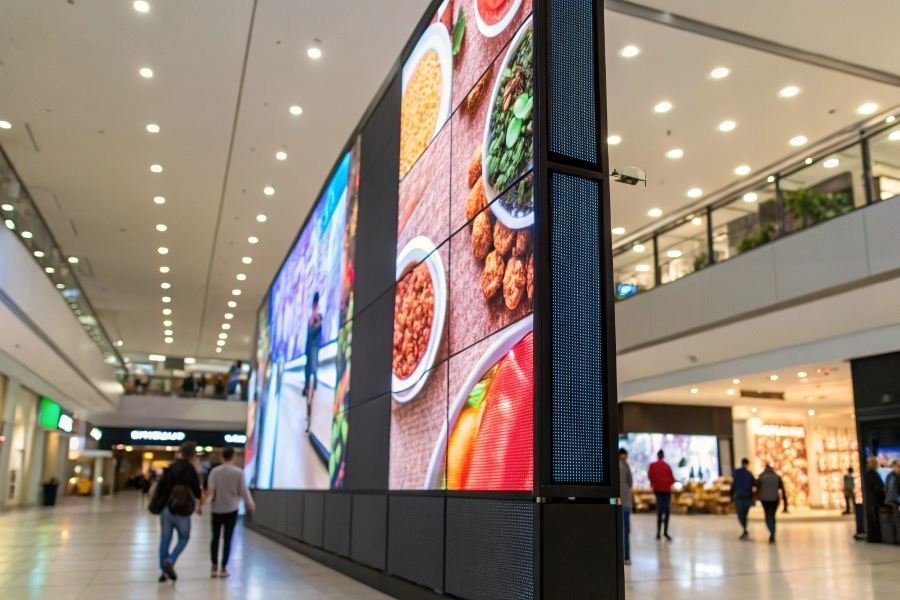
Ever stood in a bustling shopping center, watching that stream of information glide across digital displays? That’s a ticker system—and it’s far more than just moving text. It’s the retail equivalent of a secret weapon.
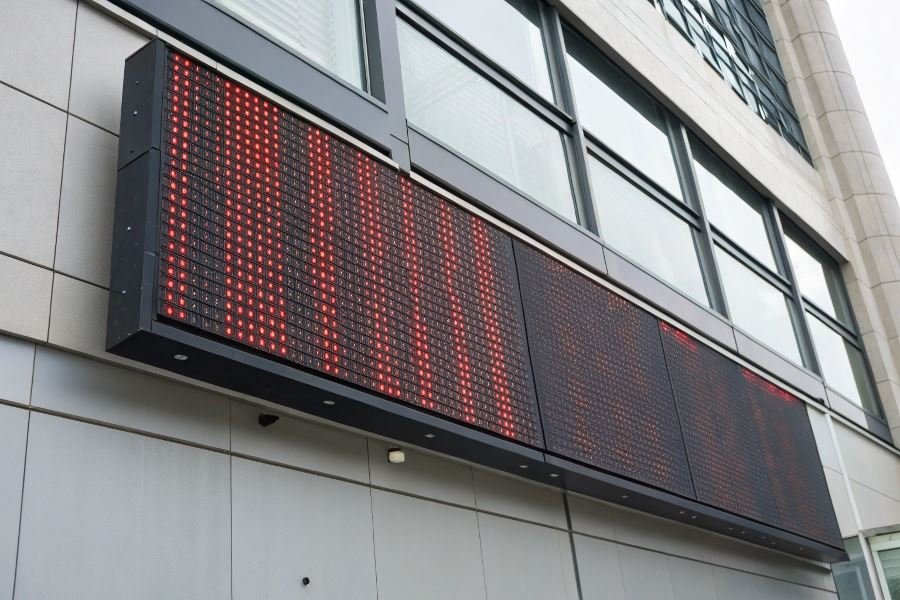
Ticker systems are specialized digital displays that present scrolling information in real-time across shopping centers. Unlike static signage, these dynamic information streams capture attention while delivering crucial updates on promotions, events, wayfinding, and emergency notifications. They’re the digital pulse of modern retail environments.
“The right ticker system doesn’t just inform—it transforms the entire shopping experience.”
When implemented effectively, ticker systems create measurable impacts on both customer experience and operational efficiency. Retailers using strategic ticker placement report up to 23% increased foot traffic to promoted areas and 17% higher conversion rates for flash sales announced via tickers. For operations teams, centralized messaging systems reduce communication errors by nearly 40%.
Before investing in ticker technology, decision-makers must evaluate several critical factors:
Key considerations for ticker selection:
- Visibility metrics – Can shoppers easily read content from various distances and angles?
- Integration capabilities – Will it connect seamlessly with existing digital infrastructure?
- Content management flexibility – How easily can staff update messaging during busy periods?
- Scalability potential – Can the system grow alongside your retail space?
The difference between an adequate ticker and an exceptional one often comes down to thoughtful selection criteria that align with both immediate needs and future growth plans.
Technical Excellence in Ticker Selection
When evaluating tickers for your shopping center, the technical specifications often make the difference between a forgettable installation and one that delivers measurable ROI. The criteria for choosing a ticker for a shopping center must prioritize three core technical elements: display quality, system integration capabilities, and long-term reliability.
Crystal-clear visibility that commands attention
The primary function of any ticker is communication, making display quality non-negotiable. Modern LED displays should offer brightness levels between 800-1500 nits for indoor environments and 2500-5000+ nits for areas with significant ambient light or direct sunlight. Resolution matters tremendously—aim for pixel pitches between 1.5mm to 4mm for close viewing distances.
Viewing angle capacity separates premium tickers from basic models. Top-tier displays maintain color accuracy and brightness at viewing angles of 160° horizontal and 120° vertical, ensuring shoppers can read messages from virtually any approach path.
Text legibility depends on more than just resolution. Consider these readability factors:
- Character height (minimum 3 inches for 100ft visibility)
- Contrast ratio (3000:1 or higher for indoor applications)
- Refresh rate (≥1920Hz to prevent camera flicker)
- Color reproduction (minimum 16-bit processing)
Seamless integration with existing ecosystems
Modern shopping center operations rely on interconnected systems. Your ticker should function as a natural extension of your existing technology stack, not an isolated island requiring separate management.
Integration capabilities determine how efficiently your team can update content and respond to changing needs.
| Integration Type | Benefits | Implementation Complexity |
|---|---|---|
| API-based | Real-time updates, automated content | Medium |
| CMS Compatible | Centralized content management | Low |
| POS Integration | Automated promotions based on inventory | High |
| Emergency Systems | Safety alerts override capability | Medium |
Look for tickers supporting standard protocols like REST API, MQTT, or WebSockets for real-time data exchange. The ability to integrate with popular content management systems like WordPress or Drupal can significantly reduce operational overhead.
Reliability that stands the test of time
The true cost of a ticker isn’t just the purchase price—it’s the total cost of ownership over its lifespan. Premium displays from manufacturers like Samsung or Daktronics typically offer 100,000+ hour lifespans with minimal brightness degradation.
Maintenance requirements vary dramatically between models. Fanless designs reduce dust accumulation and failure points. Front-serviceable modules allow for quick component replacement without dismounting the entire display.
Technical support availability becomes crucial during critical shopping periods. Evaluate:
- Response time guarantees (4-hour response for premium support)
- Parts availability (on-site spares vs. shipping delays)
- Remote diagnostics capabilities
- Warranty terms (5+ years for professional installations)
The most reliable systems include redundant power supplies, automatic failover capabilities, and self-diagnostic tools that alert maintenance teams before failures occur.
When selecting a ticker, remember that the technical specifications directly impact both operational efficiency and customer experience. A thoughtfully chosen system becomes an asset that enhances your shopping center’s communication strategy for years to come.
Strategic Implementation Criteria for Tickers That Transform Shopping Centers
Content Management That Bends to Your Will
The most powerful tickers aren’t just displays—they’re communication platforms that adapt to your evolving needs. Modern ticker systems like the Navori QL and Scala Digital Signage offer content management systems that allow non-technical staff to update messaging without calling IT support.
Flexibility is non-negotiable in today’s retail environment. Look for systems offering:
- Real-time content updates from multiple authorized users
- Scheduling capabilities for time-sensitive promotions
- Integration with social media feeds and emergency alert systems
- Multi-zone capabilities to display different content simultaneously
The difference between basic and advanced systems becomes apparent when seasonal promotions hit. Basic systems require complete reprogramming, while advanced options like BrightSign allow drag-and-drop content scheduling weeks in advance.
The ability to segment your ticker by location or department creates micro-targeted messaging opportunities that static signage simply cannot match.
ROI Analysis Beyond the Price Tag
Ticker systems represent significant investments, with costs ranging from $10,000 for basic installations to $100,000+ for mall-wide networks. However, focusing solely on upfront costs misses the bigger financial picture.
The true cost of a ticker system isn’t what you pay at installation—it’s what you pay over its lifetime minus the revenue it generates.
When conducting ROI analysis, consider these often-overlooked factors:
| Cost Factor | Impact on ROI | Mitigation Strategy |
|---|---|---|
| Energy consumption | 15-25% of operating costs | LED vs. LCD technology |
| Content creation | Ongoing expense | Templates and automation |
| Maintenance | 8-12% annually | Service contracts |
| Training | Staff efficiency | User-friendly interfaces |
Revenue generation potential comes from multiple streams:
- Advertising space sold to tenants (typically $500-2,000 monthly)
- Increased dwell time (each additional 1% translates to approximately 1.3% sales increase)
- Enhanced customer experience driving repeat visits
The Samsung Smart Signage Platform offers built-in analytics that measure viewer engagement, providing concrete data for ROI calculations rather than relying on assumptions.
Future-Proofing Your Investment
Technology obsolescence represents the greatest risk to your ticker investment. The digital signage landscape has transformed dramatically since LED tickers first appeared in shopping centers in the early 2000s.
Selecting systems with modular architecture allows component upgrades without complete replacement.
Key future-proofing considerations include:
- Hardware scalability – Can you add displays to your network without replacing the entire system?
- Software updates – Is the platform regularly updated with new features?
- API availability – Can it integrate with emerging technologies?
- Resolution adaptability – Will it support higher-resolution content as standards evolve?
The Daktronics systems exemplify this approach with their backward-compatible components and forward-looking software architecture.
Smart shopping centers are already implementing tickers that support augmented reality integration, allowing shoppers to interact with displays using their smartphones—creating experiences that static signage cannot match.
By selecting ticker systems with these strategic criteria in mind, shopping centers position themselves not just for current success but for years of adaptable, engaging customer communication that delivers measurable returns on investment.
Discover the 7 essential criteria for selecting optimal retail ticker systems that enhance customer experience and boost operations. Learn how to evaluate display quality, integration capabilities, and long-term ROI for your shopping center.
Discover the 7 essential criteria for selecting optimal retail ticker systems that enhance customer experience and boost operations. Learn how to evaluate display quality, integration capabilities, and long-term ROI for your shopping center.