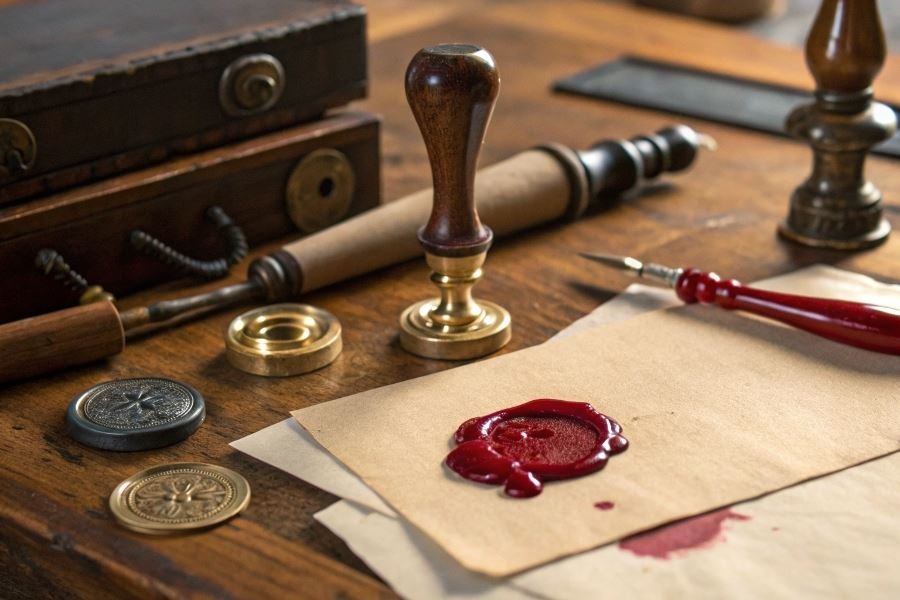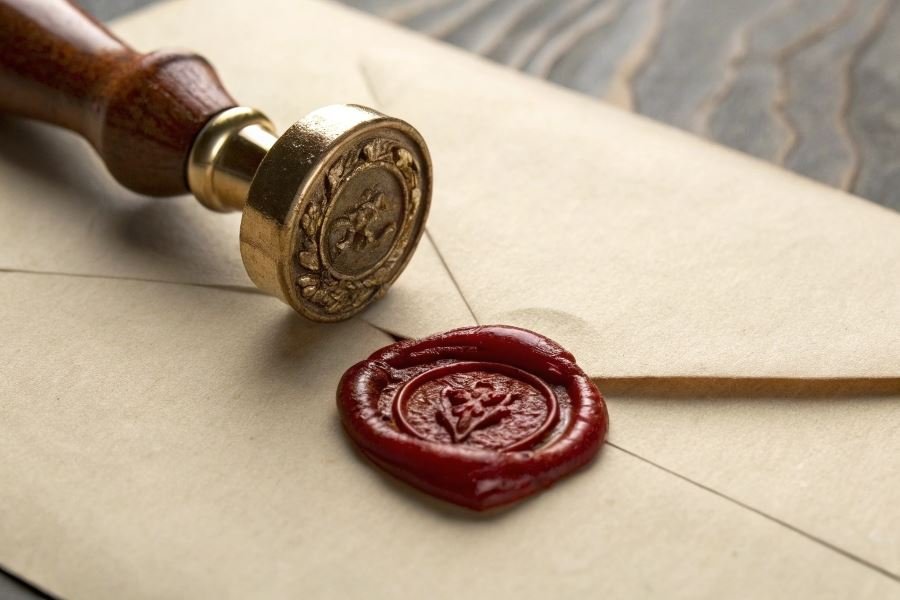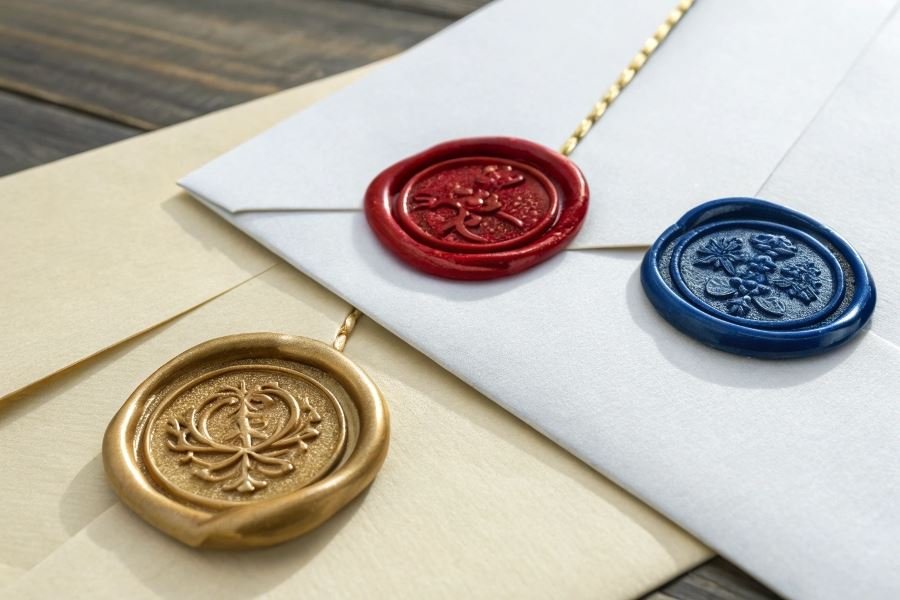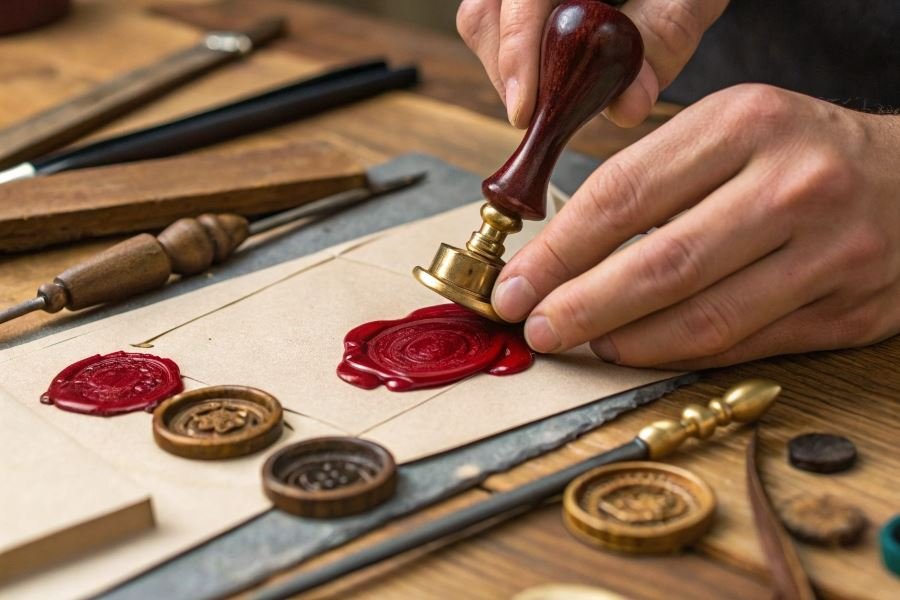
What do medieval monarchs, Jane Austen, and today’s luxury wedding invitations have in common? They all bear the distinctive mark of wax seals—those elegant emblems of authenticity that have transcended centuries of changing communication methods.
The practice of sealing documents with wax dates back to ancient Mesopotamia around 3500 BCE, where clay was initially used before wax became the preferred medium. By medieval times, sealing wax—typically a blend of beeswax, shellac, and pigments—had become the standard for authenticating royal decrees and private correspondence alike. Kings and nobles commissioned personalized seal stamps, often crafted from precious metals or carved stone, creating unique impressions that functioned as both signature and security feature.
“The materials you select for your wax sealing practice don’t just affect aesthetics—they determine durability, ease of use, and even the environmental impact of your correspondence art.”
Traditional sealing wax contained primarily beeswax, rosin, and pigments, requiring a flame to melt and careful timing to achieve the perfect impression. Modern formulations have evolved dramatically, with flexible wax blends containing synthetic polymers that resist cracking during mail transit. Today’s crafters can choose between traditional stick wax (melted by flame), contemporary wax beads (melted in spoons or glue guns), or even self-adhesive wax seals for convenience.
What’s particularly fascinating is how this ancient practice has experienced a remarkable renaissance. In our increasingly digital world, the tactile, personalized nature of a wax-sealed envelope or package represents something increasingly rare: thoughtful, tangible communication that cannot be replicated with a keyboard.
The Artisan’s Arsenal: Essential Materials for Sealing Wax Stamps
The resurgence of wax sealing isn’t just nostalgia—it’s a renaissance of tactile craftsmanship in our increasingly digital world. Behind every perfectly formed seal lies a carefully selected arsenal of materials that can make the difference between amateur attempts and professional results.
When exploring materials for sealing wax stamps, what to pay attention to when choosing quality components becomes crucial for achieving that perfect impression. The right combination of wax formulation, stamp construction, and supplementary tools creates not just a seal, but a personal statement that stands the test of time.
Traditional Sealing Wax Varieties
Stick wax remains the purist’s choice, offering exceptional control during application. These traditional sticks typically contain a blend of shellac, rosin, and pigments that create a hard, brittle seal that shatters upon tampering—precisely why they were favored for official documents throughout history.
Bead wax (sometimes called pellet wax) represents modern convenience without sacrificing quality. These small, uniform beads melt consistently and are ideal for:
- Multiple seals in succession
- Projects requiring precise color mixing
- Situations where measuring exact amounts matters
Wickless wax offers a flexible alternative that won’t crack during mailing. Unlike traditional formulations, these contain modern polymers that maintain their integrity while bending slightly under pressure.
| Wax Type | Melting Point | Best For | Durability |
|---|---|---|---|
| Stick Wax | High (150-180°F) | Official documents, display pieces | Brittle, shatters when tampered |
| Bead Wax | Medium (130-150°F) | Volume production, color mixing | Moderate flexibility |
| Wickless | Low (120-140°F) | Mailed items, everyday use | Highly flexible, mail-safe |
Stamp Materials That Make Their Mark
The material of your stamp dramatically affects both the impression quality and the stamping experience. Brass stamps offer exceptional durability and heat retention, allowing for more deliberate, unhurried stamping. Their weight provides natural pressure, creating clean impressions with minimal effort.
Copper stamps deliver similar benefits to brass but with slightly different thermal properties—they heat up faster but also cool more quickly, requiring a somewhat speedier technique.
For those seeking warmth and character, wooden handles paired with metal dies combine ergonomic comfort with impression quality. The natural insulation of wood prevents heat transfer to your fingers during extended stamping sessions.
Custom options have exploded in popularity, with artisans creating bespoke designs in materials ranging from sterling silver to 3D-printed resins. These personalized stamps transform a simple seal into a family crest, business logo, or artistic signature.
Supplementary Tools for Sealing Success
Even the finest wax and stamps require proper supporting tools. Melting spoons with elongated handles keep your fingers safely away from heat while providing precise control over wax placement.
Heating tools range from traditional alcohol lamps to modern electric wax warmers. The Sealing Wax Heater Pro offers temperature control within 5-degree increments, ensuring consistent melting without scorching delicate pigments.
Wax melters represent the professional’s choice for high-volume production. These devices maintain wax at the perfect working temperature, eliminating the stop-start rhythm of reheating and allowing for dozens of identical seals in rapid succession.
The difference between amateur and professional results often lies not in the main components but in these supporting players—the right melting vessel, a proper heat source, and tools for manipulating the wax as it transitions from liquid to solid.
Making the Right Choice in Sealing Wax Materials
The art of sealing with wax isn’t just about aesthetics—it’s about making informed decisions that balance beauty, function, and value. After exploring the various materials available, let’s synthesize what truly matters when selecting the perfect sealing wax for your correspondence or creative projects.
Matching Materials to Projects
Different correspondence demands different materials. The context of your seal application should drive your material selection:
Formal documents benefit from traditional stick wax with high beeswax content. The deep impression and classic appearance convey gravitas that synthetic alternatives simply can’t match.
Wedding invitations call for flexible wax with glue additives. These modern formulations resist cracking during postal handling while maintaining an elegant appearance—crucial when making that perfect first impression on guests.
Craft projects offer more flexibility. Here, you might prioritize vibrant colors and special effects available in modern wax beads, which melt at lower temperatures and are easier to work with.
The right sealing wax doesn’t just look appropriate—it communicates your intentions before your letter is even opened.
For business correspondence, consider wax seals with metallic finishes that complement your branding. Many professionals find that J. Herbin supple wax strikes the perfect balance between traditional appearance and modern durability.
Durability for Different Purposes
The journey your sealed item will take determines the durability requirements:
| Purpose | Recommended Material | Key Benefit |
|---|---|---|
| Display only | Traditional stick wax | Authentic appearance, deep impressions |
| Domestic mail | Flexible wax with adhesive | Crack resistance, postal-friendly |
| International shipping | Super-flexible wax | Maximum durability in varied conditions |
| Heirloom documents | Beeswax blends | Archival quality, ages beautifully |
Modern postal systems can be surprisingly rough on traditional wax seals. If your correspondence will travel through automated sorting machines, flexible wax formulations from manufacturers like Atelier Gargoyle offer significantly improved survival rates.
For items that will be handled frequently, such as journal covers or keepsake boxes, consider waxes with synthetic polymer additives that increase flexibility without compromising the traditional look.
Cost-Benefit Analysis
Premium materials command premium prices—but are they worth it?
Traditional stick wax ($15-25 per stick) offers unmatched authenticity but yields fewer seals per dollar. The investment makes sense for special occasions where tradition matters most.
Flexible wax beads ($10-15 per ounce) provide approximately 15-20 seals per ounce, making them more economical for volume projects while maintaining good quality.
Glue gun wax sticks ($8-12 per pack) represent the most budget-friendly option, though with noticeable compromises in depth of impression and authentic appearance.
For those sending fewer than 20 sealed items annually, the premium materials from Nostalgic Impressions justify their cost through superior appearance and performance. However, wedding planners and businesses sending hundreds of sealed items might find the middle-tier options provide the best balance of quality and value.
The most overlooked factor in this equation? Time efficiency. Premium waxes often melt more predictably and create fewer failed impressions, potentially saving hours of frustration on important projects—a benefit that transcends mere material costs.
Discover the finest materials for creating elegant wax seals. Our comprehensive guide helps you select premium wax types, stamp materials, and essential tools for perfect impressions that withstand mailing and display.
Discover the finest materials for creating elegant wax seals. Our comprehensive guide helps you select premium wax types, stamp materials, and essential tools for perfect impressions that withstand mailing and display.