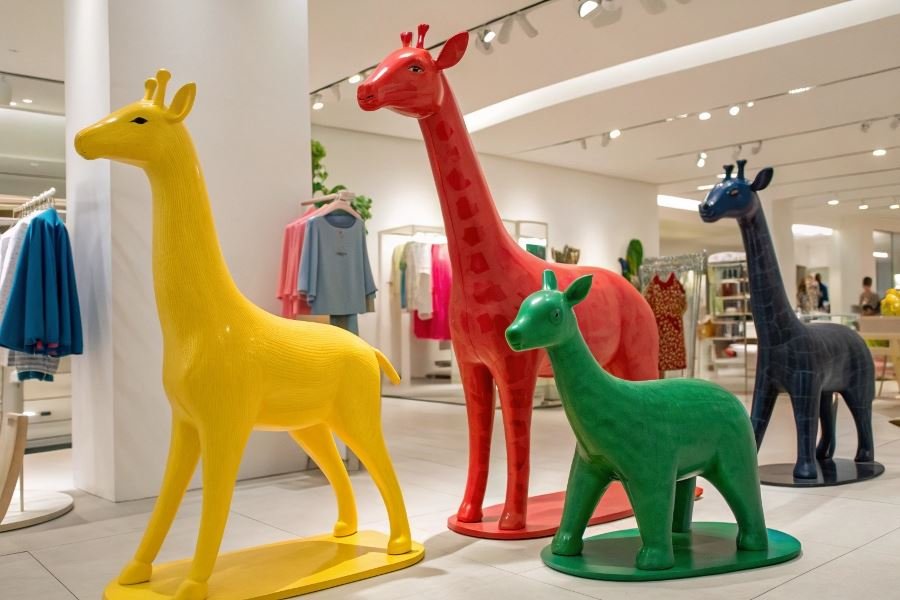
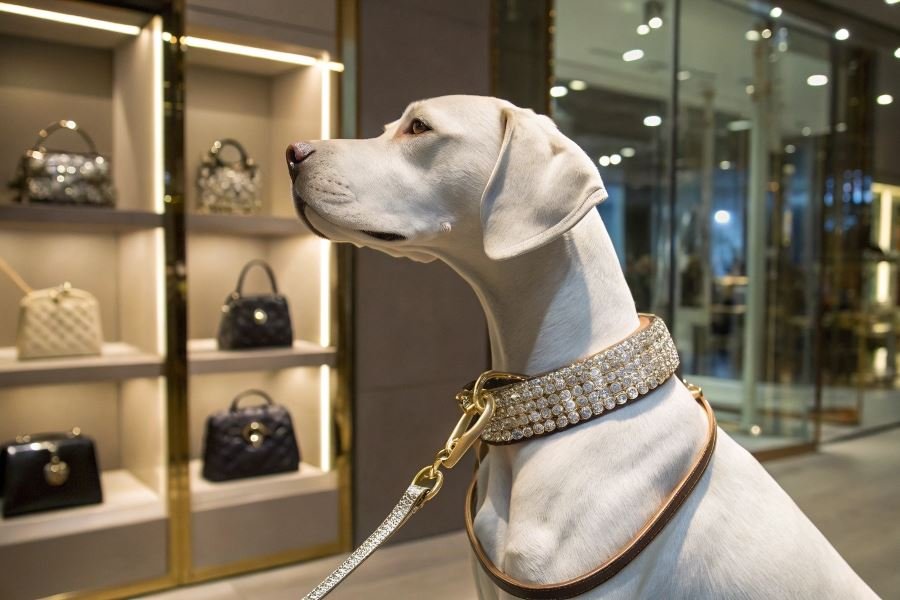
Ever walked into a pet store and found yourself drawn to a perfectly displayed dog collar or cat harness? That’s no accident—it’s the magic of animal mannequins at work.
Behind every successful pet retail display lies a carefully selected mannequin that transforms ordinary pet products into must-have items. These specialized forms have revolutionized how pet merchandise is presented, creating visual stories that connect with pet owners on an emotional level.
The silent salesforce in your pet store
Animal mannequins serve as the backbone of effective pet retail displays, performing three critical functions:
- Product demonstration: They show exactly how harnesses, collars, and clothing fit and function
- Visual merchandising: They create eye-catching displays that draw customers deeper into stores
- Brand storytelling: They help establish your store’s unique personality and market position
“Our sales increased by 32% after introducing realistic dog mannequins to showcase our premium collar collection,” reports the owner of Bark Avenue Boutique in Portland. This tangible impact explains why pet retailers increasingly view mannequins as investments rather than expenses.
Choosing the perfect pet mannequin
When selecting mannequins, successful pet retailers consider:
- Anatomical accuracy – Realistic proportions ensure products display correctly
- Material quality – Durability matters in high-traffic retail environments
- Customization options – Adjustable features accommodate various product lines
- Visual appeal – The mannequin itself should enhance your store aesthetic
The most forward-thinking pet retailers are embracing mannequins that reflect the diversity of pets their customers own—from specialized forms for brachycephalic breeds to mannequins designed for senior pets with different body compositions.
Animal Mannequins That Sell: A Breed-by-Breed Guide
Pet store merchandising has evolved dramatically, with display mannequins becoming essential tools for showcasing products and creating immersive shopping experiences. The most popular types of animal mannequins for pet stores span a wide range of species, sizes, and postures—each designed to highlight specific products while capturing the distinctive characteristics that pet owners recognize in their beloved companions.
Dog Mannequins: From Chihuahua to Great Dane
Dog mannequins dominate the pet display market, offering remarkable diversity to match the products they showcase. The bestselling models typically include:
Standard Breed Representations:
- Labrador Retrievers (medium-standing and sitting poses)
- German Shepherds (alert, standing position)
- French Bulldogs (sitting with characteristic head tilt)
- Golden Retrievers (standing with slightly raised paw)
Size variation is crucial, with mannequins typically categorized as:
| Size Category | Height Range | Weight Range | Best For Displaying |
|---|---|---|---|
| Small | 8-12″ | 2-5 lbs | Harnesses, small sweaters, collars |
| Medium | 14-20″ | 6-12 lbs | Standard apparel, everyday gear |
| Large | 22-30″ | 15-25 lbs | Winter coats, specialized equipment |
Posing options have expanded beyond basic standing positions to include sitting, lying down, and even playful stances that showcase active gear like hiking harnesses from Ruffwear or training equipment.
Cat Mannequins: Capturing Feline Subtleties
Cat mannequins require exceptional attention to anatomical detail, as feline products often depend on precise fit. The most sought-after models feature:
Realistic Features:
- Articulated necks (essential for collar display)
- Accurate ear positioning (critical for hood fitting)
- Natural spine curvature (for demonstrating harness comfort)
- Detailed facial features (whisker pads, eye shape)
Display versatility is paramount with cat mannequins, with retailers preferring models that can:
- Transition between sitting and standing positions
- Demonstrate both relaxed and alert postures
- Showcase both kitten and adult cat proportions
Premium cat mannequins now include interchangeable tails that can be positioned to demonstrate how apparel accommodates this essential feline feature—a detail particularly important for brands like Kitty Holster that specialize in cat-specific products.
Small Animal Mannequins: The Specialty Market
The small animal segment has seen remarkable growth, particularly as exotic pet ownership increases:
Rodent Displays:
- Hamster and guinea pig models (typically in transparent habitats)
- Rabbit mannequins with adjustable ear positions
- Ferret models in elongated poses for harness display
Bird Mannequins:
- Perched parakeet and cockatiel forms
- Larger parrot models with articulated wings
- Specialized models for showcasing aviaries from Prevue Pet Products
Reptile Solutions:
- Anatomically correct bearded dragon forms
- Coiled and extended snake mannequins
- Gecko models with specialized toe pads
- Terrarium-integrated display systems
The technical sophistication of these smaller mannequins has improved dramatically, with materials that mimic scales, feathers, and fur textures with unprecedented realism. Many now incorporate internal armatures that allow for pose adjustments without compromising the exterior finish.
For specialty retailers, combination displays featuring multiple species have become increasingly popular, allowing customers to visualize how different habitat components from manufacturers like Exo Terra work together in a complete ecosystem.
Maximizing Your Investment in Pet Store Mannequins
Quality vs cost balancing act
When investing in pet mannequins, the quality-cost equation demands careful consideration. Premium mannequins from manufacturers like DisplayForm typically range from 150−500, while budget options hover around 75−120. The difference? Premium models feature articulated joints, realistic fur textures, and anatomically correct proportions that showcase pet apparel exactly as it would appear on a living animal.
The hidden ROI factor: High-quality mannequins typically last 5-7 years with proper care, compared to budget versions that often need replacement after 18-24 months. This translates to a significantly lower cost-per-use for premium options.
A mid-tier pet boutique in Portland reported a 32% increase in accessory sales after upgrading from basic to premium dog mannequins, recouping their investment within four months.
Material matters for longevity
The material selection dramatically impacts both maintenance requirements and lifespan of your pet mannequins:
| Material | Average Lifespan | Maintenance Level | Best For |
|---|---|---|---|
| Fiberglass | 7-10 years | Low (occasional dusting) | High-end apparel displays |
| Hard Plastic | 4-6 years | Medium (susceptible to scratches) | General merchandise |
| Soft Foam | 2-3 years | High (prone to compression damage) | Temporary displays |
| Wire Frame | 5-8 years | Low (may need occasional reshaping) | Lightweight accessories |
Fiberglass mannequins from Genesis Mannequins offer exceptional durability but come at premium prices. Their non-porous surface resists staining and allows for easy cleaning with standard disinfectants—a crucial consideration for high-traffic stores where mannequins are frequently handled.
Maintenance tip: Rotate mannequins quarterly to prevent color fading from prolonged exposure to store lighting. This simple practice can extend aesthetic lifespan by up to 40%.
Hard plastic models strike an effective balance between durability and cost, though they require protective spray treatments every 6-8 months to prevent yellowing and maintain their appearance.
Strategic implementation drives sales
The strategic placement and rotation of mannequins can dramatically influence purchasing decisions:
Window displays: Position realistic mannequins wearing seasonal merchandise at eye level. Data from RetailNext indicates that dynamic window displays featuring pet mannequins increase store entry rates by up to 24%.
Cross-merchandising power: Place mannequins wearing complementary product combinations—like a dog mannequin sporting both a harness and matching bandana—to encourage multi-item purchases. Stores implementing this approach report average transaction values increasing by 15-22%.
Rotate your mannequin displays every 2-3 weeks to create perception of fresh inventory, even when merchandise remains consistent.
Size representation matters: Displaying the same outfit on different sized mannequins (small, medium, large breeds) helps customers visualize fit for their specific pets. PetSmart stores implementing this approach saw a 28% reduction in apparel returns due to sizing issues.
The most successful pet retailers treat mannequins as silent salespeople rather than mere display tools. By investing in quality, maintaining them properly, and deploying them strategically throughout your store, these inanimate ambassadors can dramatically enhance the customer experience and drive substantial sales growth.
Discover the 10 most effective animal mannequins for pet store displays in 2025. From realistic dog and cat models to versatile small animal options, learn how to select quality displays that boost sales and enhance your merchandising strategy.
Discover the 10 most effective animal mannequins for pet store displays in 2025. From realistic dog and cat models to versatile small animal options, learn how to select quality displays that boost sales and enhance your merchandising strategy.