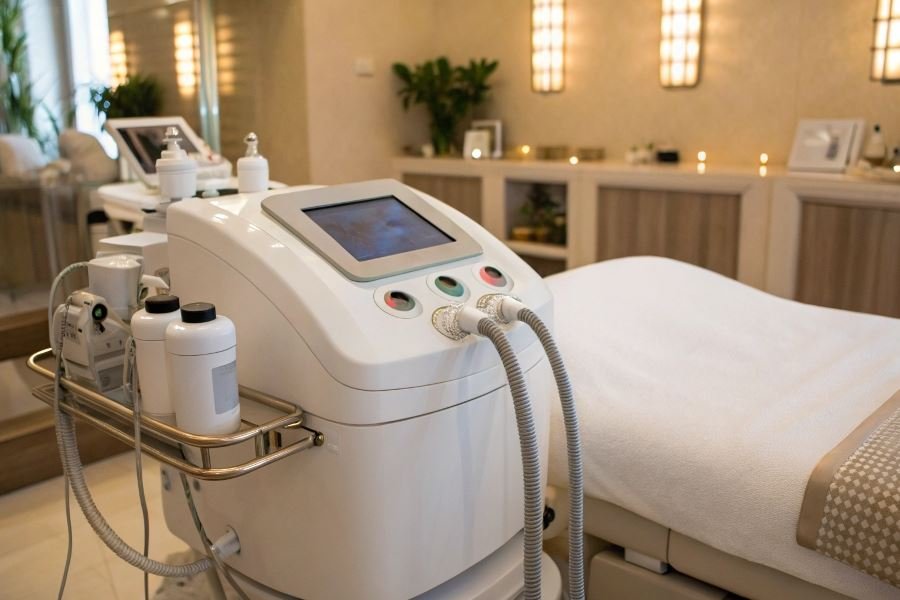
What if you could sculpt your body without a single incision? This isn’t science fiction—it’s the reality of modern cosmetic technology that’s transforming how we approach body enhancement.
The landscape of body transformation has dramatically shifted. Traditional surgical procedures like liposuction are increasingly being complemented—and sometimes replaced—by sophisticated devices that promise similar results without the recovery time. Sales of at-home body contouring devices have surged by 38% since 2020, reflecting consumers’ growing preference for non-invasive solutions.
Not all body sculpting technologies are created equal, however. The market offers two distinct categories: fat reduction and muscle toning devices. Fat reduction technologies like cryolipolysis (fat freezing) and radiofrequency treatments target and eliminate fat cells, while muscle stimulation devices use electromagnetic energy to trigger thousands of muscle contractions—essentially delivering a super-workout while you relax.
“The key difference is in the mechanism and results: fat reduction creates contour by eliminating volume, while muscle toning creates definition by building structure,” explains Dr. Miranda Chen, cosmetic technology researcher.
Setting realistic expectations
Perhaps the most crucial aspect of exploring body contouring devices is understanding what they can—and cannot—deliver. These technologies offer gradual, subtle improvements rather than dramatic overnight transformations. Most devices require 8-12 weeks of consistent use before revealing noticeable results, and maintenance sessions are typically necessary to preserve those changes.
The effectiveness also varies significantly based on:
- Your starting body composition
- Consistency of use
- Complementary lifestyle habits
- Quality of the device itself
When selecting a device, prioritize FDA-cleared options with clinical studies supporting their claims—your body deserves nothing less than evidence-based technology.
The Smart Buyer’s Guide to Body Contouring Devices
When investing in a body contouring device, you’re essentially bringing medical-grade technology into your home. The market has exploded with options promising to sculpt, tighten, and tone without surgery. But not all devices deliver on their promises. Selecting the right cosmetic devices for body contouring requires attention to several critical factors that separate effective tools from expensive paperweights.
FDA Clearance: Your First Safety Filter
The FDA clearance process isn’t just bureaucratic red tape—it’s your protection. Devices with FDA clearance have undergone rigorous testing to ensure they won’t cause harm when used as directed.
Look beyond the marketing claims for specific clearance language. A legitimate device will clearly state its FDA status, typically as “FDA-cleared for [specific purpose].” Many manufacturers use vague wording like “uses FDA-cleared technology”—this is a red flag. The difference? One has been evaluated for safety and efficacy; the other merely borrows concepts from approved devices.
Remember: FDA clearance is purpose-specific. A device cleared for temporary cellulite reduction isn’t necessarily cleared for permanent fat removal.
Technology Types: The Science Behind the Sculpting
Body contouring technologies operate on fundamentally different principles, each with distinct advantages:
| Technology | How It Works | Best For | Typical Results |
|---|---|---|---|
| Radiofrequency | Heats tissue to stimulate collagen production | Skin tightening, mild fat reduction | Gradual improvement over 2-3 months |
| Ultrasound | Uses sound waves to disrupt fat cells | Targeted fat reduction | Results visible after 8-12 weeks |
| Electromagnetic | Induces muscle contractions | Muscle toning, definition | Noticeable after 4-6 treatments |
Cynosure and BTL lead the professional-grade market, while Silk’n and NuFACE offer more accessible consumer options.
Radiofrequency devices like the Venus Legacy deliver heat at specific depths, making them versatile but requiring precise temperature control. The best RF devices offer adjustable settings and real-time temperature monitoring.
Ultrasound technology found in systems like Ultherapy provides more targeted treatment but requires greater technical expertise to use effectively.
Electromagnetic devices such as Emsculpt represent the newest frontier, literally forcing muscles to contract. These deliver impressive muscle-building results but come with a premium price tag.
Clinical Evidence: Separating Science from Marketing
The most compelling feature of any body contouring device isn’t listed on the box—it’s documented in peer-reviewed journals.
When evaluating claims, look for:
- Independent clinical studies not funded exclusively by the manufacturer
- Before and after documentation with consistent photography conditions
- Long-term follow-up data showing results at 6-12 months
- Sample sizes larger than 20 participants for statistical significance
The gold standard? Randomized controlled trials published in journals like the Journal of Cosmetic Dermatology or Dermatologic Surgery.
Avoid devices whose only “evidence” comes from celebrity endorsements or customer testimonials. While these can supplement clinical data, they should never replace it.
The most reputable manufacturers make their clinical studies accessible—if you can’t find evidence supporting a device’s claims after a 10-minute search, consider that telling.
Making Smart Investments in Body Contouring Technology
When navigating the landscape of body contouring devices, the final decision requires careful consideration of multiple factors beyond just the initial attraction to promised results. Let’s examine how to make truly informed choices that align with both your aesthetic goals and practical realities.
Balancing cost against genuine value
The price tags on body contouring devices range dramatically—from $200 handheld massagers to $3,000+ professional-grade systems. However, the true value equation extends far beyond the initial purchase price:
- Cost per treatment often reveals the real economics at play. A $2,500 device used 100 times costs $25 per session—potentially far less than spa treatments averaging $150-300 each.
- Technology longevity matters tremendously. Premium devices from established manufacturers like Tripollar and NuFACE typically incorporate more durable components and offer firmware updates that extend functional lifespan.
The cheapest option rarely delivers the best value. Calculate your investment across the device’s expected lifetime rather than focusing solely on upfront costs.
Many users report that mid-tier devices ($800-1,500) often hit the sweet spot between effectiveness and affordability, particularly when backed by solid clinical studies and user testimonials.
Understanding ongoing commitments
Body contouring devices aren’t “set and forget” purchases. Their effectiveness depends heavily on proper maintenance and consistent use:
Maintenance requirements vary significantly:
| Technology Type | Replacement Parts | Cleaning Needs | Expected Lifespan |
|---|---|---|---|
| RF Devices | Gel refills, electrode replacements | Moderate | 3-5 years |
| Ultrasonic | Conductive gel, transducer heads | High | 2-4 years |
| LED Systems | Minimal parts | Low | 5-7+ years |
| Vacuum/Massage | Filters, attachments | Moderate | 3-5 years |
Beyond maintenance, consider the time investment required. Most devices demand 15-30 minute sessions, 2-3 times weekly, for 8-12 weeks to achieve initial results. Maintenance protocols typically require 1-2 sessions weekly thereafter.
When professional guidance becomes essential
While the DIY approach appeals to many, certain situations warrant professional consultation before investing:
- Medical conditions including diabetes, circulation disorders, or pregnancy create contraindications for many technologies
- Prescription medications may cause photosensitivity or reduce effectiveness of certain treatments
- Complex body contouring goals involving multiple areas or significant changes often benefit from professional assessment
Dermatologists and board-certified aesthetic physicians can provide personalized recommendations based on your skin type, body composition, and health history. Many offer consultations for $100-200—a worthwhile investment before spending thousands on potentially unsuitable equipment.
The most successful users typically combine at-home technologies with occasional professional treatments for comprehensive results. This hybrid approach leverages the convenience of home devices while benefiting from the higher-powered technologies available in clinical settings.
Discover the most effective body contouring devices of 2025. Learn how to choose between fat reduction and muscle toning technologies, understand FDA clearances, and make smart investments in non-invasive cosmetic solutions.
Discover the most effective body contouring devices of 2025. Learn how to choose between fat reduction and muscle toning technologies, understand FDA clearances, and make smart investments in non-invasive cosmetic solutions.