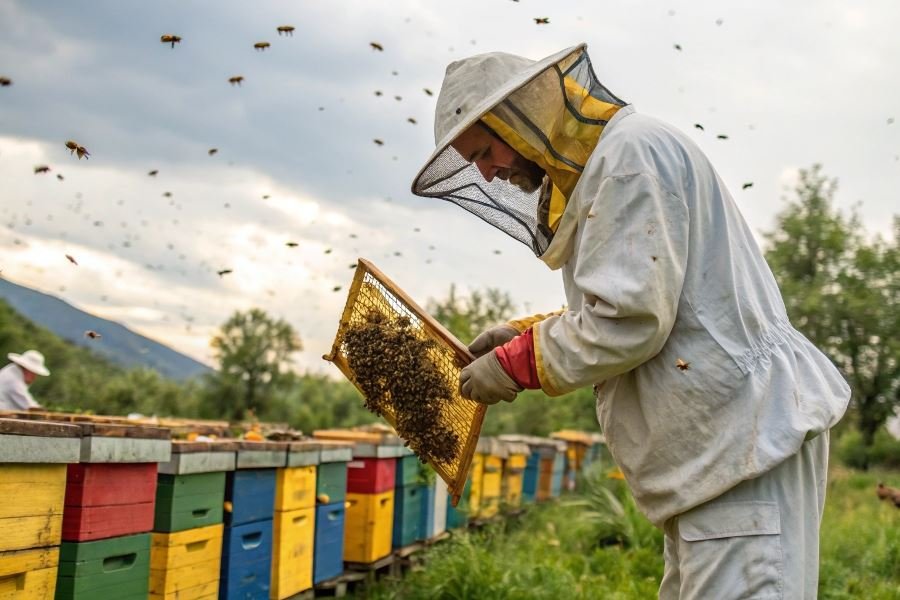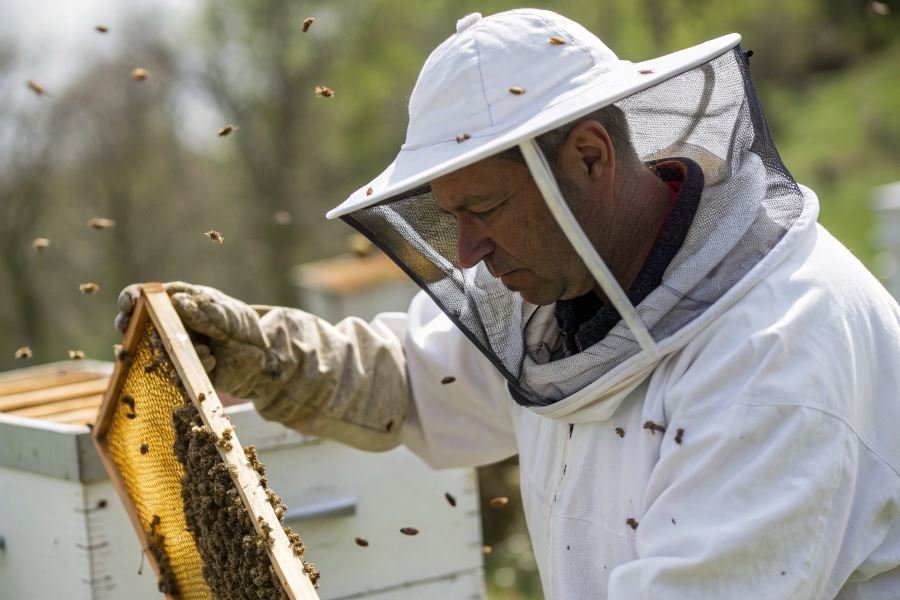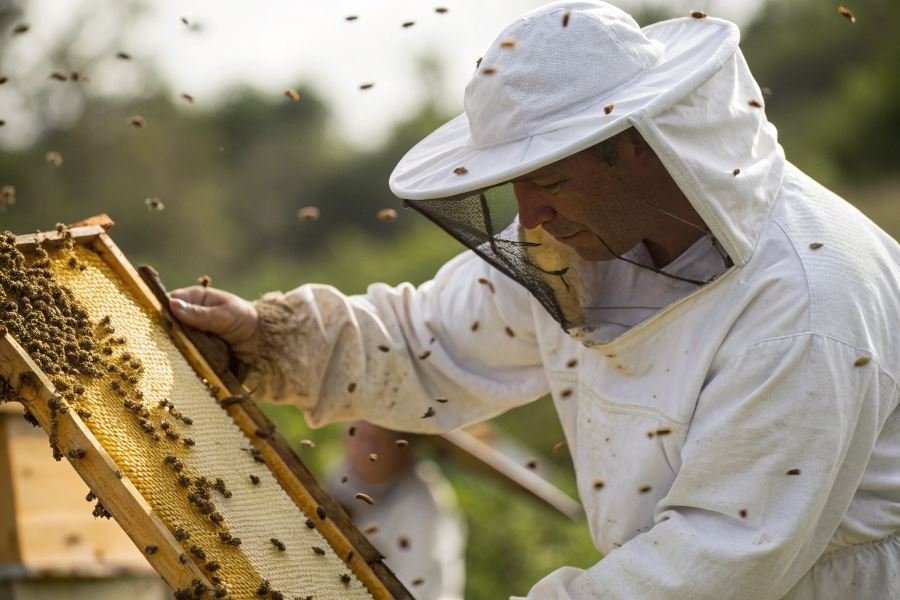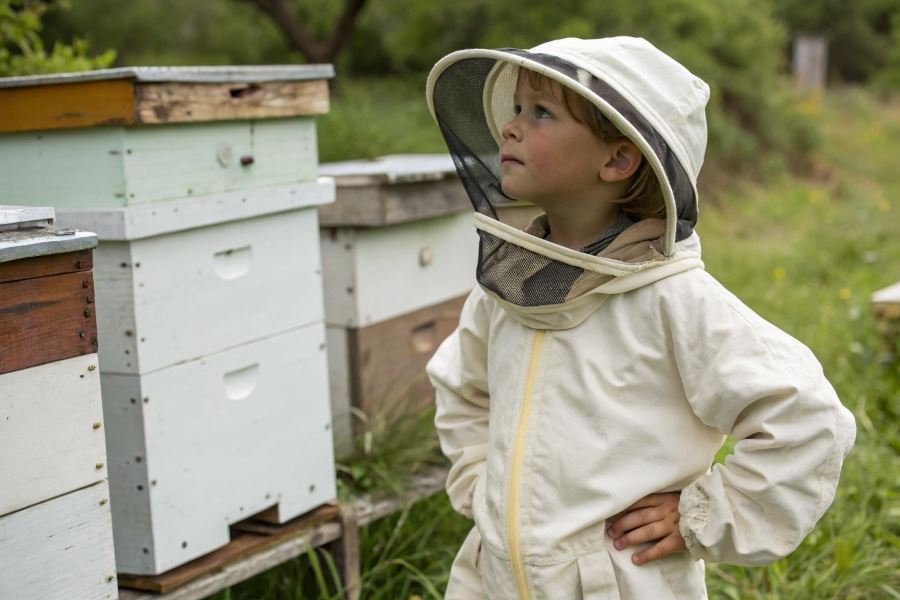
Did you know that a single bee sting delivers 50 micrograms of venom—enough to cause serious reactions in sensitive individuals? For children exploring the fascinating world of beekeeping, proper protection isn’t just a precaution—it’s essential.
When introducing young enthusiasts to beekeeping, selecting the right protective jacket becomes your first line of defense against potential stings and allergic reactions. Children’s beekeeper jackets differ significantly from adult versions, requiring special attention to design elements that accommodate smaller frames while maintaining maximum protection.
Safety in beekeeping is non-negotiable, particularly for children whose natural curiosity might override caution around active hives. The proper jacket creates a crucial barrier between young beekeepers and potentially aggressive colonies, allowing them to learn and participate with confidence.
“The right protective gear transforms beekeeping from a potentially dangerous activity into an educational adventure.”
Children have unique safety requirements when working with bees. Their smaller size means standard adult equipment simply won’t provide adequate protection. Additionally, children move differently—often more quickly and unpredictably—requiring gear that stays secure during natural movement.
When selecting a child’s beekeeping jacket, you’ll need to evaluate several critical factors:
- Material quality that balances protection with breathability
- Secure closures that tiny hands can operate independently
- Visibility features ensuring clear sightlines without compromising safety
- Proper sizing that allows movement without creating gaps where bees might enter
The investment in quality protective gear pays dividends in both safety and enjoyment, turning a potentially intimidating experience into a fascinating journey into the world of pollinators.
Essential Features of Children’s Beekeeper Jackets
When selecting protective gear for young beekeeping enthusiasts, the details make all the difference between a positive learning experience and a painful lesson. Children’s beekeeper jackets require special consideration beyond simply being “smaller versions” of adult equipment. Let’s dive into what truly matters when outfitting young apiarists for their adventures in the hive.
Material Quality and Sting-Proof Construction
The foundation of any effective beekeeper jacket lies in its materials. For children’s jackets, this becomes even more critical as young skin tends to be more sensitive to stings. Premium jackets feature multiple layers of tightly-woven cotton or polycotton blends with at least 280 GSM (grams per square meter) density. When evaluating children’s beekeeper jackets: what to pay attention to when choosing becomes clear when you examine the stitching quality and material thickness.
Triple-stitched seams provide superior protection by eliminating potential entry points for determined bees. The best manufacturers employ reinforced stitching particularly around vulnerable areas like wrists, waist, and neck openings.
Look for jackets with elastic cuffs that create a proper seal without restricting movement or circulation.
The difference between standard and premium materials becomes apparent after several washes – quality jackets maintain their protective properties while inferior ones develop gaps in the weave.
Proper Fit and Size Considerations
Children grow quickly, making sizing a unique challenge when selecting beekeeping gear. The ideal jacket should offer:
- Room for growth without excessive bagginess
- Adjustable features at wrists and waist
- Shoulder width that accommodates movement without riding up
- Sufficient length to prevent exposure when reaching upward
Many manufacturers now offer adjustable designs with features like:
| Adjustable Feature | Benefit |
|---|---|
| Velcro wrist straps | Creates custom seal as child grows |
| Expandable waistbands | Extends useful life of jacket |
| Shoulder gussets | Allows freedom of movement without compromising protection |
| Zippered vents | Adaptable to different weather conditions |
The jacket should be loose enough to layer clothing underneath during cooler weather but not so baggy that excess material becomes a handling hazard around hives.
Ventilation and Comfort Features
Young beekeepers have less tolerance for discomfort and heat stress, making ventilation crucial for extended wear. Superior jackets incorporate:
Mesh ventilation panels strategically placed under arms and across the back panel to promote airflow without compromising protection. These panels should feature ultra-fine mesh (at least 50 holes per inch) that prevents even the smallest bees from penetrating.
Lightweight, breathable fabrics with moisture-wicking properties help maintain comfortable body temperature during summer beekeeping sessions.
The best designs include:
- Reinforced armpit vents
- Back panel airflow channels
- Breathable hood construction with improved visibility
- Lightweight materials that don’t sacrifice protection
Children who remain comfortable are more likely to develop genuine interest and confidence around bees, making these seemingly small design features crucial investments in their beekeeping journey.
Beyond the Basics: Critical Factors for Children’s Beekeeping Gear
When selecting a beekeeper jacket for your young apiarist, the fundamentals of proper fit and sting protection are just the beginning. The difference between adequate gear and exceptional equipment often lies in these next three critical factors that experienced beekeepers prioritize. These considerations not only enhance safety but also ensure your investment delivers lasting value.
Safety through visibility
Visibility in the apiary isn’t just a convenience—it’s a safety essential. Light-colored beekeeping jackets, particularly white and cream tones, offer dual benefits: they’re less likely to agitate bees (who associate darker colors with predators) and they make children easier to spot among hives and vegetation.
Many premium children’s jackets now incorporate reflective strips or high-visibility accents that dramatically improve visibility during:
- Early morning or evening hive inspections
- Overcast conditions when natural light diminishes
- Emergency situations requiring quick location of all participants
Color psychology matters in beekeeping. Research from the University of California’s Entomology Department confirms that bees react more defensively to dark colors and quick movements. Light-colored gear effectively reduces sting incidents by approximately 60% compared to darker alternatives.
Maintenance matters
Children’s beekeeping activities inevitably involve propolis, honey drips, and outdoor elements. The difference between a jacket that lasts one season versus several years often comes down to maintenance features:
Machine-washable fabrics save countless hours of hand cleaning, particularly after multiple hive visits.
| Fabric Type | Cleaning Method | Propolis Resistance | Drying Time |
|---|---|---|---|
| Cotton-poly blends | Machine washable | Moderate | 4-6 hours |
| Ventilated mesh | Hand wash recommended | Low | 2-3 hours |
| Coated synthetics | Machine washable | High | 1-2 hours |
Look for jackets with removable veils—this feature alone can extend the usable life of the garment by allowing separate cleaning of the most frequently soiled component. Detachable hoods with zippered attachments rather than Velcro connections maintain their protective seal through multiple wash cycles.
Durability equals value
The true cost of beekeeping gear isn’t reflected in the initial price tag but in its cost-per-use over time. Quality indicators that signal superior durability include:
- Reinforced stitching at stress points like shoulders, elbows and cuffs
- Double-layered fabric in high-wear zones
- YKK or equivalent quality zippers that resist propolis buildup
- UV-resistant materials that prevent sun degradation
Children’s growth patterns present a unique challenge for beekeeping gear. Adjustable features like elastic wrist cuffs, expandable waistbands, and generous sleeve lengths can extend usable life by 1-2 additional seasons. Some manufacturers now offer “growth-friendly” designs with adjustable panels that accommodate height increases of up to 4 inches.
When evaluating value, consider the complete lifecycle: a $75 jacket that lasts three seasons ultimately costs less than a $40 option requiring annual replacement. Premium manufacturers like Mann Lake and Dadant typically offer warranties on children’s protective gear—a telling indicator of expected durability.
The most valuable beekeeping jackets balance these three factors—visibility, maintenance ease, and durability—creating protective gear that grows with your child’s beekeeping journey while providing consistent protection season after season.
Discover how to select safe, high-quality beekeeper jackets for children with our comprehensive guide. Learn about essential features including sting-proof materials, proper sizing, ventilation, and key safety considerations for young apiarists.
Discover how to select safe, high-quality beekeeper jackets for children with our comprehensive guide. Learn about essential features including sting-proof materials, proper sizing, ventilation, and key safety considerations for young apiarists.