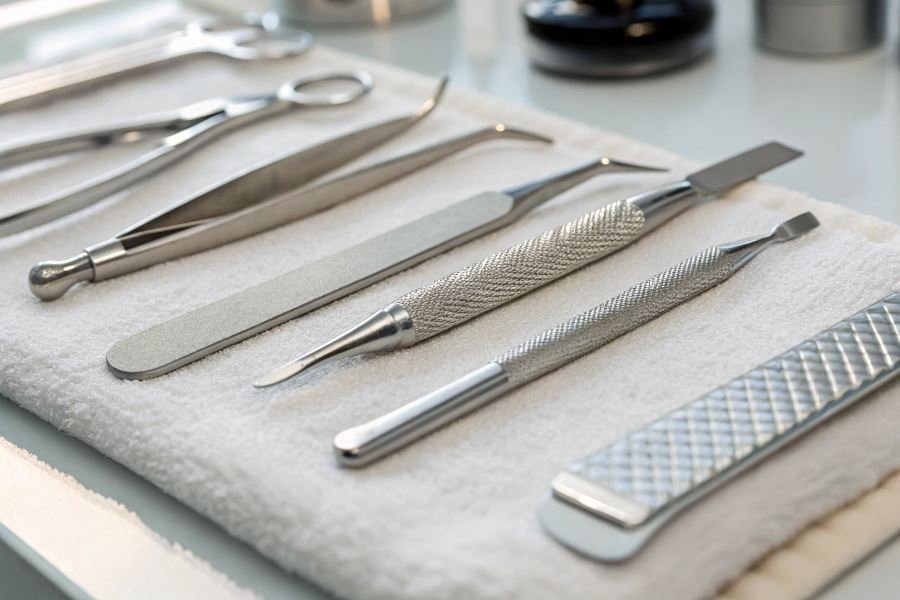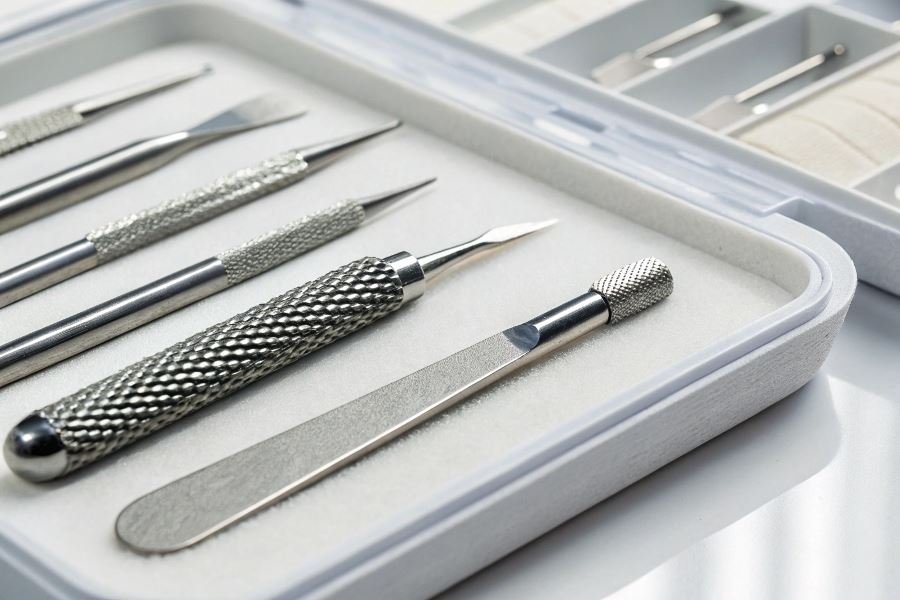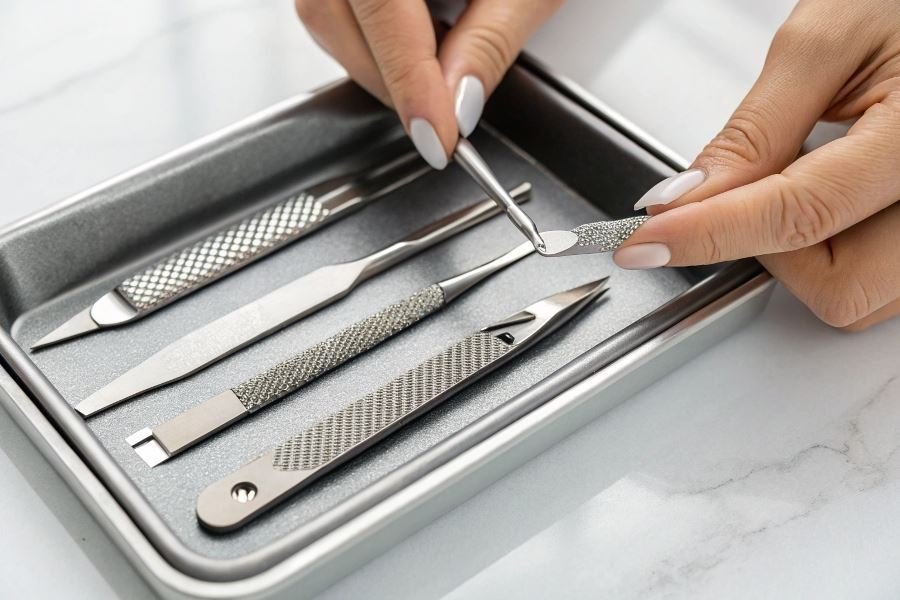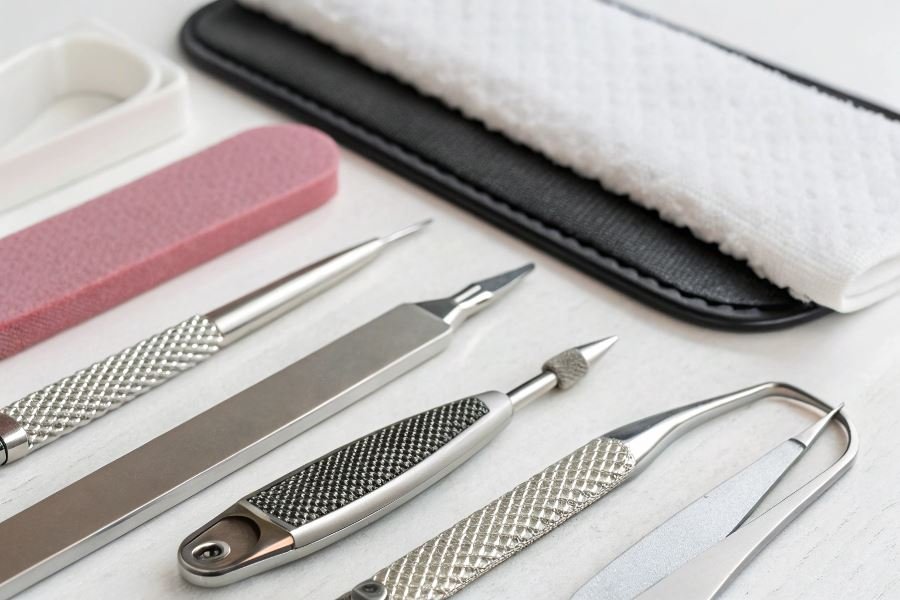
Ever wondered why some pedicure treatments leave your feet silky smooth while others barely make a difference? The secret lies not in the machine itself, but in the tiny metal attachment at its end: the blade.
Pedicure machine blades are the unsung heroes of foot care, with each type designed for specific challenges and skin conditions. From callus removal to precision nail work, these specialized tools transform ordinary foot maintenance into professional-grade treatments. The difference between amateur and expert results often comes down to selecting the right blade for the job.
Why blade selection matters more than you think
The impact of proper blade selection extends beyond aesthetics. Using the wrong blade can lead to skin irritation, ineffective treatment, or even minor injuries. Professional podiatrists and nail technicians understand that different foot conditions require specific approaches:
“The right blade can reduce treatment time by 40% while significantly improving client comfort and results,” notes the American Podiatric Medical Association in their 2023 professional guidelines.
When evaluating pedicure machine blades, three factors stand out as critical:
- Material composition – Surgical-grade stainless steel offers durability and precision, while ceramic blades provide gentler treatment for sensitive skin
- Cutting angle – Blades with 15-45 degree angles serve different purposes, from aggressive callus removal to delicate cuticle work
- Rotation compatibility – Ensuring your blade matches your machine’s RPM range prevents premature wear and inconsistent results
For both professionals and home users, understanding these distinctions transforms ordinary foot care into an effective, customized treatment that addresses specific needs while maintaining optimal foot health.
The Ultimate Guide to Pedicure Machine Blades: Choosing Your Perfect Match
When it comes to professional foot care, the difference between mediocre and exceptional results often comes down to one critical factor: your choice of bits. Understanding the types of blades for a pedicure machine and what makes each unique isn’t just technical trivia—it’s essential knowledge that transforms both the experience and outcome of every treatment.
Let’s dive into the fascinating world of pedicure machine bits, exploring how each type offers distinct advantages for different skin conditions, techniques, and desired results. The right bit can mean the difference between client discomfort and a luxurious experience they’ll eagerly return for.
Diamond Bits: The Precision Powerhouses
Diamond bits represent the gold standard in pedicure technology. These bits feature a metal base coated with diamond particles of varying grits—from coarse to ultra-fine.
Key advantages:
- Exceptional durability (can last 6-12 months with proper care)
- Precise control for detailed work
- Minimal vibration during operation
- Effective on both soft and hardened skin
Diamond bits excel when treating specific foot conditions. For thick calluses, a coarse grit (80-100) provides efficient removal, while medium grits (150-180) offer perfect balance for general maintenance. When working near sensitive areas or finishing treatments, fine grits (240+) deliver gentle smoothing without risk of micro-tears.
Pro tip: Diamond bits generate less heat than other options, making them ideal for clients with diabetes or circulation issues where temperature sensitivity is a concern.
Ceramic Bits: The Cool Operators
Ceramic bits have revolutionized pedicure treatments for heat-sensitive clients. These bits are manufactured from high-grade ceramic materials that resist heat buildup during extended use.
Standout features:
- Superior heat dissipation (up to 60% cooler operation)
- Gentle on sensitive skin
- Self-cleaning properties that resist clogging
- Lightweight design reducing operator fatigue
The ideal scenarios for ceramic bits include treatments for elderly clients, those with thin skin, or anyone with heightened sensitivity. Their smooth operation makes them perfect for maintenance pedicures where gentle exfoliation is the goal rather than aggressive callus removal.
| Ceramic Bit Type | Best For | Replacement Frequency |
|---|---|---|
| Barrel | General smoothing | 3-4 months |
| Cone | Cuticle areas | 2-3 months |
| Cylinder | Nail surface work | 3-4 months |
Carbide Bits: The Heavy-Duty Specialists
When confronting severely thickened skin or stubborn calluses, carbide bits deliver unmatched cutting efficiency. These bits feature sharp cutting edges arranged in various patterns on hardened metal.
Performance highlights:
- Exceptional cutting power for tough calluses
- Precise removal of problematic areas
- Ability to work quickly on hardened skin
- Durability in challenging conditions
Carbide bits come in various tooth configurations—fine, medium, and coarse—each designed for specific applications. Coarse carbide bits make quick work of thick heel calluses, while fine-tooth versions provide controlled finishing work.
Safety note: Carbide bits require experienced handling as their aggressive cutting action can remove skin quickly. They’re best used at lower speeds (10,000-15,000 RPM) with light pressure to prevent over-filing.
The strategic combination of these three bit types in your professional arsenal ensures you’re prepared for any foot care challenge. By matching the right bit to each specific task, you’ll deliver consistently superior results while maximizing client comfort and satisfaction.
Mastering Your Blade Selection for Perfect Pedicures
When it comes to professional-grade pedicures, your blade selection strategy can make the difference between mediocre results and transformative foot care. Let’s dive into how to match the right tools to specific conditions, maintain your investment, and build a collection that handles everything from callus removal to precision detailing.
Matching blades to foot conditions
Different foot conditions demand specialized approaches. Here’s how to pair common challenges with the perfect blade:
For stubborn calluses: Diamond-coated bits (180-240 grit) provide aggressive removal without causing trauma. These powerhouses cut through even the toughest buildup while minimizing client discomfort.
For sensitive skin conditions: Ceramic bits operating at lower speeds (15,000-20,000 RPM) offer gentle exfoliation for clients with diabetes, circulation issues, or thin skin. The reduced heat generation makes these ideal for compromised tissue.
Precision matters when addressing fungal concerns. Specialized sapphire bits with antimicrobial properties help prevent cross-contamination while providing the detailed work needed around affected areas.
For everyday maintenance, tungsten carbide cutters strike the perfect balance between effectiveness and versatility:
| Foot Condition | Optimal Blade Type | Recommended Speed |
|---|---|---|
| Heavy calluses | Diamond (80-120 grit) | 25,000-30,000 RPM |
| Moderate thickening | Tungsten carbide | 20,000-25,000 RPM |
| Sensitive/thin skin | Ceramic | 15,000-20,000 RPM |
| Precision work | Sapphire | 18,000-22,000 RPM |
The most common mistake professionals make is using a single blade type for all conditions. Your approach should be as unique as each client’s feet.
Extending blade lifespan through proper care
Quality pedicure bits represent a significant investment, but with proper maintenance, they’ll deliver consistent results for years:
Daily cleaning protocol: After each use, brush bits with a designated cleaning tool to remove debris. Follow with an ultrasonic cleaner containing an EPA-registered disinfectant solution for 10 minutes.
Weekly maintenance: Inspect bits for wear patterns and sanitize thoroughly. For diamond bits, use a diamond bit rejuvenator to remove embedded proteins and restore cutting efficiency.
Never store damp bits. This invites corrosion and microbial growth. Instead, dry completely and store in individual compartments to prevent dulling from contact with other tools.
Tungsten carbide bits require special attention—avoid soaking these in harsh chemicals as they can deteriorate the metal bonding. Instead, use specialized bit cleaners from manufacturers like Medicool or PodoMonium.
Building your professional blade collection
Start with these essentials for a versatile professional setup:
-
Core collection: Two diamond bits (coarse and medium), one tungsten carbide barrel, and one ceramic cone cover 90% of routine procedures.
-
Specialty additions: Add sapphire precision bits for detailed work around cuticles and nail folds.
-
Problem-solvers: Include specialized bits for unique challenges like ingrown toenails or particularly dense hyperkeratosis.
Begin with quality over quantity. A set of five premium bits from manufacturers like Busch or Lukas will outperform and outlast dozens of lower-quality alternatives.
Rotation strategy: Alternate between similar bits to extend their collective lifespan. This prevents any single bit from wearing prematurely while ensuring consistent results.
The most successful professionals maintain a documented inventory system, tracking each bit’s purchase date, usage frequency, and replacement schedule. This approach transforms blade selection from guesswork into a precise science—delivering predictable, exceptional results that keep clients returning.
Discover the essential differences between diamond, ceramic, and carbide pedicure machine blades. Learn how to select the perfect bit for professional-quality results based on specific foot conditions and treatment goals.
Discover the essential differences between diamond, ceramic, and carbide pedicure machine blades. Learn how to select the perfect bit for professional-quality results based on specific foot conditions and treatment goals.