Ever wondered why some pedicures leave your feet feeling like they’ve been reborn while others barely make a difference? The secret often lies not in the technique alone, but in the quality of the tools being used—specifically, the pedicure blades.
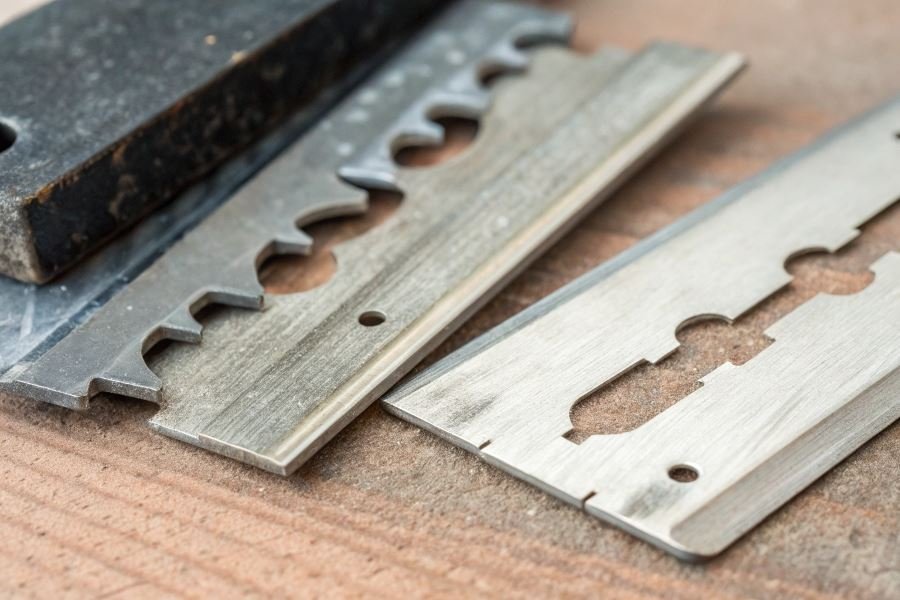
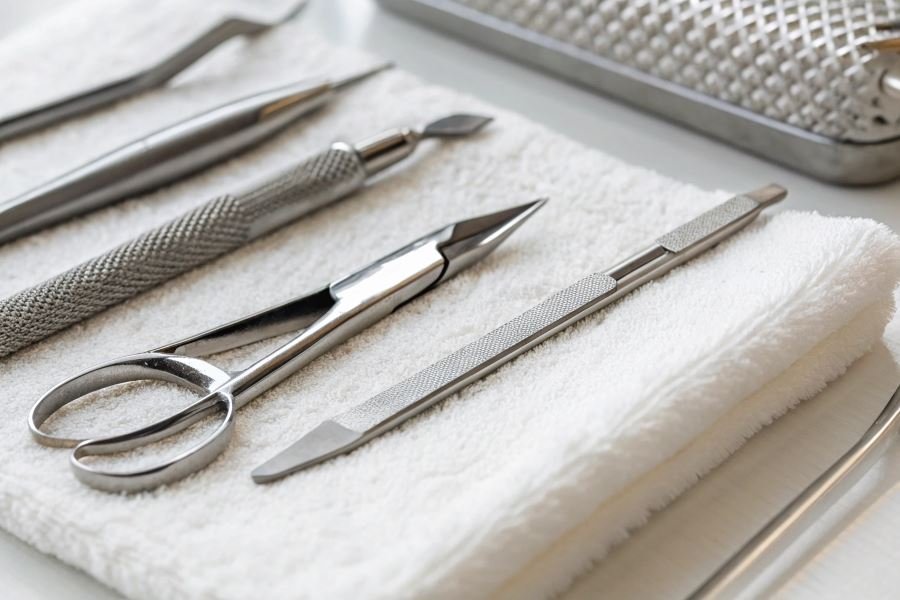
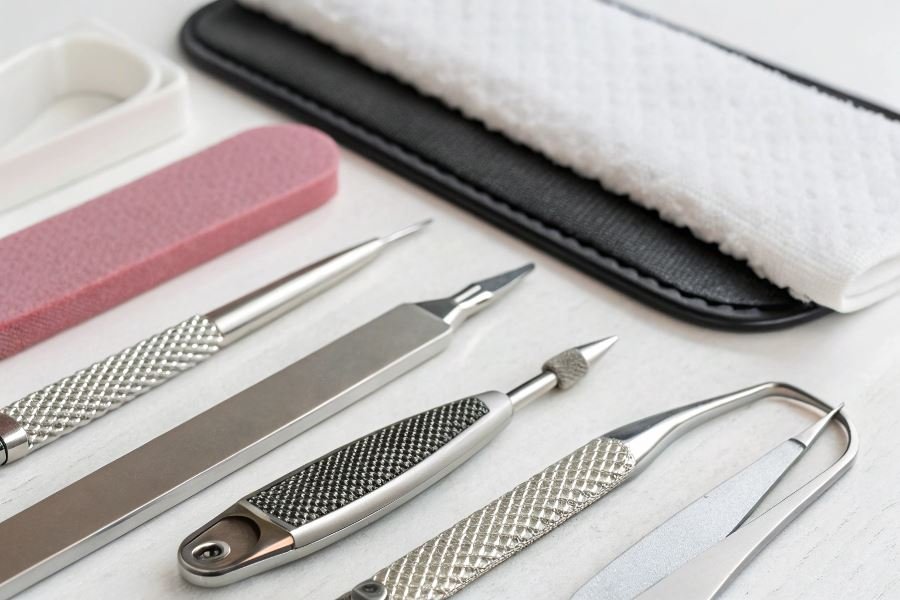
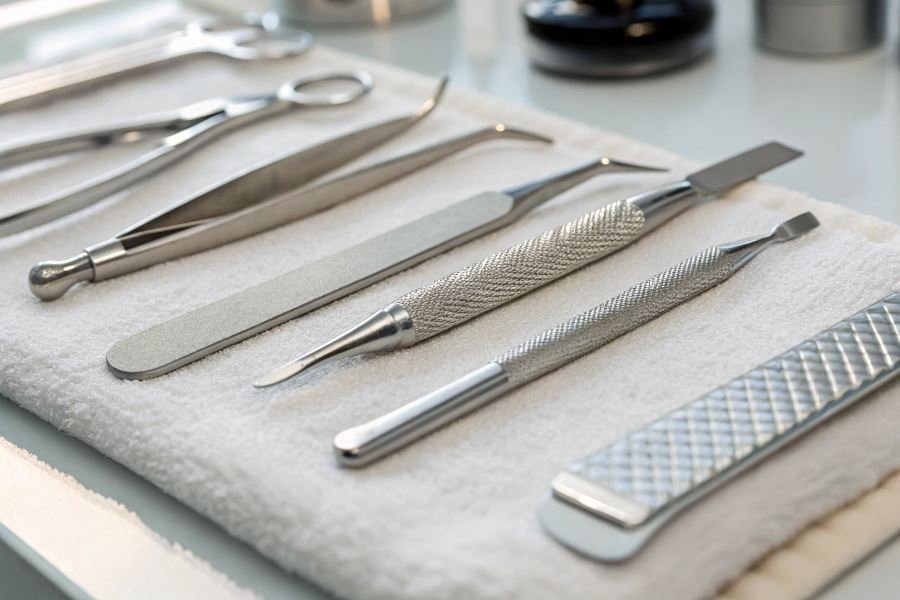
Professional pedicure blades are the unsung heroes of exceptional foot care. These precision instruments make the difference between simply removing calluses and truly transforming feet. Unlike their consumer-grade counterparts, professional blades offer superior sharpness, durability, and specialized designs that address specific foot conditions with remarkable efficiency.
The market offers an impressive array of professional options, each with distinct advantages:
- Stainless steel blades: The industry standard, offering excellent durability and easy sterilization
- Ceramic blades: Stay sharper longer and resist corrosion
- Disposable blades: Eliminate cross-contamination concerns entirely
- Specialized contour blades: Designed for hard-to-reach areas like toe crevices
“The quality of your blade determines not just the outcome, but the safety of every procedure.” — American Podiatric Medical Association guideline
Selecting the right blade isn’t merely about aesthetics—it’s fundamentally about safety. Dull or inappropriate blades increase the risk of nicks, cuts, and infections. They can also lead to excessive pressure application, potentially damaging healthy tissue. Conversely, precision-crafted blades allow for controlled, gentle removal of only the necessary callused skin, preserving the foot’s natural protective barriers.
For professionals and clinics, investing in quality blades ultimately translates to superior client outcomes, enhanced reputation, and reduced procedure time—a winning combination that justifies the initial higher cost many times over.
The Ultimate Guide to Professional Pedicure Blades
Professional pedicure blades are the unsung heroes of foot care excellence. The difference between a mediocre pedicure and one that leaves clients booking their next appointment before they leave often comes down to the quality of your tools. Let’s dive into what separates exceptional blades from the rest.
When selecting professional pedicure blades, what to pay attention to goes far beyond basic sharpness. The material composition, ergonomics, and maintenance requirements all play crucial roles in performance and longevity. These factors directly impact your efficiency, client comfort, and ultimately, your reputation as a foot care professional.
Surgical-grade steel versus standard options
The material composition of your pedicure blades fundamentally determines their performance and lifespan. Premium blades typically feature surgical-grade stainless steel (420J2 or 440C), offering superior corrosion resistance and edge retention. These materials command higher prices—typically $25-45 for quality sets—but deliver exceptional value through extended service life.
Medical-grade stainless steel contains higher chromium content (16-18%), creating an invisible protective layer that resists rusting even with frequent sanitization. Budget blades often use lower-grade metals that dull quickly and may develop micro-rust spots that harbor bacteria.
The finest pedicure blades maintain their integrity through hundreds of procedures, making the initial investment negligible when calculated per client.
Some manufacturers now offer ceramic-infused blades that maintain sharpness up to 4x longer than traditional options, though they require specialized sharpening equipment.
Edge technology and maintenance considerations
Blade sharpness isn’t just about the initial cut—it’s about how long that precision lasts. Professional-grade blades maintain their edge through specialized heat treatment processes that strengthen the metal at a molecular level.
Look for blades with:
- Precision-ground edges (25-30° angle)
- Micro-serrated options for problematic calluses
- Hollow-ground designs for reduced friction
Maintenance requirements vary significantly between brands. Some require professional resharpening services while others can be maintained with ceramic honing rods. The best blades include clear maintenance guidelines and often feature specialized coatings that extend periods between sharpenings.
The ergonomic advantage
Even the sharpest blade becomes a liability when paired with a poorly designed handle. Ergonomic considerations directly impact precision, hand fatigue, and the risk of repetitive strain injuries.
| Handle Feature | Benefit | Look For |
|---|---|---|
| Textured grip | Prevents slipping | Silicone or knurled metal |
| Weight balance | Reduces wrist strain | Center-weighted design |
| Finger rests | Improves control | Contoured indentations |
| Handle width | Prevents cramping | 12-15mm diameter |
The most innovative designs incorporate replaceable blade systems that maintain perfect ergonomics while allowing for fresh cutting edges. These systems from companies like Staleks and Gehwol typically feature quick-release mechanisms and blade storage within the handle itself.
Blade angle adjustability represents the cutting edge of pedicure technology, allowing professionals to customize the cutting position for different foot areas without compromising hand position.
The intersection of material quality, edge technology, and ergonomic design creates tools that elevate your work from routine maintenance to artistry. When professionals invest in superior blades, they’re not just buying tools—they’re investing in their craft, their clients’ experience, and their business reputation.
Making the Right Choice in Professional Pedicure Blades
Selecting the perfect professional pedicure blade isn’t just about picking up any sharp tool—it’s about finding the right partner for your precision work. After exploring the fundamentals of professional pedicure blades, let’s dive into making that final, informed decision that will elevate your foot care practice.
Top performers for every skill level
The market offers countless options, but three professional pedicure blades consistently outperform the competition:
-
Staleks Pro Expert 20 – The gold standard for professionals with years of experience. Its surgical-grade stainless steel construction and precision-ground edge make it exceptionally durable while maintaining sharpness through hundreds of procedures. The ergonomic handle reduces hand fatigue during extended sessions.
-
Gehwol Clean Edge – Perfect for mid-level practitioners. This blade strikes an impressive balance between affordability ($45-65) and performance. The slightly wider blade profile provides more stability for those still perfecting their technique.
-
Diamancel Precision Blade – Ideal for beginners. Its unique safety edge design minimizes the risk of cuts while still effectively removing calluses. The guided angle technology helps newcomers maintain proper positioning against the skin.
Each of these blades offers specific advantages depending on your experience level, client base, and personal preference.
Extending blade life through proper care
Even the finest pedicure blades require meticulous maintenance to perform at their peak:
| Care Aspect | Best Practice | Common Mistake |
|---|---|---|
| Cleaning | Ultrasonic cleaning followed by 70% isopropyl alcohol soak | Using only soap and water |
| Storage | Individual blade guards in dry, temperature-controlled environment | Loose storage in drawers |
| Sharpening | Professional resharpening every 30-40 uses | Waiting until performance noticeably declines |
The most overlooked aspect of blade maintenance? Proper drying. After disinfection, thoroughly dry your blades with a lint-free cloth before storage. Moisture is the primary enemy of blade longevity, leading to microscopic corrosion that degrades cutting performance.
Smart investment considerations
When evaluating your blade purchase:
-
Material matters – Surgical stainless steel (440C grade or higher) offers the optimal combination of edge retention and corrosion resistance. Avoid “surgical-style” marketing language that doesn’t specify the actual steel composition.
-
Handle ergonomics – The finest blade becomes useless when paired with a poorly designed handle. Look for textured grips with balanced weight distribution to reduce hand fatigue during long sessions.
-
Replacement economics – Calculate your true cost-per-service rather than focusing solely on initial purchase price. A 75premiumbladethatlaststhrough200procedures(0.38/service) proves more economical than a 25bladerequiringreplacementafter40uses(0.63/service).
The difference between adequate and exceptional results often comes down to the quality of your tools. When clients notice the difference, they become clients for life.
Remember that professional pedicure blades are precision instruments, not disposable tools. By selecting the right blade for your skill level, maintaining it properly, and understanding the economics of quality, you’re not just purchasing a tool—you’re investing in your professional reputation and client satisfaction.
Discover how to select top-quality professional pedicure blades for optimal foot care results. Learn about materials, sharpness, ergonomics, and maintenance to make an informed purchase that ensures safety and effectiveness.
Discover how to select top-quality professional pedicure blades for optimal foot care results. Learn about materials, sharpness, ergonomics, and maintenance to make an informed purchase that ensures safety and effectiveness.