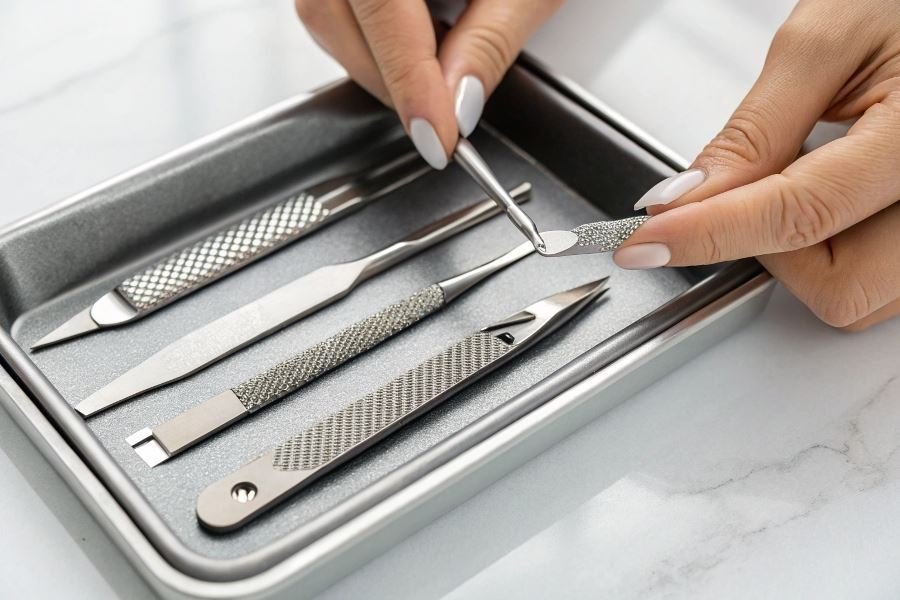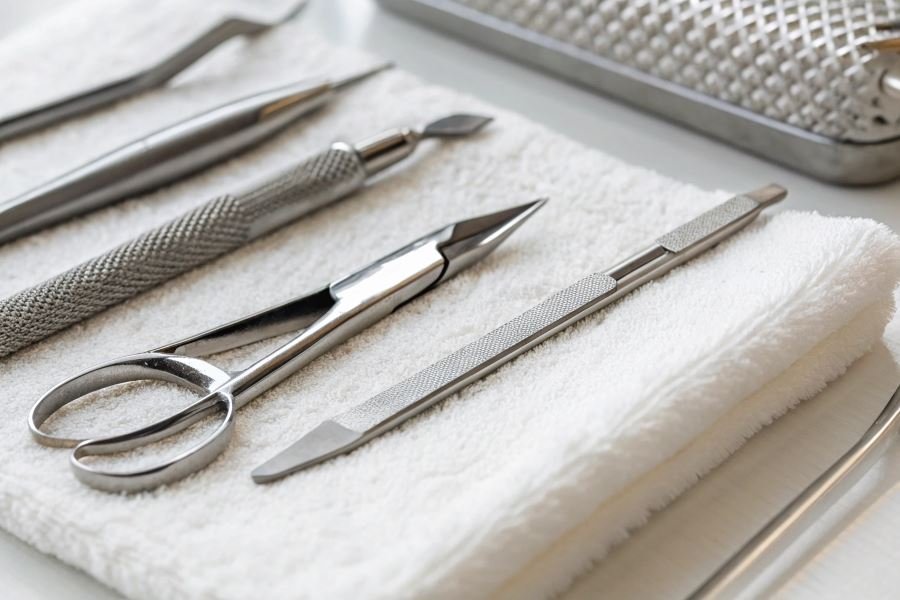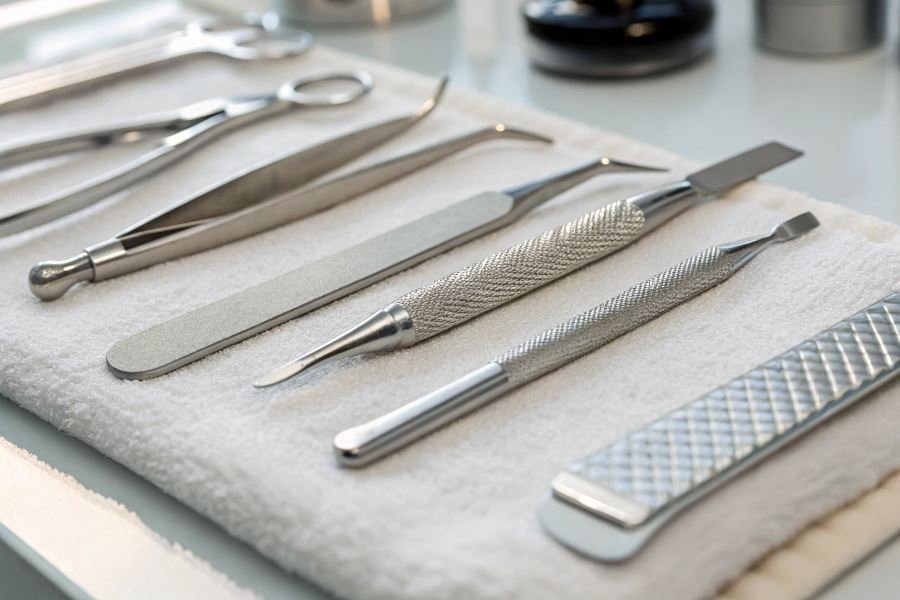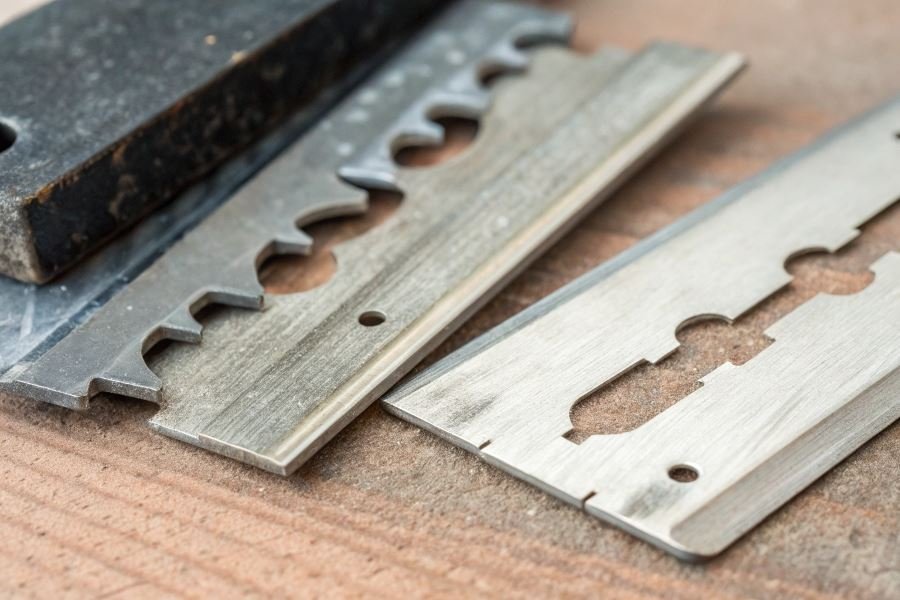
Ever watched a professional nail technician effortlessly transform rough, calloused feet into smooth masterpieces? Behind that magic lies a critical but often overlooked detail: the condition of pedicure machine blades. These tiny metal workhorses determine the difference between a rejuvenating experience and a potential health hazard.
Professional pedicurists understand that blade maintenance isn’t just about performance—it’s about client safety. “The moment you compromise on blade replacement schedules, you’re gambling with both results and wellbeing,” explains veteran podiatrist Dr. Sarah Chen, who has treated numerous infections stemming from improperly maintained pedicure equipment.
The lifespan of pedicure blades varies dramatically based on several factors. High-quality stainless steel blades typically maintain optimal performance for 3-5 professional sessions before showing signs of dulling. However, this timeline shortens considerably with thicker calluses, higher-volume usage, and improper cleaning protocols.
Warning signs that scream “replace me now”:
- Pulling or catching on skin rather than smooth removal
- Visible nicks or irregularities along the cutting edge
- Decreased effectiveness requiring multiple passes
- Unusual client discomfort during treatment
- Visible rust or discoloration (immediate replacement required)
“Blade replacement isn’t an area to economize. The minimal cost difference between frequent replacements and stretching blade life simply isn’t worth the potential complications.” – American Podiatric Medical Association guidance
Proper sanitization between clients extends blade life but cannot compensate for mechanical wear. Even with meticulous cleaning, microscopic fissures develop in blades over time, creating perfect hiding spots for bacteria and fungi that standard disinfection might miss.
The bottom line? When in doubt, swap it out. Your clients’ feet—and your reputation—will thank you.
Professional Guidelines for Pedicure Machine Blade Replacement
The lifespan of pedicure machine blades varies dramatically based on usage patterns, device quality, and maintenance practices. Understanding how often should the blades in a pedicure machine be changed isn’t just about maintaining equipment—it’s about ensuring client safety, optimal performance, and protecting your investment whether you’re running a high-volume salon or maintaining your personal foot care routine.
Commercial Salon Replacement Schedules
Professional salons operating at high capacity face unique blade wear challenges. The math is straightforward but often overlooked:
High-volume salons (15+ pedicures daily): Replace blades every 2-3 weeks
Medium-volume salons (5-15 pedicures daily): Replace blades every 4-6 weeks
Boutique salons (fewer than 5 pedicures daily): Replace blades every 6-8 weeks
What many salon owners discover is that premature dulling often occurs when technicians use improper angles or excessive pressure. Medicool Pro Power 30K users report up to 20% longer blade life when implementing proper technique training.
“The cost of replacing blades is minimal compared to the potential revenue loss from dissatisfied clients experiencing uncomfortable pedicures with dull blades.”
Home Device Maintenance Guidelines
Home-use pedicure devices typically require less frequent blade changes due to lower usage intensity:
| Usage Frequency | Replacement Interval | Signs of Needed Replacement |
|---|---|---|
| Weekly use | Every 4-6 months | Decreased effectiveness |
| Monthly use | Every 8-12 months | Pulling sensation |
| Occasional use | Every 12-18 months | Visible blade discoloration |
Home users should note that storage conditions significantly impact blade longevity. Keeping devices in humid bathroom environments can accelerate corrosion, potentially cutting blade life by 30-40% compared to storing in dry conditions.
Manufacturer-Specific Recommendations
Different manufacturers design their blades with varying durability profiles:
PediNova Professional recommends replacement every 100-150 services for their titanium-coated blades, which translates to approximately 6-8 weeks in busy salons.
Beurer MP60 home devices feature sapphire-coated discs that manufacturers suggest replacing annually, though real-world testing indicates replacement closer to 8 months provides optimal results.
Dremel Versa units utilize interchangeable heads with recommended replacement after 20-25 hours of operation—roughly 3-4 months for typical home users.
The material composition dramatically affects replacement schedules. Stainless steel blades typically require replacement 2-3 times more frequently than ceramic or diamond-dusted alternatives, though they cost significantly less upfront.
Some manufacturers have introduced “blade wear indicators”—small colored markers that gradually fade with use, providing visual confirmation when replacement is necessary. These innovations eliminate guesswork but add approximately $5-10 to initial device costs.
Remember that these guidelines assume proper cleaning between uses. Disinfection protocols not only maintain hygiene standards but can extend blade life by preventing mineral buildup and corrosion that accelerate dulling.
Mastering Blade Maintenance for Pedicure Excellence
Professional pedicure machines transform foot care, but their effectiveness hinges on one critical component: the blades. Establishing proper maintenance routines doesn’t just ensure optimal performance—it directly impacts client safety and your professional reputation.
Building a usage-based maintenance schedule
The frequency of blade replacement depends heavily on your specific usage patterns. A busy salon performing 8-10 pedicures daily will need more frequent replacements than a home user performing occasional self-care.
Here’s a practical framework for creating your maintenance schedule:
| Usage Level | Approximate Replacement Frequency | Inspection Frequency |
|---|---|---|
| Light (1-3 uses weekly) | Every 3-4 months | Monthly |
| Moderate (4-10 uses weekly) | Every 6-8 weeks | Bi-weekly |
| Heavy (11+ uses weekly) | Every 3-4 weeks | Weekly |
Track your actual usage rather than relying solely on calendar time. Many professionals keep a simple log noting dates, number of procedures, and blade condition observations. This data-driven approach allows you to identify patterns specific to your practice.
The most expensive blade is the one that fails during a service. Proactive replacement costs pennies compared to the price of a damaged client relationship.
Extending blade life through proper care
While regular replacement is inevitable, proper maintenance significantly extends blade lifespan:
-
Immediate post-use cleaning is non-negotiable. Remove all skin debris before it dries and hardens on the blade surface.
-
Two-stage disinfection provides optimal protection. First, use an EPA-registered disinfectant specifically formulated for metal implements. Follow with ultrasonic cleaning for professional-grade sterilization.
-
Proper storage techniques prevent premature dulling. Store blades in dedicated containers away from moisture and potential impact damage. Many professionals use silicone blade guards or specialized storage systems.
-
Regular lubrication with medical-grade mineral oil prevents microscopic rust formation and maintains smooth operation.
Investing in quality cleaning supplies and establishing a consistent post-service routine typically extends blade life by 30-40%.
Recognizing immediate replacement indicators
Regardless of your maintenance schedule, certain signs demand immediate blade replacement:
Visual indicators:
- Visible nicks or chips along the cutting edge
- Discoloration that persists after cleaning
- Rust spots (even microscopic ones)
- Bent or misaligned cutting surfaces
Performance indicators:
- Pulling or catching during use
- Inconsistent cutting results
- Unusual noise during operation
- Client discomfort beyond normal sensation
Safety indicators:
- Any post-service inflammation not typical for the client
- Difficulty achieving proper disinfection
- Uncertainty about the blade’s history or previous usage
The professional standard is simple: when in doubt, swap it out. The minimal cost of replacement blades pales in comparison to the potential consequences of using compromised equipment.
By implementing these systematic approaches to blade maintenance, you’ll not only extend the life of your equipment but also ensure consistently excellent results that keep clients returning to your chair.
Discover when to replace pedicure machine blades for optimal safety and performance. Learn professional guidelines for both salon and home devices, plus maintenance tips to extend blade life and recognize replacement indicators.
Discover when to replace pedicure machine blades for optimal safety and performance. Learn professional guidelines for both salon and home devices, plus maintenance tips to extend blade life and recognize replacement indicators.