Your home isn’t just a structure—it’s your refuge, your investment, your peace of mind. Yet many homeowners overlook one critical element that serves as both functional protection and a statement of property pride: the barrier system.
When considering how to fortify your private residence, the right barrier does far more than simply mark boundaries. Quality barriers act as your property’s first line of defense, deterring unauthorized access while complementing your home’s architectural character. The choices you make today will impact your security posture for years to come.
The security imperative
Home invasion statistics remain concerning, with FBI data showing that a residential burglary occurs approximately every 26 seconds in America. Properties with visible security measures experience significantly fewer break-in attempts—up to 300% less according to insurance industry studies. A thoughtfully selected barrier transforms from simple decoration to active deterrent.
Barrier options for every property
Today’s market offers remarkable diversity:
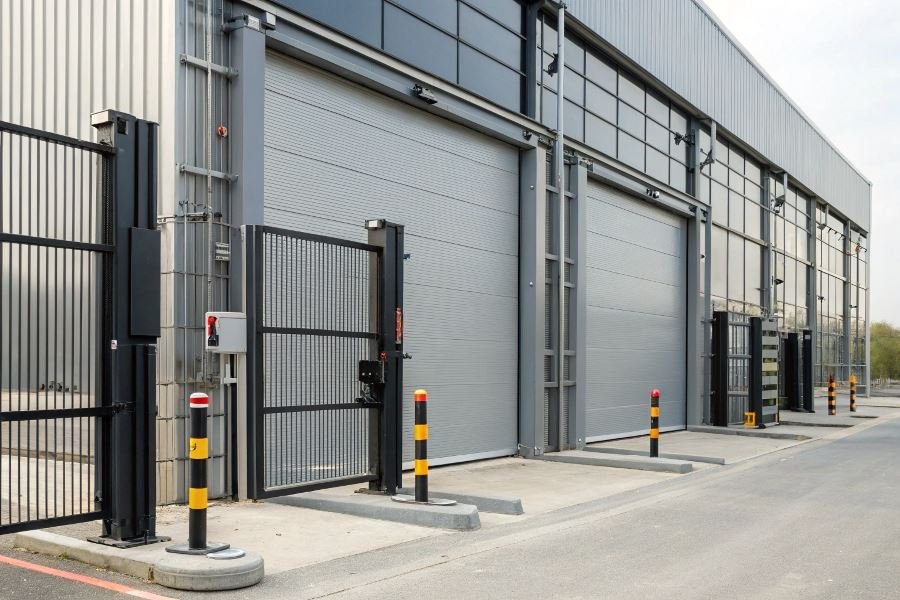
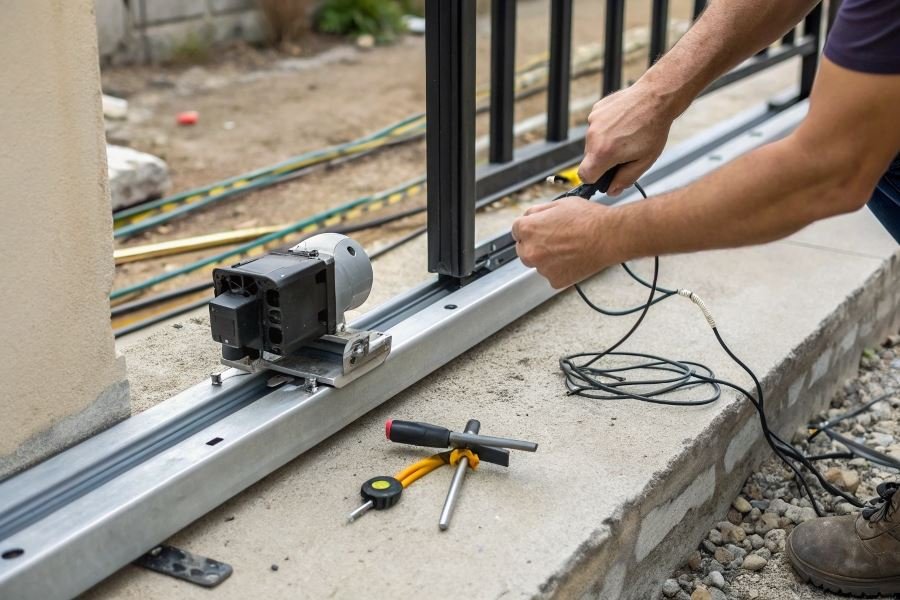
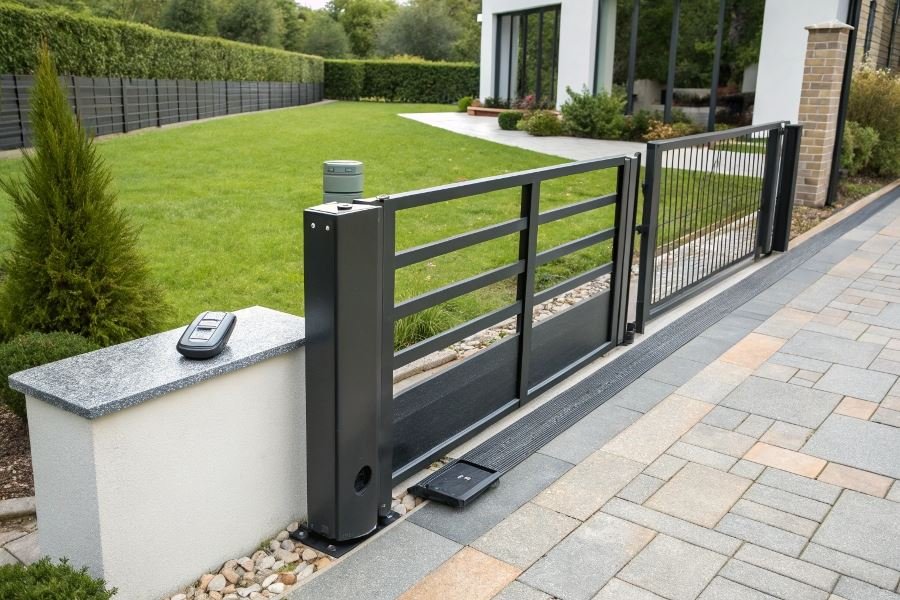
- Automated gates: From swing to sliding systems, these provide convenience with smartphone integration
- Decorative fencing: Wrought iron, aluminum, or composite materials offering both beauty and boundary definition
- Natural barriers: Strategic landscaping with thorny shrubs creates living protection
- Perimeter walls: Masonry options providing maximum privacy and noise reduction
Decision drivers that matter
Your ideal barrier solution depends on several critical factors:
“The perfect barrier balances security needs with aesthetic preferences while respecting practical limitations like maintenance requirements and local regulations.”
Consider your property’s topography, local weather patterns, and neighborhood aesthetic when making selections. Budget considerations should extend beyond initial installation to include long-term maintenance costs and potential property value enhancement.
Essential Considerations for Your Home Barrier System
Selecting the right barrier for your private residence involves more than just picking a gate that looks nice. It’s about creating a comprehensive security solution that protects your property while complementing its aesthetic appeal and functioning reliably for years to come.
When homeowners begin the process of how to choose a barrier for a private house, they often underestimate the complexity of factors that should influence their decision. The right barrier system serves as both your property’s first line of defense and a statement piece that enhances curb appeal—a dual purpose that demands careful consideration.
Security Assessment: Know Your Threats
Your barrier’s primary function is security, making threat assessment your starting point. Consider:
Property location factors:
- Urban vs. rural setting
- Local crime statistics
- Proximity to main roads
- Historical security incidents
The level of security required for a remote countryside property differs dramatically from that needed in a densely populated suburban area. For high-security needs, consider barriers with features like anti-climbing designs, tamper-resistant hardware, and integration with Ring or other security systems.
The most effective barrier systems are those designed to address specific, identified threats rather than generic security concerns.
Space and Layout Compatibility
Your property’s physical characteristics significantly impact barrier selection:
| Property Feature | Barrier Consideration |
|---|---|
| Driveway slope | Swing vs. sliding gate viability |
| Available side space | Clearance for gate operation |
| Entry width | Maximum gate span requirements |
| Underground utilities | Foundation limitations |
Sliding gates require sufficient lateral space alongside your driveway, while swing gates need adequate clearance arc. For properties with limited space, LiftMaster offers compact vertical lift solutions that minimize the footprint while maintaining security integrity.
Weather Resistance and Durability
Your barrier will face years of environmental challenges, making material selection crucial:
Material performance factors:
- Aluminum – Lightweight, corrosion-resistant, minimal maintenance
- Steel – Maximum strength, requires proper finishing to prevent rust
- Wood – Aesthetic appeal, higher maintenance, shorter lifespan
- Vinyl/Composite – Weather-resistant, limited design options
In coastal areas, salt corrosion demands marine-grade materials and finishes. For regions with heavy snowfall, consider barriers with specialized motors from Nice that can handle increased resistance and weight.
Smart Integration Capabilities
Modern barrier systems offer unprecedented technological integration:
Automation possibilities:
- Smartphone control and monitoring
- Vehicle recognition systems
- Integration with home automation
- Visitor management capabilities
Advanced systems from Control4 allow your barrier to communicate with other home systems—turning on pathway lights when the gate opens or alerting you to unexpected entry attempts.
The ideal barrier system should grow with your needs. Select platforms with open APIs that allow future integration with emerging technologies rather than closed systems that may become obsolete.
Remember that the most effective barrier combines physical deterrence with intelligent monitoring—creating a security envelope that protects without becoming an inconvenience for authorized users.
Making the Final Decision on Your Home Barrier
Selecting the perfect barrier for your private residence isn’t just about slapping up some fencing—it’s about creating the ideal balance between security, aesthetics, and value. After evaluating materials and styles, you’ve reached the crucial decision-making phase. Let’s dive into how to make that final call with confidence.
Security meets curb appeal
The most effective home barriers don’t force you to choose between protection and beauty—they deliver both. Consider how a 6-foot ornamental aluminum fence provides robust security while maintaining visual elegance through decorative finials and scrollwork. Meanwhile, a solid stone wall offers maximum privacy but might feel imposing without thoughtful landscaping integration.
Pro tip: Combine barrier types for the best of both worlds. A low stone wall foundation topped with decorative wrought iron creates a sophisticated security solution that maintains visibility while establishing clear boundaries.
The barrier you choose becomes part of your home’s identity—it’s the first impression visitors receive and your daily welcome home.
For front-facing barriers, prioritize designs that complement your home’s architectural style. Colonial homes pair beautifully with white picket fences, while contemporary designs often benefit from minimalist horizontal slat fencing or glass barriers.
Investment considerations and long-term value
Quality barriers represent significant investments, with costs varying dramatically:
| Barrier Type | Average Cost (per linear foot) | Typical Lifespan | Maintenance Level |
|---|---|---|---|
| Wood Privacy | $15-30 | 10-15 years | High |
| Vinyl | $20-40 | 20-30 years | Low |
| Aluminum | $25-45 | 30+ years | Very Low |
| Wrought Iron | $30-100 | 50+ years | Medium |
| Stone/Brick | $35-150 | Lifetime | Low |
When evaluating cost, factor in these critical considerations:
- Initial installation expenses versus lifetime maintenance requirements
- Property value impact (quality barriers can increase home value by 5-10%)
- Insurance premium reductions from security-enhancing barriers
The cheapest option rarely delivers the best value. A $2,000 wood fence might need replacement in a decade, while a $5,000 aluminum fence could serve your property for generations with minimal upkeep.
Professional installation versus DIY approaches
The installation decision significantly impacts both your barrier’s performance and your wallet:
Professional Installation Benefits:
- Precision placement and proper anchoring
- Access to specialized equipment for difficult terrain
- Warranties on both materials and workmanship
- Time savings (professionals complete in days what might take weeks for DIYers)
DIY Advantages:
- Potential cost savings of 30-50% on labor
- Complete control over timeline and quality checks
- Personal satisfaction and customization opportunities
Your decision should reflect an honest assessment of your skills, tools, and time. While a simple picket fence might be manageable for weekend warriors, complex electronic gates or masonry walls demand professional expertise from companies like Barrier Systems Inc or local specialists.
Remember that even DIY enthusiasts often benefit from professional consultation during planning stages to avoid costly mistakes with property lines, utility locations, or local building codes.
The perfect barrier balances your security needs, aesthetic preferences, and budget constraints while considering long-term value and installation requirements. Make this decision thoughtfully—it’s one you’ll live with (and through) every day.
Discover how to choose the perfect security barrier for your private home with our comprehensive guide. Learn about different types, key selection factors, and how to balance security needs with aesthetics and budget considerations.
Discover how to choose the perfect security barrier for your private home with our comprehensive guide. Learn about different types, key selection factors, and how to balance security needs with aesthetics and budget considerations.