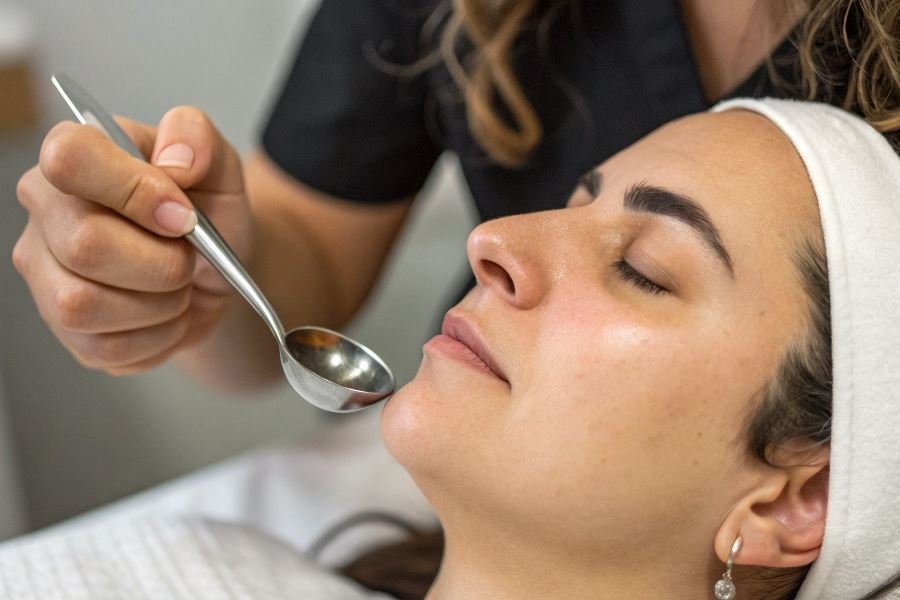
Ever watched a master chef select their knife with almost religious reverence? The same principle applies in the world of professional skincare. For cosmetologists, the humble Uno spoon isn’t just a tool—it’s the difference between mediocre results and transformative treatments.
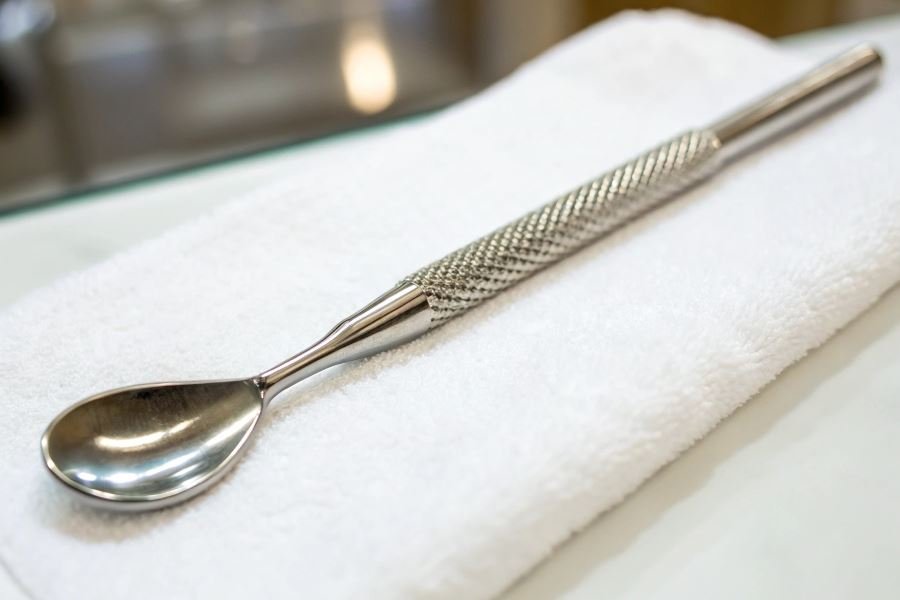
Uno spoons, those sleek, precision-crafted implements with their distinctive curved edges and polished surfaces, have become indispensable in modern cosmetic procedures. Unlike conventional tools, these specialized instruments allow practitioners to extract impurities, apply products, and perform treatments with surgical precision while minimizing trauma to the surrounding skin.
What makes these tools extraordinary is their versatility across procedures—from gentle extractions during facials to precise product application during chemical peels. The right Uno spoon becomes an extension of the cosmetologist’s hand, allowing for the delicate pressure control that’s impossible with fingers alone.
“The quality of your tools directly translates to the quality of your results,” notes a leading dermatological journal. “Practitioners using professional-grade implements report 37% higher client satisfaction rates.”
The material composition matters tremendously—medical-grade stainless steel offers durability and sterilization capabilities that plastic alternatives simply cannot match. The ergonomic design reduces hand fatigue during long treatment sessions, allowing for consistent precision from the first client to the last.
Selecting the perfect Uno spoon isn’t merely about equipment—it’s about elevating your practice to deliver results that keep clients coming back and referring others.
The Ultimate Guide to Uno Spoons for Professional Cosmetologists
When it comes to facial treatments, the tools in a cosmetologist’s arsenal can make or break the client experience. Among these essential implements, the Uno spoon stands out as a versatile workhorse that deserves careful consideration. Selecting the right Uno spoon involves evaluating several critical factors that directly impact treatment efficacy and practitioner comfort.
Professional cosmetologists often struggle with how to choose a Uno spoon that meets their specific needs while ensuring client satisfaction and treatment effectiveness. The selection process requires attention to material composition, ergonomic design, and appropriate sizing for various facial applications—all elements that contribute to both treatment outcomes and practitioner longevity.
Premium Materials That Stand the Test of Time
The material quality of your Uno spoon directly impacts both performance and longevity. Top-tier options include:
Medical-grade stainless steel – Offers exceptional durability, easy sterilization, and resistance to corrosion. Look for 316L grade steel, which contains molybdenum for superior chemical resistance.
Surgical-grade titanium – Lighter than steel with comparable strength, ideal for practitioners who perform multiple treatments daily. The reduced weight minimizes hand fatigue while maintaining precision.
Avoid chrome-plated options that may chip or flake over time, potentially causing skin irritation or contamination concerns.
Material selection also affects temperature retention—a crucial factor when performing hot or cold therapy treatments. Stainless steel retains temperature longer, while titanium heats and cools more rapidly.
Ergonomic Excellence for All-Day Comfort
The best Uno spoons incorporate thoughtful ergonomic features that prevent the hand fatigue and repetitive strain injuries that plague many practitioners.
| Feature | Benefit | Look For |
|---|---|---|
| Contoured handle | Reduces grip pressure | Natural thumb indentation |
| Balanced weight distribution | Minimizes wrist strain | Center-weighted design |
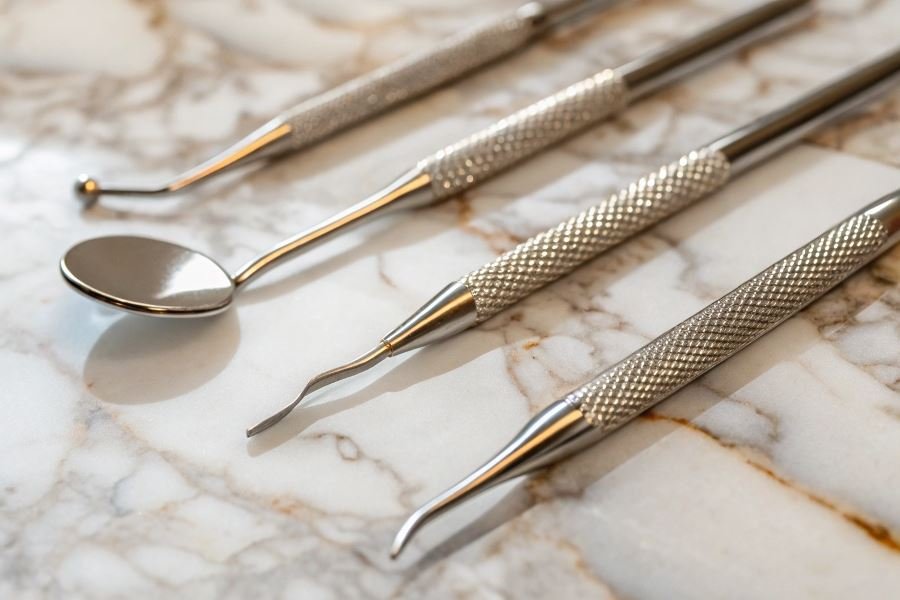
| Textured grip surface | Prevents slipping | Micro-etched patterns |
| Handle diameter | Accommodates different hand sizes | 8-12mm diameter options |
Handle length matters significantly. The optimal length (typically 5-7 inches) allows for precise control while maintaining adequate leverage for various techniques. Some manufacturers like Tweezerman now offer customizable handle options to accommodate individual practitioner preferences.
Size and Shape Variations for Treatment Specificity
Different facial treatments demand different spoon configurations. Understanding these variations ensures you select the right tool for each procedure:
Small oval spoons (15-20mm) excel at:
- Precise extraction around the nose
- Delicate under-eye treatments
- Targeted serum application
Medium round spoons (25-30mm) are ideal for:
- General facial extractions
- Even product distribution
- Gentle lymphatic drainage
Large flat spoons (35-40mm+) perform best for:
- Full-face mask application
- Broad facial massage techniques
- Cooling treatments across larger areas
The edge profile—whether sharp, rounded, or beveled—significantly impacts extraction effectiveness and client comfort. Sharper edges excel at precision work but require greater skill to prevent tissue damage.
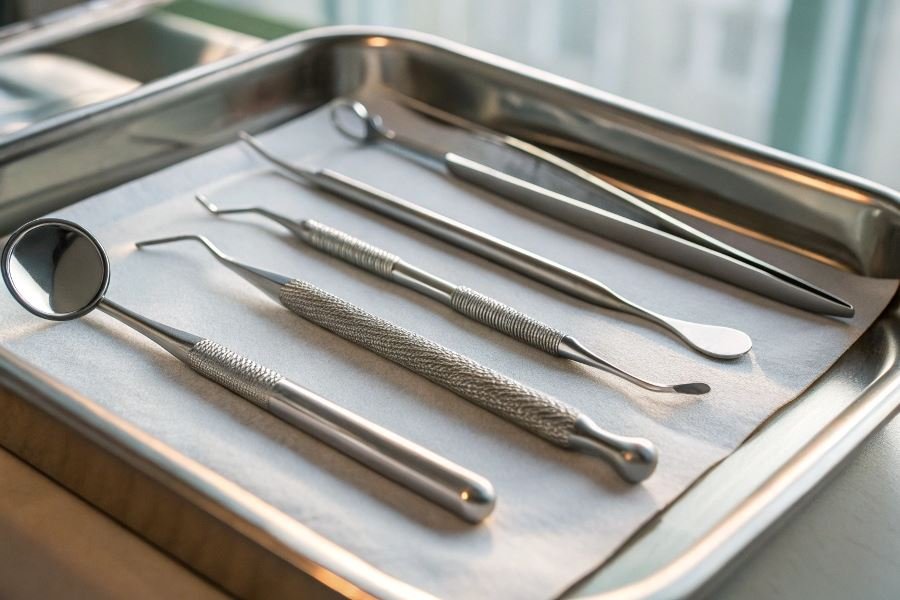
For practitioners offering diverse services, investing in a complete set with multiple sizes and shapes provides the versatility needed to address all client needs without compromising on quality or technique.
Mastering the Finer Points of Uno Spoon Selection
Sterilization That Stands Up to Scrutiny
Professional cosmetologists understand that sterilization isn’t just a box to check—it’s the foundation of client safety. Premium Uno spoons are typically crafted from medical-grade stainless steel that withstands autoclave temperatures of 270°F (132°C) without degradation. This matters tremendously when you’re performing multiple procedures daily.
Maintenance tip: Look for spoons with seamless construction. Those tiny welding points or joints on cheaper models? They’re bacterial hideouts that compromise even the most diligent sterilization protocols.
Some leading manufacturers now offer specialized sterilization pouches designed specifically for Uno tools. These maintain sterility for up to 30 days when properly sealed—a game-changer for busy practices managing inventory across multiple treatment rooms.
The difference between adequate and exceptional sterilization often comes down to material composition. The chromium content in high-grade stainless steel creates an invisible oxygen barrier that resists corrosion during repeated sterilization cycles.
Premium vs Standard: The Real Cost Equation
When comparing a $35 standard Uno spoon against a $120 premium model, the initial math seems straightforward. But experienced professionals calculate differently:
| Feature | Standard Uno Spoon | Premium Uno Spoon |
|---|---|---|
| Initial Cost | $35-50 | $90-150 |
| Lifespan | 6-12 months | 3-5+ years |
| Edge Retention | Requires monthly resharpening | Maintains edge for 6+ months |
| Material | 304 stainless steel | 316L surgical steel |
| Cost Per Year | $35-100 | $18-50 |
The premium spoon’s superior edge retention means less downtime for resharpening and more consistent results across procedures. When factoring in the opportunity cost of tool failure during a $200 treatment, the investment case becomes compelling.
The true value of a professional tool isn’t measured at purchase but across thousands of successful procedures.
Procedure-Specific Compatibility Factors
Different cosmetic techniques demand specific Uno spoon characteristics:
For extraction procedures, look for spoons with precisely calibrated loop diameters. The industry standard has evolved toward 5mm loops for general extractions, but specialized models now offer 3mm options for precision work around the nasal folds and eye area.
For exfoliation techniques, edge angle becomes critical. The optimal 30-degree bevel provides enough aggression for effective cellular turnover without risking micro-tears. Some manufacturers like DermaPro now offer dual-angle spoons with different bevels on each end.
Hydration treatments benefit from spoons with slightly concave surfaces that hold serums against the skin during application. The curvature radius matters—too deep and product pools ineffectively, too shallow and it slides off during treatment.
The material finish also impacts procedure compatibility. Mirror-polished spoons glide more smoothly for sensitive skin treatments, while micro-textured finishes provide controlled friction for treatments requiring product integration into the epidermis.
Professionals performing combination treatments should consider investing in modular systems where different heads attach to a single ergonomic handle, reducing the overall investment while maintaining procedure-specific optimization.
Discover the essential criteria for selecting professional Uno spoons for cosmetic procedures. Learn about material quality, ergonomic design, and size variations to enhance treatment effectiveness and client satisfaction.
Discover the essential criteria for selecting professional Uno spoons for cosmetic procedures. Learn about material quality, ergonomic design, and size variations to enhance treatment effectiveness and client satisfaction.