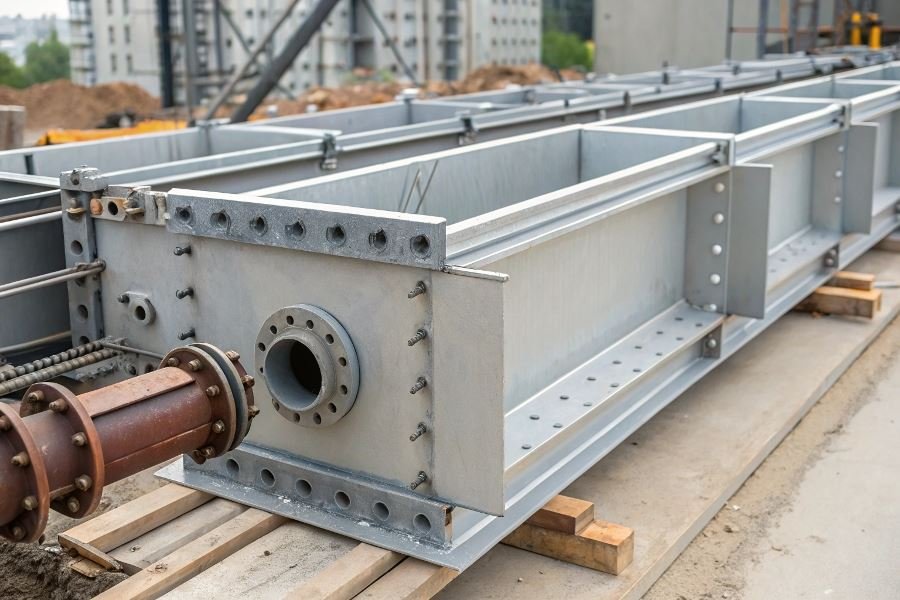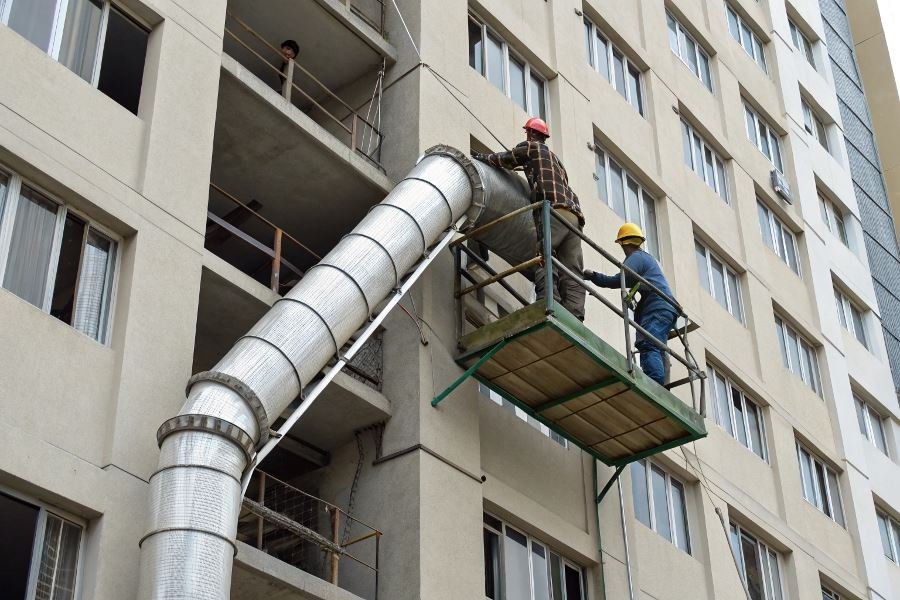
Ever watched a construction site transform from chaos to order with the right systems in place? The humble waste chute—that vertical pipeline shuttling debris from upper floors to collection points—might be the unsung hero of modern construction efficiency. When projects falter, improper waste management is often the hidden culprit lurking behind schedule delays and budget overruns.
Selecting the right construction waste chute isn’t just about compliance—it’s about creating a competitive advantage through operational excellence. The perfect chute system can slash labor costs by up to 30% while dramatically improving site safety metrics. This isn’t merely about moving trash; it’s about engineering efficiency into the very workflow of your project.
Material matters: Today’s construction waste chutes come in three primary varieties, each with distinct advantages:
- Heavy-duty plastic chutes: Lightweight, cost-effective, ideal for residential projects
- Metal chutes: Exceptional durability for industrial applications, withstanding extreme temperatures
- Fabric chutes: Flexible installation options, perfect for renovation work in confined spaces
The selection process hinges on several critical factors. Building height dramatically influences chute requirements—a 40-story skyscraper demands fundamentally different solutions than a 3-story apartment complex. Waste volume and composition determine diameter needs, while site constraints might limit installation options.
“The right waste chute system doesn’t just remove debris—it removes obstacles to project success.”
Smart contractors recognize that waste management infrastructure decisions ripple throughout the entire project lifecycle, affecting everything from worker productivity to neighborhood relations.
Building-Specific Waste Chute Selection: The Engineering Behind Efficient Debris Management
When managing construction debris becomes a priority on your project, selecting the right waste chute system transforms from a mundane decision into a critical engineering choice. The structural integrity of your building, worker safety, and project timeline all hinge on this seemingly simple component.
Determining the appropriate criteria for selecting construction waste chutes for different types of buildings requires careful analysis of architectural plans, construction materials, and project duration. High-rise developments demand fundamentally different solutions than sprawling campus-style projects, with each presenting unique challenges that must be addressed through thoughtful equipment selection.
Height Considerations: The Vertical Challenge
The vertical distance debris must travel fundamentally changes your chute requirements. For buildings exceeding 10 stories, you’ll need to prioritize:
- Reinforced connection points capable of withstanding significant lateral forces from wind
- Heavier gauge materials that resist deformation under extended use
- Specialized bracing systems at 3-4 floor intervals
Low-rise structures under 5 stories can utilize lighter-weight systems with fewer connection points, typically reducing installation costs by 30-40%.
Material Selection Matrix
Different construction environments demand specific material properties from your waste chute system:
| Building Type | Recommended Material | Load Capacity | Key Benefit |
|---|---|---|---|
| Residential | HDPE Plastic | 200-300 lbs | Noise reduction |
| Commercial | Galvanized Steel | 500-700 lbs | Durability |
| Industrial | Heavy-gauge Steel | 1000+ lbs | Impact resistance |
| Historic Renovation | Fabric/Canvas | 150-200 lbs | Building protection |
The material durability requirements escalate dramatically when handling demolition waste containing concrete fragments or metal components. In these scenarios, steel chutes with reinforced seams prevent punctures and tears that would otherwise create hazardous conditions for workers below.
Space Constraints and Installation Realities
The available footprint for chute installation varies dramatically across building designs:
Urban High-Rise Challenges
- Minimal staging areas require compact chute sections
- Limited exterior wall space necessitates strategic placement
- Proximity to occupied spaces demands enhanced noise dampening
Campus-Style Projects
- Greater flexibility in placement options
- Opportunity for multiple chute locations
- Easier access for maintenance and section replacement
Pro Tip: For buildings with complex geometries, modular chute systems with adjustable angles provide installation flexibility that rigid systems simply cannot match.
Installation requirements also vary based on building envelope materials. Glass curtain walls demand specialized mounting hardware that won’t compromise the building’s weather barrier, while concrete structures allow for more robust anchoring systems.
The most successful waste management systems account for future disassembly needs. Quick-release connection mechanisms add approximately $15-20 per section but can reduce labor costs during dismantling by up to 60%.
By carefully evaluating these criteria against your specific building type, you’ll select a waste chute system that balances safety, efficiency, and cost-effectiveness—turning a potential project bottleneck into a streamlined operation that keeps your construction timeline on track.
Maximizing Your Waste Chute Investment
Meeting regulatory standards head-on
Construction waste chute installations aren’t just about convenience—they’re governed by strict regulatory frameworks designed to protect workers, building occupants, and the environment. The Occupational Safety and Health Administration (OSHA) mandates specific requirements for debris removal systems, including proper anchoring, regular inspections, and clear signage. Most municipalities have adopted the International Building Code (IBC), which requires waste chutes to be constructed of non-combustible materials with a minimum fire rating of one hour.
Compliance isn’t optional—it’s essential for project continuation and liability protection. Buildings exceeding four stories typically require enclosed chute systems with sprinkler protection at the discharge point. The Americans with Disabilities Act (ADA) also influences placement and access considerations, ensuring maintenance personnel of all abilities can safely operate these systems.
The most expensive waste chute is the one that gets shut down by inspectors mid-project or causes a workplace incident due to non-compliance.
The true economics of waste management
When evaluating waste chute systems, looking beyond the initial price tag reveals the complete financial picture. Premium systems from manufacturers like Chute Systems International or KHK Scaffolding might command 3, 000−7,000 more upfront than budget alternatives, but their durability often translates to 3-5 additional years of service life.
The cost-benefit analysis should include:
| Factor | Budget System | Premium System |
|---|---|---|
| Initial investment | 8, 000−12,000 | 15, 000−20,000 |
| Annual maintenance | 1, 200−2,000 | 800−1,200 |
| Expected lifespan | 5-7 years | 10-15 years |
| Downtime incidents | 4-6 annually | 1-2 annually |
| Waste handling efficiency | Standard | 25-40% improved |
The hidden costs of inferior systems include project delays, increased labor for waste handling, potential OSHA fines (which can exceed $13,000 per violation), and the reputational damage from safety incidents. For multi-story developments, high-efficiency waste management systems typically recoup their premium within 24-36 months through reduced labor costs alone.
Extending system lifespan through proper practices
The most sophisticated waste chute becomes a liability without proper maintenance and usage protocols. Establishing clear standard operating procedures dramatically extends system longevity and maintains safety compliance.
Essential maintenance practices include:
- Weekly inspection of all connection points and hopper doors
- Monthly examination of the chute interior for material buildup or damage
- Quarterly assessment of anchoring systems and support structures
- Bi-annual professional inspection by certified technicians
Training construction teams on proper usage prevents the most common system failures. Materials exceeding 24 inches in any dimension should never enter standard chutes. Liquids, hazardous materials, and items exceeding weight limitations (typically 50-75 pounds) require alternative disposal methods.
Smart implementation includes installing clear signage at every access point detailing acceptable materials and maximum dimensions. The most successful projects designate waste management champions on each floor who ensure compliance with usage guidelines.
Investing in quality waste chutes, ensuring regulatory compliance, and implementing proper maintenance protocols transforms what could be a project liability into a significant operational advantage—boosting efficiency, enhancing safety, and ultimately delivering substantial return on investment throughout the construction lifecycle.
Discover essential criteria for selecting construction waste chutes based on building type, height, and material requirements. Learn how to optimize safety, efficiency, and regulatory compliance while managing construction debris effectively.
Discover essential criteria for selecting construction waste chutes based on building type, height, and material requirements. Learn how to optimize safety, efficiency, and regulatory compliance while managing construction debris effectively.