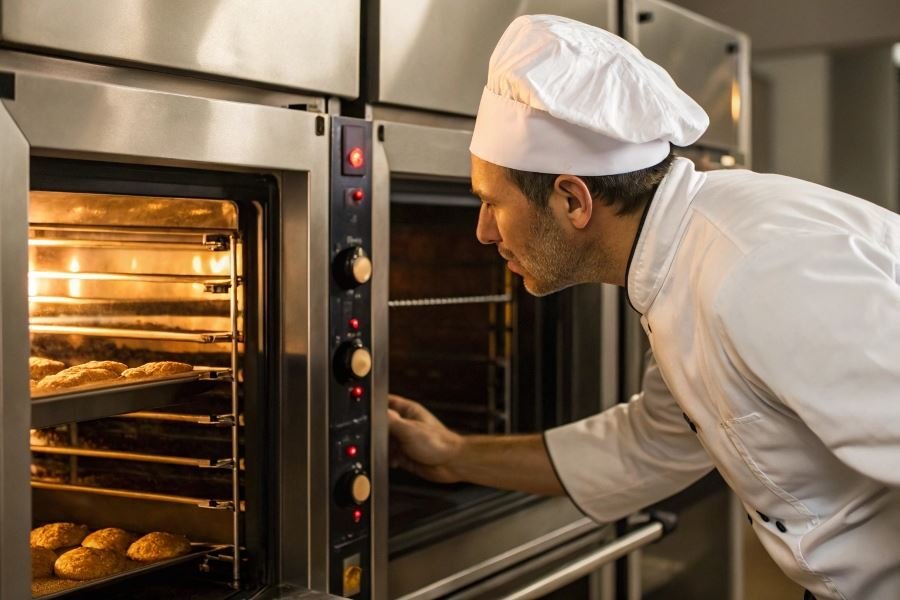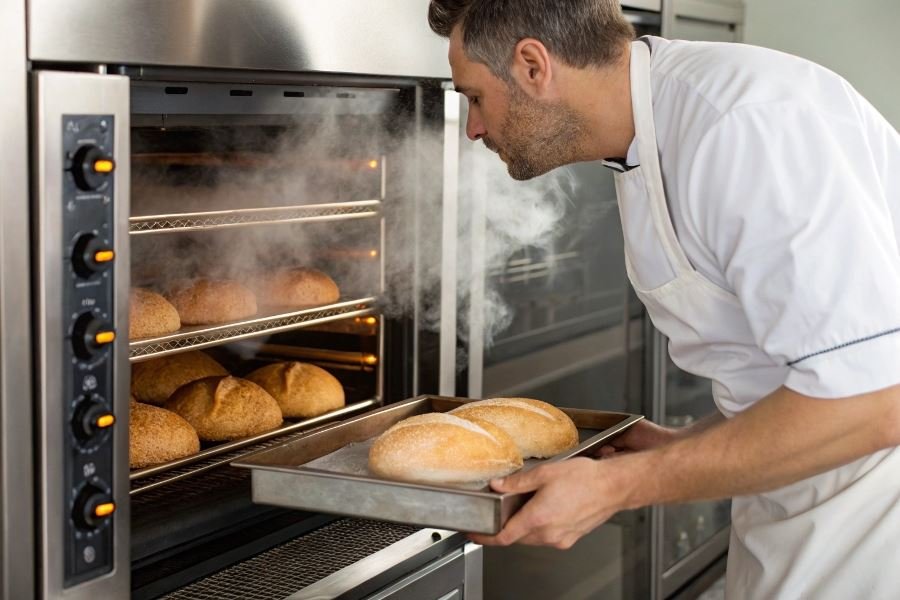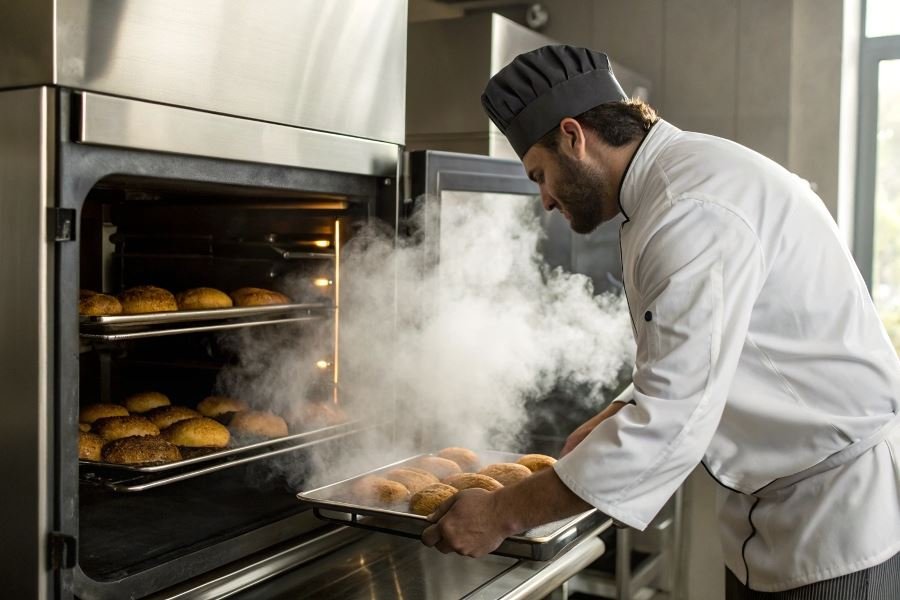
Ever wondered why professional chefs swear by convection ovens? The secret lies in something deceptively simple: moving air. While conventional ovens heat like a sauna, convection ovens work more like a wind tunnel—with deliciously efficient results.
At their core, convection ovens incorporate a powerful fan and exhaust system that circulates hot air throughout the cooking chamber. This seemingly minor addition transforms the entire cooking process. Rather than surrounding food with static heat, convection technology creates a dynamic environment where heated air constantly flows around your food, eliminating hot spots and cooking up to 25% faster than traditional ovens.
What truly sets convection ovens apart are three key components: the fan system, enhanced insulation, and sophisticated temperature controls. Unlike conventional ovens that rely solely on heating elements, convection models actively push heated air across every surface of your food, creating that coveted golden-brown exterior while maintaining interior moisture.
From commercial kitchens to home cooking revolution
The journey of convection technology began in professional kitchens, where efficiency and consistency reign supreme. Commercial convection ovens first appeared in the 1950s but remained primarily in professional settings until the 1980s when manufacturers began developing residential models. Today’s market reflects an evolution toward smarter, more versatile convection systems.
Modern convection ovens now feature multiple cooking modes, digital precision controls, and even AI-assisted cooking programs that adjust airflow and temperature automatically. The market has responded enthusiastically, with premium convection models commanding prices from $1,200 to $5,000+ as consumers increasingly recognize the value of professional-grade cooking capabilities at home.
Core Features That Transform Everyday Cooking
Convection ovens represent a quantum leap in home cooking technology, delivering professional-grade results through intelligent airflow engineering. Unlike conventional ovens that rely solely on radiant heat, convection systems actively circulate hot air throughout the cooking chamber, creating a dynamic cooking environment that transforms ordinary meals into culinary achievements.
The fundamental principle behind convection ovens: features and advantages of use centers on the addition of fans that distribute heat evenly around food. This seemingly simple modification revolutionizes cooking performance across multiple dimensions, from speed and efficiency to texture and flavor development. Home chefs who make the switch consistently report they can’t imagine returning to conventional cooking methods.
Even Heat Distribution Creates Cooking Magic
The primary advantage of convection technology lies in its remarkably uniform heat distribution. The integrated fan system eliminates hot spots and cold zones that plague traditional ovens, ensuring food cooks with perfect consistency regardless of rack position.
This even heating transforms baking results dramatically:
- Cookies brown uniformly across entire batches
- Roasts develop consistent exterior crusting while maintaining interior moisture
- Multiple dishes cook predictably even when sharing oven space
The practical impact? Cooking times typically decrease by 25-30% compared to conventional ovens. A 12-pound turkey that would require 4 hours in a standard oven often finishes in under 3 hours with convection, without sacrificing moisture or flavor development.
Energy Efficiency Meets Precision Control
Convection systems deliver substantial energy savings through two key mechanisms:
- Reduced cooking durations mean less energy consumption per meal
- Lower temperature requirements (typically 25°F less than conventional recipes)
The precision of modern convection ovens allows for temperature control within ±2°F, creating repeatable results that were previously only possible in commercial kitchens.
This temperature accuracy proves particularly valuable for delicate preparations like soufflés, custards, and artisanal bread, where small temperature variations can dramatically affect outcomes.
| Cooking Method | Energy Usage | Temperature Precision | Average Time Savings |
|---|---|---|---|
| Conventional Oven | Baseline | ±10°F variation | Baseline |
| Convection Oven | 20% less | ±2°F variation | 25-30% faster |
Unmatched Versatility Across Cooking Methods
Perhaps most impressive is the adaptability of convection technology across diverse cooking techniques. The same oven excels at:
- Roasting – Creates exceptional browning and caramelization while maintaining interior moisture
- Baking – Produces even rising in pastries and perfect texture in breads
- Dehydrating – Circulating air accelerates moisture removal for homemade dried fruits or jerky
- Multi-rack cooking – Eliminates the need to rotate pans between rack positions
This versatility extends to virtually every food category. Vegetables roast with enhanced caramelization, meats develop deeper flavor profiles, and baked goods achieve professional-quality texture and appearance. The Breville Smart Oven Air Fryer Pro exemplifies this versatility with 13 cooking functions in a single countertop unit.
For serious home cooks seeking restaurant-quality results, convection technology delivers transformative performance that elevates everyday cooking from mere food preparation to genuine culinary craftsmanship.
Unlocking the Full Potential of Your Convection Oven
Smart techniques for everyday excellence
Mastering your convection oven isn’t just about pressing buttons—it’s about understanding the science behind the heat. The circulating hot air that defines convection cooking requires specific approaches to achieve those restaurant-quality results at home. Start by reducing standard recipe temperatures by 25°F—this single adjustment prevents overcooking and ensures even browning. Position your racks in the center whenever possible, allowing that precious heated air to circulate freely around your dishes.
The real game-changer? Use low-sided, uncoated bakeware that maximizes air exposure. Those high-walled casserole dishes might be family favorites, but they block the very air circulation that makes your convection oven special. For cookies and pastries, parchment paper remains your best friend—it prevents sticking without interfering with the convection process.
The difference between good and exceptional cooking often comes down to timing. With convection ovens, check dishes about 5-10 minutes earlier than conventional recipes suggest.
When roasting meats, the convection advantage truly shines. A shallow roasting pan with a rack elevates your protein, allowing heat to circulate underneath for that perfect, evenly browned exterior while maintaining juicy interiors. For holiday gatherings, this technique transforms an ordinary turkey into a showstopper with dramatically reduced cooking times.
Maintaining your kitchen powerhouse
Convection ovens represent a significant investment in your culinary arsenal—one that deserves proper care. The foundation of maintenance is surprisingly simple: clean spills promptly before they become baked-on problems. Most modern convection ovens feature self-cleaning cycles, but these intense heat sessions should be used sparingly as they stress internal components.
For everyday cleaning, a mixture of baking soda and water creates a gentle yet effective paste for removing stubborn residue without scratching delicate surfaces. Pay special attention to the convection fan housing—accumulated grease here not only reduces efficiency but can become a potential fire hazard.
The door seal deserves particular attention in your maintenance routine. This unassuming gasket ensures your oven maintains consistent temperature and energy efficiency. Inspect it quarterly for cracks or food debris, cleaning gently with warm, soapy water. A compromised seal can increase energy consumption by up to 20% while delivering inconsistent cooking results.
| Maintenance Task | Frequency | Benefits |
|---|---|---|
| Wipe down interior | After each use | Prevents odor transfer and buildup |
| Deep clean | Monthly | Maintains efficiency and performance |
| Check door seal | Quarterly | Ensures energy efficiency |
| Professional inspection | Every 2-3 years | Extends overall lifespan |
The true value proposition for serious home cooks
When evaluating kitchen investments, convection ovens consistently deliver exceptional return on investment. Beyond the obvious time savings—cooking up to 25% faster than conventional ovens—the energy efficiency translates to measurable utility savings. The superior moisture retention means less food waste through overcooked, dried-out dishes.
For baking enthusiasts, the even browning and consistent results eliminate the frustration of rotating pans mid-bake. Multi-rack cooking becomes truly viable, allowing you to prepare entire meals simultaneously without flavor transfer—a capability that transforms holiday cooking from a logistical nightmare into a manageable process.
The versatility factor cannot be overstated. From dehydrating fruits to roasting vegetables to baking delicate pastries, convection ovens handle diverse cooking tasks with remarkable consistency. This adaptability makes them particularly valuable in smaller kitchens where appliance real estate is at a premium.
While the initial investment may exceed conventional options by $200-500, the combination of energy savings, superior results, and extended versatility makes convection technology one of the most practical upgrades for anyone serious about cooking. The learning curve is minimal, but the culinary possibilities are virtually endless.
Discover how convection ovens revolutionize cooking with faster times and superior results. Learn about even heat distribution, energy efficiency, and versatility that make these appliances essential for modern kitchens.
Discover how convection ovens revolutionize cooking with faster times and superior results. Learn about even heat distribution, energy efficiency, and versatility that make these appliances essential for modern kitchens.