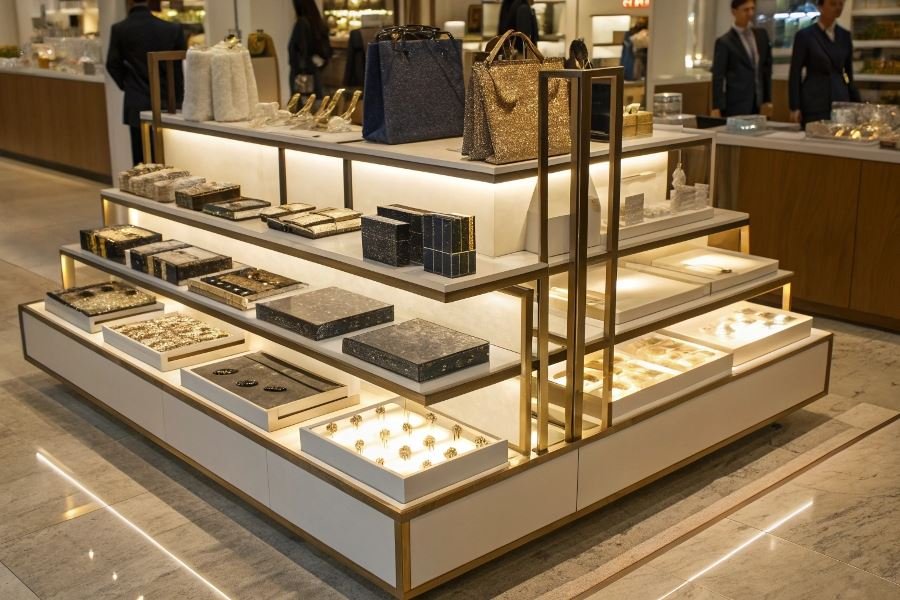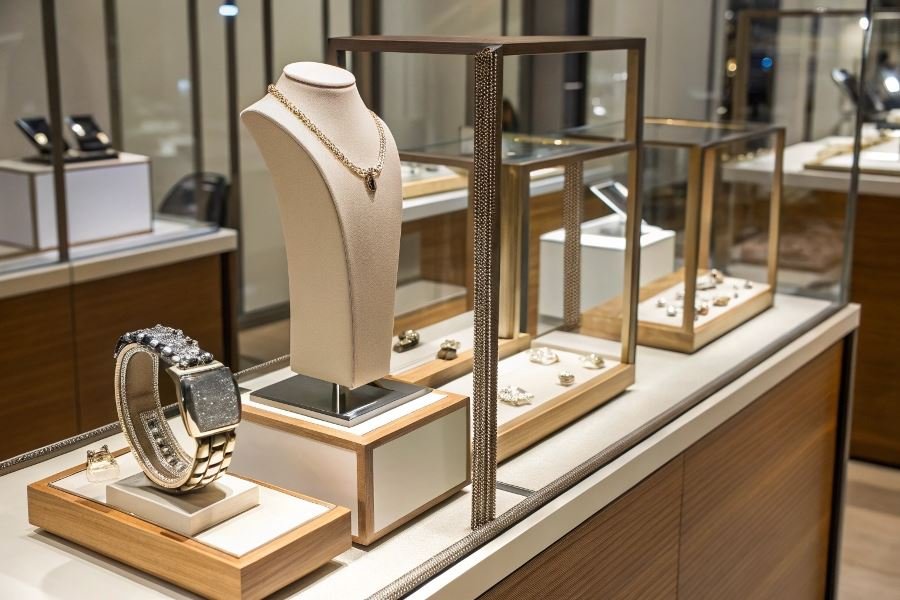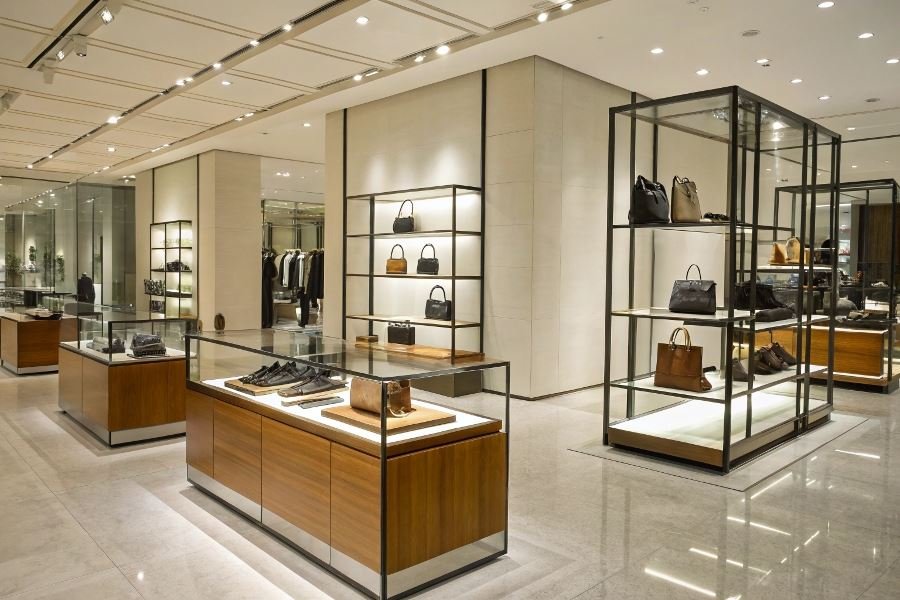
Ever walked into a store and found yourself inexplicably drawn to a particular product? Chances are, it wasn’t just the product—it was how it was presented.
The right display stand doesn’t just hold merchandise—it tells a story, creates desire, and quietly guides customers toward purchase decisions. Retail spaces are battlegrounds for attention, and your display strategy determines whether your products become heroes or background characters in this daily drama.
Visual merchandising isn’t just an art—it’s a science backed by hard numbers. Research from the Point of Purchase Advertising International reveals that effectively displayed merchandise can increase sales by up to 65%. That’s not incremental improvement—that’s transformation.
The psychology behind effective displays
When customers encounter well-presented merchandise, their brains process it differently. Strategic display stands create what retail psychologists call “stopping power”—that crucial moment when a browsing customer pauses, engages, and considers. This engagement directly correlates with purchase probability.
The three pillars of display stand selection
Successful display stand selection balances three critical factors:
- Product requirements – Weight, size, and handling needs
- Customer behavior – Traffic patterns and interaction preferences
- Brand alignment – Visual consistency with your overall identity
“The best display stands don’t just showcase products—they extend your brand promise into the physical space.”
Your merchandise deserves more than just a place to sit. It deserves a stage that amplifies its value, communicates its benefits, and positions it as the solution your customers didn’t even know they needed. The right display stand doesn’t just hold your product—it elevates your entire retail strategy.
Strategic Display Stand Selection for Maximum Impact
Harmonizing with Your Store’s Spatial Reality
The retail environment is a complex ecosystem where every square foot matters. When selecting display stands for your merchandise, the first consideration must be your store’s unique spatial constraints. A boutique with 800 square feet demands different solutions than a 12,000 square foot department store. The process of how to choose a display stand for store merchandise begins with a thorough assessment of your available space and traffic patterns.
Floor mapping is essential before investing in any display infrastructure. Measure your walkways—experts recommend main aisles should maintain a minimum width of 4-5 feet to accommodate the “butt-brush effect” (customers’ tendency to avoid browsing areas where they might be bumped from behind). Secondary pathways can be narrower at 3-4 feet, but never sacrifice comfortable navigation.
“The most effective retail displays work with your space, not against it. They should feel like they belong, not like they were forced into place.”
For high-traffic zones near entrances, consider freestanding island displays that customers can circulate around completely. These 360-degree browsing opportunities from brands like Slatwall maximize visibility without creating bottlenecks. In contrast, wall-adjacent areas benefit from tiered wall displays or slat walls that utilize vertical space efficiently.
Product-Specific Display Solutions
Different merchandise categories demand specialized display approaches:
| Product Type | Recommended Display | Key Features |
|---|---|---|
| Apparel | Four-way racks, mannequins | Height adjustability, mobility |
| Jewelry | Locked glass cases, tiered platforms | Security, lighting integration |
| Books/Media | Slatwall shelving, gondolas | Facing options, categorization |
| Food Items | Acrylic bins, refrigerated cases | Hygiene, temperature control |
| Electronics | Interactive kiosks, security tethers | Demo capability, theft prevention |
Clothing items benefit from height-adjustable racks that can be reconfigured seasonally. Heavy garments like coats require reinforced hanging systems with weight capacities of 50+ pounds per linear foot. Meanwhile, folded items display best on tiered tables with 12-18 inch depth for optimal browsing.
For small, high-value items like jewelry or electronics, locking display cases from manufacturers like Displays2Go offer the dual benefit of security and premium presentation. These typically feature tempered glass construction with integrated LED lighting systems that operate at 2700-3000K color temperature—ideal for highlighting product details without distortion.
The Visibility-Accessibility-Protection Triangle
Every successful display strategy balances three competing priorities:
-
Maximum Visibility: Your merchandise must be seen to sell. Consider sight lines from multiple vantage points in your store. Products displayed at eye level (approximately 5’6″ from the floor) typically see 35% higher engagement than those placed higher or lower.
-
Easy Accessibility: Customers should be able to interact with products without assistance. Reach zones matter—the most comfortable browsing happens between waist and shoulder height. For items displayed beyond this range, ensure staff can easily retrieve them using display systems with removable shelving or pull-out drawers.
-
Appropriate Protection: Different merchandise requires different levels of security. Acrylic risers provide minimal protection but excellent visibility for low-risk items. Lockable showcases with 3/16″ or thicker glass offer substantial security for valuable merchandise while maintaining visibility. For extremely high-value items, consider alarmed display cases with tamper-evident features.
The most effective retail environments use a graduated security approach—displaying lower-value items in open, accessible formats while reserving higher-security displays for premium merchandise. This strategy maximizes browsing opportunities while protecting your investment.
By thoughtfully matching your display infrastructure to your space, products, and protection needs, you create a shopping environment that not only showcases merchandise effectively but also guides customers through a carefully orchestrated retail journey.
Display Stands That Drive Brand Identity and ROI
Aligning Materials with Brand DNA
Your display stands aren’t just holding products—they’re telling your brand story. The materials you select create immediate sensory impressions that customers subconsciously process. Metal fixtures convey modernity and durability, while wooden displays signal craftsmanship and tradition. Glass elements suggest premium quality and transparency.
Consider how West Elm uses reclaimed wood displays to reinforce their sustainability commitment, or how Apple employs minimalist white and clear acrylic stands that mirror their product design philosophy. These aren’t random choices—they’re strategic brand extensions.
The texture, color, and finish of your display materials should feel like a natural continuation of your brand aesthetic, not a jarring departure.
For luxury brands, investing in custom-fabricated displays with premium materials pays dividends in perceived value. Budget-conscious retailers can achieve brand alignment through thoughtful color selection and consistent design language, even with standard fixtures.
Durability That Delivers Long-Term Value
Display stands face a punishing environment: constant handling, cleaning chemicals, weight stress, and environmental factors. Smart retailers evaluate the total cost of ownership, not just initial price.
| Material | Lifespan | Maintenance | Best For |
|---|---|---|---|
| Acrylic | 3-5 years | Low (prone to scratches) | High-turnover products |
| Hardwood | 7-10+ years | Medium (occasional refinishing) | Premium, stable displays |
| Metal | 10+ years | Low (occasional polishing) | High-traffic areas |
| Laminate | 3-7 years | Low (wipe clean) | Budget-conscious retailers |
Modular systems offer exceptional long-term value by adapting to changing merchandise needs. Slatwall and grid systems can be reconfigured seasonally without purchasing entirely new fixtures.
Consider maintenance requirements in your selection process. High-gloss finishes show fingerprints and require frequent cleaning. Textured surfaces hide dust but may trap dirt in crevices. The ideal balance depends on your staffing resources and store environment.
The most expensive display stand isn’t the one with the highest price tag—it’s the one that fails prematurely or damages your merchandise.
Measuring Display Effectiveness
The ultimate test of any display stand is its impact on your bottom line. Implement these metrics to quantify performance:
-
Dwell time – How long do customers engage with products on specific displays? Longer engagement typically correlates with higher conversion rates.
-
Touch-to-purchase ratio – Track how many customers who interact with a displayed product actually purchase it. This reveals which displays facilitate conversion.
-
Sales velocity – Compare identical products placed on different display types to identify which fixtures drive faster turnover.
-
Cross-selling success – Measure how effectively displays encourage complementary purchases through strategic product grouping.
RetailNext and similar analytics platforms can help track customer interaction patterns with different display configurations.
A/B testing remains the gold standard for display effectiveness. Rotate merchandise between different display types while controlling for location and promotion, then analyze sales data to identify clear winners.
Remember that effective displays don’t just boost immediate sales—they strengthen brand perception and customer loyalty, creating compounding returns on your fixture investment.
Discover how to choose the perfect retail display stands that boost sales and customer engagement. Learn to match displays with your store layout, product type, and brand identity for maximum ROI and merchandising effectiveness.
Discover how to choose the perfect retail display stands that boost sales and customer engagement. Learn to match displays with your store layout, product type, and brand identity for maximum ROI and merchandising effectiveness.