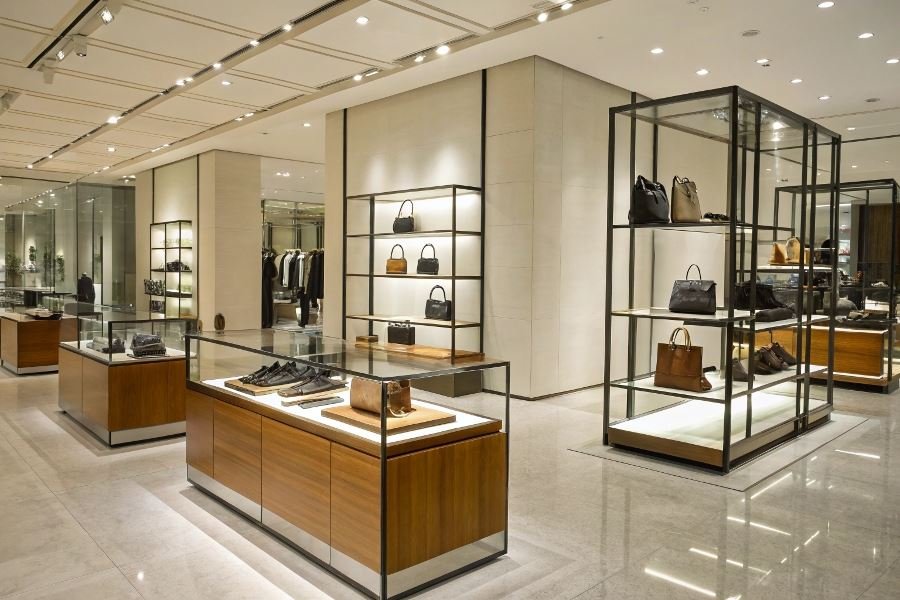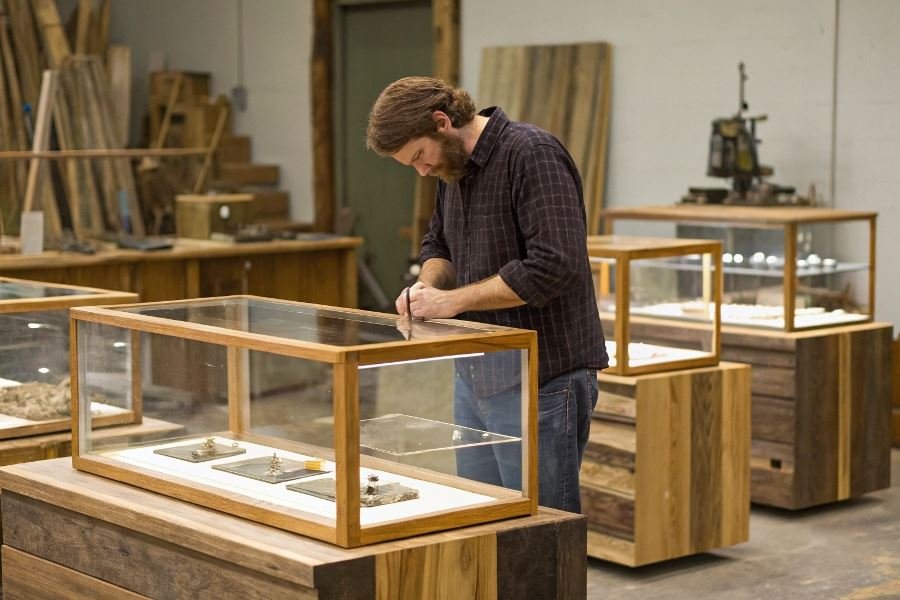
Ever walked past a store window that stopped you in your tracks? That magnetic pull isn’t accidental—it’s the result of strategic visual merchandising. For small retailers, an eye-catching window display can be the difference between a bustling shop and an empty one. The challenge? Creating that magic without breaking the bank.
The silent salesperson working 24/7
Your window display works harder than any employee—it never takes breaks, never calls in sick, and sells to passersby even when you’re closed. Research from the National Retail Federation shows that effective displays can increase foot traffic by up to 35%. Yet many small business owners struggle to justify spending hundreds or thousands on professional display fixtures when profit margins are already tight.
“My handmade pottery wasn’t selling until I rebuilt my window display using materials I already had. Sales jumped 40% the following month.” — Artisan shop owner in Portland
DIY display stands: Where creativity meets practicality
Creating your own display stands isn’t just about saving money—it’s about crafting something uniquely aligned with your brand identity. DIY approaches offer three distinct advantages:
- Cost efficiency: Materials like repurposed wooden pallets, PVC pipe, or even cardboard can be transformed into professional-looking displays for a fraction of commercial options
- Flexibility: Custom-built stands can be easily modified as your inventory or seasons change
- Authenticity: Handcrafted displays add character that mass-produced fixtures simply can’t match
When customers connect with your window’s visual story, they’re already emotionally invested before stepping inside. And that connection begins with thoughtfully designed displays that don’t require professional budgets—just professional thinking.
The DIY Display Toolkit: Materials and Tools That Won’t Break the Bank
Base Materials That Deliver Without the Expense
Creating eye-catching window displays doesn’t require a Hollywood budget. The foundation of any great DIY display stand begins with selecting the right base materials that balance durability with cost-effectiveness. Wood remains the champion of versatility—particularly pine and plywood, which offer structural integrity at around $15-25 per sheet. For temporary displays, corrugated cardboard provides surprising strength at less than $2 per large sheet, while foam board delivers a clean, professional look for approximately $5-10.
When exploring budget solutions for window display: DIY stands, PVC pipes emerge as the unsung heroes of the retail world. At roughly $3-5 per 10-foot length, these lightweight tubes can be transformed into modern, industrial-looking frameworks that support merchandise with unexpected elegance. The beauty lies in their modular nature—they can be disassembled and reconfigured for seasonal changes without additional investment.
Material cost comparison:
| Material | Approximate Cost | Durability | Skill Level Required |
|---|---|---|---|
| Plywood | $15-25/sheet | 3-5 years | Intermediate |
| Cardboard | $1-3/sheet | 2-6 months | Beginner |
| PVC Pipe | $3-5/10ft | 5+ years | Beginner-Intermediate |
| Foam Board | $5-10/sheet | 1 year | Beginner |
Tools That Multiply Your Capabilities
The right tools transform raw materials into professional-looking displays while saving countless hours of frustration. Your essential toolkit should include:
- A reliable measuring tape and carpenter’s square for precision cuts
- A quality utility knife with replaceable blades for cardboard and foam work
- A cordless drill with various bits for wood and PVC assembly
- Sandpaper in various grits to achieve professional finishes
For wood-based projects, consider investing in a Ryobi jigsaw (60 − 90)whichallowsforcurvedcutsanddetailedwork.PVC − focuseddisplaysbenefitenormouslyfromadedicated[PVCpipecutter](https : //www.homedepot.com/b/Plumbing − Plumbing − Tools − Pipe − Cutters/N − 5yc1vZbqn5)(10-15), which creates clean edges without the mess of sawdust.
The difference between amateur and professional-looking displays often comes down to finishing touches—invest in quality paint brushes and adhesives rather than cutting corners on these final steps.
Sourcing Materials Like a Seasoned Pro
Thrift Stores and Salvage Operations
Thrift stores like Goodwill and Habitat for Humanity ReStores offer treasure troves of display-worthy materials at 50-80% below retail. Look beyond the obvious—wooden furniture can be disassembled for planks, and metal shelving units provide structural elements for sophisticated displays.
Online Marketplaces with Hidden Gems
Beyond the expected Facebook Marketplace and Craigslist listings, specialized platforms like OfferUp connect you with local sellers offloading building materials. The key advantage: negotiating power and the ability to inspect materials before purchasing.
Repurposing the Overlooked
Some of the most striking display elements come from repurposed items that cost nothing. Wooden pallets (often free behind retail stores) transform into rustic shelving. Wine crates from local liquor stores create instant depth and texture. Even fallen branches, properly cleaned and sealed, introduce organic elements that draw the eye and create memorable visual merchandising.
By combining these strategic material choices, essential tools, and resourceful sourcing techniques, your DIY window displays will project professionalism while maintaining the authentic character that mass-produced fixtures simply cannot match.
DIY Display Stands That Won’t Break the Bank
Transforming your storefront doesn’t require a hefty investment. With some creativity and basic materials, you can craft professional-looking display stands that capture attention and showcase your products effectively. Let’s explore three budget-friendly approaches that deliver maximum visual impact with minimal expense.
Wooden Crate Modular Magic
Wooden crates have become retail display powerhouses for good reason. These versatile boxes can be stacked, mounted on walls, or arranged in countless configurations to create dynamic product presentations.
Where to find them: Source crates from local farmers’ markets, hardware stores, or online marketplaces for $5-15 each. Many orchards and produce suppliers will sell or even give away their surplus crates.
The beauty of crate displays lies in their modularity. By sanding, staining, or painting these humble boxes, you can create a cohesive look that aligns perfectly with your brand aesthetic. A light sanding followed by a coat of Minwax wood stain can transform raw wood into sophisticated display platforms.
Pro tip: Install small casters on the bottom of your crate displays to create mobile merchandising units that can be easily reconfigured throughout the day.
For maximum impact, try:
- Stacking crates at varying heights to create visual interest
- Installing small LED strip lights inside crates for dramatic product highlighting
- Adding dividers within crates to organize smaller merchandise
Floating Displays That Captivate
Nothing draws the eye quite like products that appear to float in midair. Using nearly invisible fishing line and recycled materials, you can create suspended displays that make merchandise appear to defy gravity.
Materials needed:
- Clear fishing line (20-30 lb test strength)
- Small S-hooks or paper clips
- Ceiling hooks or tension rods
- Recycled materials (clear plastic bottles, driftwood, branches)
The key to successful suspended displays is creating balance. Distribute weight evenly and secure attachment points firmly. For lightweight items like scarves, jewelry or small accessories, 20 lb test fishing line provides ample strength while remaining nearly invisible.
| Material | Best For | Approximate Cost |
|---|---|---|
| Fishing line | Lightweight items | $8-12 per spool |
| Driftwood | Natural/organic brands | Free (collected) |
| Clear acrylic sheets | Modern/minimalist look | $15-25 per sheet |
| Repurposed bottles | Eco-friendly messaging | Free (recycled) |
Remember: The goal is to make customers focus on your products, not the display mechanisms. Test your suspended displays thoroughly before installing them in your window to ensure stability.
Seasonal Transformation Systems
Smart retailers know that refreshing displays seasonally drives repeat visits and customer engagement. Creating a base display system with interchangeable elements allows for quick, budget-friendly updates.
Core components:
- Neutral base structures (white/black/natural wood)
- Interchangeable fabric panels in seasonal colors
- Clip-on decorative elements
- Adjustable lighting options
By maintaining consistent base structures, you can dramatically change your window’s appearance by swapping just a few elements. A simple wooden ladder, for instance, can showcase winter scarves in December, beach towels in June, and back-to-school supplies in August—all with minimal reconfiguration.
Seasonal transformation costs:
Rather than building entirely new displays quarterly, investing in a transformation system might cost $200-300 initially but require only $30-50 per season for refreshed elements—saving hundreds over traditional display replacements.
The smartest approach: Design your interchangeable elements to fold flat for storage, maximizing your stockroom space while minimizing seasonal transition time.
With these three approaches, your window displays can remain fresh, engaging, and professional without demanding professional design budgets.
Discover budget-friendly DIY window display stands that transform your retail space without breaking the bank. Learn practical techniques using affordable materials to create professional-looking displays that attract customers and boost sales.
Discover budget-friendly DIY window display stands that transform your retail space without breaking the bank. Learn practical techniques using affordable materials to create professional-looking displays that attract customers and boost sales.