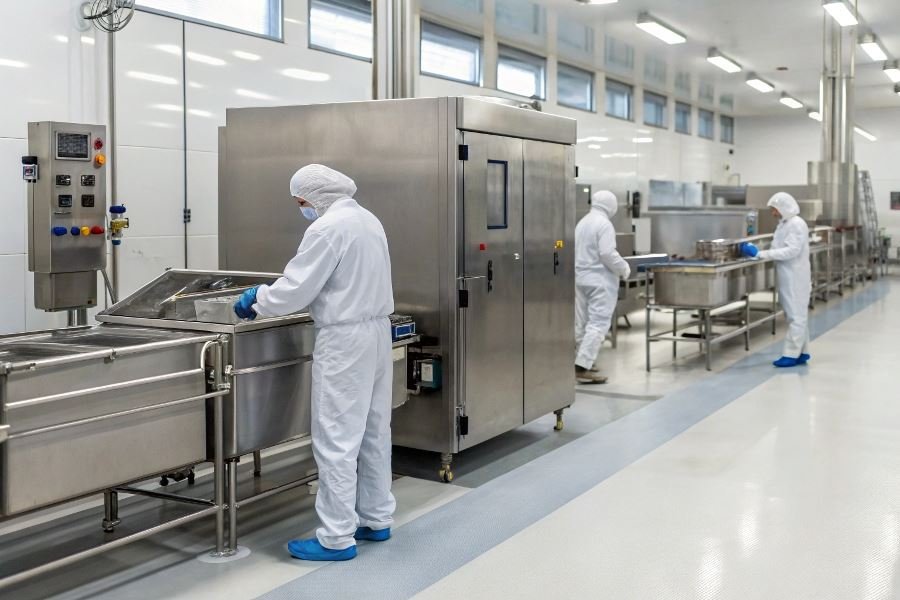
Did you know that traditional sterilization equipment can consume as much electricity as three household refrigerators running simultaneously? This hidden energy drain has been quietly impacting bottom lines across medical facilities, laboratories, and manufacturing plants for decades.
Energy efficiency in sterilization isn’t just a buzzword—it’s the critical intersection where operational costs meet environmental responsibility. Modern energy-efficient sterilizers represent a fundamental shift in how we approach the essential process of eliminating harmful microorganisms from tools, equipment, and products. These advanced systems maintain the gold standard of sterilization while dramatically reducing the resources required.
The evolution of sterilization technology
Sterilization technology has undergone remarkable transformation since the introduction of the first autoclave by Charles Chamberland in 1879. Early models were notoriously inefficient, converting only about 40% of input energy into actual sterilization work. Today’s leading models achieve efficiency ratings above 90%, representing decades of engineering innovation and responding to increasingly stringent energy standards.
Why the investment makes dollars and sense
The benefits of upgrading to energy-efficient sterilization solutions extend far beyond reduced utility bills:
- Operational cost reduction: Modern units typically deliver 30-45% energy savings compared to legacy equipment
- Extended equipment lifespan: Lower operating temperatures and optimized cycles reduce mechanical stress
- Enhanced process reliability: Digital monitoring systems ensure consistent results while minimizing resource use
- Smaller environmental footprint: Reduced energy consumption means lower carbon emissions—approximately 4-6 tons less CO₂ annually per unit
The most compelling aspect of this technology isn’t just what it saves, but what it delivers: uncompromised sterilization quality with significantly less environmental impact and operational expense.
The Sterilization Revolution: Three Game-Changing Technologies
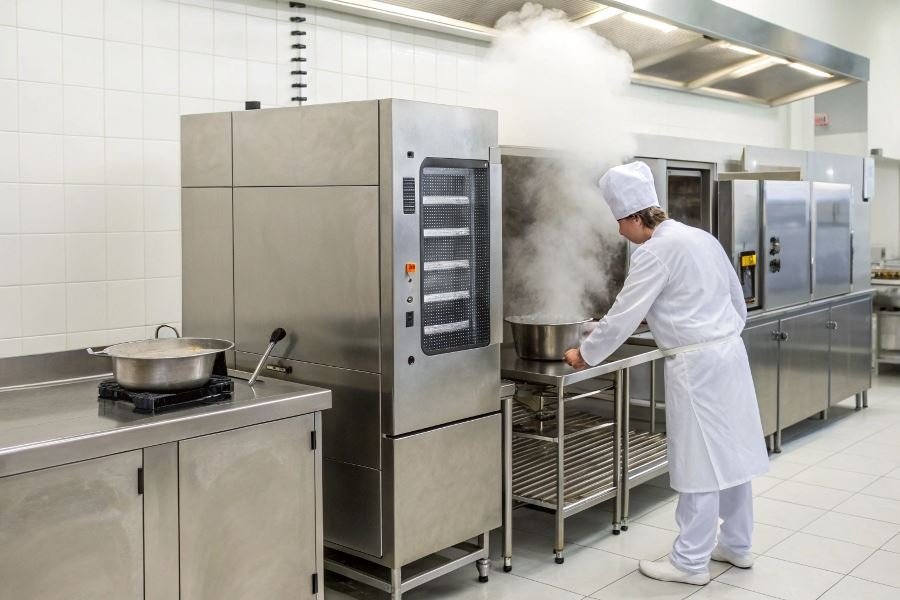
In healthcare facilities, laboratories, and manufacturing environments, the push for energy efficiency has transformed sterilization technology. Modern sterilizers now deliver exceptional microbial elimination while dramatically reducing energy consumption and operational costs. Let’s explore the three most innovative categories reshaping the industry.
The landscape of energy-efficient sterilizers: overview of modern models reveals a significant shift toward sustainability without compromising effectiveness. Healthcare facilities can now achieve complete sterilization while reducing their carbon footprint and utility bills—a win-win that’s driving rapid adoption across sectors.
Steam Autoclaves With Heat Recovery Wizardry
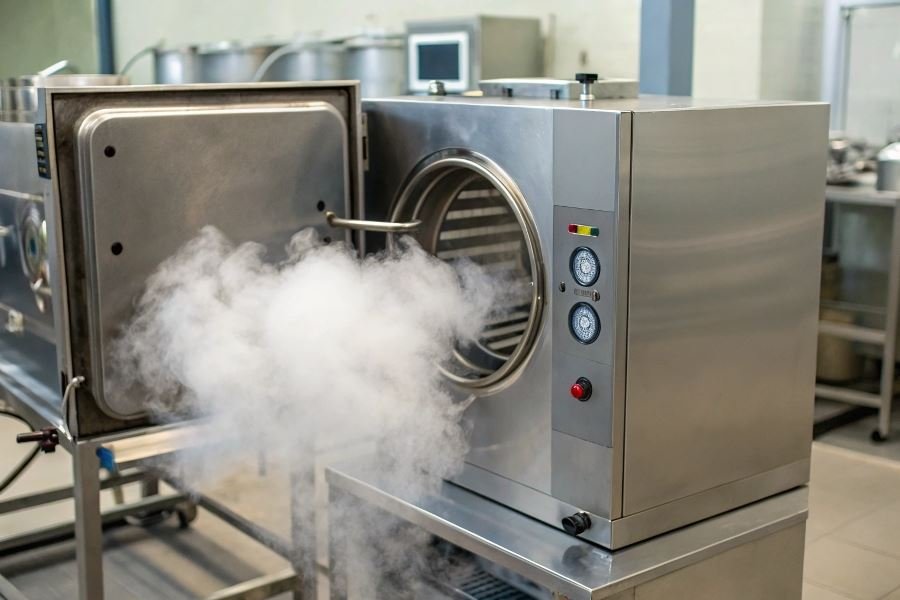
Steam autoclaves remain the gold standard for sterilization, but today’s models bear little resemblance to their energy-hungry predecessors. Advanced heat recovery systems have revolutionized these workhorses.
How they work: Modern autoclaves capture waste heat from exhaust steam and condensate, recycling it to preheat incoming water or maintain chamber temperature. This simple yet brilliant innovation reduces energy consumption by 25-40%.
The STERIS AMSCO Evolution series exemplifies this technology with its dynamic air removal system and precision steam delivery that maintains optimal temperature with minimal energy input.
Notable efficiency features include:
- Vacuum-assisted drying that reduces cycle time by up to 30%
- Intelligent standby modes that maintain readiness while minimizing energy use
- Water recirculation systems that reduce consumption by up to 95%
Plasma Sterilizers: The Cold Revolution
Low-temperature hydrogen peroxide plasma sterilizers represent perhaps the most dramatic leap forward in energy efficiency.
The efficiency advantage: Operating at temperatures between 40-50°C (104-122°F), these systems require a fraction of the energy needed to generate and maintain the high temperatures of traditional steam methods.
| Feature | Energy Savings | Application Benefits |
|---|---|---|
| Low temperature operation | 70-80% vs. steam | Safe for heat-sensitive instruments |
| Short cycle times | 30-50% time reduction | Higher throughput, lower per-cycle energy |
| No water consumption | 100% water savings | Reduced utility costs, no drainage required |
The STERRAD NX by Advanced Sterilization Products achieves complete sterilization in just 28 minutes while consuming roughly 1.5 kWh per cycle—approximately 75% less energy than comparable steam processes.
UVGI Systems: Light-Based Sterilization
Ultraviolet germicidal irradiation (UVGI) systems represent the frontier of energy-efficient sterilization technology.
The ultraviolet advantage: UVGI systems use high-intensity UV-C light (typically 254nm wavelength) to destroy microorganisms by damaging their DNA and RNA, preventing reproduction.
Why they’re winning the efficiency race:
- Instant-on technology eliminates warm-up periods
- No consumables required beyond occasional bulb replacement
- Room-temperature operation eliminates heating/cooling energy costs
- Typical power draw under 200W for countertop models
The Xenex LightStrike pulsed xenon UV robot exemplifies this category’s potential, delivering hospital-grade disinfection with minimal energy input. For smaller applications, the American Ultraviolet Germicidal Cabinet provides efficient instrument sterilization with energy consumption comparable to a standard light bulb.
Each of these technologies represents a significant advancement in balancing microbial elimination with energy conservation—proving that in sterilization, you no longer need to choose between effectiveness and efficiency.
Making the Smart Choice: Energy-Efficient Sterilizers
When investing in sterilization technology, the decision extends far beyond the initial price tag. Today’s energy-efficient sterilizers offer compelling advantages that impact both operational budgets and environmental footprints. Let’s dive into what really matters when selecting the right model for your specific needs.
The efficiency triple threat
Modern sterilizers vary dramatically in their performance metrics. The most advanced models on the market demonstrate impressive efficiency profiles:
| Sterilizer Type | Energy Consumption | Complete Cycle Time | Annual Operating Cost |
|---|---|---|---|
| STERIS AMSCO Evolution | 6.3 kWh/cycle | 28-35 minutes | $1,200-1,500 |
| Getinge Solsus 66 | 5.8 kWh/cycle | 30-45 minutes | $1,100-1,400 |
| Tuttnauer T-Max | 4.2 kWh/cycle | 35-50 minutes | $900-1,200 |
| Midmark M11 UltraClave | 2.1 kWh/cycle | 40-55 minutes | $500-700 |
The latest hydrogen peroxide plasma sterilizers from STERRAD consume approximately 75% less energy than traditional steam autoclaves while eliminating water usage entirely. However, their higher upfront costs ($45,000-65,000) require careful ROI calculation.
Energy efficiency doesn’t always correlate with sterilization efficacy. The most power-thrifty models sometimes require longer cycle times to achieve the same sterility assurance level (SAL), potentially creating operational bottlenecks during peak usage periods.
Right-sizing for your facility
Implementation considerations vary dramatically across different settings:
For medical clinics and dental practices, counter-top models like the Midmark M11 or Statim G4 offer the best balance of energy efficiency and rapid cycling for smaller instrument loads. Their compact footprint (typically under 24″ width) and standard electrical requirements make them ideal for facilities processing 15-30 loads weekly.
Hospital central sterile departments face entirely different challenges. High-volume facilities processing 100+ loads daily benefit most from large chamber models with advanced heat recovery systems. The Belimed MST-H series captures waste heat from completed cycles to pre-heat incoming water, reducing energy consumption by up to 40% compared to older models.
Pharmaceutical manufacturing environments require specialized considerations beyond energy metrics alone, including validation protocols and contamination control strategies that may influence equipment selection.
Tomorrow’s sterilization landscape
The future of sterilization technology is evolving rapidly along several promising fronts:
-
AI-powered cycle optimization is emerging in premium models from STERIS and Getinge, with intelligent systems that adjust parameters in real-time based on load characteristics, potentially reducing energy usage by 15-20%.
-
Renewable energy integration is becoming standard, with manufacturers designing systems compatible with solar and other alternative energy sources. Tuttnauer’s GreenLine series includes direct DC power options specifically for solar applications.
-
Novel sterilization methods using supercritical CO2 and cold atmospheric plasma show promise in laboratory testing, potentially reducing energy requirements by 80-90% compared to traditional methods while extending the lifespan of heat-sensitive instruments.
The most forward-thinking facilities are already implementing predictive maintenance systems that monitor sterilizer performance metrics, identifying efficiency degradation before it impacts operations or energy consumption. These systems typically deliver ROI within 12-18 months through prevented downtime and optimized performance.
When selecting your next sterilizer, consider not just today’s needs but tomorrow’s possibilities. The most energy-efficient model is ultimately the one that best aligns with your specific workflow, load types, and operational requirements.
Discover the latest energy-efficient sterilizers that reduce operational costs while maintaining effectiveness. Compare steam autoclaves, hydrogen peroxide plasma, and UVGI systems to find the perfect solution for your facility's needs.
Discover the latest energy-efficient sterilizers that reduce operational costs while maintaining effectiveness. Compare steam autoclaves, hydrogen peroxide plasma, and UVGI systems to find the perfect solution for your facility's needs.