Did you know that having a fire extinguisher within 75 feet of any location in your building isn’t just good practice—it’s often the law? Yet the effectiveness of these life-saving devices depends not just on their presence, but on how they’re positioned throughout your space.
When it comes to protecting your property and the people inside it, the choice between floor and wall-mounted fire extinguisher stands represents a critical safety decision. Fire safety experts recognize that proper extinguisher placement can mean the difference between a minor incident and a devastating blaze. The National Fire Protection Association (NFPA) has documented that properly placed extinguishers can reduce property damage by up to 29% when used in the early stages of a fire.
Navigating compliance requirements
Fire safety regulations aren’t suggestions—they’re mandated requirements with serious consequences for non-compliance. The NFPA 10 standard specifically addresses extinguisher placement, requiring that:
- Class A extinguishers must be placed within 75 feet of any location
- Class B extinguishers need placement within 50 feet
- Extinguishers must be clearly visible and accessible
- Mounting height requirements vary based on extinguisher weight
Failure to comply with these regulations can result in fines exceeding $7,000 per violation, not to mention the potential liability issues if a fire occurs.
Key decision factors
When evaluating your options, consider these critical factors:
- Visibility: Wall-mounted units offer superior visibility across open spaces
- Accessibility: Floor stands excel in areas where wall mounting isn’t practical
- Traffic patterns: High-traffic areas may benefit from wall mounts to prevent accidental tipping
- Building structure: Drywall, concrete, or glass walls each present different mounting challenges
- Extinguisher weight: Heavier units often require floor stands or specialized wall reinforcement
The ideal solution often involves a strategic combination of both placement types, tailored to your specific environment.
The Strategic Placement Showdown: Floor vs Wall-Mounted Fire Extinguisher Stands
When safety equipment positioning can make the difference between swift emergency response and critical delays, the choice between floor and wall-mounted fire extinguisher stands becomes far more than a casual decision. The strategic placement of these life-saving devices demands careful consideration of your specific environment, traffic patterns, and safety protocols.
In commercial and industrial settings, the debate over floor vs wall-mounted fire extinguisher stands: which is better often comes down to practical considerations that balance visibility, accessibility, and space efficiency. Each mounting solution offers distinct advantages that safety managers must weigh against their facility’s unique requirements and constraints.
Space Utilization and Accessibility Dynamics
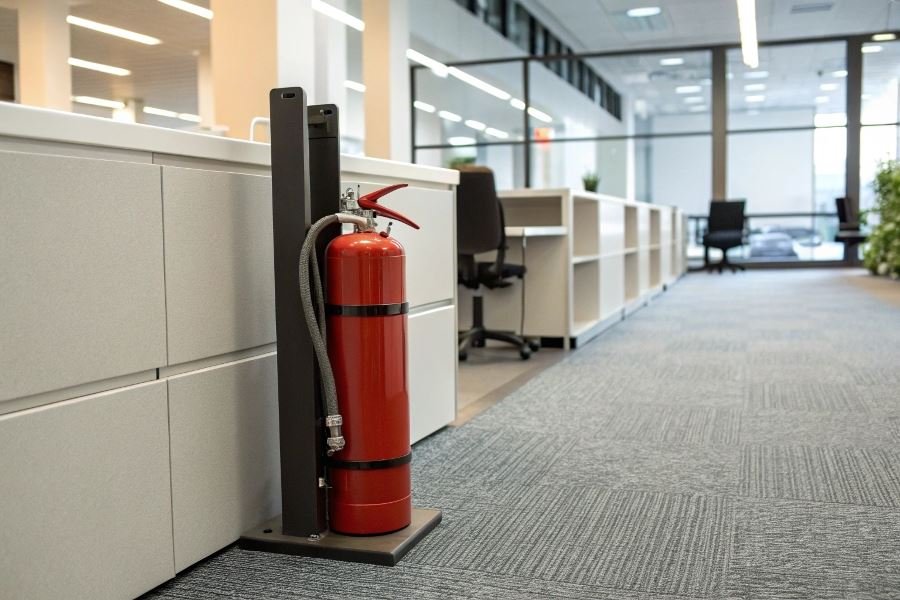
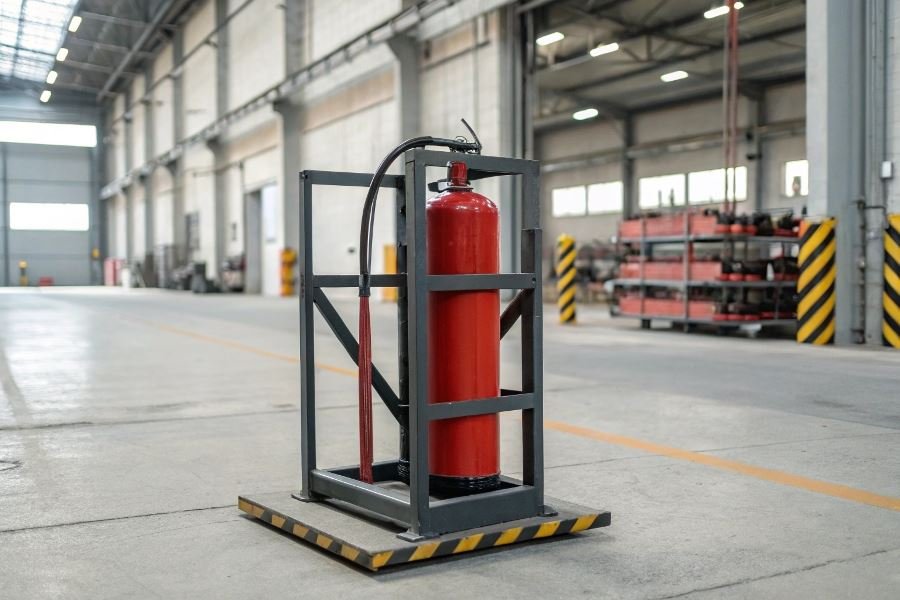
Floor stands excel in environments where wall space is limited or where walls consist of materials that complicate mounting (glass, decorative surfaces, or historical structures). These freestanding units can be strategically positioned near high-risk areas without structural modifications.
Wall-mounted stands, conversely, leverage vertical space—keeping valuable floor area clear for operations, foot traffic, or equipment. This elevation advantage proves particularly valuable in:
- Narrow corridors where floor stands might create bottlenecks
- Manufacturing floors where equipment movement demands unobstructed pathways
- Retail environments where floor space directly impacts revenue potential
Accessibility considerations extend beyond mere placement. Wall-mounted units typically position extinguishers at a consistent height (typically 3.5-5 feet from the floor), creating standardized access points throughout a facility. Floor stands, while more flexible in positioning, may require users to bend slightly to retrieve the extinguisher.
Installation Requirements and Maintenance Realities
| Feature | Floor Stands | Wall-Mounted Stands |
|---|---|---|
| Installation Complexity | Low (no tools required) | Moderate (requires drilling/hardware) |
| Structural Requirements | None (self-supporting) | Requires suitable wall material |
| Repositioning Ease | High | Low |
| Maintenance Access | 360° access | Limited to front access |
Floor stands offer remarkable deployment flexibility, requiring zero structural modifications and allowing for immediate placement adjustments as facility layouts evolve. Their self-contained design eliminates concerns about wall integrity or hidden utilities that might complicate wall-mounting.
Wall-mounted options demand more initial installation effort but deliver long-term stability. Once properly secured, these fixtures become virtually immovable without deliberate action—an advantage in environments where equipment positioning must remain consistent for compliance reasons.
Durability, Visibility and Security Considerations
The elevated positioning of wall-mounted stands naturally enhances visibility across larger spaces, with the distinctive red extinguisher creating an unmistakable visual marker even in crowded environments. This height advantage can reduce the need for additional signage in some settings.
Floor stands counter with superior 360-degree visibility that allows identification from multiple approach angles. Many premium floor stands incorporate:
- Reflective stripes for low-light conditions
- Integrated signage that extends above surrounding equipment
- Distinctive bases that create visual contrast with flooring
From a security perspective, wall-mounted options provide inherent theft deterrence through their fixed nature. Floor models, while more vulnerable to unauthorized relocation, can be secured through weighted bases or tethering systems in high-risk environments.
Durability considerations favor wall-mounted options in high-traffic areas where accidental impacts might occur. Floor stands, particularly those with narrower profiles, may be susceptible to tipping if contacted by equipment or personnel—though modern designs increasingly incorporate stabilizing features to mitigate this risk.
The ultimate decision requires balancing these practical factors against your specific facility needs, compliance requirements, and safety protocols.
Making the Right Choice for Your Environment
Floor Stands Shine in High-Traffic Areas
Floor-mounted fire extinguisher stands excel in environments where flexibility reigns supreme. These freestanding units provide immediate visibility and access in bustling spaces like convention centers, hotel lobbies, and manufacturing floors.
The primary advantage of floor stands is their mobility. Unlike their wall-mounted counterparts, these stands can be repositioned as needed—perfect for:
- Temporary events or exhibitions
- Spaces undergoing regular reconfiguration
- Areas where drilling into walls isn’t permitted
- Locations requiring seasonal fire safety adjustments
Amerex and Kidde offer premium floor stands designed with stability features that prevent tipping even in high-traffic environments. The best models include weighted bases and non-slip feet that maintain position despite occasional bumps.
Floor stands aren’t just practical—they’re visual reminders of safety preparedness that can actually enhance compliance with fire safety protocols.
Many facilities managers report that the visibility factor of floor-mounted units contributes to better overall fire safety awareness among building occupants.
Wall Mounts Maximize Limited Space
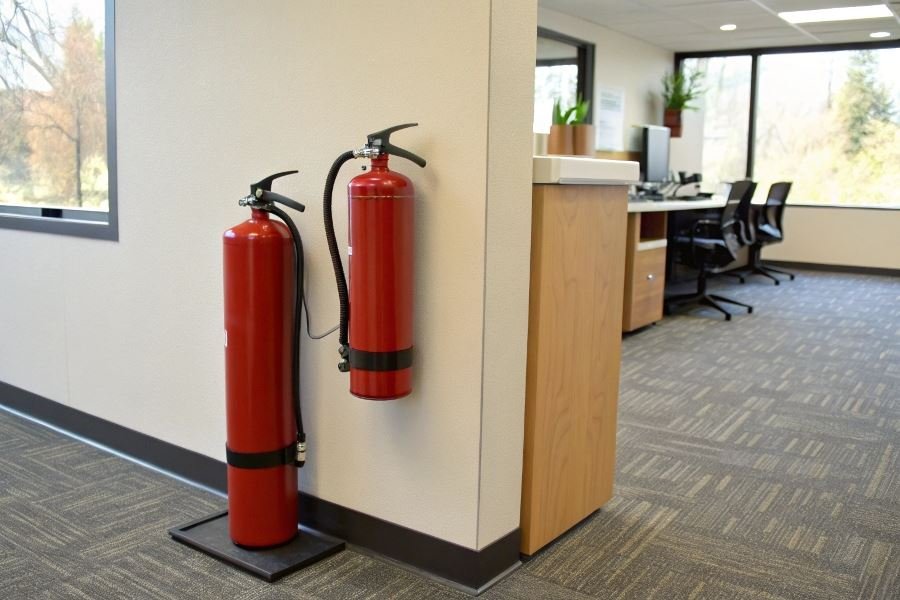
Wall-mounted extinguisher stands represent the gold standard for permanent installations where space optimization matters. These fixtures secure extinguishers firmly against walls, keeping pathways clear while maintaining high visibility.
Wall mounts prove particularly valuable in:
- Narrow corridors and hallways
- Small offices with limited floor space
- Retail environments where every square foot counts
- Healthcare facilities requiring unobstructed patient transport
The installation permanence of wall-mounted solutions offers security benefits too—these units resist tampering and theft while maintaining consistent placement for emergency response.
Ansul produces wall brackets with quick-release mechanisms that balance security with rapid deployment capabilities—critical when seconds count during an emergency.
Cost Considerations and Long-Term Value
When evaluating floor versus wall-mounted options, the initial investment tells only part of the story:
| Feature | Floor Stands | Wall Mounts |
|---|---|---|
| Initial Cost | $75-200 | $25-100 |
| Installation Expense | Minimal | Moderate (hardware + labor) |
| Durability | 5-10 years | 10-15+ years |
| Maintenance | Higher (moving parts) | Lower (fixed position) |
| Replacement Rate | More frequent | Less frequent |
The total cost of ownership often favors wall-mounted solutions for permanent installations. While floor stands require a higher initial investment, they eliminate installation costs and offer deployment flexibility that can justify the premium in dynamic environments.
Smart facility managers consider lifecycle value rather than upfront costs alone. Wall mounts typically outlast floor stands by 5+ years due to reduced wear and tear from movement and accidental impacts.
For businesses with leased spaces, floor stands offer significant advantages—they avoid potential lease violations from wall modifications and can be easily relocated during moves without leaving damage behind.
The ultimate decision hinges on your specific environment, safety requirements, and operational needs. The best solution balances immediate accessibility, space efficiency, and long-term economic value while ensuring your fire safety equipment remains ready when you need it most.
Discover the key differences between floor and wall-mounted fire extinguisher stands to make the safest choice for your space. Compare installation requirements, accessibility, and cost considerations for optimal fire safety compliance.
Discover the key differences between floor and wall-mounted fire extinguisher stands to make the safest choice for your space. Compare installation requirements, accessibility, and cost considerations for optimal fire safety compliance.