That pile of oily rags in the corner of your workshop? It could burst into flames without a spark or match. This isn’t theoretical—it happens with alarming frequency. In 2018, a Massachusetts woodworking shop suffered $2.5 million in damages when oil-soaked rags spontaneously combusted overnight. No one was present. No ignition source needed.
Fire safety requirements for storing rags in production environments exist precisely because these seemingly innocent materials create perfect conditions for disaster. When certain oils oxidize, they generate heat. In a crumpled rag, that heat gets trapped rather than dissipating, potentially reaching ignition temperature in just hours.
The science of spontaneous combustion
What makes shop rags particularly dangerous is their perfect storm of characteristics:
- High surface area (accelerates oxidation)
- Absorbent fibers (retains flammable substances)
- Insulating properties (traps generated heat)
Linseed oil, tung oil, and many solvents are particularly notorious for their spontaneous combustion potential. Even vegetable oils can ignite under the right conditions.
Regulatory landscape
OSHA, NFPA, and local fire codes establish clear requirements for rag storage. NFPA 30 specifically addresses flammable liquid-soaked materials, mandating proper disposal in metal containers with self-closing lids. These aren’t arbitrary rules—they’re life-saving protocols developed from decades of industrial fire investigations.
The difference between compliance and catastrophe often comes down to simple storage practices that take minutes to implement but can prevent months of recovery.
Mastering Rag Storage Safety in Industrial Settings
Smart Containment Solutions That Save Lives
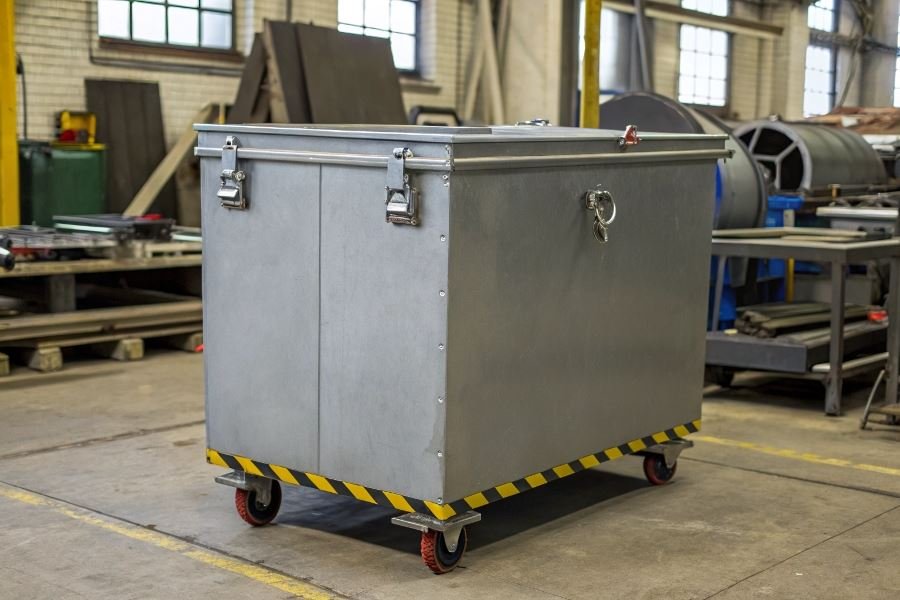
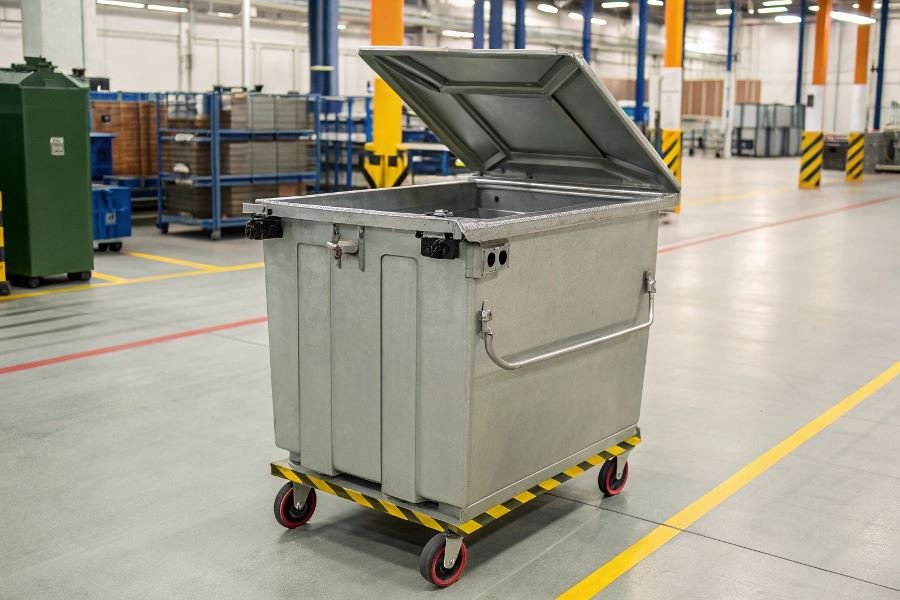
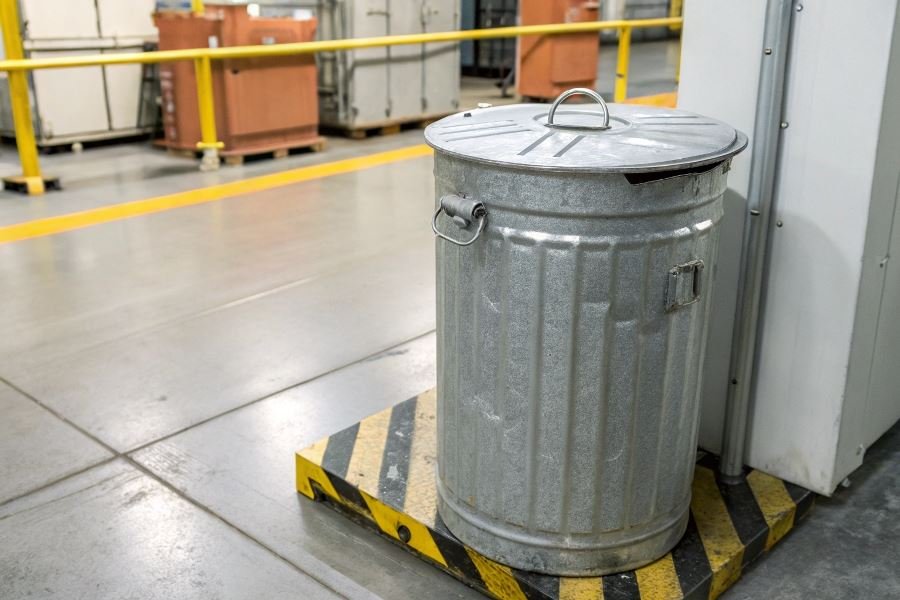
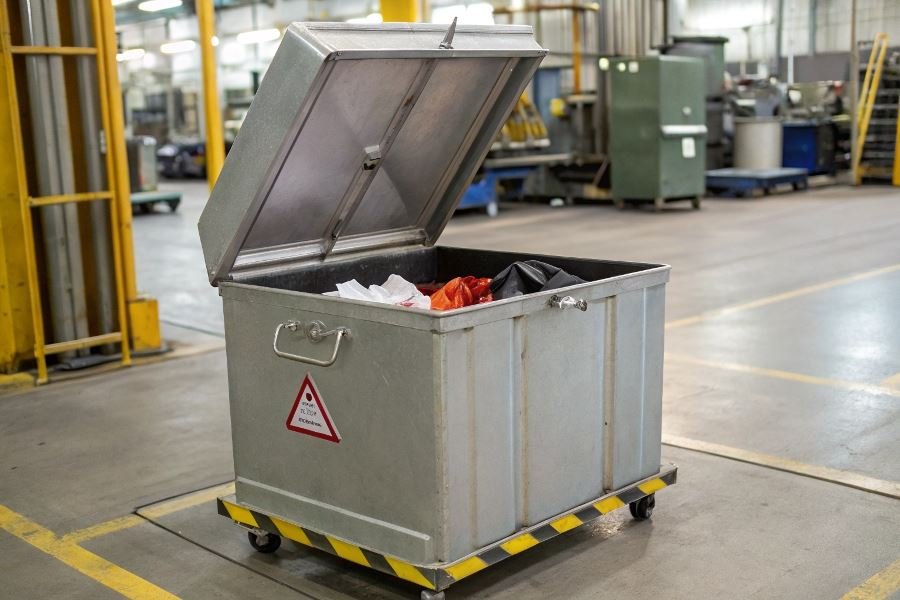
When it comes to preventing workplace fires, few materials pose as insidious a threat as contaminated rags. These seemingly innocent items can transform into dangerous fire hazards when improperly stored. Metal containers with self-closing lids represent the gold standard for rag storage safety. These specialized receptacles—often called “oily waste cans”—feature spring-loaded lids that automatically seal, preventing oxygen from feeding potential combustion.
The implementation of comprehensive fire safety requirements for storing rags in production environments isn’t just regulatory compliance—it’s a critical investment in operational continuity. A single spontaneous combustion incident from improperly stored solvent-soaked rags can devastate an entire facility in minutes. Justrite Safety Group manufactures OSHA-compliant containers specifically designed with flame-arresting technology that prevents fire spread while containing volatile vapors.
For daily operations, consider these container specifications:
| Container Type | Best For | Capacity | Key Safety Feature |
|---|---|---|---|
| Metal Safety Cans | Oil-soaked rags | 6-14 gallons | Self-closing lids |
| Flame-Resistant Bags | Moderate-risk materials | 30-55 gallons | Fire-resistant fabric |
| Ventilated Cabinets | Long-term storage | 30-90 gallons | Automatic ventilation |
Creating the Ideal Storage Environment
Proper ventilation stands as the unsung hero in rag storage safety. Storage areas require a minimum of six air changes per hour—a rate that prevents dangerous vapor accumulation while maintaining stable temperatures. Temperature control systems should maintain storage environments below 100°F (38°C), as heat accelerates chemical reactions that can trigger spontaneous combustion.
Humidity control matters too. Maintaining relative humidity between 40-60% helps prevent both excessive dryness (which increases flammability) and excessive moisture (which can accelerate chemical reactions in certain solvents).
Modern facilities increasingly implement automated monitoring systems from providers like Honeywell that continuously track temperature, humidity, and volatile organic compound (VOC) levels, triggering alerts before conditions become dangerous.
Strategic Separation Protocols
The science of separation forms the third pillar of effective rag storage safety. The National Fire Protection Association (NFPA) recommends maintaining a minimum 25-foot clearance between rag storage areas and potential ignition sources—including electrical equipment, heating systems, and high-traffic work zones.
Smart facility managers implement color-coded floor markings to visually reinforce these separation zones, making compliance intuitive for all team members.
Consider these critical separation guidelines:
- Store rags at least 25 feet from heat-producing equipment
- Maintain 50-foot separation from open flames or welding operations
- Establish dedicated storage zones away from main production areas
- Create physical barriers between storage and high-risk operations
For facilities with space constraints, FireGuard produces modular fire-rated storage units that can be positioned strategically throughout your facility while maintaining proper separation requirements.
The most effective approach combines these three elements—proper containers, controlled environments, and strategic separation—into a comprehensive system that protects both assets and personnel. When implemented correctly, these measures don’t just prevent disasters; they create a culture of safety awareness that extends throughout the organization.
Turning Rag Management into a Fire Safety Powerhouse
Fire safety isn’t just about having extinguishers on the wall—it’s about creating systems that prevent disasters before they start. When it comes to rag storage in production environments, implementation and maintenance of proper protocols can literally save lives and facilities. Let’s dive into how to build a comprehensive program that works.
Training that sticks with your team
Staff training for proper rag handling isn’t a one-and-done checkbox. The most effective programs create a culture of safety awareness that becomes second nature to employees.
Hands-on demonstration sessions consistently outperform lecture-only approaches. When employees physically practice proper rag disposal techniques, retention rates jump from approximately 20% to over 70%. Consider implementing:
- Monthly micro-training sessions (15 minutes) that focus on one specific aspect of rag handling
- Visual aids posted at rag collection points showing proper folding and storage techniques
- Scenario-based training where teams practice responding to spontaneous combustion incidents
The difference between a mediocre and exceptional training program often comes down to frequency and relevance. Tailor your training to specific departments and their unique rag usage patterns.
Inspection and disposal that actually works
The most sophisticated rag management systems incorporate regular inspection schedules with clear accountability structures.
A proper inspection protocol should include:
| Inspection Element | Frequency | Responsible Party | Documentation |
|---|---|---|---|
| Visual check of rag containers | Daily | Shift supervisors | Digital checklist |
| Container emptying | Every 8 hours (minimum) | Designated safety personnel | Disposal log |
| Deep cleaning of storage areas | Weekly | Maintenance team | Inspection report |
| Spontaneous combustion testing | Monthly | Safety officer | Test results record |
When implementing disposal procedures, remember that metal containers with self-closing lids from Justrite or Eagle provide superior protection against oxygen exposure—the catalyst for spontaneous combustion.
Industry insight: Facilities that implement daily disposal protocols experience 83% fewer rag-related fire incidents than those operating on weekly schedules.
Documentation that protects your business
Documentation isn’t just paperwork—it’s your shield against liability and your roadmap for continuous improvement.
Effective compliance verification requires:
- Digital tracking systems that timestamp inspections and alert managers to missed checks
- Photo documentation of proper storage conditions during inspections
- Training records that verify each employee’s competency with rag handling protocols
- Incident reports that capture near-misses and create learning opportunities
The most forward-thinking operations are now implementing QR-code scanning systems at disposal stations, creating real-time verification that protocols are being followed throughout shifts.
Compliance isn’t just about avoiding fines—it’s about creating verifiable evidence of your commitment to safety.
When auditing your documentation system, ensure it aligns with NFPA 30 standards for flammable materials handling and OSHA workplace safety requirements. These standards aren’t just regulatory hurdles; they’re battle-tested frameworks built on lessons learned from preventable tragedies.
By implementing these comprehensive approaches to training, inspection, and documentation, you transform rag management from a mundane task into a cornerstone of your facility’s fire prevention strategy. The investment in proper implementation pays dividends in both safety and operational efficiency.
Discover essential fire safety protocols for storing contaminated rags in industrial settings. Learn proper containment methods, ventilation requirements, and training procedures to prevent spontaneous combustion risks and ensure workplace compliance.
Discover essential fire safety protocols for storing contaminated rags in industrial settings. Learn proper containment methods, ventilation requirements, and training procedures to prevent spontaneous combustion risks and ensure workplace compliance.