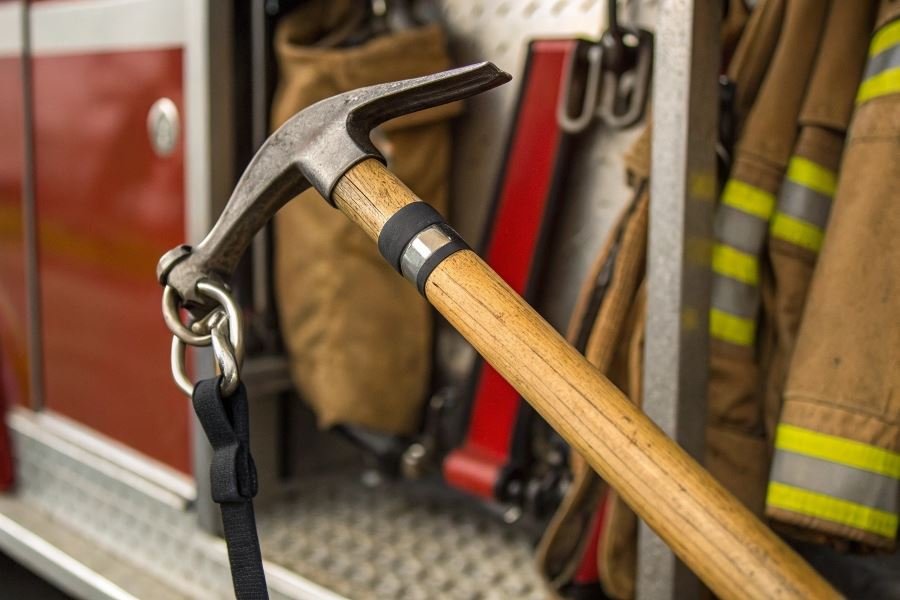
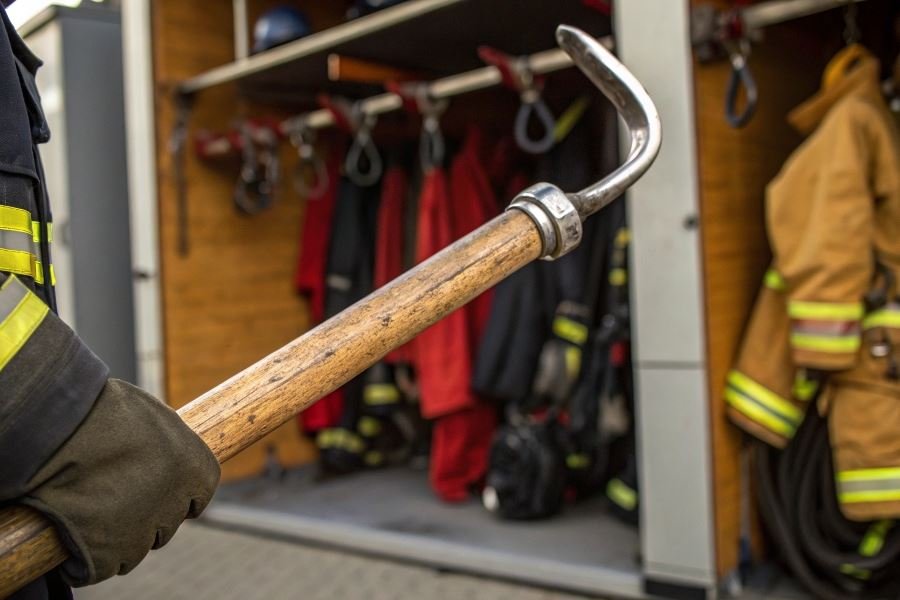
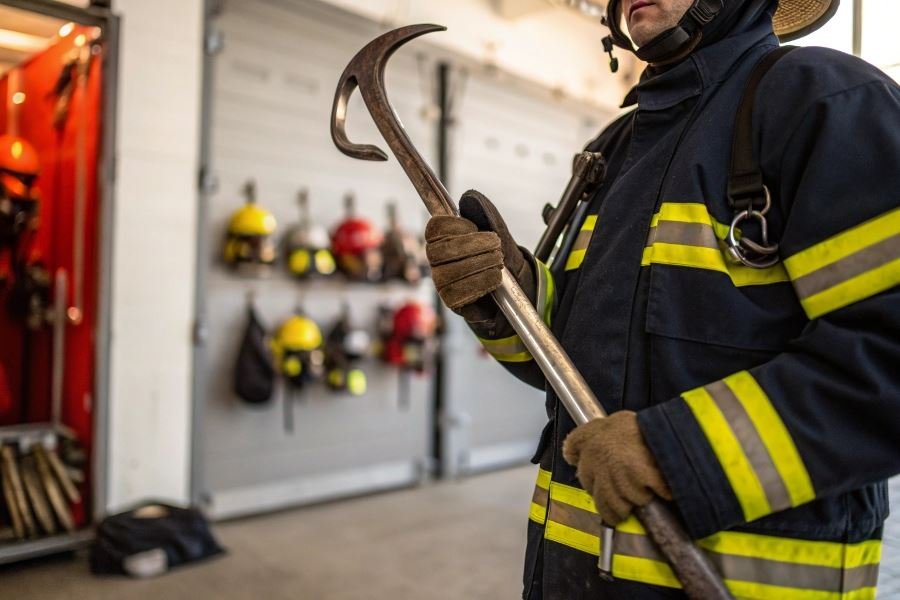
When a blaze threatens lives and property, firefighters reach for an arsenal of specialized tools. Among these, the fire hook stands as perhaps the most versatile yet underappreciated weapon in the battle against flames.
Fire hooks—also known as pike poles in North America—come in various forms, each designed for specific tactical advantages. The standard hook features a pointed metal head with a curved hook on one side, attached to wooden or fiberglass poles ranging from 3 to 12 feet in length. Specialized variants include the halligan hook with its adze end for prying, and the roof hook with its reinforced design for ceiling penetration.
Why mastering fire hook technique matters: The difference between controlling a fire and watching it spread often comes down to technique. A properly wielded fire hook allows firefighters to pull down burning materials, create ventilation paths, and access hidden fire pockets without directly exposing themselves to intense heat. One firefighting captain with 23 years of experience noted that “proper hook technique can reduce extinguishing time by up to 40% in structural fires.”
“The fire hook isn’t just a tool—it’s an extension of the firefighter’s will to control chaos.” – Fire Engineering Journal
Safety first: The critical considerations
When wielding these powerful tools, firefighters must maintain situational awareness. The hook’s leverage can unexpectedly bring down ceiling materials, potentially causing injury. Always work with a partner when using hooks overhead, maintain proper stance with feet shoulder-width apart, and communicate clearly with your team about structural weaknesses you discover.
Remember that fire hooks conduct electricity—a critical consideration when dealing with potential live wires in damaged structures. Fiberglass handles offer protection, but verification of power disconnection remains essential before operation.
Fire Hook Mastery: Essential Techniques for Effective Firefighting
When facing the intense heat and chaos of a fire scene, having the right tools and knowing how to use them properly can mean the difference between swift containment and catastrophic loss. The fire hook—sometimes called a pike pole—stands as one of firefighting’s most versatile tools, allowing responders to pull down ceilings, open walls, and move debris with precision. Learning how to properly use a fire hook when extinguishing a fire requires understanding both the tool’s capabilities and the techniques that maximize its effectiveness in various emergency scenarios.
Perfecting Your Grip and Stance
The foundation of effective fire hook operation begins with proper body positioning and tool handling. A balanced stance creates the platform for powerful, controlled movements while reducing injury risk.
The Power Grip Technique:
- Position your dominant hand near the hook head for steering control
- Place your support hand 12-18 inches below for leverage
- Maintain shoulder-width foot positioning with your dominant foot slightly forward
- Keep knees slightly bent to absorb impact forces
The most common mistake firefighters make is gripping too tightly, which accelerates fatigue during extended operations.
For ceiling operations, position yourself to the side rather than directly underneath falling debris. This “angle of attack” approach provides better visibility while keeping you clear of falling materials that can reach temperatures exceeding 1000°F.
Tactical Approaches for Different Fire Scenarios
Fire hook techniques must adapt to the specific environment you’re facing:
Structural Fires
In building fires, the hook becomes an extension of your senses, allowing you to:
- Test floor stability before advancing
- Create ventilation points by pulling ceiling materials
- Expose hidden fire pockets in walls and void spaces
Wall Opening Technique: Use short, controlled jabs rather than wild swings. Target the drywall between studs, creating a triangular pattern that allows efficient material removal while preserving structural elements.
Vehicle Fires
When dealing with vehicle fires, the hook serves primarily as a safety tool:
- Use to open hood latches from a safe distance
- Pull away burning upholstery without direct contact
- Create access points to battery compartments
Wildland and Outdoor Fires
For outdoor scenarios, the fire hook transforms into a fuel management tool:
- Break apart burning logs to reduce fuel mass
- Create firebreaks by clearing combustible materials
- Flip burning debris to expose unburned sides for water application
| Fire Scenario | Primary Hook Function | Secondary Hook Function |
|---|---|---|
| Structural | Overhaul/Exposure | Ventilation Support |
| Vehicle | Access Creation | Debris Management |
| Wildland | Fuel Separation | Firebreak Creation |
Team Coordination and Water Application
The fire hook’s effectiveness multiplies when properly integrated with other firefighting operations. Successful teams develop clear communication protocols for hook operators.
The Hook-Hose Dance:
When working with hose teams, hook operators should:
- Position themselves slightly ahead of the nozzle team
- Signal discovered hot spots for targeted water application
- Create drainage paths for water to reach concealed fire areas
Never work in isolation—maintain visual contact with at least one team member at all times.
Communication Signals:
Develop standardized hand signals for common actions:
- Pointing the hook upward: ceiling operation imminent
- Horizontal sweeping motion: moving to adjacent area
- Tapping floor twice: potential hazard discovered
By mastering these essential techniques, firefighters transform the simple fire hook into a precision instrument that enhances safety and effectiveness across diverse emergency scenarios. The difference between amateur and professional hook handling becomes immediately apparent in the efficiency of fire suppression operations and the thoroughness of overhaul procedures.
Mastering the Fire Hook: Advanced Strategies for Firefighting Excellence
Fire hooks remain indispensable tools in the firefighter’s arsenal, but their effectiveness hinges on proper maintenance, training, and technique. The difference between amateur and expert use isn’t just about strength—it’s about strategy, care, and avoiding critical mistakes that could compromise safety and effectiveness.
Maintaining Your Lifeline: Post-Fire Hook Protocols
After battling flames, your fire hook deserves immediate attention. The post-fire maintenance ritual isn’t optional—it’s essential for ensuring reliability when lives are on the line.
First, conduct a thorough cleaning to remove soot, debris, and chemical residues that accelerate corrosion. A solution of mild detergent and warm water works wonders for initial cleaning, followed by a thorough rinse and complete drying to prevent rust formation.
Next comes the critical inspection phase:
- Handle integrity: Check for cracks, splinters, or heat damage
- Head attachment: Verify secure connection between head and handle
- Metal components: Examine for warping, stress fractures, or deformation
- Edge condition: Assess sharpness and integrity of cutting surfaces
“The maintenance you skip today becomes the failure you face tomorrow. A properly maintained fire hook has saved more firefighters than we can count.”
Document your findings in a maintenance log, tracking the tool’s condition over time. Apply a light coat of appropriate lubricant to metal parts—but never to the grip areas, where it could compromise control during operations.
Training Beyond Basics: Becoming the Hook Master
Proficiency with fire hooks doesn’t happen by accident. The most effective firefighters follow structured training regimens that build both physical capability and tactical wisdom.
Start with progressive resistance training to develop the specific muscle groups needed for extended hook operations. Focus on:
| Muscle Group | Training Exercise | Benefit |
|---|---|---|
| Forearms | Farmer’s carries | Improved grip endurance |
| Core | Rotational planks | Stability during pulling motions |
| Upper back | Bent-over rows | Power for overhead operations |
| Shoulders | Pike push-ups | Strength for ceiling work |
Beyond physical preparation, scenario-based training proves invaluable. Create simulations that require:
- Rapid assessment of structural weaknesses
- Decision-making under time pressure
- Team coordination during hook operations
- Adaptation to changing fire conditions
The National Fire Protection Association recommends quarterly refresher training specifically for hand tools like fire hooks, with emphasis on technique refinement rather than mere strength application.
Fatal Flaws: Mistakes That Compromise Hook Effectiveness
Even experienced firefighters can fall prey to common errors when wielding fire hooks under pressure. Recognizing these mistakes is the first step toward eliminating them.
Overextension ranks among the most dangerous mistakes. Reaching too far with the hook compromises balance and control, potentially leading to falls or injuries. Maintain a stable stance with feet shoulder-width apart and avoid extending beyond your center of gravity.
Improper angle attacks waste energy and reduce effectiveness. When breaching ceilings, maintain a 45-degree angle for optimal leverage rather than striking straight up, which transfers shock directly to your shoulders and arms.
Solo heroics represent another critical error. Fire hooks often require coordinated effort, especially when dealing with substantial structural elements. Establish clear communication protocols before deployment and maintain verbal contact throughout operations.
Neglecting situational awareness while focused on hook operations has proven catastrophic. Maintain constant awareness of:
- Changing fire conditions
- Team member positions
- Structural stability indicators
- Potential escape routes
By avoiding these common pitfalls while implementing rigorous maintenance protocols and comprehensive training, firefighters transform the humble fire hook from a simple tool into a precision instrument that saves lives and protects property when seconds count.
Discover essential fire hook techniques for effective firefighting operations. Learn proper grip, strategic approaches for different scenarios, and coordination methods to maximize safety and efficiency during fire suppression efforts.
Discover essential fire hook techniques for effective firefighting operations. Learn proper grip, strategic approaches for different scenarios, and coordination methods to maximize safety and efficiency during fire suppression efforts.