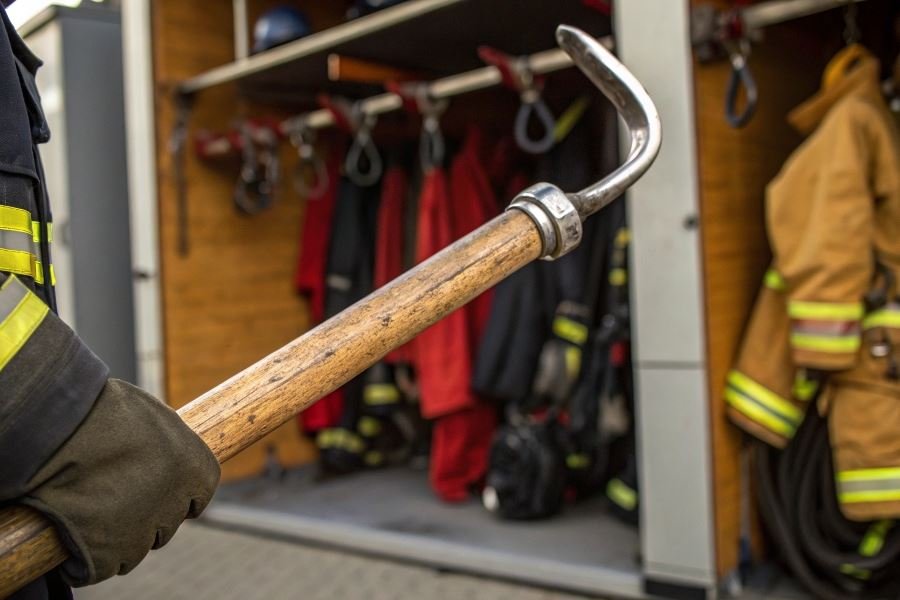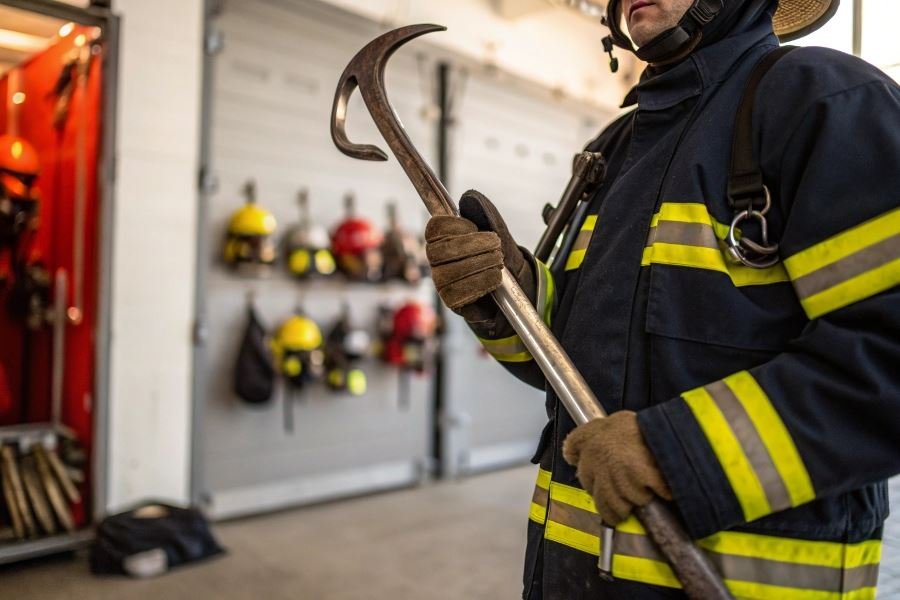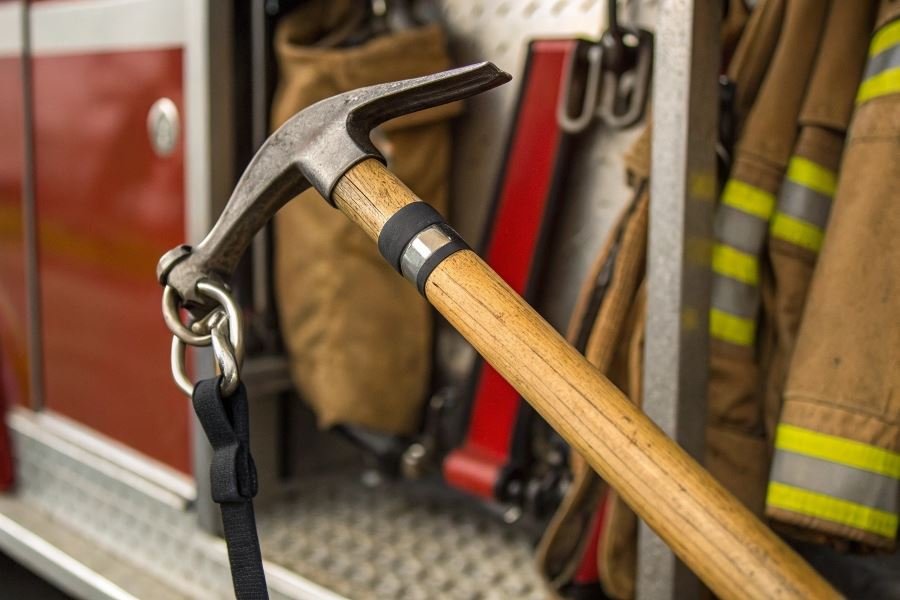
When seconds count, the quality of your fire hook isn’t just a specification—it’s the difference between rescue and tragedy.
Firefighters and emergency responders know this truth intimately. A fire hook isn’t merely a tool; it’s an extension of the rescuer’s capabilities in the most extreme circumstances. The criteria for selecting a quality fire hook deserves the same meticulous attention we give to other life-saving equipment.
The critical role in emergency response
Fire hooks serve multiple crucial functions during emergencies—breaking through barriers, removing debris, creating ventilation paths, and providing stability during rescues. The National Fire Protection Association reports that proper tool selection can reduce structural firefighting response times by up to 27%, a margin that translates directly to lives saved.
“The right hook in the right hands can mean the difference between containment and catastrophe.” — Fire Chief James Donovan, 30-year veteran
Before evaluating specific quality markers
Before diving into technical specifications, consider these foundational factors:
- Intended use environment – Will you primarily use it for structural fires, wildland operations, or vehicle extrication?
- Material composition – Different scenarios demand different metallurgical properties
- Certification standards – Look for tools meeting NFPA 1931 or equivalent standards
The weight-to-strength ratio deserves particular attention. A hook that’s too heavy becomes unwieldy during extended operations, while one that’s too light may lack the necessary force for breaking operations. The sweet spot varies based on your team’s physical capabilities and typical deployment scenarios.
Remember: Quality assessment isn’t about finding the most expensive option—it’s about identifying the tool that performs reliably when everything else is failing.
Physical Excellence in Fire Hook Design
Material Composition That Stands the Test of Time
When evaluating criteria for the quality of a fire hook when choosing, material composition stands as the foundation of exceptional performance. Premium fire hooks typically feature high-carbon steel or aircraft-grade aluminum alloys, offering superior tensile strength while resisting corrosion. The finest models incorporate molybdenum and chromium additives that significantly enhance durability under extreme conditions.
Material integrity testing has evolved dramatically, with top manufacturers subjecting their hooks to stress tests exceeding 2,000 pounds of direct pull force. This rigorous standard ensures the tool won’t fail during critical rescue operations. The hook’s striking surface—typically hardened to 54-58 on the Rockwell C scale—provides the perfect balance between impact resistance and edge retention.
A protective coating system represents another crucial quality indicator. Multi-layer finishes combining zinc phosphate primers with high-temperature ceramic-reinforced topcoats offer protection that extends well beyond the industry-standard 500-hour salt spray test requirements.
The Perfect Balance: Weight and Ergonomics
The weight-to-strength ratio of a fire hook directly impacts operational effectiveness. Professional-grade models achieve the golden ratio: substantial enough for forcible entry tasks yet light enough for extended operations. The ideal weight typically falls between 5-8 pounds, depending on the specific application and handle length.
The ergonomic profile of the handle deserves particular attention. Premium manufacturers incorporate:
- Textured grip surfaces with moisture-wicking properties
- Handle diameters calibrated to the 15th-85th percentile hand sizes
- Strategic weight distribution that places the center of gravity 1-2 inches above the wielder’s top hand
These design elements dramatically reduce operator fatigue during extended use. The finest hooks feature handles with oval cross-sections rather than perfectly round ones, preventing unwanted rotation during high-leverage operations.
| Handle Material | Weight Impact | Grip Quality | Temperature Stability |
|---|---|---|---|
| Fiberglass | Moderate | Excellent | Very Good |
| Hickory Wood | Light | Good | Good |
| Composite | Very Light | Excellent | Excellent |
| Aluminum | Light | Fair | Poor |
Thermal Performance That Won’t Quit
Heat resistance specifications separate merely adequate fire hooks from exceptional ones. Premium tools maintain structural integrity at temperatures exceeding 1,000°F—well beyond the point where standard metals begin to lose tensile strength.
Advanced thermal barriers between the hook head and handle prevent heat transfer that could compromise grip or cause injury. The most sophisticated designs incorporate:
- Ceramic insulation layers at critical junctures
- Heat-reflective coatings on exposed metal surfaces
- Thermal break zones that physically interrupt conduction pathways
These features ensure the tool remains functional even after prolonged exposure to extreme heat. Quality manufacturers provide detailed thermal performance data, including maximum exposure temperatures and cooling rates after removal from heat sources.
The hook’s striking surface should maintain hardness even after repeated thermal cycling—a quality indicator that separates professional-grade tools from consumer alternatives. Look for manufacturers who specify Charpy impact values at elevated temperatures, demonstrating their commitment to performance when it matters most.
Making the Final Decision on Your Fire Hook
Balancing Quality and Budget
Finding that sweet spot between quality and cost isn’t just smart—it’s essential. Premium fire hooks typically range from $150 to $400, with professional-grade models commanding higher prices due to superior materials and craftsmanship. The difference between a $100 hook and a $300 hook often lies in the steel quality, handle durability, and overall construction integrity.
Investment perspective: A high-quality fire hook purchased once can outlast three cheaper alternatives. Leatherhead Tools offers professional-grade hooks that firefighters swear by, demonstrating how initial investment translates to long-term value.
When evaluating cost against quality, consider these factors:
| Quality Tier | Expected Lifespan | Material Quality | Approximate Price Range |
|---|---|---|---|
| Entry-level | 2-5 years | Carbon steel | $75-150 |
| Mid-range | 5-10 years | Alloy steel | $150-250 |
| Professional | 10+ years | Heat-treated alloy | $250-400+ |
Maintenance Requirements and Longevity
The finest fire hook becomes worthless without proper maintenance. High-carbon steel hooks require more vigilant care than their stainless counterparts but often deliver superior performance.
Maintenance directly impacts longevity. A well-maintained mid-tier hook will outperform a neglected premium model every time.
Essential maintenance practices include:
- Regular inspection for structural integrity, especially at weld points
- Cleaning after each use to prevent corrosion (particularly important for hooks exposed to chemicals)
- Proper storage in dry environments to prevent rust formation
- Handle conditioning for wooden handles to prevent splitting
Council Tool, known for their forestry tools, recommends applying a light coat of oil to metal components after cleaning to maximize tool life.
Certification and Industry Standards
Never compromise on safety standards. Quality fire hooks should comply with NFPA (National Fire Protection Association) guidelines, particularly NFPA 1901 which establishes standards for fire apparatus equipment.
Certification matters beyond compliance—it’s about reliability when lives are on the line. Look for these quality indicators:
- UL (Underwriters Laboratories) certification
- Compliance with OSHA requirements for workplace safety tools
- Manufacturer adherence to ISO 9001 quality management systems
- NFPA compliance documentation
Fire Hooks Unlimited produces tools that meet or exceed these standards, providing documentation with each purchase.
The Decision Framework
When making your final selection, prioritize these elements in sequence:
- Safety certification (non-negotiable)
- Material quality (determines performance under stress)
- Ergonomics and weight (affects usability in emergency situations)
- Maintenance requirements (realistic for your situation)
- Price point (within budget but never at the expense of safety)
Remember that a fire hook isn’t just another tool—it’s equipment that might need to perform flawlessly in life-threatening situations. The quality criteria discussed aren’t merely preferences but essential considerations that could make the critical difference when it matters most.
Discover the 7 critical quality criteria for selecting professional fire hooks. Learn what safety experts prioritize in materials, ergonomics, heat resistance, and certification standards for optimal emergency response performance.
Discover the 7 critical quality criteria for selecting professional fire hooks. Learn what safety experts prioritize in materials, ergonomics, heat resistance, and certification standards for optimal emergency response performance.