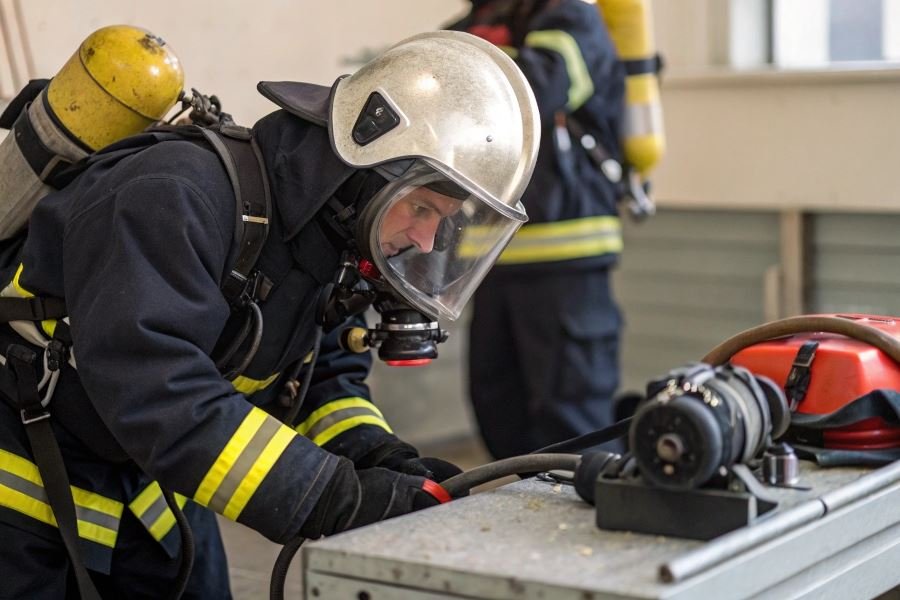
When disaster strikes, the difference between life and death often comes down to seconds, not minutes. Are you truly prepared for that critical moment?
Fire and rescue kits represent the frontline defense in emergency situations, yet most people purchase these vital tools without ever learning how to use them effectively. A comprehensive kit typically contains fire extinguishers, smoke detectors, emergency blankets, first aid supplies, and evacuation tools. The most advanced kits also include multi-purpose tools, emergency lighting, and communication devices designed to function when standard systems fail.
Pre-emergency familiarity saves lives. Studies show that individuals who regularly inspect and practice with their emergency equipment respond up to 74% faster during actual crises. This isn’t just about knowing where your kit is stored—it’s about developing muscle memory for each component’s operation under stress.
Different emergencies demand different responses. Consider these scenarios:
- Home fires: Require immediate extinguisher access and evacuation planning
- Vehicle entrapment: Necessitates window-breaking tools and seatbelt cutters
- Power outages: Depend on emergency lighting and communication backups
“The most dangerous words during an emergency are ‘I thought I knew how to use this.’” – National Fire Protection Association
Take time monthly to inventory your kit, check expiration dates, and practice basic emergency protocols with family members. Remember that emergencies don’t announce themselves—they arrive without warning, testing not just your equipment but your readiness to use it effectively.
Fire Emergency Response: Mastering Your Rescue Kit
When seconds count during a fire emergency, knowing how to properly use a fire and rescue kit in an emergency situation becomes the difference between safety and catastrophe. The right equipment, deployed correctly, creates precious time for evacuation and can prevent a small fire from becoming uncontrollable.
Extinguisher Deployment: The PASS Method
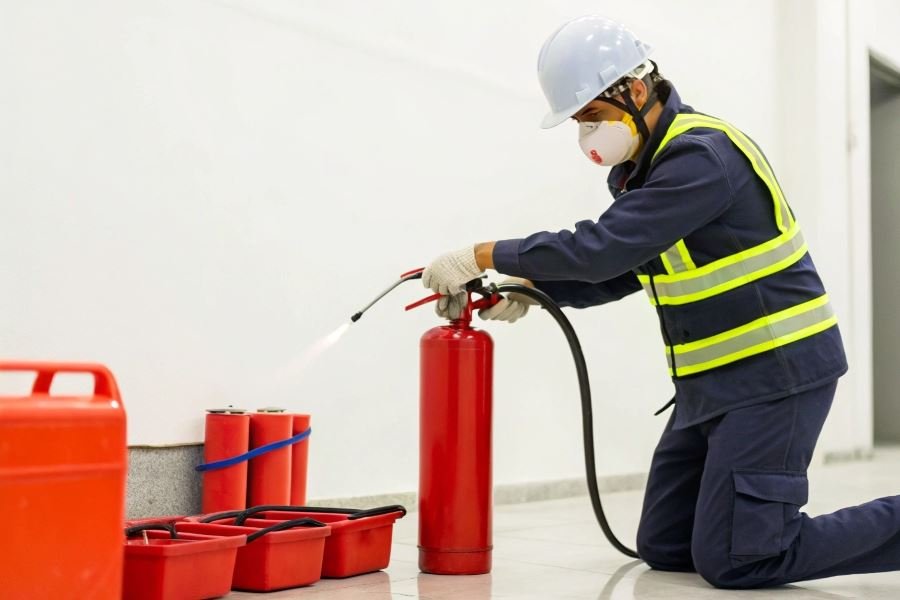
Fire extinguishers remain your first line of defense, but their effectiveness depends entirely on proper technique. Remember the PASS method:
- Pull the pin while holding the extinguisher upright
- Aim low, pointing the nozzle at the base of the fire
- Squeeze the handle to release the extinguishing agent
- Sweep from side to side until the fire appears extinguished
Different fire classifications require specific extinguisher types:
| Fire Class | Fuel Type | Recommended Extinguisher | Key Feature |
|---|---|---|---|
| Class A | Ordinary combustibles | Water, Foam, ABC | Cools burning material |
| Class B | Flammable liquids | CO2, Dry Chemical, ABC | Interrupts chemical reaction |
| Class C | Electrical equipment | CO2, Dry Chemical, ABC | Non-conductive agent |
| Class K | Cooking oils/fats | Class K | Creates soapy barrier |
Maintain a safe distance—approximately 8-10 feet for most models—and always position yourself with an exit at your back.
Thermal Protection Equipment
Fire blankets and heat-resistant gloves provide critical protection when navigating through or containing smaller fires.
Fire blanket deployment:
- Pull the tabs to release the blanket from its container
- Hold it by the tabs with arms extended to shield your body
- For small fires, carefully lay the blanket over the flames, starting from the edge closest to you
- For clothing fires, wrap the person completely, rolling them to the ground if possible
Heat-resistant gloves should be donned before handling hot objects or operating fire equipment. Ensure they cover wrists completely and maintain a tight seal with your clothing to prevent heat infiltration.
Evacuation Tools and Breathing Protection
When escape routes become compromised, specialized equipment becomes essential.
Escape ladder deployment:
- Remove from storage and unfold near the window
- Secure hooks firmly over the windowsill, ensuring they lock into place
- Test stability before beginning descent
- Climb down facing the building, maintaining three points of contact
Breathing apparatus varies from simple filter masks to complex self-contained systems. For residential kits, emergency escape hoods provide approximately 15-30 minutes of filtered air:
- Remove from packaging without tearing the hood
- Place over head, ensuring the seal fits snugly around neck or shoulders
- Adjust straps if available
- Breathe normally while moving toward exits
Practice makes perfect. Regular drills with your fire and rescue equipment reduce panic reactions and build muscle memory that activates even under extreme stress. Time your family’s response quarterly, aiming to improve deployment speed without sacrificing proper technique.
Remember that fire safety equipment requires regular maintenance. Check pressure gauges on extinguishers monthly, inspect seals on breathing apparatus, and test the structural integrity of escape ladders annually to ensure they’ll perform when needed most.
Beyond the Flames: Advanced Uses for Your Fire Rescue Kit
When we think of fire and rescue kits, we often picture them solely as tools for combating flames. Yet these versatile collections of emergency equipment serve far broader purposes. Your kit isn’t just for fires—it’s a comprehensive emergency response system that can prove invaluable during various crisis situations.
First Aid Deployment in Critical Moments
The medical supplies in your fire rescue kit represent a frontline defense against injuries during any emergency. Statistics from the American Red Cross show that immediate first aid application can increase survival rates by up to 40% in serious emergencies.
When deploying your kit’s first aid components:
- Control bleeding first using the compression bandages and gauze pads
- Assess for shock symptoms while applying pressure to wounds
- Utilize burn dressings for thermal injuries, chemical exposures, or electrical burns
The advanced kits now include hemostatic agents that can stop severe bleeding in under two minutes—a dramatic improvement over the traditional pressure-only approach that dominated emergency response until the early 2000s.
The golden hour isn’t just medical theory—it’s the practical window where your first aid supplies make their greatest impact.
For non-obvious injuries like concussions or internal trauma, your kit’s documentation cards provide crucial assessment guidelines. Follow these systematically while waiting for professional help.
Emergency Signaling When Communication Lines Fail
Your rescue kit’s signaling components transform from conveniences to lifelines when traditional communication channels collapse.
| Signaling Device | Effective Range | Best Application Scenario |
|---|---|---|
| Emergency whistle | Up to 1 mile | Dense forest or urban environments |
| Signal mirror | 10+ miles on clear days | Open terrain with direct sunlight |
| Chemical light sticks | 1/4 mile at night | Marking locations after dark |
| Hand-crank radio | Varies by model | Receiving emergency broadcasts |
The modern NOAA Weather Radio receivers included in premium kits provide critical alerts even when cellular networks fail. These devices operate on dedicated frequencies that remain functional during infrastructure disruptions.
When deploying signaling devices:
- Establish a rhythm pattern with whistles (three short blasts universally indicates distress)
- Position reflective markers at ground level and elevated positions for maximum visibility
- Create contrast against the surrounding environment with bright-colored emergency blankets
Maintenance Protocols That Ensure Readiness
The most sophisticated emergency kit becomes worthless if components expire or deteriorate. Implementing a systematic maintenance schedule transforms your kit from a static collection to a dynamic resource.
Quarterly inspection should include:
- Battery rotation and testing of all electronic components
- Verification of medication and solution expiration dates
- Physical inspection of seals on water-sensitive equipment
Document each inspection with dated verification cards. This simple step creates accountability and ensures nothing slips through the maintenance cycle.
For families and businesses, assign specific maintenance responsibilities rather than leaving kit upkeep to chance. The American Safety Council recommends creating a digital inventory with replacement schedules to streamline this process.
Remember that environmental factors dramatically affect component longevity. Kits stored in vehicles or outdoor locations require more frequent inspection due to temperature fluctuations that can degrade medical supplies and batteries.
Learn life-saving techniques for emergency situations with our comprehensive guide on fire and rescue kit usage. Master proper extinguisher operation, evacuation procedures, and first aid applications to protect yourself and others when every second counts.
Learn life-saving techniques for emergency situations with our comprehensive guide on fire and rescue kit usage. Master proper extinguisher operation, evacuation procedures, and first aid applications to protect yourself and others when every second counts.