When flames erupt, you have seconds—not minutes—to respond. Behind the walls of every protected building runs an intricate network where a single mismatched component could spell disaster.
Fire system valve compatibility isn’t just technical jargon—it’s the difference between containment and catastrophe. Think of valves and fittings as the crucial handshake between components that must remain unbroken even as temperatures soar and pressure builds to extraordinary levels. This relationship between precisely engineered parts forms the backbone of systems designed to activate flawlessly during life’s most chaotic moments.
The standards aren’t suggestions. Organizations like NFPA (National Fire Protection Association) and UL (Underwriters Laboratories) have established rigorous testing protocols that every component must pass. These standards weren’t created arbitrarily—they evolved from hard lessons learned in tragic fires where systems failed at critical moments. For instance, the MGM Grand fire in 1980 led to significant revisions in how we approach system integration and compatibility requirements.
“Compatibility isn’t about what works today—it’s about what will work reliably during the worst day of someone’s life.” — Fire Protection Engineering Journal
The consequences of improper matching are severe and immediate:
- Pressure failures causing system-wide collapse during emergencies
- Leakage points that compromise water delivery exactly when needed most
- Material degradation where incompatible metals accelerate corrosion through galvanic action
When systems fail during emergencies, the cost isn’t measured in dollars—it’s measured in lives.
The Ultimate Guide to Fire System Valve Compatibility
Fire protection systems demand precision engineering where every component must work in perfect harmony. The compatibility of fire system valves with various types of fittings represents one of the most critical yet often overlooked aspects of system design and installation. When these components don’t match properly, the consequences can range from minor leaks to catastrophic system failures during emergencies.
Butterfly Valves: The Versatile Performers
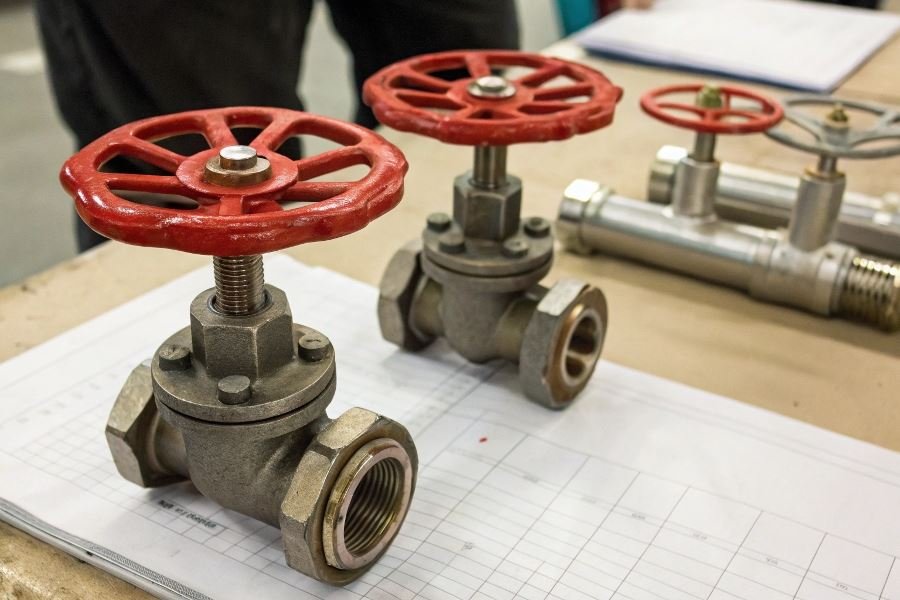
Butterfly valves have become the darlings of modern fire protection systems due to their reliability and efficiency. Their compatibility profile varies significantly across fitting types:
Grooved Connections: The marriage between butterfly valves and grooved fittings has revolutionized installation speed. These connections create a mechanical joint using grooved pipe ends and coupling housings with gaskets. Victaulic grooved butterfly valves typically offer pressure ratings up to 300 psi for 2-12 inch sizes, with temperature tolerances between -30°F to 250°F.
Flanged Connections: When absolute leak prevention is non-negotiable, flanged butterfly valves shine. These connections use bolted flanges with gaskets sandwiched between them.
Flanged butterfly valves typically conform to ANSI standards (ANSI 125 or ANSI 250) and require precise torque specifications during installation to prevent uneven compression.
Threaded Connections: Less common but still relevant for smaller systems, threaded butterfly valves typically max out at 2.5 inches in diameter due to the inherent limitations of threaded connections in high-pressure environments.
Gate Valves: Material Matters
Gate valves remain workhorses in many fire protection systems, particularly where full flow characteristics are essential:
| Gate Valve Material | Compatible Fittings | Pressure Rating | Corrosion Resistance |
|---|---|---|---|
| Bronze | Threaded, Soldered | Up to 300 psi | Excellent |
| Cast Iron | Flanged, Grooved | Up to 250 psi | Good with coating |
| Ductile Iron | Flanged, Grooved, Mechanical | Up to 350 psi | Very Good |
| Stainless Steel | All Types | Up to 740 psi | Superior |
The compatibility between gate valves and their fittings depends heavily on material selection. Mueller resilient wedge gate valves with fusion-bonded epoxy coatings offer exceptional corrosion resistance when paired with ductile iron fittings in underground applications.
Check Valves and PRVs: The Specialists
Check valves and pressure-reducing valves (PRVs) require special consideration due to their specific functions:
Check Valve Integration:
- Swing check valves work beautifully with flanged and grooved fittings but may create flow turbulence with threaded connections
- Spring-loaded check valves from Tyco offer superior performance with both standard and specialty fittings, particularly in vertical installations
- Wafer check valves install between flanges, creating a compact installation footprint ideal for tight spaces
Pressure-Reducing Valve Compatibility:
- PRVs typically feature flanged connections on both inlet and outlet sides
- Specialty fittings like Zurn Wilkins’ union connections allow for easier maintenance without system disassembly
- Pilot-operated PRVs require additional fitting considerations for sensing lines and control chambers
The integration of these specialized valves demands careful attention to manufacturer specifications. Most modern PRVs accommodate standard ANSI B16.5 Class 150 and 300 flanged fittings, but specialty applications may require custom solutions.
When selecting valves and fittings for fire protection systems, remember that compatibility extends beyond mere physical connections to include pressure ratings, temperature tolerances, and material compatibility with the transported medium. The system is only as strong as its weakest connection.
Securing the Future: Best Practices for Fire System Valve Compatibility
Fire protection systems represent the critical line of defense when emergencies strike. The integrity of these systems hinges on seemingly small details—particularly the connections between valves and fittings. Let’s explore the professional practices that ensure these connections remain reliable when lives depend on them.
Professional installation transforms safety theory into reality
The most sophisticated valve-fitting combinations provide zero protection when improperly installed. Professional installation isn’t just recommended—it’s essential. Certified fire protection specialists follow precise torque specifications and use calibrated tools to create connections that maintain integrity under extreme pressure and temperature conditions.
Installation best practices include:
- Using manufacturer-recommended thread sealants compatible with system media
- Following torque patterns that ensure even pressure distribution
- Implementing proper support systems to prevent mechanical stress
- Conducting pressure testing at 200% of maximum anticipated system pressure
Regular inspection protocols should occur quarterly for high-risk facilities and at minimum annually for standard installations. These inspections must include visual examination for corrosion, ultrasonic testing for internal wear, and pressure testing to verify ongoing seal integrity.
The difference between amateur and professional installation often becomes apparent only during an emergency—when it’s too late to correct.
Documentation: The unsung hero of system integrity
Documentation serves as both legal protection and technical reference. Comprehensive records should track every component from specification to installation to maintenance.
| Documentation Type | Critical Elements | Retention Period |
|---|---|---|
| Compatibility Certificates | Pressure ratings, material compatibility | Life of system |
| Installation Records | Torque values, installer credentials | 7 years minimum |
| Inspection Reports | Test results, identified issues, corrections | 5 years minimum |
| Maintenance Logs | Replacement parts, service dates | Life of system |
The National Fire Protection Association requires specific certification documentation that varies by jurisdiction. Most commonly, systems require:
- Engineer-stamped design drawings showing valve-fitting interfaces
- Material certification for pressure-bearing components
- Installer qualification documentation
- Commissioning test results with witness signatures
These records become invaluable during insurance inspections, facility sales, and—most critically—post-incident investigations.
The compatibility landscape is evolving rapidly
The future of valve-fitting compatibility centers on three emerging trends:
Universal connection standards are gaining momentum through industry collaboration. The International Fire Code Council is developing unified specifications that would allow interchangeability between previously proprietary systems, reducing inventory requirements and simplifying maintenance.
Smart monitoring technology is transforming static connections into information sources. Embedded sensors now detect microscopic leaks, connection stress, and early corrosion indicators before they become catastrophic failures.
Advanced materials science is producing composite fittings that adapt to thermal expansion differences between connected components. These “intelligent” materials maintain seal integrity across wider temperature ranges than traditional metal-to-metal connections.
The most forward-thinking fire protection professionals are already incorporating these innovations into their specifications.
The compatibility between fire system valves and fittings may seem like a technical detail, but it represents the foundation of system reliability. By embracing professional installation practices, maintaining meticulous documentation, and staying current with emerging technologies, facility managers ensure their fire protection systems will perform flawlessly when every second counts.
Discover essential compatibility guidelines for fire system valves with grooved, flanged, and threaded fittings. Learn industry standards, proper installation techniques, and best practices to ensure reliable fire protection system performance.
Discover essential compatibility guidelines for fire system valves with grooved, flanged, and threaded fittings. Learn industry standards, proper installation techniques, and best practices to ensure reliable fire protection system performance.