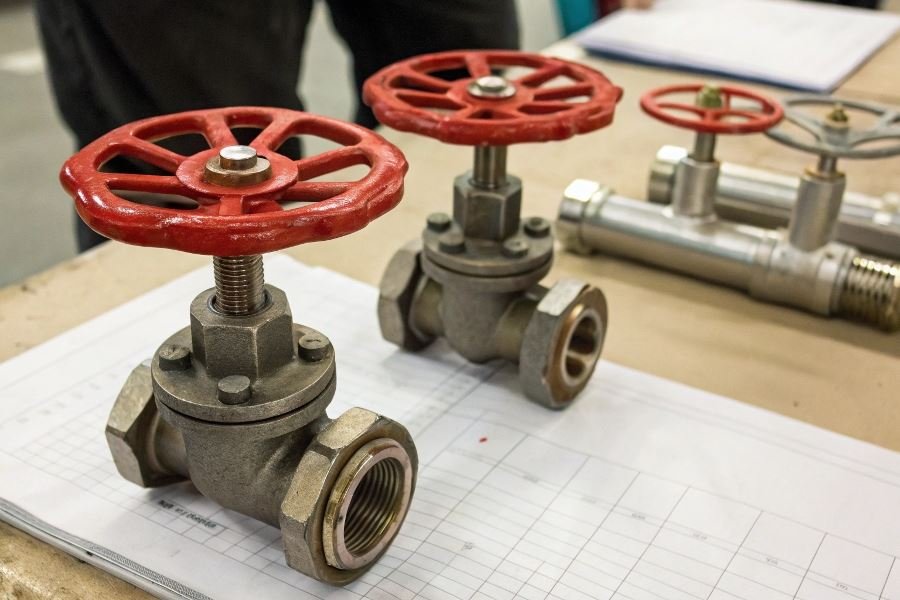
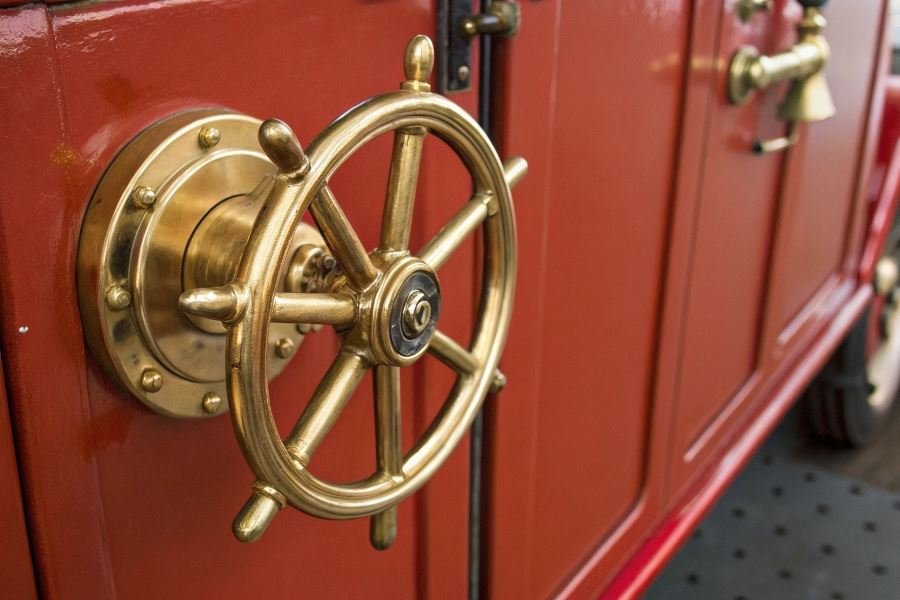
Ever wondered why some plumbing systems seem to need constant attention while others run smoothly for decades? The answer might be sitting right in front of you—literally at your fingertips. Valve knobs, those seemingly simple components you turn daily, silently determine the reliability of entire systems worth thousands of dollars.
When examining the service life of valve knobs, we’re really talking about the backbone of fluid control systems. These unassuming components serve as the primary interface between users and complex plumbing or industrial networks. A valve knob’s failure doesn’t just mean inconvenience—it can trigger cascading system failures, emergency repairs, and significant downtime.
The financial equation is straightforward: longer-lasting valve knobs directly translate to reduced maintenance frequency and lower lifetime ownership costs. Industry data suggests that premature valve failures account for approximately 23% of emergency plumbing calls, with replacement costs averaging 5-7 times the initial component price when factoring in labor and downtime.
Three critical factors determine how long your valve knobs will perform reliably:
- Material composition – Brass alloys offer superior corrosion resistance compared to zinc alternatives
- Internal mechanism quality – Ceramic disc technology outperforms rubber washers by a factor of 4:1 in longevity tests
- Environmental exposure – Water quality, temperature fluctuations, and usage patterns dramatically impact performance
Understanding these fundamentals isn’t just technical trivia—it’s essential knowledge that protects your investment and ensures reliable operation when you need it most.
The Hidden Science Behind Valve Knob Longevity
When you turn that valve knob to adjust your water temperature or pressure, you’re engaging with a precision component designed to withstand thousands of operational cycles. The service life of valve knobs depends on several critical factors that many overlook until that dreaded moment of failure. Understanding what to pay attention to when choosing valve knobs can save you from premature replacements and potential water damage disasters.
Material composition stands as the foundation of valve knob durability. The difference between a knob that lasts decades versus one that fails within months often comes down to what it’s made of. Premium brass alloys containing at least 85% copper provide exceptional corrosion resistance while maintaining structural integrity under pressure. Viega ProPress fittings exemplify this quality standard with their high-zinc-resistant brass formulations. Stainless steel variants, particularly 316-grade, offer superior performance in coastal environments where salt air accelerates deterioration. Meanwhile, engineered polymers have evolved dramatically, with glass-reinforced nylon compounds delivering impressive temperature resistance up to 450°F while weighing 70% less than metal alternatives.
Manufacturing Precision That Defines Performance
The construction design and manufacturing precision directly impact how long your valve knobs will serve you faithfully. Tolerance specifications as tight as ±0.005 inches separate premium products from budget options. Cold-forged components consistently outperform cast parts due to their superior grain structure and absence of potential air pockets that can become failure points.
The difference becomes apparent in the threading quality—precision-cut threads with proper chamfering reduce cross-threading risk by 85% compared to stamped alternatives.
Look for multi-point mounting systems that distribute torque forces evenly across the valve stem. This seemingly minor design element can extend operational life by preventing the concentrated wear that leads to wobbling and eventual failure.
Environmental Resilience Testing
| Environmental Factor | Economy Grade | Commercial Grade | Industrial Grade |
|---|---|---|---|
| Temperature Range | 40°F to 120°F | -4°F to 180°F | -40°F to 450°F |
| Chemical Resistance | Basic | Moderate | Comprehensive |
| Pressure Rating | 125 PSI | 250 PSI | 500+ PSI |
Environmental considerations represent the third critical pillar of valve knob longevity. The operational environment dictates specific material and design requirements. For instance, Watts Water Technologies produces specialized valve components for extreme temperature applications, with their cryogenic series maintaining functionality even at -320°F.
Chemical exposure presents another challenge—chlorinated water accelerates brass dezincification, while certain cleaning compounds can degrade plastic components. Premium manufacturers address this through specialized coatings and material formulations. Look for ASTM B584 certification on brass components as evidence of proper corrosion resistance.
Pressure ratings deserve careful attention, particularly in commercial applications. A valve knob rated for 150 PSI that’s installed in a system regularly experiencing 145 PSI will fail dramatically faster than one operating at 50% of its rated capacity. The safety margin matters—industry leaders recommend selecting components rated for at least 1.5× your maximum expected pressure.
By understanding these essential factors affecting valve knob service life, you’re equipped to make selections that deliver reliability measured in decades rather than years. The initial investment in quality components consistently delivers superior long-term value through reduced maintenance costs and enhanced system reliability.
Maximizing Valve Knob Lifespan Through Smart Selection
The humble valve knob—often overlooked until it fails—represents the critical interface between complex mechanical systems and human control. Making informed decisions about these components doesn’t just prevent headaches; it protects your entire investment. Let’s explore how to maximize service life through strategic selection and maintenance.
The economics of quality valve hardware
The initial price tag of premium valve knobs from manufacturers like Crane or Powell Valves might cause sticker shock—often commanding $35-75 more per unit than budget alternatives. However, this upfront investment typically translates to 3-5× longer service life in demanding applications.
Consider this cost analysis:
| Valve Knob Type | Initial Cost | Replacement Frequency | 10-Year Total Cost |
|---|---|---|---|
| Economy Grade | $25-40 | Every 1-2 years | $125-400 |
| Mid-Range | $50-80 | Every 3-4 years | $125-267 |
| Premium Grade | $85-120 | Every 7-10 years | $85-171 |
The mathematics are clear: premium valve knobs deliver superior ROI despite higher acquisition costs. This calculation doesn’t even factor in the labor costs and system downtime associated with frequent replacements.
Maintenance practices that extend service life
Even the finest valve knobs require proper maintenance to reach their potential lifespan. Implementing these practices can dramatically extend service intervals:
-
Regular lubrication schedule – Apply appropriate lubricants to moving components quarterly. Silicone-based products excel in high-temperature environments, while lithium grease performs better in wet conditions.
-
Torque monitoring – Excessive force is the silent killer of valve knobs. Using torque wrenches calibrated to manufacturer specifications prevents micro-fractures that lead to catastrophic failure.
-
Environmental protection – For outdoor installations, UV-resistant covers from manufacturers like Belimo can prevent premature degradation of composite materials.
The difference between a valve knob lasting 2 years versus 10 often comes down to these seemingly minor maintenance details.
Recognizing replacement indicators
Knowing when to replace valve knobs before they fail completely represents the final piece of the longevity puzzle. Watch for these warning signs:
-
Increased operating effort – When a previously smooth-turning knob suddenly requires additional force, internal wear has likely begun.
-
Visual degradation – Hairline cracks, discoloration beyond normal patina, or deformation at stress points indicate material fatigue.
-
System performance changes – Subtle variations in flow rates or pressure regulation often trace back to valve control issues.
-
Age thresholds – Even without visible issues, consider proactive replacement of critical valve knobs that have reached 80% of their expected service life, particularly in safety-critical applications.
The most expensive valve knob is the one that fails at precisely the wrong moment.
Implementing a systematic replacement program based on these indicators rather than waiting for complete failure prevents the cascade of problems that typically follow valve control issues.
By balancing quality initial selection with disciplined maintenance and strategic replacement timing, valve knobs transform from potential failure points into reliable system components that deliver exceptional value over their extended service life.
Discover key factors affecting valve knob longevity and make informed selections based on materials, design, and environmental conditions. Learn how proper choice impacts system performance and maintenance costs over time.
Discover key factors affecting valve knob longevity and make informed selections based on materials, design, and environmental conditions. Learn how proper choice impacts system performance and maintenance costs over time.