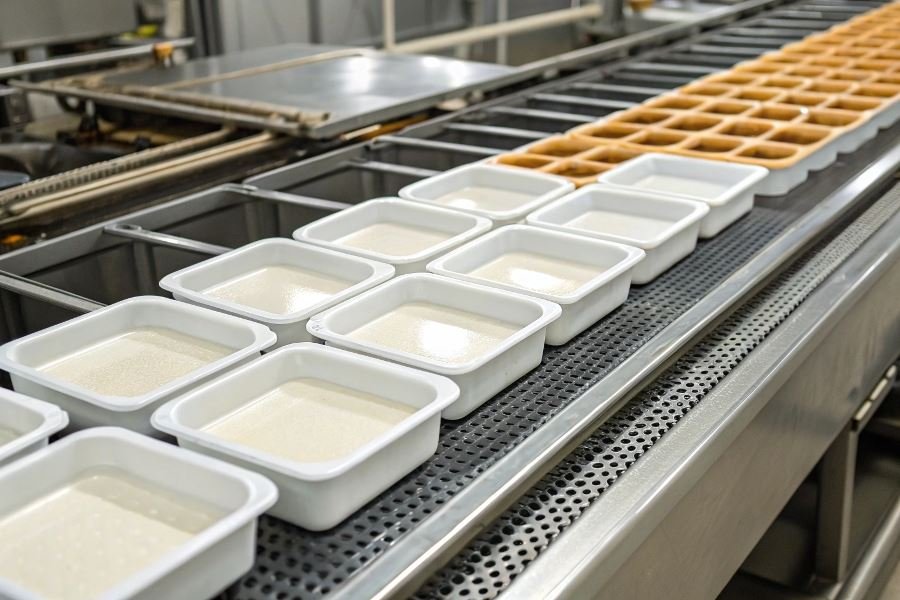
Did you know the average American consumes over 1,800 meals annually, with countless foods touching serving trays along the way? That seemingly innocent surface beneath your sandwich or salad could be harboring more than just your lunch.
When we select food trays—whether for restaurant service, catering events, or home use—we’re making decisions that directly impact health and safety. The food tray isn’t merely a vessel; it’s the final barrier between preparation and consumption. Choosing wisely isn’t just about aesthetics or convenience—it’s about protecting everyone who eats from your establishment or home.
The invisible threats lurking on improper trays
Food safety experts have identified numerous risks associated with improper tray selection. Porous materials can harbor bacteria in microscopic crevices, while certain plastics may leach chemicals when exposed to heat or acidic foods. According to FDA research, improper food contact surfaces contribute to approximately 48 million foodborne illnesses annually in the United States.
“The surface your food touches last is often the most overlooked aspect of food safety.” — American Food Safety Institute
Navigating the regulatory landscape
The FDA’s Food Code establishes comprehensive guidelines for food contact surfaces, while the NSF International certification provides third-party verification of safety standards. Materials must be non-absorbent, smooth, and free from toxic compounds. Additionally, the EPA regulates antimicrobial claims on food service products, ensuring that “antimicrobial” trays actually deliver on their promises.
These regulations aren’t bureaucratic red tape—they’re essential safeguards developed through decades of scientific research and real-world experience with foodborne illness outbreaks.
Material Safety: The Foundation of Food Tray Selection
When selecting food trays for your kitchen or business, the material composition isn’t just about aesthetics or durability—it’s fundamentally about health protection. Hygiene and safety standards when choosing food trays should be your primary consideration, as these containers directly contact the food you and your customers consume.
FDA-Approved Materials: Your First Line of Defense
The Food and Drug Administration maintains strict guidelines about materials that can safely contact food. These regulations aren’t arbitrary—they’re based on rigorous scientific testing that evaluates how materials react with different food types, temperatures, and durations of contact.
FDA-approved materials must demonstrate:
- No harmful chemical migration into food
- Stability under intended use conditions
- Resistance to degradation over time
- Compliance with Good Manufacturing Practices
Materials earning the coveted “food-grade” designation have passed extensive testing to ensure they won’t leach harmful substances into your meals. This designation isn’t permanent—the FDA continuously evaluates new research and updates its guidelines accordingly.
Material Showdown: Choosing Your Perfect Food Tray
Each material offers distinct advantages and considerations for food safety:
| Material | Safety Profile | Best Uses | Limitations |
|---|---|---|---|
| Stainless Steel | Highly inert, non-reactive, antimicrobial properties | Hot foods, acidic items, commercial kitchens | Can transfer heat, potentially heavy |
| Food-Grade Plastic | Lightweight, versatile, affordable | Cold storage, transport, casual service | Some types may degrade with heat or UV exposure |
| Tempered Glass | Non-porous, won’t absorb odors or stains | Baking, reheating, display | Breakage risk, heavier than alternatives |
| Biodegradable | Reduced environmental impact, often plant-based | Temporary service, takeout, events | May not withstand high heat or moisture long-term |
“The material selection process requires balancing immediate safety concerns with long-term health considerations,” notes the American Institute of Food Safety in their 2023 guidelines.
Red Flags: Materials and Chemicals to Avoid
Vigilance about potentially harmful materials is essential:
Avoid these problematic materials:
- Non-food grade plastics: May contain BPA, phthalates, or other endocrine disruptors
- Melamine: Fine for dry foods but can release formaldehyde when heated
- Untreated aluminum: Reacts with acidic foods, potentially releasing aluminum into food
- PVC (polyvinyl chloride): Contains stabilizers and plasticizers that may migrate into food
When examining plastic food trays, pay special attention to the recycling codes. Codes 2, 4, and 5 generally indicate safer plastic types, while codes 3, 6, and 7 may contain more problematic chemicals.
Beyond Materials: Surface Considerations
Even with safe base materials, surface treatments matter significantly. Look for:
- Smooth, non-porous surfaces that prevent bacterial growth
- Absence of decorative elements that could harbor pathogens
- Scratch-resistant finishes that maintain integrity over time
The National Sanitation Foundation certification provides additional assurance that food trays meet rigorous safety standards beyond basic FDA compliance.
By prioritizing material safety in your food tray selection, you’re not just following regulations—you’re making a fundamental investment in health protection that pays dividends with every meal served.
Mastering Food Tray Safety for the Long Haul
Elevating your food tray sanitization game
Food tray maintenance isn’t just about appearances—it’s about creating a foundation for food safety that protects everyone who eats from your establishment. The most effective sanitization protocol combines heat, chemical action, and mechanical scrubbing to eliminate pathogens completely.
Start with pre-rinsing trays immediately after use to remove food particles before they dry and become stubborn biofilm breeding grounds. For commercial settings, a high-temperature dishwasher reaching at least 180°F during the final rinse phase ensures thermal disinfection that destroys most harmful microorganisms.
For manual cleaning, a three-sink system remains the gold standard:
- Wash with detergent in water at 110°F minimum
- Rinse in clean water to remove soap residue
- Sanitize in a solution of 200ppm chlorine or quaternary ammonium compound for at least 30 seconds
Critical tip: Always air-dry trays completely before stacking to prevent moisture accumulation that can harbor bacterial growth.
For polycarbonate and melamine trays, avoid abrasive cleaners that create microscopic scratches where bacteria can hide. Silicone and stainless steel options typically withstand more aggressive cleaning methods, making them ideal for high-volume operations where sanitization happens frequently.
Certification marks that guarantee safety
When selecting food trays, three certification marks stand above the rest as reliable indicators of safety compliance:
| Certification | What It Verifies | Why It Matters |
|---|---|---|
| NSF International | Material safety, design for cleanability, performance durability | Independent testing ensures trays won’t leach harmful chemicals into food |
| FDA Food Contact | Compliance with Food Code regulations for food-contact surfaces | Guarantees materials meet federal safety standards for direct food contact |
| UL EPH Classification | Sanitation standards for food service equipment | Focuses on equipment design that prevents bacterial harborage points |
The NSF mark particularly deserves attention as it requires rigorous testing under actual use conditions, not just laboratory scenarios. Products bearing this certification undergo regular facility audits and surprise inspections to maintain their status.
Sustainable hygiene for the future
The most hygienic food tray selection also considers long-term sustainability factors that impact both safety and environmental footprint.
Material longevity directly correlates with hygiene performance. Trays that degrade quickly develop surface imperfections that harbor bacteria. Premium Cambro and Carlisle trays might cost more initially but maintain their hygienic properties through thousands of wash cycles.
Antimicrobial technologies have evolved significantly, with silver ion technology now embedded in some food-grade polymers. These innovations inhibit bacterial growth between washings without affecting food safety or taste.
Consider the entire lifecycle when evaluating options:
- Trays with replaceable components reduce waste while maintaining hygiene standards
- Closed-loop recycling programs from manufacturers like G.E.T. Enterprises ensure end-of-life trays don’t end up in landfills
- BPA-free materials eliminate concerns about endocrine-disrupting chemicals leaching into food
The most forward-thinking operations are adopting RFID-enabled trays that track cleaning cycles and automatically flag items due for deep cleaning or replacement, ensuring hygiene protocols never fall through the cracks.
By implementing these standards, your food tray program becomes not just a vessel for serving, but a critical control point in your overall food safety system.
Discover essential FDA standards for food tray safety and learn how to select the right materials for your needs. Our comprehensive guide covers hygiene requirements, toxic materials to avoid, and certification marks that guarantee compliance with safety regulations.
Discover essential FDA standards for food tray safety and learn how to select the right materials for your needs. Our comprehensive guide covers hygiene requirements, toxic materials to avoid, and certification marks that guarantee compliance with safety regulations.