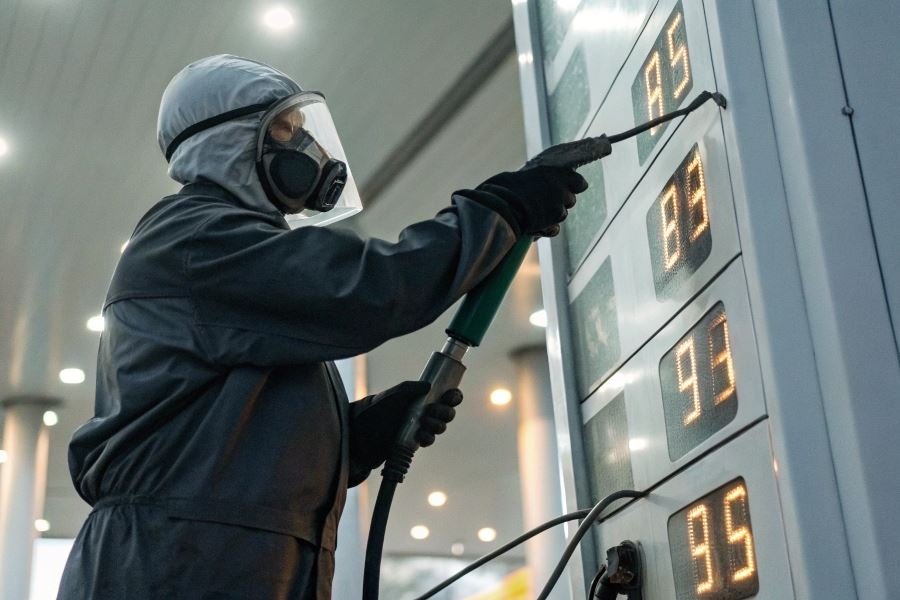
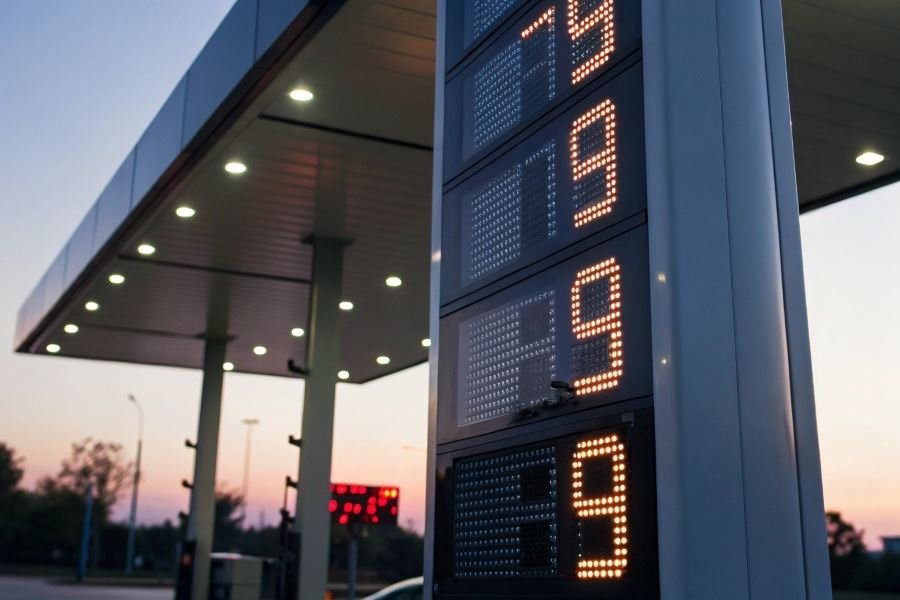
Ever stood at a gas station, pump in hand, frantically searching for crucial information that should be right in front of you? That moment of confusion isn’t just annoying—it’s potentially dangerous. Properly installed information boards at gas stations aren’t just about aesthetics; they’re critical safety infrastructure that can prevent accidents and save lives.
When a customer pulls into your forecourt, those information boards become their primary navigation system. From fuel grade markers to emergency shutdown procedures, these silent sentinels communicate essential information when seconds count. The National Fire Protection Association reports that gas stations experience approximately 4,150 fires annually—many preventable with clear safety signage.
Regulatory compliance isn’t optional. The Occupational Safety and Health Administration (OSHA) and local fire codes mandate specific signage requirements, including placement height, visibility standards, and content specifications. These regulations exist for good reason: properly installed information boards create standardized safety protocols across thousands of fueling locations nationwide.
Before beginning any installation process, consider these critical factors:
- Site assessment: Analyze traffic flow, visibility angles, and weather exposure
- Material selection: Choose weather-resistant, fire-retardant materials appropriate for your climate
- Illumination requirements: Ensure 24-hour visibility with proper lighting solutions
- Maintenance access: Plan for regular updates and inspections
Remember that effective signage installation balances regulatory requirements with practical customer experience. The best information boards communicate clearly without creating visual clutter or confusion—a delicate balance that requires thoughtful planning before the first mounting bracket is installed.
Installing Information Boards at Gas Stations: The Complete Guide
Gas station information boards serve as critical communication hubs for customers, displaying prices, promotions, and essential information. The proper installation of these boards ensures safety, longevity, and optimal visibility. Let’s dive into the technical aspects of how to properly install an information board at a gas station with precision and attention to detail that will save you headaches down the road.
Site Assessment and Ground Preparation
Before touching any hardware, a thorough site assessment is non-negotiable. Start by examining the proposed location for underground utilities. Contact your local 811 service at least 72 hours before digging—this isn’t just good practice, it’s legally required in most states.
Soil composition matters tremendously. Sandy soils require deeper foundations, while clay soils may need special drainage considerations. Conduct a soil test to determine:
- Load-bearing capacity
- Drainage characteristics
- Frost line depth (crucial in northern regions)
For concrete foundations, which are standard for larger boards, prepare for a minimum depth of 36 inches or below the frost line, whichever is deeper. The concrete mix should be rated at 3,000 PSI or higher for durability in fuel station environments.
Selecting Mounting Hardware and Installation Tools
Your hardware selection directly impacts the longevity of your installation. For pole-mounted displays, use:
- Hot-dipped galvanized steel bolts (minimum Grade 5)
- Stainless steel fasteners for areas with high moisture or salt exposure
- Vibration-resistant lock washers and nuts
Essential tools for professional installation include:
- Transit level or laser level for perfect alignment
- Torque wrench calibrated to manufacturer specifications
- Heavy-duty hammer drill with concrete bits
- Electrical conduit benders and wire pullers
The mounting brackets should be rated for at least 1.5 times the weight of your board to account for wind loads. For areas prone to high winds or hurricanes, consider engineering-approved wind-rated hardware systems from manufacturers like Hilti or Simpson Strong-Tie.
Secure Mounting and Weatherproofing Techniques
The mounting process requires precision and attention to detail. Begin by:
- Setting anchor bolts in wet concrete using templates provided by the manufacturer
- Allowing concrete to cure fully (minimum 7 days for optimal strength)
- Applying anti-seize compound to all threaded connections
- Torquing bolts to exact specifications in a star pattern
Weatherproofing is critical for electronic components. Apply industrial-grade silicone sealant at all penetration points and use EPDM gaskets between metal surfaces to prevent water infiltration.
Weatherproofing materials comparison:
| Material | Lifespan | Temperature Range | UV Resistance |
|---|---|---|---|
| Silicone Sealant | 20+ years | -65°F to 400°F | Excellent |
| EPDM Gaskets | 15-20 years | -40°F to 250°F | Very Good |
| Butyl Tape | 5-10 years | -20°F to 200°F | Good |
Electrical Connections and Safety Protocols
Illuminated boards require careful electrical work that meets National Electrical Code (NEC) standards. Always use:
- Weatherproof junction boxes rated NEMA 4X or higher
- Liquid-tight flexible conduit for connections to moving parts
- GFCI protection for all circuits
- Surge protection devices rated for outdoor signage
Safety is paramount during electrical installation. Ensure power is completely disconnected and locked out before beginning work. All electrical connections should be made by a licensed electrician familiar with UL 48 standards for electric signs.
For LED-illuminated boards, install proper drivers in accessible, ventilated enclosures. Maintain separation between high and low voltage wiring, and label all circuits clearly for future maintenance.
The final step involves testing all electrical components under various weather conditions and programming any digital elements. Document all installation details, including underground conduit paths, for future reference.
With these professional installation practices, your gas station information board will provide years of reliable service while maintaining safety and compliance with local regulations.
Keeping Your Gas Station Information Board in Prime Condition
Post-installation inspection essentials
After installing your gas station information board, a thorough inspection is non-negotiable. Start with a visual assessment—stand back 50 feet and check for perfect alignment and visibility from multiple angles. The board should be level within 1/16 inch tolerance across its entire span. Verify all LED elements are functioning by running a full display test, checking for dead pixels or inconsistent brightness.
Next, inspect all electrical connections with a multimeter to confirm proper voltage (typically 110-120V for North American installations). Examine the weatherproofing seals around junction boxes and cable entry points—these should show no gaps larger than 1mm. For digital boards, verify network connectivity maintains at least 95% uptime during a 24-hour test period.
Inspection wisdom: Document your initial inspection with photos from multiple angles. These become invaluable reference points for future maintenance comparisons.
Finally, test emergency shutdown functionality and verify that all required safety certifications are properly displayed on or near the installation. Many station owners overlook this critical compliance step, which can result in hefty fines during regulatory inspections.
Maintenance rhythms that extend board life
Establishing a consistent maintenance schedule dramatically extends your information board’s operational lifespan. Quarterly cleaning using non-abrasive, anti-static solutions from manufacturers like 3M prevents dust buildup that can obscure visibility and strain internal components.
Monthly electrical system checks should include:
| Component | Check Frequency | Action Items |
|---|---|---|
| Power supply | Monthly | Measure voltage stability, check for corrosion |
| LED panels | Quarterly | Test brightness, replace failing units |
| Control systems | Bi-monthly | Update software, verify remote access |
| Weather seals | Seasonal | Inspect for cracks, apply sealant as needed |
Seasonal considerations matter significantly. In winter months, inspect heating elements that prevent snow accumulation. During summer, verify cooling systems maintain internal temperatures below 95°F (35°C) during peak heat. Hurricane-prone regions require additional anchor inspections before storm season.
Document every maintenance session with detailed notes on findings and corrections. This maintenance history becomes invaluable for troubleshooting patterns and planning preventative replacements before failures occur.
When expert intervention becomes necessary
While routine maintenance can be handled in-house, certain situations demand professional expertise. Contact your board manufacturer or certified technicians when:
- Display elements show more than 5% failure rate across the board
- Control software experiences repeated crashes or connectivity failures
- Physical damage compromises structural integrity or weatherproofing
- Electrical components show signs of overheating or irregular power draw
Most reputable manufacturers like Daktronics or Watchfire Signs offer service contracts that include annual professional inspections. These typically cost between $1,200-2,500 annually but often pay for themselves by identifying potential failures before they become catastrophic.
Consider technology upgrades when your board reaches 70% of its expected lifespan (typically 5-7 years for LED displays). Modern replacements often deliver 40% greater energy efficiency and significantly improved visibility, particularly in challenging weather conditions. The Federal Highway Administration periodically updates visibility standards that older installations may no longer meet.
Remember that a well-maintained information board isn’t just about regulatory compliance—it’s a direct reflection of your station’s commitment to quality and customer service.
Learn the complete process for properly installing information boards at gas stations, from site assessment to secure mounting techniques, ensuring compliance with safety regulations and industry standards.
Learn the complete process for properly installing information boards at gas stations, from site assessment to secure mounting techniques, ensuring compliance with safety regulations and industry standards.