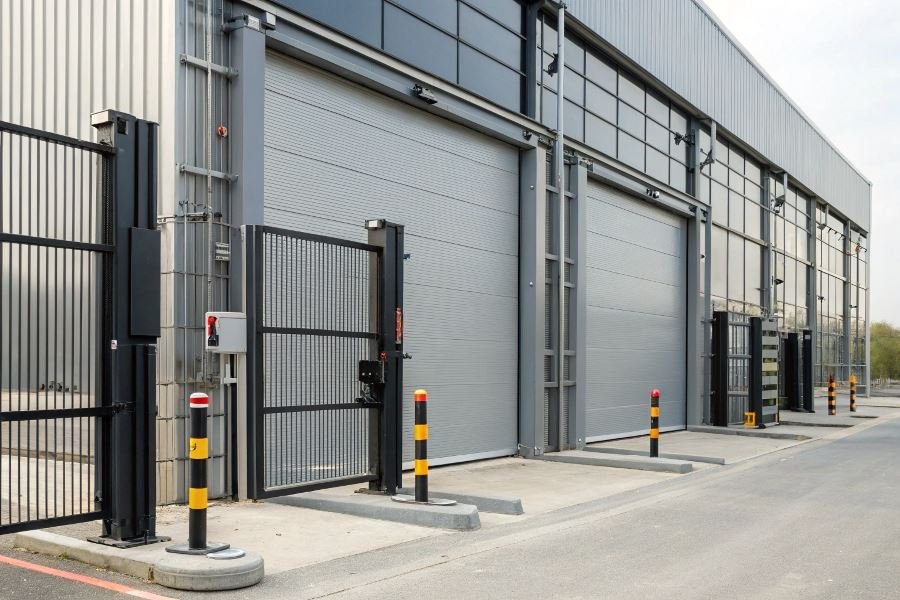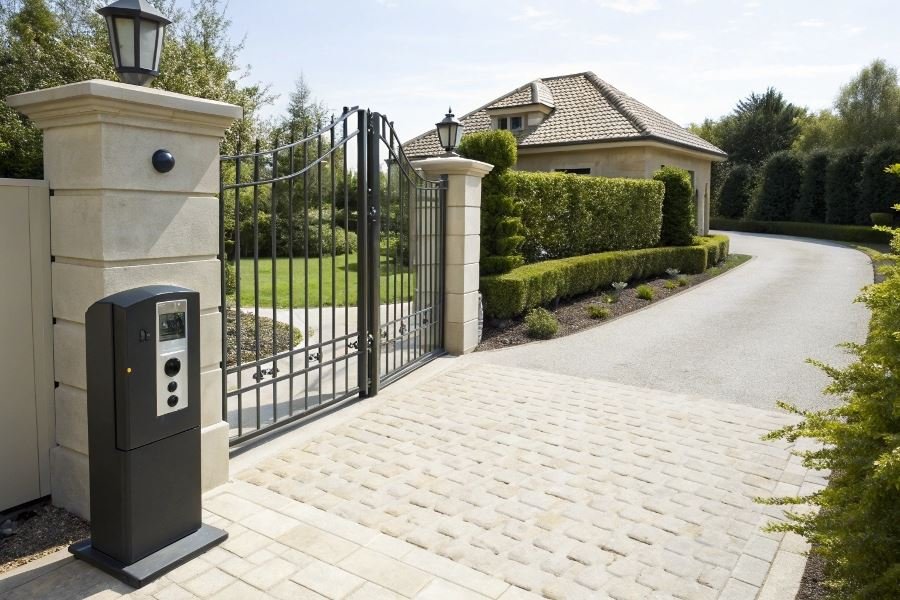
What if your gate could recognize you before you even reach for your phone? Modern gate automation has transformed from simple remote controls to sophisticated systems that anticipate your arrival.
The journey of gate automation reflects our evolving relationship with convenience and security. What began as basic motorized mechanisms in the 1970s has blossomed into intelligent systems that integrate with our homes and respond to our habits. Today’s property owners face a crucial decision when selecting automation systems—one that balances functionality, security, and aesthetic appeal.
The evolution of gate automation
Gate automation technology has undergone remarkable transformation since its commercial introduction. Early systems relied on simple radio frequencies, while today’s options incorporate biometric recognition, smartphone integration, and even AI-powered decision making. The industry has consistently responded to property owners’ growing demands for both convenience and enhanced security.
Gate types and their automation requirements
Different gate designs require specific automation approaches:
| Gate Type | Best For | Automation Considerations |
|---|---|---|
| Sliding gates | Limited space, flat terrain | Requires track maintenance, excellent for wider entrances |
| Swing gates | Traditional aesthetics, moderate space | Needs clearance arc, vulnerable to wind resistance |
| Barrier gates | Commercial properties, high traffic | Fast operation, limited security but excellent traffic control |
| Folding gates | Very tight spaces | Complex installation, higher maintenance needs |
Benefits that transform ownership
Automated gates deliver advantages beyond mere convenience. Property values typically increase 5-7% with quality gate automation installations. More importantly, they create a psychological boundary that deters opportunistic intruders while providing peace of mind through remote monitoring capabilities.
The right automation system transforms your gate from a simple barrier into an intelligent guardian—one that responds precisely to your needs while enhancing your property’s security profile.
Matching Power to Performance: Gate Automation Selection Guide
When selecting the perfect gate automation system, understanding the relationship between your gate’s physical characteristics and the automation components is critical. Choosing the right motor, considering environmental factors, and integrating security features can transform a basic entrance into a sophisticated access point that enhances both convenience and property value.
The process of automation for gates: selection criteria for different types of gates requires careful analysis of multiple factors that affect performance, durability, and user satisfaction. Whether you’re upgrading an existing gate or planning a new installation, these essential considerations will guide you toward a system that delivers reliable operation for years to come.
Power and Motor Specifications for Gate Types
The heart of any gate automation system is its motor, and matching power specifications to your gate’s weight and dimensions is non-negotiable for proper operation.
Sliding gates typically require motors with linear force ratings between 600N to 1500N. For residential applications, a 600N motor handles gates up to 600kg, while commercial properties with heavier gates may need 1200N+ motors from manufacturers like CAME or Nice.
Swing gates demand torque-focused motors, measured in Nm (Newton meters):
| Gate Weight | Gate Width | Recommended Torque | Cycle Rating |
|---|---|---|---|
| Up to 250kg | 2m | 180-250Nm | 20-30 cycles/day |
| 250-400kg | 3-4m | 300-400Nm | 50-80 cycles/day |
| 400kg+ | 5m+ | 500Nm+ | 100+ cycles/day |
The motor’s duty cycle rating is equally important—residential systems typically offer 20-30%, while commercial applications require 80-100% for continuous operation.
Weather-Ready Automation Systems
Gate automation equipment lives outdoors, facing everything from scorching heat to freezing temperatures. Climate considerations should directly influence your component selection.
IP ratings indicate protection against environmental elements:
- IP54: Minimum for basic weather protection
- IP65: Recommended for most residential applications
- IP67+: Essential for flood-prone areas or extreme environments
Temperature range specifications matter significantly in regions with extreme weather. LiftMaster offers systems rated for operation from -40°F to 149°F, while other manufacturers may have more limited ranges.
Material considerations extend beyond the motor housing:
- Aluminum and stainless steel components resist corrosion
- UV-resistant plastic housings prevent sun damage
- Sealed electronics prevent moisture ingress
- Heated components prevent freezing in northern climates
Security Integration Capabilities
Modern gate automation transcends basic operation to become a central component of property security systems.
Access control options have expanded dramatically:
- Biometric readers (fingerprint, facial recognition)
- RFID and proximity card systems
- Smartphone control via dedicated apps
- Vehicle tag recognition for hands-free entry
Integration with existing home automation platforms like Control4 or Crestron allows gates to respond to broader security protocols—automatically closing when the security system is armed or opening for emergency vehicles when smoke detectors activate.
Video integration provides visual verification before granting access. Systems from Doorbird combine HD cameras with two-way audio communication and smartphone notifications when visitors arrive.
Battery backup systems ensure continued operation during power outages, with premium systems providing up to 100+ cycles of operation without grid power.
Selecting the right gate automation system requires balancing these technical specifications against your specific needs, ensuring reliable performance regardless of conditions or demands placed on the system.
Making the Right Gate Automation Choice
The economics of automation systems
When evaluating gate automation systems, the initial price tag tells only part of the story. Premium sliding gate operators from manufacturers like LiftMaster or FAAC might command $800-1,500, while budget options hover around $300-500. However, the total cost of ownership extends far beyond purchase price.
High-end systems typically deliver:
- 15+ years of reliable operation
- Lower energy consumption (saving $50-100 annually)
- Reduced maintenance costs (approximately $200-300 less per year)
- Enhanced security features worth their weight in gold
The premium you pay upfront often translates to significant savings over the automation system’s lifespan.
For commercial properties, investing in industrial-grade operators from Nice or BFT might seem steep at $2,000+, but when amortized over a decade of daily operation, the cost per cycle drops dramatically.
DIY or professional installation
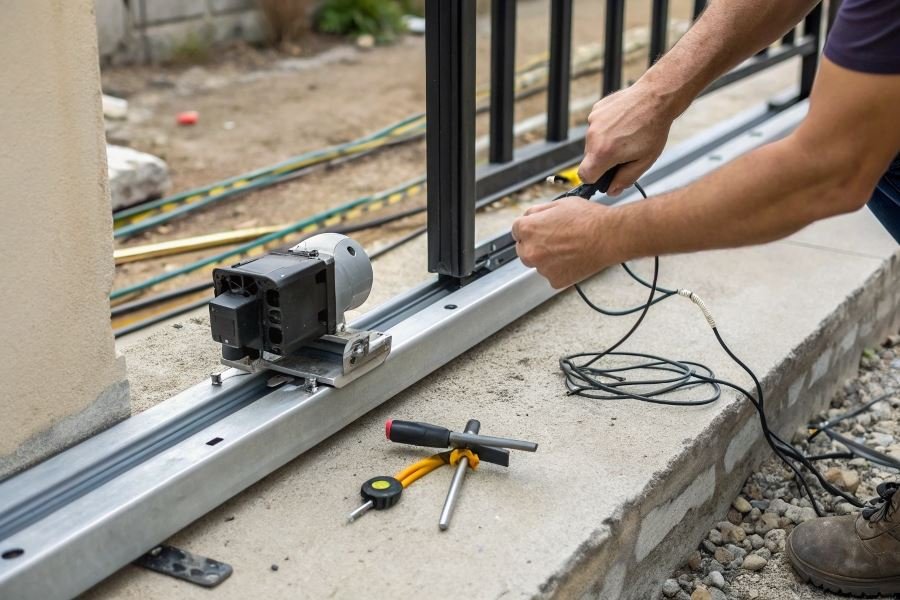
The installation decision hinges on three critical factors: technical aptitude, available time, and gate complexity.
| Installation Type | Average Cost | Time Investment | Risk Level |
|---|---|---|---|
| Professional | $300-800 | 4-8 hours (none of yours) | Low |
| DIY | $0-100 (tools) | 8-16 hours (all yours) | Moderate to High |
DIY installation works best with:
- Lightweight swing gates
- Pre-wired locations
- Simple access control requirements
Professional installation becomes essential with heavy sliding gates, complex integration needs, or when safety sensors require precise positioning. The expertise of certified installers from companies like Gate Depot ensures proper torque settings and obstacle detection calibration—critical safety features that protect both property and people.
Long-term reliability factors
The maintenance equation varies dramatically between automation systems. Consider these reliability determinants:
-
Operating environment – Systems from Apollo and HySecurity offer superior weather resistance, crucial for coastal or extreme climate regions.
-
Usage frequency – Light residential use (5-10 cycles daily) permits economy-grade operators, while commercial applications demand industrial-grade systems rated for 100+ daily cycles.
-
Component quality – The difference between zinc-plated and stainless steel hardware becomes apparent after just one winter season.
Preventative maintenance schedules dramatically impact longevity. Quality systems require:
- Quarterly visual inspections
- Biannual lubrication of moving parts
- Annual professional check-ups ($150-250)
The most reliable automation systems incorporate self-diagnostic capabilities, alerting owners to potential issues before catastrophic failure occurs. This predictive approach to maintenance can extend operational life by 30-40% compared to reactive maintenance strategies.
When selecting your gate automation system, remember that the wisest choice balances upfront investment against long-term performance, installation complexity, and maintenance requirements. The perfect system isn’t necessarily the most expensive—it’s the one that best matches your specific gate type, usage patterns, and environmental conditions.
Discover how to select the perfect gate automation system for your property. Compare options for sliding, swing, and folding gates based on power needs, security features, and climate considerations for optimal performance and value.
Discover how to select the perfect gate automation system for your property. Compare options for sliding, swing, and folding gates based on power needs, security features, and climate considerations for optimal performance and value.