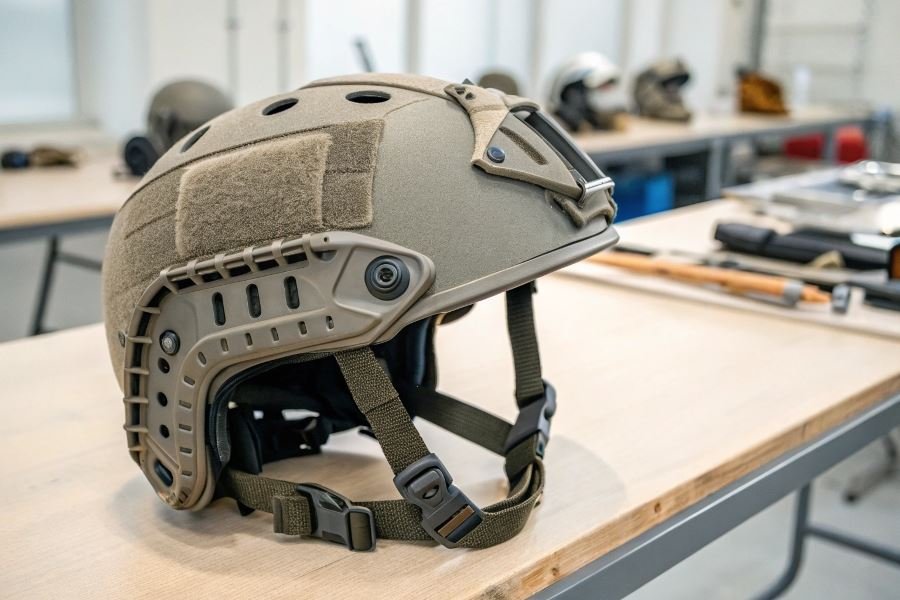
Ever wondered why some helmets cost $50 while others run $500? The difference isn’t just marketing—it’s potentially your life. When a 180-pound body traveling at 25 mph suddenly stops, the brain continues moving inside the skull. That’s physics you can’t negotiate with.
Helmet protection classes represent standardized testing protocols that determine how effectively a helmet absorbs impact energy. Think of them as the invisible shield between your brain and disaster. The certification sticker on your helmet isn’t just bureaucratic paperwork—it’s a promise backed by science and rigorous testing.
Different activities demand different protection profiles. A motorcycle helmet must withstand high-speed impacts and abrasion, while a rock climbing helmet prioritizes protection from falling objects. Mountain biking helmets balance ventilation with protection against both impacts and penetration.
The certification alphabet soup matters. DOT and ECE certifications dominate road motorcycle helmets, while Snell goes further with more stringent testing. For cycling, look for CPSC compliance at minimum, with MIPS technology offering additional rotational impact protection. Construction helmets follow ANSI standards, with Type I protecting against top impacts and Type II adding lateral protection.
“The right helmet isn’t the most expensive one—it’s the one properly certified for your specific activity and that fits correctly.”
Protection classes directly translate to real-world outcomes. Studies show properly certified helmets reduce head injury risk by 69% and fatal injuries by nearly 42%. The difference between inadequate and proper protection isn’t just comfort—it’s walking away versus being carried away.
Helmet Protection Classes Decoded
When it comes to protecting your most valuable asset—your brain—not all helmets are created equal. The difference between adequate protection and exceptional safety often comes down to understanding certification standards and protection classes.
Navigating helmet protection classes can seem overwhelming at first, but breaking down these standards by helmet type reveals a logical system designed with your safety in mind. Helmet protection classes: what you need to know before buying includes understanding certification marks, impact resistance ratings, and which standards apply to your specific activities. Let’s dive into the specifics that could literally save your life.
Motorcycle Helmet Certifications That Matter
Motorcycle helmets face the most rigorous testing due to the high speeds and potential impact forces involved:
-
DOT (Department of Transportation): The minimum legal standard in the US. DOT-certified helmets undergo impact attenuation tests, penetration resistance evaluations, and retention system checks.
-
ECE (Economic Commission for Europe): Standard R22.05 (updated to R22.06 in 2023) is recognized in over 50 countries and includes more comprehensive testing than DOT, including abrasion resistance and field-of-vision requirements.
-
Snell Memorial Foundation: A private, non-profit organization that exceeds government requirements. Snell M2020 certification involves multiple impact tests on the same point—simulating real-world crash scenarios.
-
SHARP (Safety Helmet Assessment and Rating Programme): A UK system that rates helmets from 1-5 stars based on performance in 32 different impact tests.
“A $200 Snell-certified helmet can provide better protection than a $600 helmet with only DOT certification. The rating matters more than the price tag.”
Bicycle Helmet Standards Worth Knowing
Bicycle helmets balance protection with ventilation and weight considerations:
| Standard | Region | Key Testing Elements |
|---|---|---|
| CPSC | United States | Impact attenuation, coverage area, strap strength |
| ASTM F1447 | US (voluntary) | Enhanced impact testing, including different surfaces |
| EN1078 | Europe | Lower impact energy than CPSC, different test methodology |
The Consumer Product Safety Commission (CPSC) standard became mandatory for all bicycle helmets sold in the US since 1999. It requires helmets to prevent head impact accelerations over 300g—a threshold associated with severe brain injury.
ASTM International standards are voluntary but often exceed CPSC requirements, particularly for specialized cycling like mountain biking or BMX.
Industrial Helmet Classifications Explained
Construction and industrial helmets follow a different classification system focused on specific workplace hazards:
Type Classifications determine impact protection direction:
- Type I: Protection from impacts to the top of the head only
- Type II: Protection from impacts to the top and sides of the head
Class Ratings indicate electrical protection:
- Class E (Electrical): Tested to withstand 20,000 volts
- Class G (General): Provides protection up to 2,200 volts
- Class C (Conductive): No electrical protection, often featuring ventilation
Industrial helmets from manufacturers like MSA Safety must meet ANSI/ISEA Z89.1 standards, which were last updated in 2019 to include additional testing for reverse donning and higher and lower temperatures.
Understanding these classifications ensures you’re not just wearing a helmet, but wearing the right protection for your specific activity and risk profile. The difference could be life-changing.
Making an Informed Decision About Helmet Protection Classes
Matching protection class to your activity
Selecting the right helmet protection class isn’t just about buying the most expensive option—it’s about understanding your specific risk profile. Different activities demand different levels of protection:
For recreational cycling on paved paths, a basic CPSC-certified helmet (Consumer Product Safety Commission) provides adequate protection against common impacts. These helmets undergo testing for impacts at speeds around 14 mph.
Mountain biking and downhill racing require more robust protection. Look for helmets meeting the ASTM F1952 standard, which tests for higher-energy impacts and includes coverage for the back of the head and temples.
Motorcyclists face significantly higher risks. The DOT FMVSS 218 standard is the minimum legal requirement in the United States, but serious riders should consider helmets with additional ECE 22.05 or Snell M2020 certifications, which involve more rigorous testing protocols.
The difference between adequate and optimal protection isn’t just about surviving an impact—it’s about minimizing the forces transmitted to your brain.
For extreme sports like downhill mountain biking or motocross, full-face helmets with ASTM F1952 plus ASTM F2032 (for chin bar testing) provide comprehensive protection against both impact and penetration.
Three factors that influence protection effectiveness
Protection class effectiveness isn’t determined by certification alone. Three critical factors influence real-world performance:
Impact management systems make the difference between basic and advanced protection. Multi-density EPS (Expanded Polystyrene) foams absorb different impact energies, while technologies like MIPS (Multi-directional Impact Protection System) address rotational forces that can cause brain injuries.
Shell construction technology determines durability and penetration resistance. Premium helmets often feature:
| Shell Type | Characteristics | Best For |
|---|---|---|
| Polycarbonate | Lightweight, good impact distribution | Recreational use |
| Fiberglass Composite | Better penetration resistance | Moderate risk activities |
| Carbon Fiber | Exceptional strength-to-weight ratio | High-speed/high-risk activities |
Fit systems and retention might seem secondary, but they’re crucial for protection. A helmet that shifts during impact can’t protect properly. Advanced fit systems with micro-adjustments ensure the helmet stays positioned correctly during an accident.
Balancing protection with comfort and budget
Finding the sweet spot between protection, comfort, and cost requires understanding where compromises are acceptable:
Ventilation versus structural integrity presents a classic tradeoff. More vents improve comfort but can reduce structural strength. For high-temperature activities, look for helmets with strategic vent placement that maintains protection zones while allowing airflow.
Weight considerations matter for extended wear. Higher protection classes often mean heavier helmets, which can cause neck fatigue during long rides. Premium materials like carbon fiber can reduce weight while maintaining protection, but at a higher price point.
Budget realities don’t have to mean compromised safety. A $90 helmet with proper certification will provide better protection than a $300 helmet that doesn’t fit correctly. Focus first on meeting the appropriate safety standard for your activity, then optimize for comfort within your budget.
Remember that protection class effectiveness depends on proper fit. Even the highest-rated helmet provides minimal protection if it’s too loose or positioned incorrectly. Always test multiple sizes and adjustment systems before making your final decision.
Discover the critical differences between helmet protection classes and certification standards. Learn how to select the right helmet for motorcycling, cycling, or industrial use based on safety ratings and your specific needs.
Discover the critical differences between helmet protection classes and certification standards. Learn how to select the right helmet for motorcycling, cycling, or industrial use based on safety ratings and your specific needs.