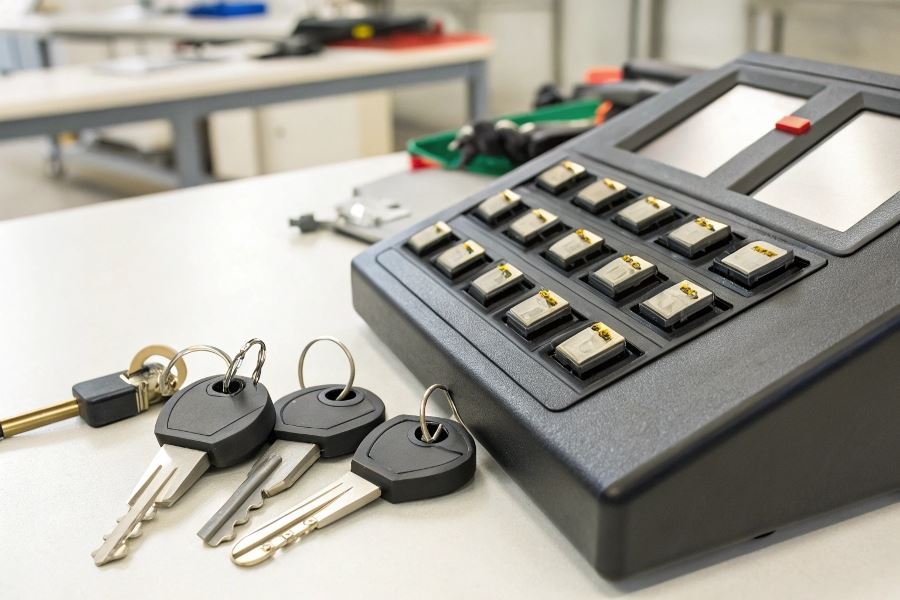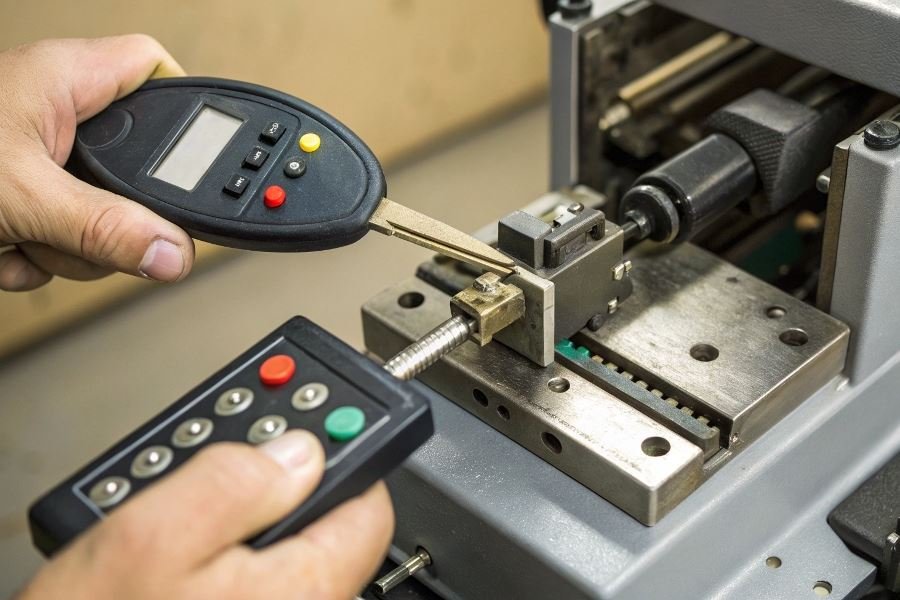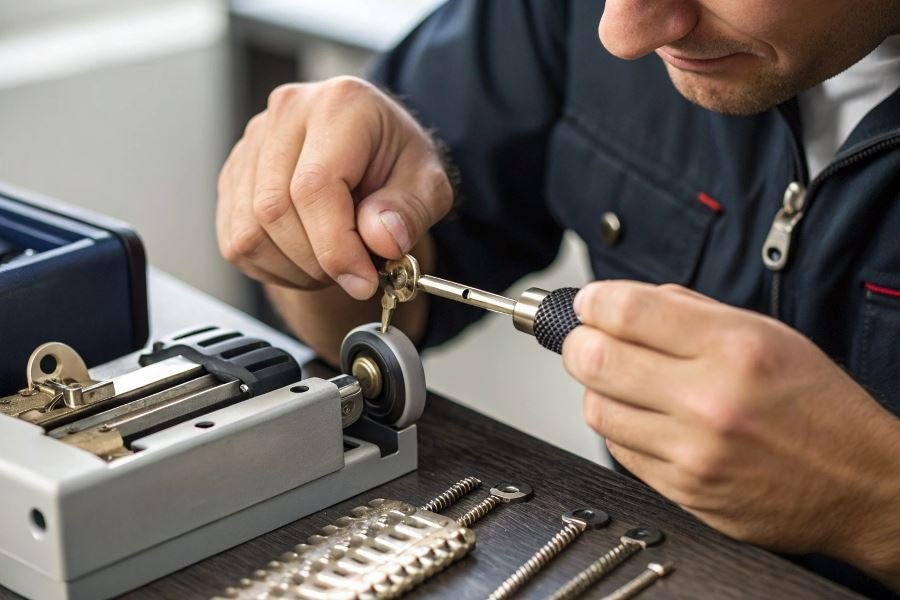
Ever stood locked out of your home, watching a locksmith struggle with a poorly cut key that just won’t work? That moment of frustration reveals the true value of precision in key duplication. Behind every successful spare key lies a quality duplicator that few people think about—until they need it most.
The humble key duplicator serves as the unsung hero of our daily security infrastructure. These machines translate the intricate patterns of your original keys into functional duplicates that safeguard homes, vehicles, and businesses. Yet many consumers and even professionals overlook the critical differences between mediocre and exceptional duplicators.
The stakes couldn’t be higher. A high-quality key duplicator produces precise copies that work smoothly every time, while inferior machines create keys that stick, require jiggling, or fail completely—often at the worst possible moment. The difference might seem subtle until you’re standing in the rain with groceries, facing a key that almost works.
The challenge lies in evaluation. Unlike smartphones or appliances, key duplicators don’t come with obvious feature comparisons or consumer reviews. The technical specifications that truly matter—cutting accuracy, motor durability, and calibration stability—remain hidden beneath marketing language.
What separates exceptional duplicators from the rest? Three factors stand above all: precision engineering that maintains tight tolerances, robust construction that withstands years of commercial use, and versatility across multiple key types. These qualities don’t just determine whether a key works—they define whether it works perfectly, every time, for years to come.
The Technical Heart of Quality Key Duplicators
When evaluating key duplicators, the technical specifications serve as the foundation for performance and longevity. Professional locksmiths and hardware specialists recognize that determining the quality of a key duplicator before purchasing requires a methodical assessment of its core components. The difference between a precision instrument and a frustrating paperweight often comes down to three critical technical elements that separate professional-grade machines from disappointing alternatives.
Motor Power: The Muscle Behind Precision
The motor is the beating heart of any key duplicator, and its specifications directly impact performance across materials. Professional-grade duplicators typically feature motors ranging from 200W to 350W for manual machines, while automatic systems may utilize 400W or higher.
Durability indicators to watch for:
- Brushless motors outlast traditional brushed versions by 3-5x
- Copper windings rather than aluminum offer superior heat dissipation
- Sealed bearing systems prevent debris contamination
The Ilco Silca Flash 008 exemplifies superior engineering with its 290W motor that maintains consistent RPMs even when cutting hardened steel keys. This stability prevents the micro-vibrations that lead to imprecise cuts.
“A quality duplicator’s motor should maintain consistent torque throughout the cutting process, regardless of key material resistance.”
Precision Mechanisms: The Science of Exact Replication
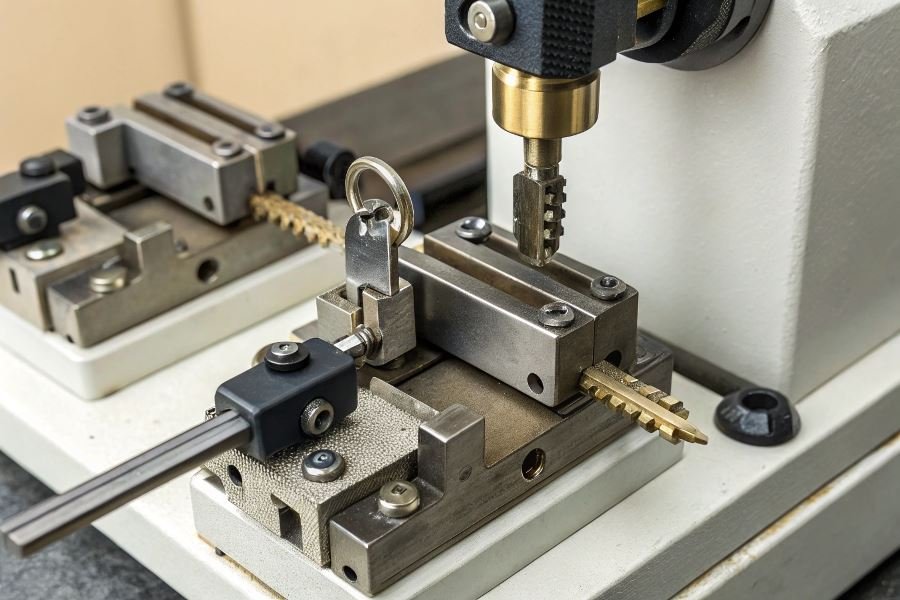
The alignment system determines whether your duplicate keys work smoothly or require filing after cutting. High-quality duplicators feature:
Four-point alignment systems that maintain perfect positioning between the original key and blank during the entire cutting process.
Micrometric adjustment capabilities allowing for calibration down to 0.01mm precision.
| Alignment Feature | Budget Models | Professional Grade |
|---|---|---|
| Tracer point material | Hardened steel | Tungsten carbide |
| Calibration method | Manual only | Digital with manual override |
| Vise grip design | Single-sided | Four-sided with rubber inserts |
The HPC Speedex key machine incorporates dual-axis calibration that compensates for cutter wear over time, ensuring consistent cuts even after thousands of operations.
Construction Quality: Built to Last Decades
The frame and housing quality directly impact cutting precision and machine longevity. Premium duplicators feature:
Cast aluminum or zinc alloy bases that absorb vibration while providing stability. These materials resist warping that would otherwise affect alignment over time.
Sealed bearing systems protect internal components from the metal filings generated during cutting operations. This seemingly small detail can extend machine life by years.
Cutter material hierarchy:
- High-speed steel (entry level)
- Titanium-coated steel (mid-range)
- Solid carbide (professional grade)
The Framon Manufacturing 2 Cylinder Key Machine demonstrates exceptional build quality with its 45-pound cast iron frame that virtually eliminates vibration during operation.
When assessing construction quality, examine the vise mechanisms closely. They should operate smoothly with no play or wobble when locked. The difference between ±0.2mm and ±0.05mm tolerance might seem insignificant, but it represents the gap between keys that work first time and those requiring manual filing.
By focusing on these technical specifications, you’ll identify duplicators that deliver professional results consistently for years—perhaps the most important quality metric of all.
Making the Final Decision on Your Key Duplicator Purchase
When you’ve researched models, compared specifications, and tested machines, it’s time to make that final call on which key duplicator deserves your hard-earned dollars. This decision combines practical considerations with technical requirements—a balancing act that determines whether you’ll be celebrating your purchase or regretting it months later.
Smart Budget Allocation for Maximum Value
The price spectrum for key duplicators ranges from $200 budget models to professional-grade machines exceeding $3,000. The key isn’t spending the most—it’s spending strategically.
For occasional home use, allocating $300-500 typically provides sufficient quality without overpaying for features you’ll rarely use. Business owners should consider the return on investment rather than upfront cost alone. A $1,200 Ilco duplicator might seem expensive initially but delivers precision that prevents costly errors and customer complaints.
The cheapest duplicator often becomes the most expensive when you factor in replacement costs and lost productivity.
Consider this value equation: (Precision + Speed + Durability) ÷ Price = True Value. The highest-scoring machines on this formula rarely sit at either extreme of the price spectrum.
Beyond the Purchase: Support Systems Matter
A quality duplicator backed by poor support is like a sports car without a mechanic—impressive until something goes wrong.
Warranty coverage varies dramatically between manufacturers:
- Budget brands: Typically 90 days to 1 year, parts only
- Mid-range options: 1-2 years, parts and limited labor
- Premium manufacturers: Up to 5 years comprehensive coverage
But the written warranty is only half the equation. Investigate the practical support experience:
| Support Element | What To Look For | Red Flags |
|---|---|---|
| Technical assistance | 24/7 phone support, detailed online resources | Email-only contact, outsourced support |
| Parts availability | Same-day shipping, common parts in stock | “Special order” requirements, long lead times |
| Service network | Authorized repair centers within 50 miles | Ship-to-manufacturer repairs only |
The HPC and Framon support networks consistently earn praise from locksmiths for responsive troubleshooting and parts availability.
The Quality Trifecta for Different Users
After analyzing hundreds of user experiences, three quality indicators consistently predict satisfaction across different user profiles:
For Locksmith Professionals:
- Calibration retention – How long the machine maintains precise settings between adjustments
- Motor power and torque consistency during extended operation
- Cutter longevity and replacement simplicity
For Business Owners:
- Error correction capabilities – Features that compensate for minor setup mistakes
- Noise level and dust management systems
- Intuitive controls that allow training new staff quickly
For DIY Enthusiasts:
- Setup simplicity – Clear instructions and minimal calibration requirements
- Versatility across common residential key types
- Storage footprint and portability
The Silca Unocode series excels for professionals, while the Keyline Ninja offers exceptional value for business owners with moderate volume needs.
When making your final decision, prioritize the indicators that align with your specific usage patterns rather than chasing features that sound impressive but deliver little practical benefit. The right duplicator feels like it was designed specifically for your workflow—because in many ways, it was.
Learn how to evaluate key duplicator quality before purchase with our expert guide. Discover essential technical specifications, precision mechanisms, and quality indicators to ensure you invest in a reliable, durable machine that meets your security needs.
Learn how to evaluate key duplicator quality before purchase with our expert guide. Discover essential technical specifications, precision mechanisms, and quality indicators to ensure you invest in a reliable, durable machine that meets your security needs.