Ever stood locked outside your building, frantically calling neighbors while juggling groceries? The solution might fit in your pocket. Portable key duplicators for intercoms are revolutionizing access management, but they bring both opportunity and concern.
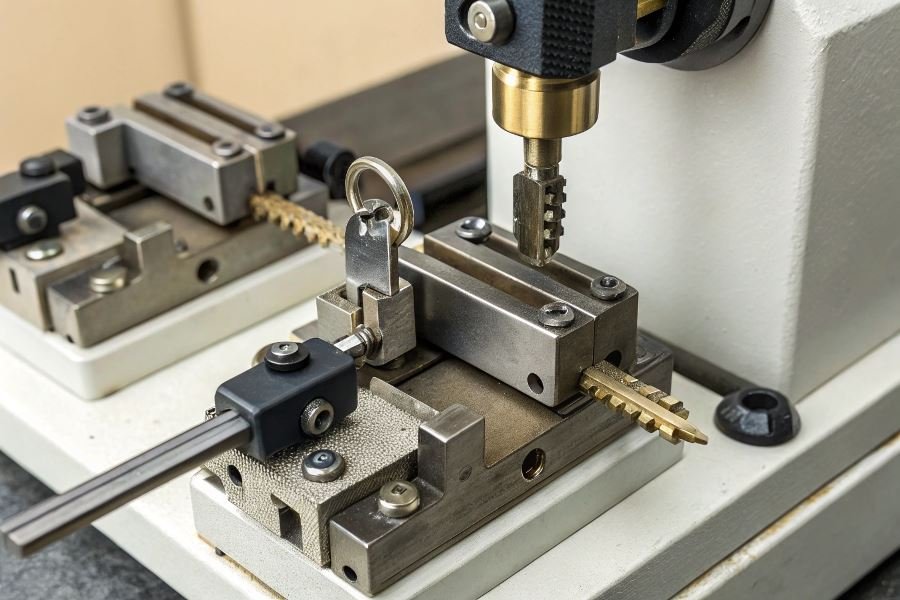
These compact devices are specialized tools designed to create functional copies of intercom keys without requiring a trip to the hardware store. At their core, they work by reading the unique pattern of an original key and transferring that pattern to a blank key—all within minutes and anywhere you need it.
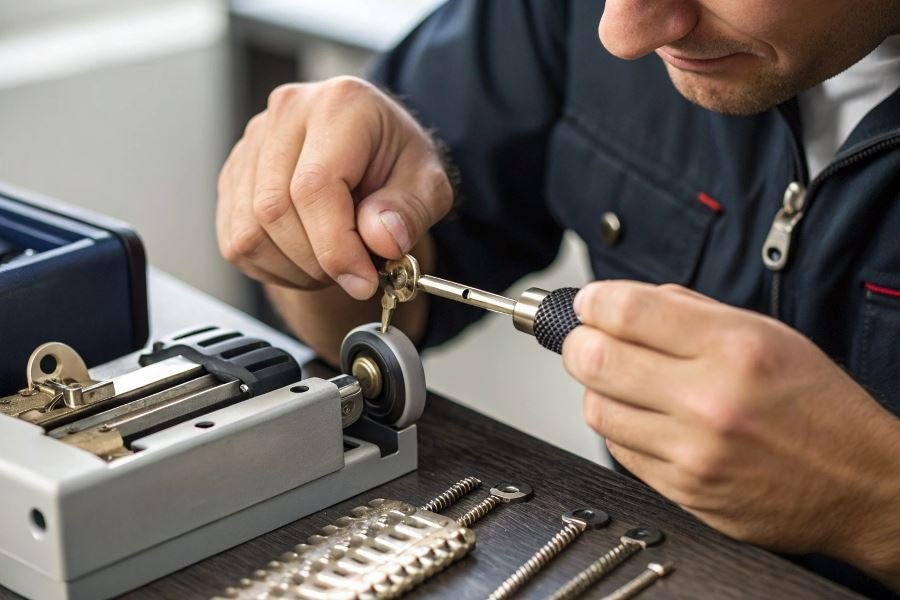
The technology has come remarkably far from the traditional locksmith’s bench. What began as bulky machines requiring significant expertise has evolved into sophisticated portable units. The first electronic key duplicators emerged in the 1980s, but the true breakthrough came around 2010 when miniaturization made genuinely portable options possible.
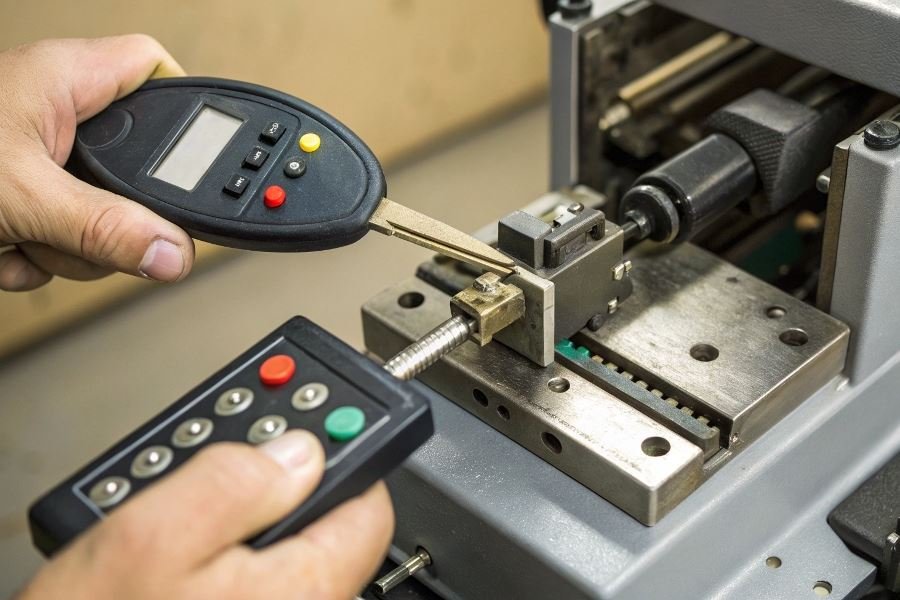
Today’s market offers an impressive range of portable duplicators specifically for intercom systems. From basic mechanical cloners priced around $50 to advanced digital models with pattern recognition technology reaching $300, the options span every need and budget. Premium models now feature Bluetooth connectivity, allowing users to store key patterns securely in encrypted digital formats.
What makes these devices particularly noteworthy is their ability to bridge the gap between professional locksmithing and everyday convenience—though this accessibility raises important questions about security that we’ll explore further.
Unlocking the Power of Portable Intercom Duplicators
Property managers and security professionals are discovering a game-changing tool that’s revolutionizing access management. Portable key duplicators for intercoms have emerged as essential equipment for anyone managing multi-unit properties or security systems. These compact devices deliver impressive capabilities that traditional duplication methods simply can’t match.
When examining portable key duplicators for intercoms: advantages and disadvantages become immediately apparent to professionals who manage multiple access points across properties. The technology has matured significantly since the first commercial portable duplicators appeared in the early 2010s, with today’s models offering precision, speed, and versatility that make them indispensable tools in the property management arsenal.
Mobility that transforms workflow
The primary advantage of these portable duplicators is their go-anywhere functionality. Unlike traditional key cutting services that require bringing keys to a fixed location, these devices bring the duplication capability directly to where it’s needed.
Real-world impact: Property managers overseeing multiple buildings can create new keys on-site during tenant walkthroughs, eliminating return trips and waiting periods. The KeyDup Pro exemplifies this advantage with its battery life exceeding 8 hours of continuous operation and weighing just 1.2 pounds.
Security professionals particularly value the ability to create authorized duplicates without surrendering master keys to third-party services, maintaining chain-of-custody integrity for sensitive access points.
Financial advantages beyond the price tag
The cost-effectiveness of portable duplicators extends far beyond their initial investment price.
| Expense Category | Traditional Method | Portable Duplicator |
|---|---|---|
| Per-key cost | $5-15 per key | $0.75-2.50 per key |
| Staff time | 30-45 min per trip | 2-5 min on-site |
| Emergency service | $75-150 after hours | No additional cost |
| Annual maintenance | Minimal | $50-100 |
Most property management companies report complete return on investment within 3-6 months for buildings with more than 50 units. The DuplicateX model, while commanding a premium price of $899, delivers the lowest per-key cost at approximately $0.65 per duplication.
Emergency response and tenant turnover efficiency
Perhaps the most compelling advantage comes during high-pressure situations where time equals money—or worse, liability.
During emergency access situations, waiting for traditional key duplication can create dangerous delays. Portable duplicators enable:
- Immediate response to lockouts without requiring destructive entry
- Seamless handoffs during maintenance staff changes
- Creation of temporary access keys for emergency services
For tenant turnover scenarios, the efficiency gains are equally impressive. Property managers can:
- Create new keys immediately after inspection
- Duplicate multiple keys simultaneously with multi-slot models
- Program specialized access restrictions on compatible systems
The SecureKey Mobile stands out for emergency situations with its rapid 8-second duplication time and ability to store up to 20 key profiles in its internal memory.
These capabilities translate to measurable improvements in property management operations. Buildings using portable duplicators report average tenant turnover processing times reduced by 37%, with corresponding decreases in vacancy periods between tenants.
For professionals managing multiple properties, these portable duplicators represent not just convenience, but a strategic advantage in an industry where efficiency directly impacts the bottom line.
The Dark Side of Portable Key Duplicators
Portable key duplicators for intercoms have revolutionized access management, but they’re not without significant drawbacks. While the convenience factor is undeniable, security experts and property managers increasingly raise red flags about these pocket-sized tools. Let’s dive into the limitations that might make you think twice before investing in this technology.
Security vulnerabilities exposed
The very feature that makes portable duplicators attractive—their ability to quickly copy keys—creates serious security concerns. Most basic duplicators lack authentication protocols, meaning anyone who temporarily possesses your key can create a functional copy in minutes.
Security insight: A study by the National Security Association found that buildings using standard intercom keys experienced 34% more unauthorized entries when portable duplicators became widely available.
These devices typically work by creating visual or digital templates of existing keys, which can be stored indefinitely. If the duplicator itself is lost or stolen, this database becomes a security liability. More concerning still, some models can reproduce keys from photographs alone, meaning your keys could be compromised without ever leaving your possession.
Advanced intercom systems with encrypted or proprietary key designs offer some protection, but many buildings still use legacy systems vulnerable to basic duplication techniques.
Compatibility roadblocks with modern systems
As intercom technology evolves, portable duplicators face increasing compatibility challenges:
| System Type | Compatibility with Portable Duplicators | Notes |
|---|---|---|
| Standard mechanical | High | Most duplicators handle these effectively |
| RFID-based | Limited | Only specialized duplicators work, often imperfectly |
| Biometric | None | Cannot duplicate fingerprints or retinal scans |
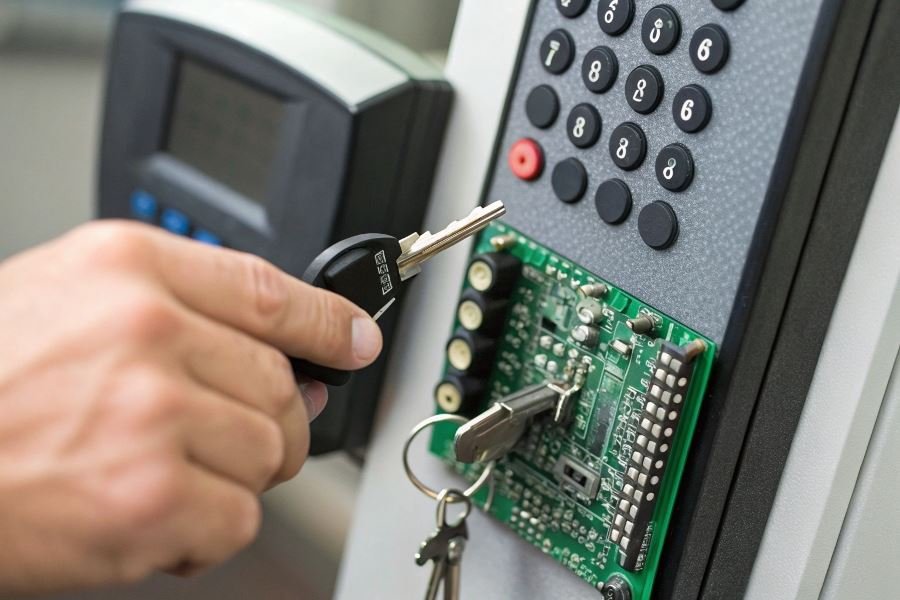
| Mobile app access | None | Digital credentials require different tools entirely |
Many newer buildings have transitioned to HID Global security systems or Salto electronic access control, rendering mechanical duplicators obsolete. Even when duplicators technically work with newer mechanical systems, the copies often lack the precision of factory-cut keys, resulting in intermittent functionality that can leave you locked out at critical moments.
The technology gap continues to widen as manufacturers deliberately design systems to resist unauthorized duplication.
Legal and ethical minefields
Perhaps the most significant limitation involves the legal and ethical questions surrounding these devices:
- Property rights concerns: In many jurisdictions, duplicating keys without explicit permission from property owners may violate trespassing laws or terms of lease agreements.
- Liability issues: If a duplicated key is used in a security breach, the person who created the copy could face legal consequences.
- HOA and building regulations: Many residential communities explicitly prohibit unauthorized key duplication in their bylaws.
The legal landscape varies significantly by location. Some municipalities have enacted specific ordinances restricting the use of portable duplicators in residential settings, while others rely on broader property laws.
Professional locksmiths operate under codes of ethics and legal frameworks that most casual users of portable duplicators don’t understand. This knowledge gap creates significant risk for well-intentioned users who may inadvertently cross legal boundaries.
Before purchasing a portable duplicator, consulting with property management and reviewing local regulations is essential—a step many users unfortunately skip in their pursuit of convenience.
Discover the pros and cons of portable intercom key duplicators, from convenience and cost savings to security vulnerabilities and compatibility issues. Essential guide for property managers seeking efficient access solutions.
Discover the pros and cons of portable intercom key duplicators, from convenience and cost savings to security vulnerabilities and compatibility issues. Essential guide for property managers seeking efficient access solutions.