Ever walked into a restaurant kitchen and wondered why it doesn’t feel like a steam bath? Or why your neighbor’s home always smells fresh despite their love for fish curry? The secret lies above your head—in the sophisticated ventilation systems that silently maintain air quality while you focus on creating culinary masterpieces.
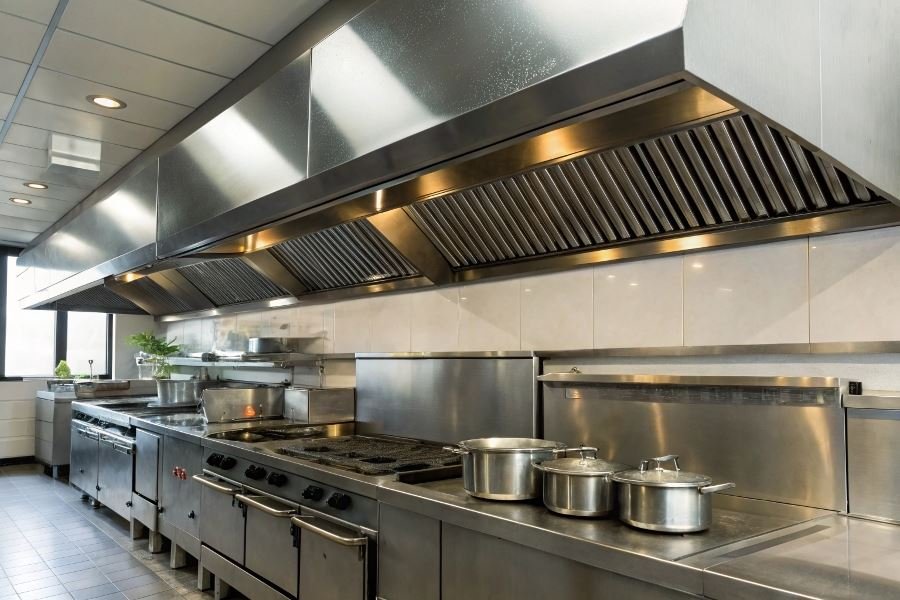
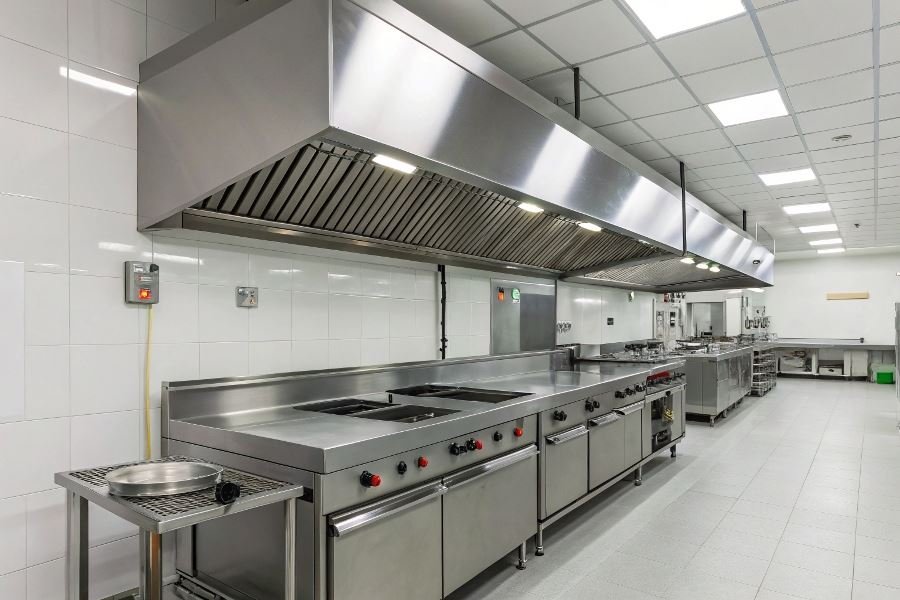
Supply and exhaust hoods represent the respiratory system of any serious kitchen space. These engineered marvels remove cooking byproducts—smoke, grease, heat, and odors—while simultaneously introducing fresh air to maintain optimal cooking conditions. Without them, commercial kitchens would quickly become unbearable environments, and residential cooking spaces would trap contaminants that affect both health and home integrity.
The brilliance of modern hood systems lies in their three-part harmony: the capture component (the visible hood that traps rising air), the exhaust mechanism (fans and motors that create necessary air movement), and the filtration system (which separates grease and particulates before air exits). Premium systems also incorporate makeup air delivery to replace what’s removed, preventing negative pressure issues that can cause backdrafting in other appliances.
Why this matters: Beyond comfort, proper ventilation directly impacts energy efficiency, equipment longevity, and even food quality. In commercial settings, it’s not just about preference—it’s about meeting strict health codes and creating sustainable working environments for staff.
The Ultimate Guide to Kitchen Ventilation Systems
When designing a kitchen that performs as beautifully as it looks, understanding the various types of supply and exhaust hoods and their features becomes absolutely critical. The right ventilation system doesn’t just eliminate cooking odors—it transforms your entire cooking experience by maintaining air quality, reducing grease buildup, and protecting your kitchen’s finishes from deterioration.
Wall-mounted hoods: The ventilation workhorses
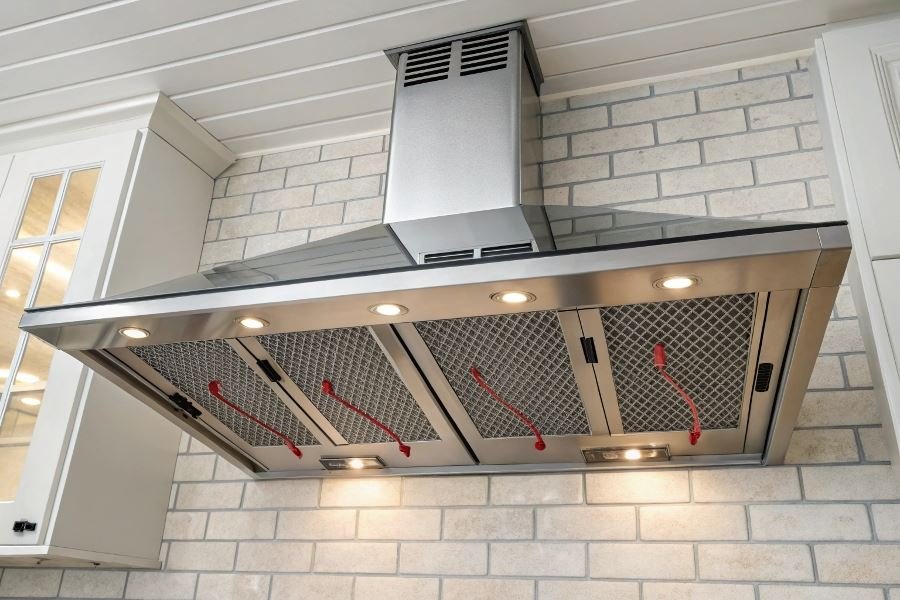
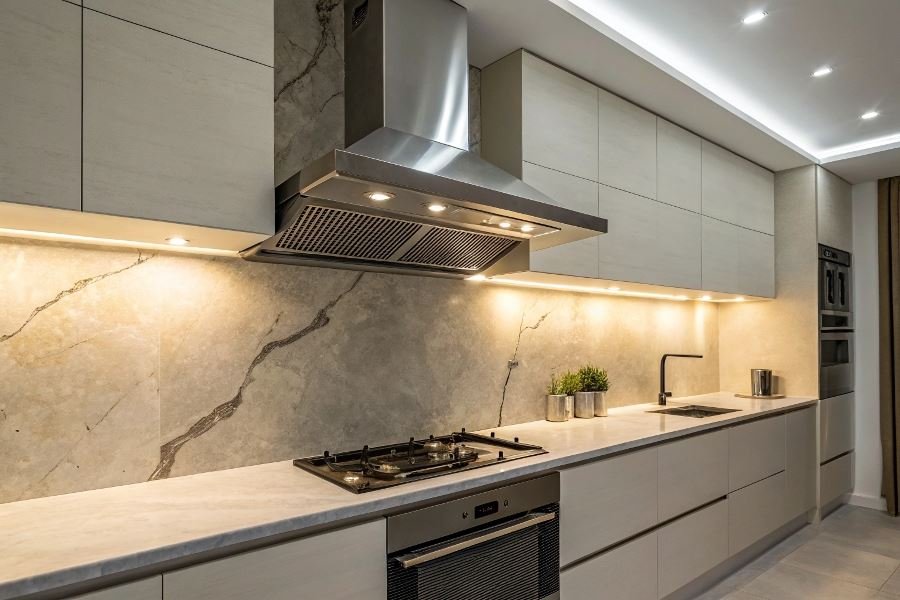
Wall-mounted hoods remain the most popular choice for residential kitchens, offering an ideal balance of performance and value. These systems attach directly to the wall above your cooking surface, creating a straightforward path for capturing and removing cooking byproducts.
Performance considerations: Today’s premium wall-mounted models deliver impressive airflow capacity ranging from 300 to 1,200 CFM (cubic feet per minute), with most home kitchens requiring 400-600 CFM for effective ventilation. The Broan-NuTone Elite Series, for example, offers models that can handle everything from light sautéing to intense wok cooking.
Installation requires careful planning:
- Mount 24-30 inches above cooktop (gas ranges need greater clearance)
- Width should equal or exceed cooking surface width
- Proper ducting (typically 6-8 inch diameter) dramatically impacts performance
Pro tip: For gas ranges, choose a hood with at least 100 CFM per linear foot of range width to ensure complete capture of combustion products.
Island hoods: 360-degree ventilation mastery
Island hoods tackle one of kitchen design’s greatest challenges: ventilating a cooking surface without the benefit of surrounding walls. These ceiling-mounted systems create a stunning focal point while providing crucial functionality.
Spatial requirements:
- Minimum 3-inch larger footprint than cooktop on all sides
- Ceiling height considerations (typically requires 8-foot minimum)
- Structural support requirements (often needs reinforced ceiling joists)
Island hoods typically demand higher CFM ratings (600-1,200 CFM) to compensate for their open-sided design. The Viking Professional 5 Series island hoods exemplify this category with their powerful motors and customizable chimney heights.
| Hood Type | Typical CFM Range | Ideal Kitchen Size | Noise Level (Sones) |
|---|---|---|---|
| Wall-mounted | 300-900 | Small to medium | 4-8 |
| Island | 600-1,200 | Medium to large | 6-10 |
| Downdraft | 300-600 | Any size | 5-9 |
Downdraft hoods: Space-saving innovation
For kitchens where overhead ventilation isn’t practical, downdraft systems offer an ingenious alternative. These retractable units rise from behind or beside your cooking surface when needed, then disappear when not in use.
Performance specifications:
- Typical height extension: 8-12 inches
- Airflow capacity: 300-600 CFM
- Ducting requirements: Typically requires under-floor routing
The Thermador Masterpiece Downdraft represents the cutting edge in this category, with its whisper-quiet operation and impressive 13-inch rise height that effectively captures steam from even tall stockpots.
Downdraft systems excel in:
- Open-concept kitchens where sight lines are paramount
- Island installations where ceiling ductwork isn’t feasible
- Retrofit situations where structural modifications are limited
While downdraft systems offer remarkable space efficiency, they do require more powerful blowers to overcome gravity’s effect on rising cooking vapors. Most professional installations pair these units with remote blowers to maximize performance while minimizing noise.
The ventilation landscape continues evolving with smart features like automatic heat sensors, programmable timers, and even Wi-Fi connectivity that integrates with your broader smart home ecosystem—ensuring your kitchen breathes as intelligently as it cooks.
Maximizing Your Hood Investment: Selection and Maintenance Mastery
Matching the right hood to your ventilation needs
Selecting the perfect supply and exhaust hood isn’t just about aesthetics—it’s about creating the optimal environment for your specific application. Commercial kitchens, industrial facilities, and laboratory settings each demand different ventilation solutions.
For commercial kitchens, the volume of cooking equipment and the intensity of cooking operations determine your hood requirements. A busy steakhouse with multiple high-output grills needs a Type I hood with higher CFM (cubic feet per minute) ratings than a small café primarily serving pre-prepared foods. The American Society of Heating, Refrigerating and Air-Conditioning Engineers guidelines recommend capture velocities between 75-150 feet per minute for most cooking applications.
Industrial applications require specialized considerations. Manufacturing processes involving welding, grinding, or chemical handling need hoods with corrosion-resistant materials and potentially higher static pressure capabilities. The contaminant generation rate should drive your selection—particulate-heavy processes may require additional filtration stages.
Laboratory environments benefit from variable air volume (VAV) systems that adjust exhaust rates based on sash position and containment needs. A properly sized laboratory hood maintains face velocities of 80-120 fpm to ensure hazardous fumes don’t escape the containment area.
Energy efficiency features worth the investment
Modern hood systems incorporate impressive energy-saving technologies that deliver substantial ROI:
- Demand-controlled ventilation (DCV) systems can reduce energy consumption by 30-50% by automatically adjusting exhaust rates based on cooking activity
- Heat recovery systems capture thermal energy from exhaust air to preheat incoming air
- Variable frequency drives (VFDs) optimize fan motor speed for current conditions
The most efficient systems now carry ENERGY STAR certification, which requires meeting strict performance standards. Look for hoods with the Kitchen Ventilation Systems (KVS) certification to ensure compliance with the latest efficiency benchmarks.
Smart hoods with integrated sensors and controls represent the cutting edge of efficiency technology, offering real-time monitoring and automatic adjustments.
Maintenance protocols that extend hood lifespan
Even the most advanced hood system requires proper maintenance to deliver optimal performance. Implementing a structured maintenance program protects your investment and ensures safety compliance.
| Maintenance Task | Frequency | Benefits |
|---|---|---|
| Filter cleaning/replacement | Weekly to monthly | Prevents grease buildup, reduces fire risk |
| Duct inspection | Quarterly | Identifies potential blockages or damage |
| Fan and motor service | Bi-annually | Ensures optimal airflow, prevents premature failure |
| Control system calibration | Annually | Maintains energy efficiency, ensures proper operation |
| Full system cleaning | Per NFPA 96 standards | Compliance with fire codes, extends system life |
Documentation is non-negotiable. Maintain detailed maintenance logs that track all service activities, replacement parts, and performance metrics. These records not only demonstrate compliance with health and safety regulations but also help identify patterns that might indicate developing issues.
For facilities with limited maintenance staff, consider a service contract with a National Air Duct Cleaners Association certified provider who specializes in commercial ventilation systems. The investment typically pays for itself through extended equipment life and improved energy efficiency.
Remember that proper maintenance isn’t just about longevity—it directly impacts indoor air quality, energy consumption, and ultimately, your bottom line.
Discover the essential types of supply and exhaust hoods for optimal ventilation. Our guide covers wall-mounted, island, and downdraft systems with expert selection criteria for efficiency, performance, and maintenance requirements.
Discover the essential types of supply and exhaust hoods for optimal ventilation. Our guide covers wall-mounted, island, and downdraft systems with expert selection criteria for efficiency, performance, and maintenance requirements.