
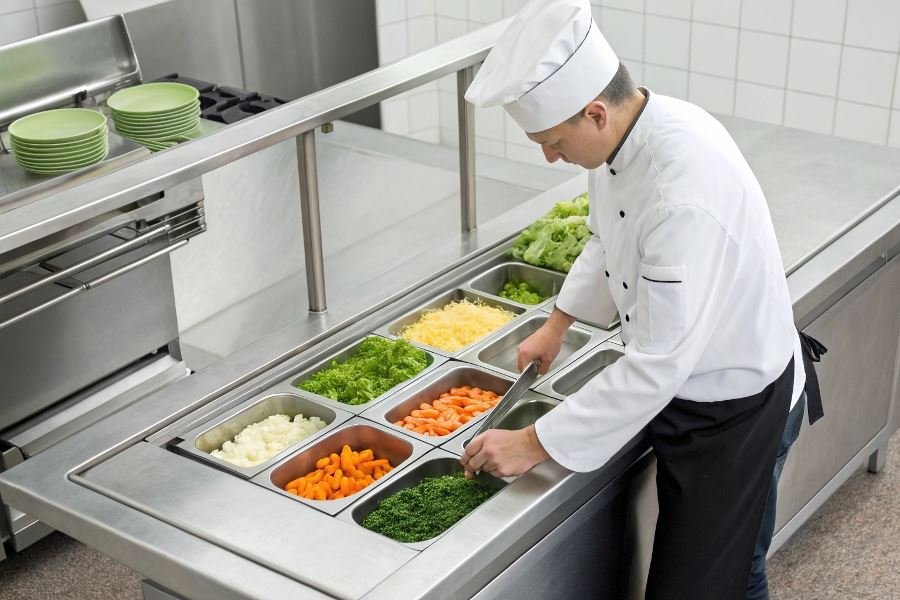
Ever watched a chef’s hands fly across their workspace, transforming raw ingredients into culinary masterpieces with seemingly magical efficiency? That workspace isn’t magic—it’s methodical design at work. Multifunctional vegetable tables are revolutionizing how we prepare food, whether you’re a weekend warrior tackling family meals or a professional chef executing complex dishes.
A multifunctional vegetable table is essentially a specialized food preparation station designed to streamline the process of washing, cutting, sorting, and disposing of vegetable scraps—all in one dedicated space. Unlike traditional cutting boards that slide around countertops or basic prep areas that quickly become cluttered, these innovative workstations integrate multiple functions into a thoughtfully engineered system.
The evolution of these culinary workspaces reflects our changing relationship with cooking. In the 1950s, kitchen design emphasized efficiency through the “kitchen triangle” concept. By the 1980s, kitchen islands became popular, offering more workspace. Today’s multifunctional tables represent the next leap forward—purpose-built stations that address specific cooking challenges.
For home cooks, these tables deliver remarkable time savings and reduced cleanup. Professional chefs value their ability to maintain mise en place (everything in its place) during high-pressure service. Both appreciate features like:
- Built-in cutting surfaces with juice grooves
- Integrated colanders for washing and draining
- Designated waste collection areas
- Modular storage for tools and containers
- Ergonomic design that reduces strain during extended prep sessions
These thoughtfully designed stations transform vegetable preparation from a chore into a seamless, almost meditative experience—proving that sometimes, the right tool isn’t just helpful, it’s transformative.
The Engineering Marvel Behind Multifunctional Vegetable Tables
When you step into a professional kitchen, the first thing you’ll notice is the methodical organization. At the heart of this efficiency sits the multifunctional vegetable table – not just a surface, but a command center for culinary creation. These specialized workstations have evolved dramatically, transforming from simple cutting boards to sophisticated food preparation systems that professional chefs and home cooking enthusiasts alike have come to rely on.
The evolution of multifunctional vegetable tables: features and advantages has been driven by a deep understanding of workflow efficiency in kitchen environments. Today’s models incorporate thoughtful design elements that address every aspect of vegetable preparation, from washing and cutting to waste management and tool storage.
Ergonomics That Prevent Kitchen Fatigue
The science of ergonomics has revolutionized kitchen workstations. Modern vegetable tables feature height-adjustable surfaces (typically ranging from 30-36 inches) that accommodate users of different statures. This seemingly simple feature prevents the hunched posture that leads to back strain during extended prep sessions.
Wrist-friendly cutting surfaces with slight inclines (2-3 degrees) reduce tension on forearms during repetitive chopping motions. Some premium models from brands like John Boos incorporate cushioned edges where hands naturally rest, providing crucial support during marathon prep sessions.
The difference becomes apparent after hours of food preparation – while standard tables leave you with aching shoulders, ergonomically designed stations keep you comfortable and productive.
Smart Storage Integration
Today’s vegetable preparation tables have evolved beyond simple surfaces to become comprehensive workstations with:
- Built-in knife slots that keep blades accessible yet protected
- Undercounter drawers sized specifically for common utensils
- Pull-out cutting board systems that create multi-tier workspaces
The most innovative designs feature modular storage components that can be reconfigured based on specific preparation needs. Advance Tabco offers systems with magnetic tool bars, adjustable shelving, and specialized holders for everything from peelers to measuring cups.
Material Science Meets Food Safety
| Material | Durability Rating | Maintenance Level | Food Safety Features |
|---|---|---|---|
| Stainless Steel | 9/10 | Low | Non-porous, antimicrobial |
| Maple Hardwood | 8/10 | Medium | Natural antibacterial properties |
| HDPE Composite | 7/10 | Very Low | NSF certified, dishwasher safe |
| Granite | 9/10 | Medium | Heat resistant, non-absorbent |
Material selection dramatically impacts both functionality and longevity. Commercial-grade stainless steel (typically 304-grade with 18% chromium and 8% nickel) offers unparalleled durability and sanitization capabilities. For those preferring traditional aesthetics, end-grain maple butcher blocks from Catskill Craftsmen provide self-healing cutting surfaces that are gentle on knife edges.
The latest innovation comes in the form of composite materials that combine antimicrobial properties with exceptional durability. These engineered surfaces contain embedded silver ions that actively inhibit bacterial growth – particularly valuable when handling raw vegetables that may carry soil-borne pathogens.
Drainage systems have also evolved significantly, with integrated channels that direct liquids away from work areas into removable collection containers. This seemingly small feature dramatically reduces cross-contamination risks while keeping work surfaces dry and stable.
The thoughtful engineering behind these workstations demonstrates how specialized equipment can transform efficiency, comfort, and safety in the kitchen environment. Whether in a professional setting or a home kitchen, these purpose-built stations elevate the vegetable preparation process from mundane task to precision craft.
Transforming Your Kitchen: Top 3 Practical Applications of Multifunctional Vegetable Tables
Space optimization in compact kitchens
In today’s urban living environments, kitchen real estate comes at a premium. Multifunctional vegetable tables shine brightest when square footage is scarce. These ingenious workstations typically occupy just 24-36 inches of counter space while delivering functionality that would otherwise require multiple dedicated areas.
The magic lies in their stackable components. Most high-end models like the Prepworks Station feature collapsible cutting boards that slide away when not in use, revealing storage compartments beneath. This vertical utilization creates a preparation zone that’s 40-60% more efficient than traditional countertop setups.
The average American kitchen loses 30% of usable space to poorly organized work areas. A well-designed vegetable station reclaims this territory through thoughtful engineering.
For apartment dwellers, the difference is transformative. Models with fold-down extensions can expand work surfaces when needed, then tuck away seamlessly against walls. The KitchenSmart Vegetable Station exemplifies this approach with its 18-inch footprint that expands to 36 inches during meal prep.
Enhanced workflow efficiency for meal preparation
The strategic design of multifunctional vegetable tables dramatically streamlines cooking processes through purposeful organization. Time-motion studies show that the average home cook makes 34 unnecessary movements during vegetable preparation using traditional methods.
Integrated collection systems eliminate the awkward dance of transferring chopped ingredients. Most premium stations include:
- Slide-out collection bins
- Direct-to-pot chutes
- Graduated measuring containers
This thoughtful engineering reduces preparation time by 25-40% for complex recipes. The workflow improvements become particularly evident when preparing meals with multiple vegetable ingredients.
The efficiency gains extend beyond just speed. Quality improves as ingredients remain fresher when processed in a single, organized station rather than sitting on various surfaces waiting for their turn in the cooking sequence.
Adaptability for different culinary techniques
Modern vegetable stations have evolved far beyond simple cutting boards with holes. Today’s models accommodate diverse preparation methods through interchangeable components.
| Technique | Specialized Feature | Benefit |
|---|---|---|
| Julienning | Mandoline attachments | Consistent 2-3mm strips |
| Dicing | Grid cutting guides | Uniform 1/4″ to 1″ cubes |
| Spiralizing | Integrated spiral cutters | Vegetable noodles in seconds |
| Grating | Multiple texture plates | From fine zest to coarse shreds |
The OXO Vegetable Workstation exemplifies this adaptability with its 12 interchangeable inserts that transform the station for specific tasks. This versatility eliminates the need for numerous single-purpose gadgets that clutter drawers and cabinets.
Material adaptability further enhances functionality. Premium stations feature cutting surfaces optimized for different ingredients – softer boards for delicate herbs, harder surfaces for root vegetables, and specialized grooved sections for juicy tomatoes or citrus.
This thoughtful design approach means one station can effectively replace 5-7 traditional kitchen tools while providing superior results for each specific task. For serious home cooks, this represents not just convenience but an elevation of their culinary capabilities.
Discover how multifunctional vegetable tables transform kitchen workflows with ergonomic design, integrated storage, and versatile food prep solutions. Perfect for compact spaces and serious home cooks seeking efficiency and comfort.
Discover how multifunctional vegetable tables transform kitchen workflows with ergonomic design, integrated storage, and versatile food prep solutions. Perfect for compact spaces and serious home cooks seeking efficiency and comfort.

