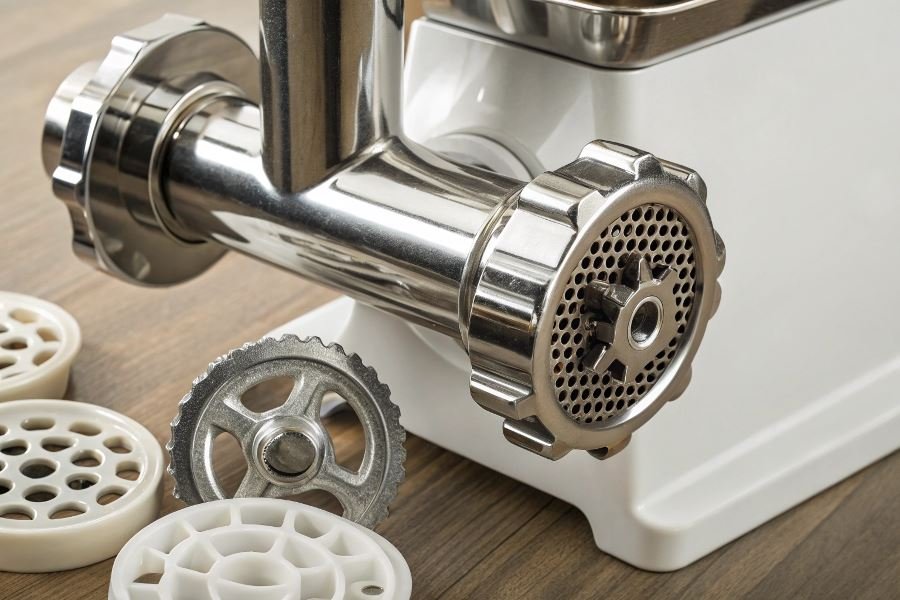
Ever sliced into what should have been a juicy burger only to find it tough and stringy? The culprit might be lurking in your kitchen—an underpowered meat grinder struggling to do its job. The difference between mediocre results and professional-quality ground meat often comes down to one critical specification: power.
When selecting a meat grinder, power rating isn’t just another number on the box—it’s the beating heart of the machine’s capability. Think of it as the engine in your car; inadequate power means poor performance when you need it most. Most home models range from 300 to 1200 watts, while commercial units can exceed 3000 watts. But bigger isn’t always better—it’s about matching the power to your grinding ambitions.
Power directly impacts three crucial aspects of your grinding experience:
- Performance: Higher wattage means faster grinding and the ability to process tougher cuts without jamming
- Durability: Adequate power prevents motor strain, extending the life of your investment
- Versatility: More powerful units can handle everything from delicate poultry to game meats and even create sausages
“The right power rating isn’t about maximum watts—it’s about sufficient power for your specific needs.”
For occasional hamburger nights, a 350-500 watt model provides ample power. For hunters processing game or serious home chefs making weekly sausages, look toward the 800-1200 watt range. The market now offers impressive mid-range options that balance power with practicality, giving home cooks commercial-grade results without industrial prices.
Remember: a powerful grinder isn’t just about speed—it’s about opening up a world of culinary possibilities, from custom burger blends to artisanal sausages that would make your butcher jealous.
The Muscle Behind Your Grinder: Power Essentials
When selecting a meat grinder, understanding its power specifications isn’t just technical minutiae—it’s the difference between effortlessly processing pounds of brisket and struggling with a machine that stalls mid-grind. The power of the meat grinder determines what you can accomplish in your kitchen, making it crucial to pay attention to when buying a unit that will serve your needs for years to come.
Wattage Decoded: Beyond the Numbers
Meat grinder power ratings typically range from 300 to 3000 watts, but these numbers tell only part of the story. A 1200-watt KitchenAid attachment might outperform a standalone 1500-watt model due to superior gear design and motor efficiency.
What actually matters is sustained power delivery—not peak wattage. Many manufacturers advertise “peak horsepower” or “locked rotor” wattage, which represents maximum power during momentary strain rather than continuous operation capability. For reliable performance, look for “rated wattage” or “continuous duty” specifications.
Premium models often feature copper motor windings rather than aluminum, delivering better heat dissipation and longer operational life despite sometimes showing lower wattage ratings.
Power-to-Performance Ratio
The correlation between power and grinding capacity follows a predictable pattern:
| Power Range | Typical Capacity | Best For |
|---|---|---|
| 300-500W | 1-2 lbs/min | Occasional home use |
| 500-800W | 2-4 lbs/min | Regular family use |
| 800-1200W | 4-8 lbs/min | Enthusiast/small batch processing |
| 1200W+ | 8+ lbs/min | Commercial/hunting/large families |
A quality 750-watt Waring grinder can process approximately 3 pounds of boneless meat per minute, while stepping up to a 1100-watt LEM Products model might double that throughput.
The true measure of a grinder’s capability isn’t just how fast it processes meat, but how consistently it maintains that performance over time without overheating.
Matching Power to Purpose
Different grinding tasks demand different power thresholds:
Basic beef and pork grinding (lean cuts): 500+ watts provides adequate performance for most home kitchens processing a few pounds at a time.
Tougher meats and sinew: When processing game meat, chuck, or cuts with significant connective tissue, 800+ watts becomes the practical minimum for smooth operation.
Frozen meat processing: Few home grinders truly excel here, but those rated 1500+ watts with specialized cutting plates like those found on STX International models stand the best chance.
Beyond meat, many users leverage their grinders for additional food processing tasks. Creating nut butters requires at least 700 watts for smooth results, while hard cheeses demand 900+ watts to prevent motor strain.
The cooling system also plays a crucial role in sustained performance. Metal-geared models with ventilation systems can operate longer without rest periods, making them superior for processing larger batches despite sometimes carrying similar wattage ratings to plastic-geared counterparts.
When evaluating power specifications, remember that a well-designed 700-watt grinder will outperform a poorly engineered 1000-watt unit every time. Focus on build quality, gear materials, and user reviews describing real-world performance rather than being seduced by impressive-sounding power numbers alone.
The Power Behind the Grind: Essential Features for Your Next Meat Grinder
When it comes to meat grinders, power isn’t just a number on a box—it’s the beating heart that determines whether your kitchen helper becomes a trusted ally or a frustrating paperweight. The difference between effortlessly processing tough cuts and watching your machine struggle lies in understanding what those watts and horsepower ratings actually mean for performance.
Motor efficiency and cooling systems
The true measure of a meat grinder isn’t just raw power—it’s how efficiently that power is delivered. Modern grinders from brands like KitchenAid and Waring feature copper-wound motors that deliver superior torque compared to their aluminum counterparts, even at identical wattage ratings.
What separates professional-grade from entry-level machines is often the cooling system. Premium models incorporate:
- Ventilation channels strategically positioned around motor housing
- Heat-dissipating metal components rather than plastic
- Internal fans that activate during heavy processing
A 750-watt grinder with proper cooling will outperform a 1000-watt model that overheats after five minutes of continuous operation. Look for models advertising “continuous duty” capabilities if you regularly process larger batches.
The most powerful motor becomes worthless without proper cooling. A well-cooled 600-watt motor will outlast and outperform an overheating 900-watt unit every time.
Power-to-noise ratio and energy efficiency
The relationship between power and noise reveals much about a grinder’s engineering quality. Premium models from STX International deliver impressive power-to-noise ratios, operating at around 60-65 decibels while maintaining 800+ watts of grinding power.
| Power Range | Expected Noise Level | Energy Consumption |
|---|---|---|
| 350-500W | 55-65 dB | 0.35-0.5 kWh/hr |
| 500-800W | 60-75 dB | 0.5-0.8 kWh/hr |
| 800W+ | 70-85 dB | 0.8-1.2 kWh/hr |
Energy efficiency matters beyond your utility bill. More efficient motors convert more electricity into actual grinding power rather than wasted heat. Look for models with efficiency ratings above 85% if specified, or those with Energy Star certification.
Smart power management systems in newer models adjust power delivery based on resistance, providing surge capacity when needed while conserving energy during lighter tasks. This translates to both better performance and longer motor life.
Overload protection and reliability indicators
The true test of a meat grinder’s engineering quality lies in its protection systems. Premium models from LEM Products incorporate:
- Circuit breakers that trip before motor damage occurs
- Automatic reverse functions that clear jams
- Thermal cutoff switches that prevent overheating
These features aren’t just conveniences—they’re investments in longevity. A grinder with comprehensive protection systems might cost 20-30% more upfront but typically lasts 3-5 times longer than unprotected models.
When evaluating reliability, examine:
- Gear construction (metal gears outlast plastic)
- Warranty length (manufacturers offering 5+ years know their products will last)
- Serviceable components (can parts be replaced without scrapping the entire unit?)
The most telling reliability indicator is often weight. Heavier units typically contain more metal components and robust motors with copper windings rather than aluminum. A quality 800-watt grinder will typically weigh 15-20 pounds, while budget models of similar power often weigh under 10 pounds.
Remember that power specifications tell only part of the story. The engineering behind that power—cooling, efficiency, and protection—ultimately determines whether your investment will be grinding perfectly years from now or sitting in a landfill.
Discover the optimal meat grinder power for your needs. Learn how wattage affects performance, grinding capacity, and durability. Our guide helps you evaluate motor efficiency, noise levels, and protection features for a smart purchase.
Discover the optimal meat grinder power for your needs. Learn how wattage affects performance, grinding capacity, and durability. Our guide helps you evaluate motor efficiency, noise levels, and protection features for a smart purchase.